

Hear from Our Customers
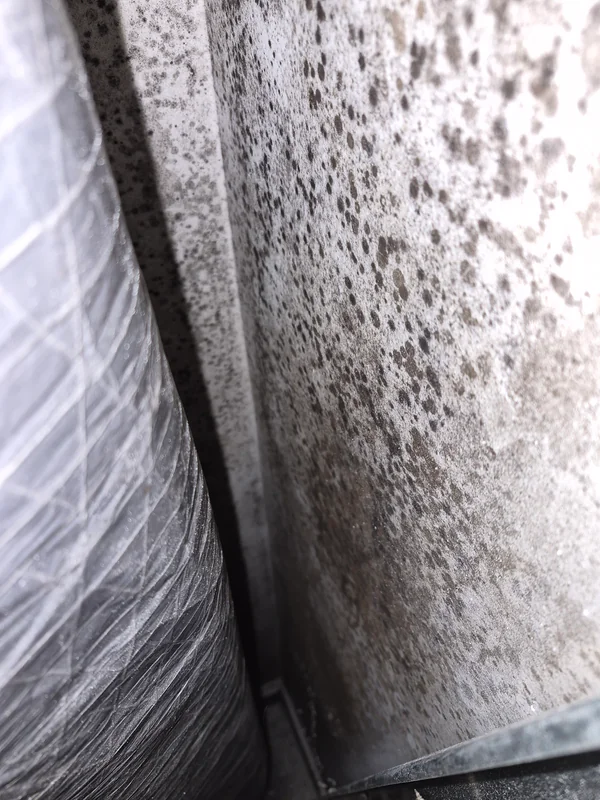
Most people notice it when the heat or AC first kicks on that faint musty smell that wasn’t there last season. In Bedminster, that smell has a context. Tohickon Creek runs through the township, and the flooding it brings has become more frequent in recent years. When water reaches a basement or crawl space, even briefly, the moisture doesn’t just dry up and disappear. It lingers in the spaces where your ductwork runs, and mold can establish itself within 48 to 72 hours of a moisture event.
Once mold is inside the duct system, your HVAC becomes the delivery mechanism. Every time the system runs, it’s moving air and whatever’s in those ducts to every room in the house simultaneously. That’s the part that catches people off guard. The basement dried out. The walls look fine. But the air quality in the bedrooms and living spaces is being shaped by what’s hidden inside the ductwork.
After a proper cleaning and inspection, that changes. The air circulating through your home isn’t carrying what it was before. For families with kids, anyone dealing with allergies or asthma, or homeowners who’ve recently had flooding near the creek corridor, that difference is real and noticeable not just something you’re told to believe.
We’re based in Bensalem and have been serving Bucks County for over 15 years. That means we understand the specific conditions that drive mold problems in Bedminster and the surrounding area the above-average rainfall, the creek flooding patterns, and the way older homes throughout the township hold moisture in ways that newer construction doesn’t.
That last point matters here. Bedminster’s housing stock is unlike most of the county. Stone farmhouses dating back to the 1700s, historic homesteads along the northern part of the township, newer Pennridge School District developments the range is wide, and so are the HVAC challenges. Ductwork in a 200-year-old stone farmhouse behaves very differently than a system installed in a subdivision built in 2005. We’ve worked in both.
What sets us apart isn’t a tagline. It’s that we test after the job is done. Customers have specifically noted that we verify the mold is gone not just cleaned to appearance, but confirmed. That’s a step most companies skip.

It starts with a free inspection. Before any cleaning begins, a certified inspector looks at the system not just the registers you can see, but the interior sections where biological growth actually takes hold. In Bedminster homes, that often means paying close attention to ductwork that runs through basements or crawl spaces, especially in older properties where joints may have gaps that let moisture in over decades.
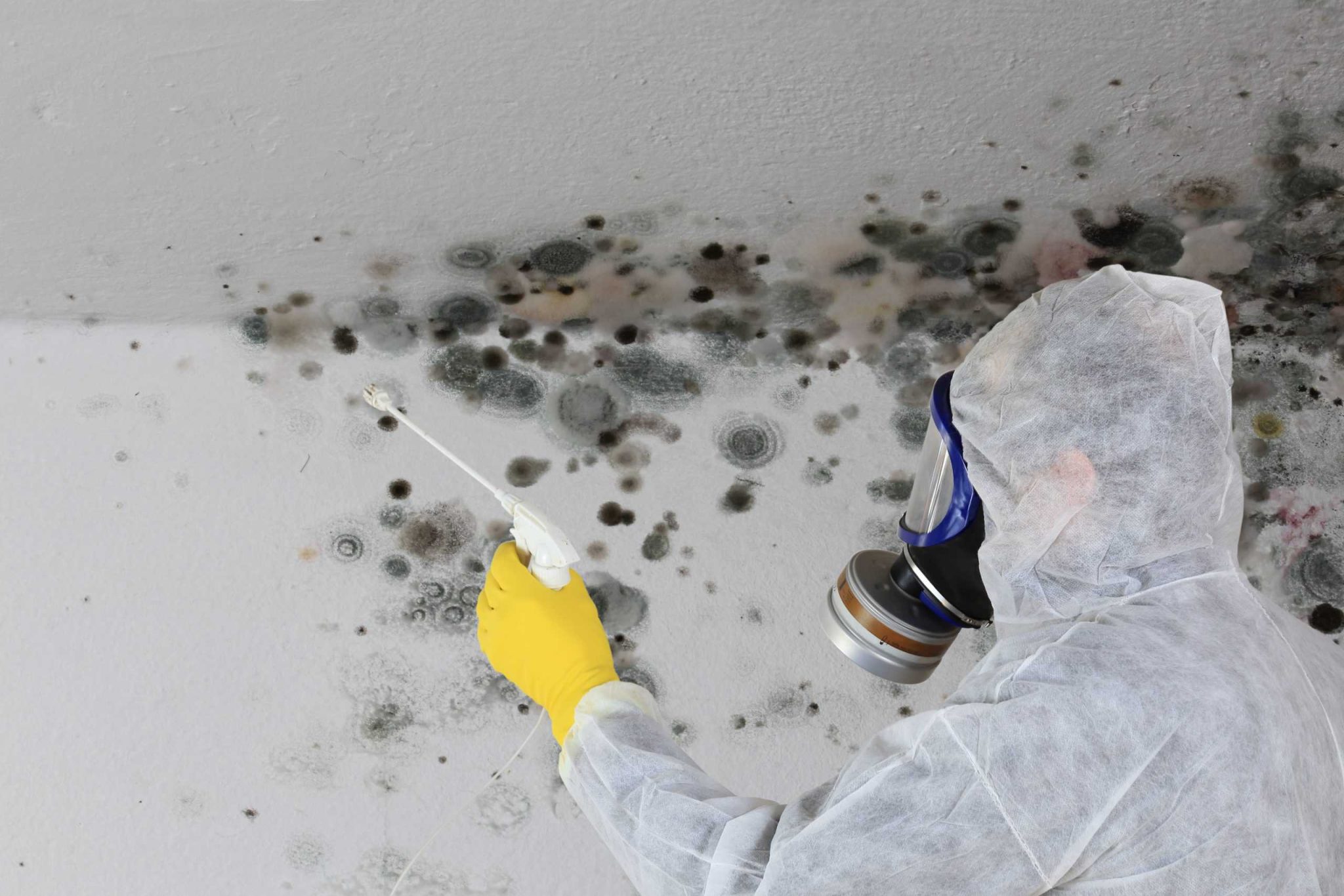
If mold is present, we send samples to a lab to identify exactly what you’re dealing with and determine the right approach. From there, the actual cleaning uses professional-grade equipment negative air pressure systems and HEPA vacuums that pull contaminants out rather than pushing them around. If mold is confirmed in the system, we use containment protocols during the process. This is the part that matters most, and it’s what separates a mold specialist from a general duct cleaning company. Disturbing mold without containment spreads spores. Our mold remediation background means we know how to clean a duct system without making the air quality worse in the process.
After the work is done, the system is tested again. You get confirmation not just a handshake and an invoice. For Bedminster residents dealing with post-flood concerns or aging ductwork in a historic home, that final verification step is the one that actually closes the loop.
Ready to get started?
Air duct cleaning covers the full system supply ducts, return ducts, and the components connected to them. Both sides of the system matter; cleaning only one is a red flag worth knowing about when you’re comparing companies. We also offer air duct sanitizing, which goes a step beyond mechanical cleaning by applying antimicrobial treatment to address biological contamination that physical removal alone doesn’t fully eliminate. When mold is involved, this step isn’t optional it’s the difference between a clean system and a treated one.
Dryer vent cleaning is also part of what we handle, and it’s worth taking seriously in Bedminster’s older homes. Properties with longer or more complex vent runs common in stone construction where the exterior exhaust point may be farther from the dryer accumulate lint faster and are harder to clear than a standard modern setup. The NFPA documents roughly 15,970 dryer-related house fires per year nationally, with failure to clean the vent as the leading cause.
We also work directly with insurance companies when mold-related HVAC damage is part of a larger claim. For Bedminster residents who’ve had flooding along the Tohickon Creek corridor and are navigating a homeowners insurance claim, that’s a practical service that saves real time and stress. Financing is available, and the inspection is free so there’s no cost to finding out what you’re actually dealing with before committing to anything.
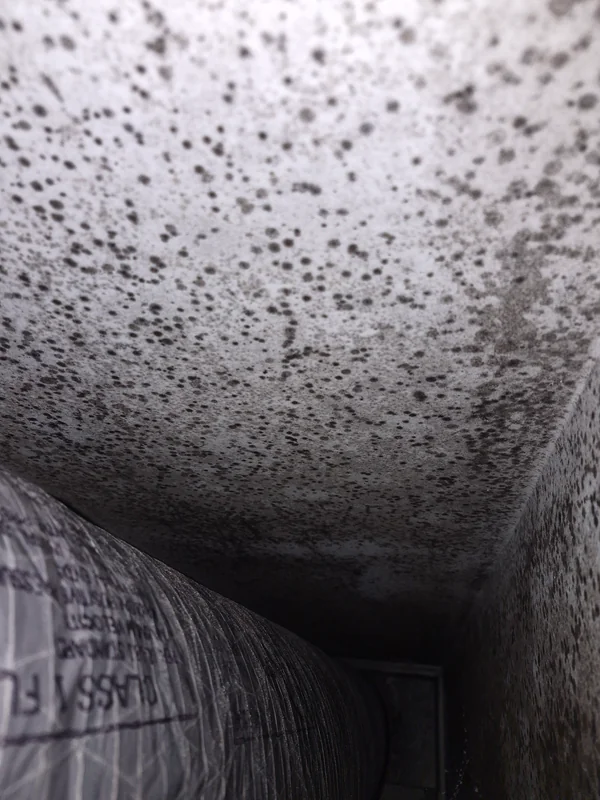
Yes, and it happens more often than most Bedminster homeowners realize. When Tohickon Creek floods which has become increasingly common in Bedminster Township over the past several summers water can reach basements, crawl spaces, and utility areas where HVAC ductwork runs. Even a relatively minor flooding event introduces enough moisture into those spaces to create conditions where mold can begin growing within 48 to 72 hours.
The issue is that most homeowners address the visible water and consider the problem resolved. The ductwork, however, retains moisture in ways that are hard to detect from the outside. Once mold establishes itself inside the system, the HVAC begins distributing spores throughout the entire home every time it runs. A professional mold inspection of the duct system after any flooding event not just visible water damage is the right call for Bedminster residents, particularly those with ductwork running through lower levels of the home.
The most common sign is a musty smell that appears when the HVAC system first kicks on especially at the start of AC season in spring, after the system has been dormant through winter. That smell is often dismissed as “the system just needs to run for a bit,” but it’s worth taking seriously, particularly in Bedminster where humidity levels near the creek corridor stay elevated for much of the year.
Visible discoloration around registers or on vent covers can also indicate biological growth, but by the time you can see it at the register, the problem is often more significant deeper in the system. The only way to know for certain is a professional inspection with lab-tested sampling. We send samples to a lab to confirm whether mold is present and what type that’s the information you need before deciding on the right course of action, and it’s what the free inspection is designed to determine.
It absolutely does, and Bedminster is a township where this question comes up often. The housing stock here ranges from stone farmhouses built in the 1700s and 1800s to newer single-family homes in Pennridge School District developments. In older homes, ductwork was frequently added or modified decades after original construction sometimes routed through damp stone wall cavities or uninsulated crawl spaces that were never designed for forced-air systems.
Gaps in aging duct joints allow moisture-laden air to enter the system over time. Stone construction, while durable on the exterior, can trap groundwater and humidity in the spaces where ductwork runs, creating conditions for biological growth that accumulates over years or even decades. A historic Bedminster farmhouse may have ductwork that hasn’t been properly inspected in 30 or 40 years. Newer homes face fewer structural challenges but still contend with Bucks County’s above-average rainfall and humidity. The inspection process accounts for the specific conditions of your home not a one-size approach.
They’re related but not the same thing. Air duct cleaning is the mechanical process using professional equipment to physically remove dust, debris, and biological matter from inside the duct system. Air duct sanitizing follows the cleaning and involves applying an antimicrobial treatment to the interior surfaces of the ducts to address any remaining biological contamination that mechanical removal alone doesn’t fully eliminate.
When mold is the reason you’re having the ducts cleaned, sanitizing is a necessary follow-up step not an optional add-on. Physical cleaning removes the bulk of the contamination, but mold can leave residual matter on duct surfaces that the antimicrobial treatment is specifically designed to address. For Bedminster homeowners dealing with post-flood mold or moisture-related growth in an older home, skipping the sanitizing step means the cleaning job isn’t truly finished. We offer both as part of a complete approach to mold-related HVAC cleaning, and the inspection will tell you which combination applies to your specific situation.
The general industry guidance is every three to five years for a typical home, but that interval doesn’t account for local conditions and Bedminster has several that push toward the more frequent end of that range. Homes near Tohickon Creek deal with elevated ambient humidity year-round. Properties with basements or crawl spaces that have experienced any water intrusion even minor seepage, not just active flooding are at higher risk for biological growth in the ductwork.
Beyond the standard maintenance interval, there are specific situations where cleaning shouldn’t wait regardless of when the last service was done: after any flooding event, after a mold remediation job elsewhere in the home, after buying a home where the duct history is unknown, or when allergy or respiratory symptoms are worsening without a clear cause. Older Bedminster properties where the ductwork hasn’t been inspected in many years should be prioritized the free inspection is the right first step to understanding what’s actually in the system before deciding on timing.
It comes down to what happens when mold is actually present. A general duct cleaning company is equipped to remove dust, lint, and debris. When mold is in the system, the process requires a different level of training and equipment specifically, containment protocols that prevent spores from being disturbed and spread to other areas of the home during the cleaning. Without containment, cleaning a mold-contaminated duct system can temporarily make air quality worse, not better.
We bring certified mold remediation expertise to every air duct cleaning job. That means we’re not just vacuuming what we can reach we’re inspecting for biological growth, sampling for lab confirmation, using proper containment when mold is found, and then verifying after the job that the contamination is actually gone. For Bedminster residents dealing with the aftermath of creek flooding, moisture in a historic home, or unexplained respiratory symptoms, that level of expertise is the difference between a cleaning that addresses the real problem and one that misses it entirely.
Other Services we provide in Bedminster