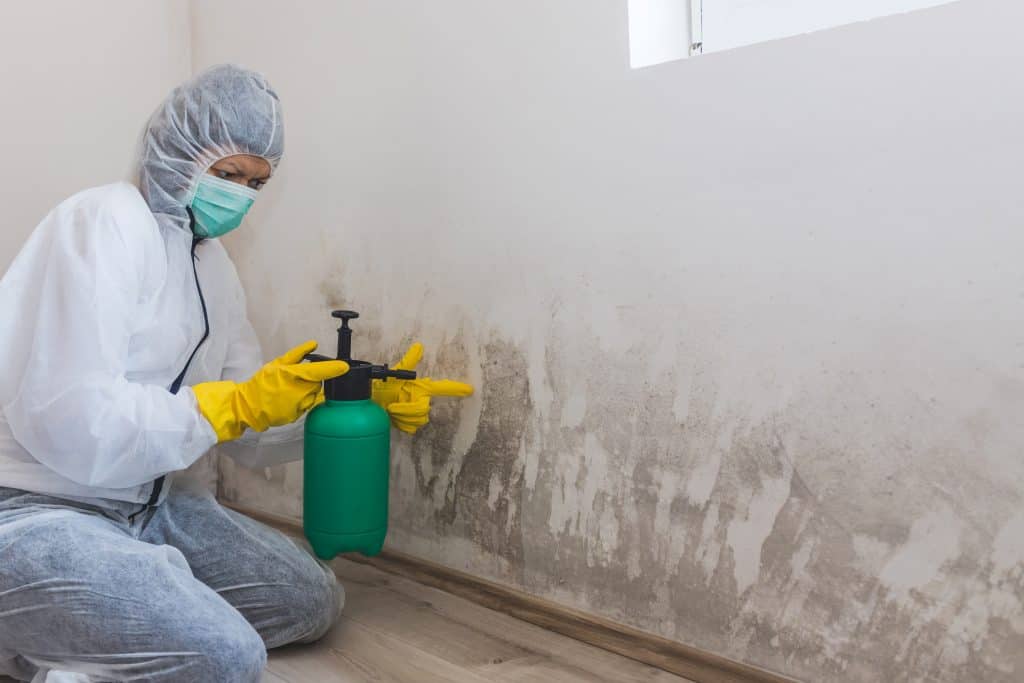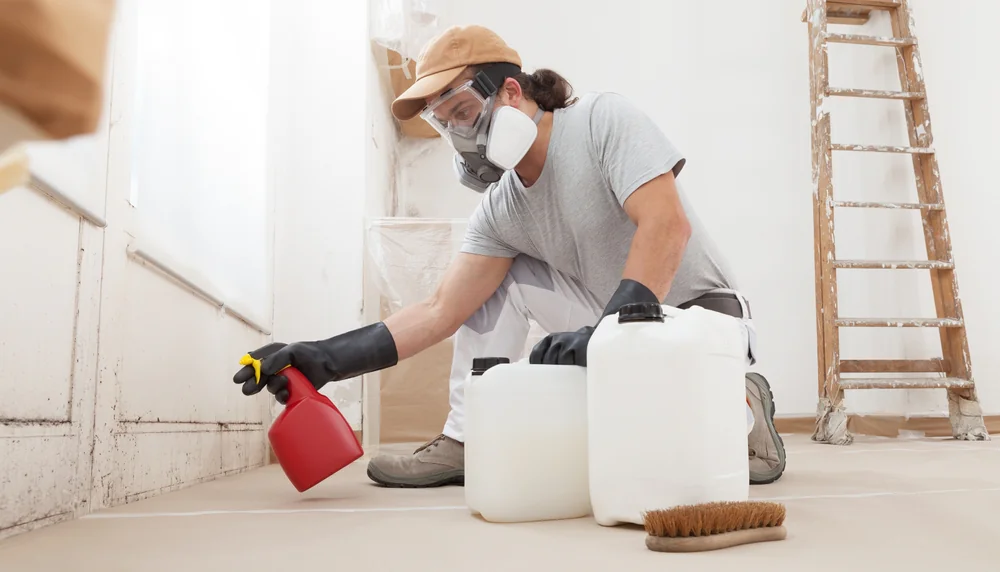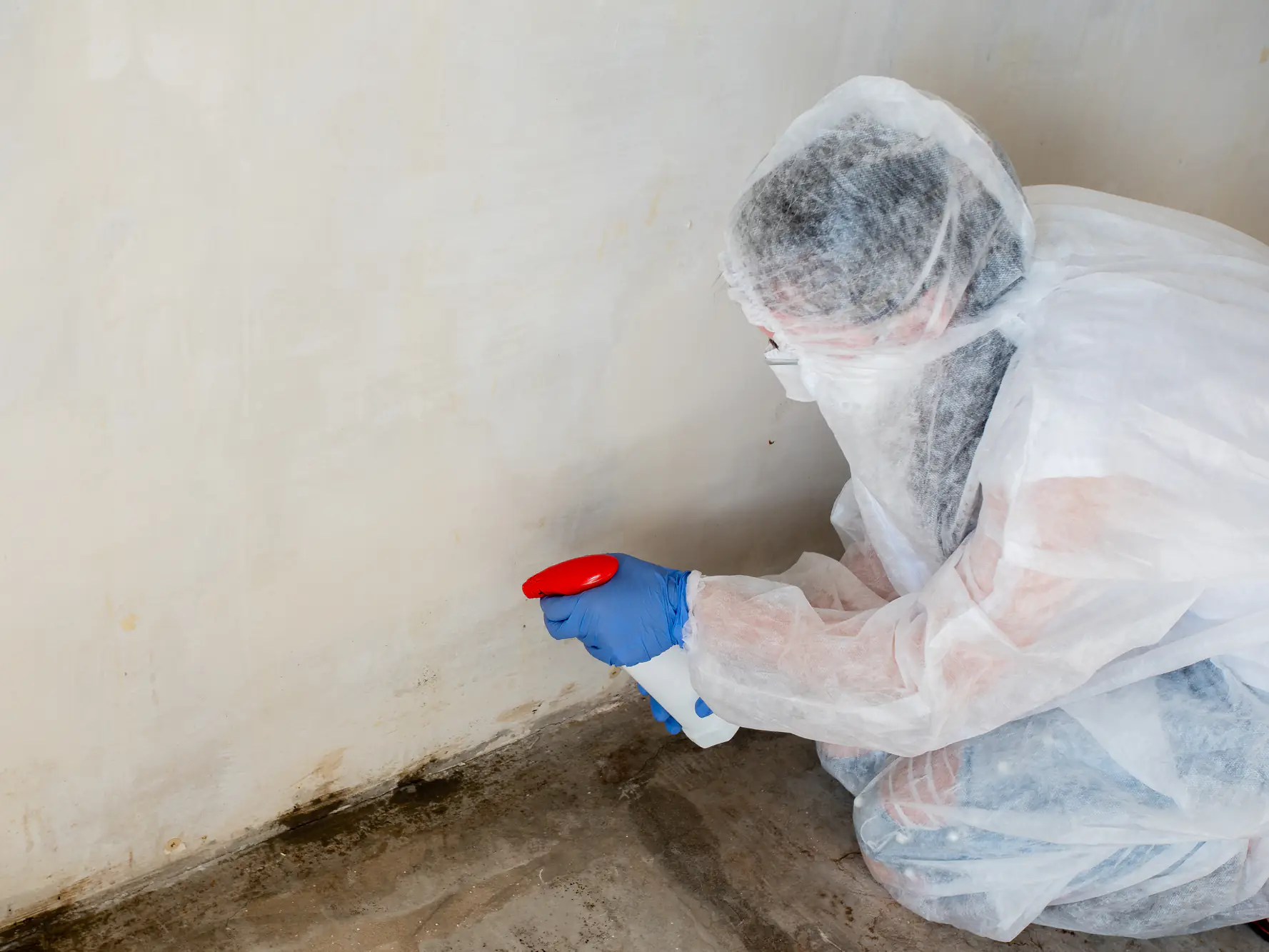
You had the mold removed. The crew came, containment went up, and a few days later they reported that everything looked good. Why do you still suffer from headaches? Why does your child keep experiencing respiratory flare-ups? Why does that one room still feel wrong?
Here is a fact most people fail to discover until after remediation: mold removal and mycotoxin removal are two entirely different things. Mycotoxins represent the toxic chemical byproducts produced by certain molds, and unlike mold spores, they do not get swept up and bagged. They stay behind on surfaces, inside walls, and especially within your air ducts.
This guide is designed for Bucks County homeowners who want to understand what they face, rather than simply receiving a cleanup quote.
What Are Mycotoxins And Why They Differ From Mold Spores
Mold spores are what most people picture: tiny particles floating through the air to land somewhere new and grow. Mycotoxins are something else entirely. They are chemical compounds produced by specific mold species as a byproduct of their own biology, functioning essentially as mold metabolic waste. Common culprit molds include Aspergillus, Penicillium, and Stachybotrys chartarum, commonly known as black mold.
This distinction matters in practice. You can kill a mold colony. You can remove contaminated drywall, bag it up, and dispose of it properly. Mycotoxins, however, are not living organisms. They do not die when the mold dies. Standard cleaners and disinfectants fail to neutralize them. Temperature extremes capable of killing mold frequently leave the leftover toxins completely unaffected.
That stubborn nature makes them difficult to address fully, explaining why so many people feel like remediation failed to fix the core problem.
What Does Mycotoxin Exposure Do To Your Health?
The symptom list for mycotoxin exposure is frustratingly broad, which partly explains why it frequently goes undiagnosed. Mild symptoms include persistent headaches, fatigue, a lingering cough, or generalized brain fog making concentration difficult. Some people develop skin rashes, watery eyes, or recurring sinus issues attributed mistakenly to seasonal allergies. Others experience nausea, dizziness, or unexplainable mood changes.
Higher or prolonged exposure levels trigger more serious effects. Research published in peer-reviewed medical literature establishes that certain mycotoxins are carcinogenic, genotoxic, and capable of damaging livers and kidneys. Documented evidence also points to neurological impacts, such as cognitive impairment, memory problems, and behavioral shifts, particularly in children. The early years of a child life represent a window of heightened vulnerability, and mycotoxin exposure during that developmental period links to respiratory illness and developmental disruption.
The challenge is that symptoms do not always point toward an obvious cause. Headaches and fatigue get blamed on stress. Respiratory issues get attributed to pollen. A child recurring illness gets treated symptom by symptom without anyone asking if the house itself serves as the source. If you experienced that cycle without resolution, mycotoxin exposure remains a legitimate possibility worth investigating.
Visible mold is not required to have a mycotoxin problem. The mold colony can be long dead, surfaces can look spotless, and mycotoxins can still remain present. That is simply how the chemistry operates, highlighting why testing is essential.
Why Bucks County, PA Homes Are Vulnerable To Mycotoxin Buildup
Bucks County features two distinct housing markets stacked together, each carrying unique moisture risks.
Lower Bucks County features Levittown-era homes. Post-World War II slab construction built rapidly at scale now approaches or exceeds 70 years of age. These homes were constructed without modern vapor barriers or drainage systems, and the slabs themselves hold moisture in ways that remain hidden from the surface. A wet basement event from five owners ago can still contribute to air quality problems today.
In Upper and Central Bucks County (Doylestown, New Hope, Quakertown, Perkasie), housing stock leans older and often historic: stone farmhouses and frame colonials standing for well over a century. These properties predate modern building codes, trapping moisture within walls, crawl spaces, and stone foundations. Because many sit within or near floodplain zones along the Delaware River or Neshaminy and Tohickon Creeks, they carry moisture histories spanning decades and multiple owners.
Climate data from Penn State MARISA program confirms that heavy rainfall in Bucks County, PA increases in frequency and intensity, with annual rainfall projected to rise by two to four inches over coming decades compared to historical averages. More rain increases moisture intrusion events, which in turn fuels more mold growth. Unaddressed or incompletely addressed mold leads directly to increased mycotoxin accumulation.
Combining aging housing stock with a wetter climate creates a growing problem for Bucks County homeowners, proving that standard mold removal alone is insufficient.
How Air Ducts Spread Mycotoxins Throughout Your Home
Many homeowners learn this detail only after the fact. Even when mold undergoes proper containment and removal from a specific zone, such as a basement, crawl space, or wall cavity, home air ducts can capture mycotoxins and redistribute them into every room. Your HVAC system remains blind to clean versus contaminated air, moving whatever particles populate the system.
This dynamic proves why air duct cleaning cannot be treated as optional or separate from mycotoxin remediation; they form components of the same problem. If your ducts operated through or near contaminated zones during mold events, mycotoxin-laden particles likely circulate through living spaces whenever the system runs. Treating the source while ignoring the distribution network resembles patching a pipe while leaving the water running.
How Do You Know If Your Air Ducts Have A Mycotoxin Problem?
A frequent question we receive is how to identify mycotoxin issues, and the honest answer is that visual checks are rarely enough. Mycotoxins are invisible to the naked eye, lack distinct odors, and unlike mold growth that appears as discoloration inside vents, mycotoxin contamination leaves no obvious calling card.
Instead, observe patterns. If household symptoms like respiratory issues, headaches, or fatigue intensify while the HVAC runs, that serves as a meaningful signal. If family members in different rooms experience similar symptoms that ease outdoors or away from home, that provides another indicator. These observations justify professional air quality evaluations.
Professional testing remains the sole reliable method for confirming mycotoxin contamination within ductwork. Air and surface samples taken in and around the HVAC system get analyzed by independent laboratories. Visual inspections fall short because mold and mycotoxins often hide within inaccessible duct areas requiring specialized equipment and training.
Understanding the limitations of standard duct cleaning is also vital. Routine duct cleaning extracts dust, debris, and occasionally mold spores. Mycotoxin remediation inside ductwork requires a targeted process, demanding knowledge of concentration zones, appropriate treatment agents, and criteria for replacing insulated ductwork rather than cleaning it. These distinct services require specialized expertise.
Does Bleach Kill Mycotoxins? What Works And What Fails
Addressing the bleach question directly is crucial because it persists as a common misconception. Bleach fails to kill mycotoxins. While it lightens the surface appearance of mold to create a false impression of cleanliness, dried bleach residue can serve as a nutrient source for future mold regrowth. Furthermore, bleach leaves the produced and absorbed mycotoxins untouched.
Painting over mold shares similar flaws, offering a cosmetic fix trapping spores and moisture beneath surfaces, thereby fueling continued growth and mycotoxin production out of sight.
Effective remediation combines proper containment, physical removal of contaminated materials, HEPA filtration throughout the process, targeted surface treatments using appropriate agents, and post-remediation air quality testing to verify successful completion. For mycotoxin concerns, this protocol must extend to the HVAC system rather than stopping at visible mold sites.
Professional credentials also matter tangibly. The IICRC S520 serves as the national standard for professional mold remediation, referenced across state licensing requirements and major insurance evaluations. Following S520 protocols ensures proper containment before work starts, appropriate protective equipment, correct bagging and disposal of contaminated materials, and verification testing upon completion. This standard provides documented proof distinguishing thorough remediation from surface-level cleaning.
Harrington Hardwood Floors and Mack’s Mold Removal bring decades of experience to Bucks County, holding IICRC and MICRO certifications (MICRO represents the largest mold training organization nationally) while utilizing EPA-approved methods and eco-friendly products. We inspect hidden spaces like wall cavities, crawl spaces, and moisture pockets behind finished surfaces where mycotoxin problems originate.
What To Do If You Suspect Mycotoxin Exposure In Your Bucks County Home
If your home exhibits unresolved symptoms, recurring family illnesses, or musty odors accompanying HVAC operation, address the situation promptly. Mycotoxins persist independently, and running contaminated air systems continuously distributes toxic compounds more deeply throughout living areas.
Begin with a comprehensive professional inspection exceeding surface levels. Look for professionals willing to check crawl spaces, evaluate wall cavities, inspect HVAC equipment, and utilize air testing to identify underlying contaminants. Remediation plans must encompass both source zones and distribution systems, supported by post-remediation verification testing.
Homeowners in Bucks County, PA seeking direct answers regarding indoor air quality can contact Mack’s Mold Removal for a free quote, receiving responses within 24 to 48 hours.