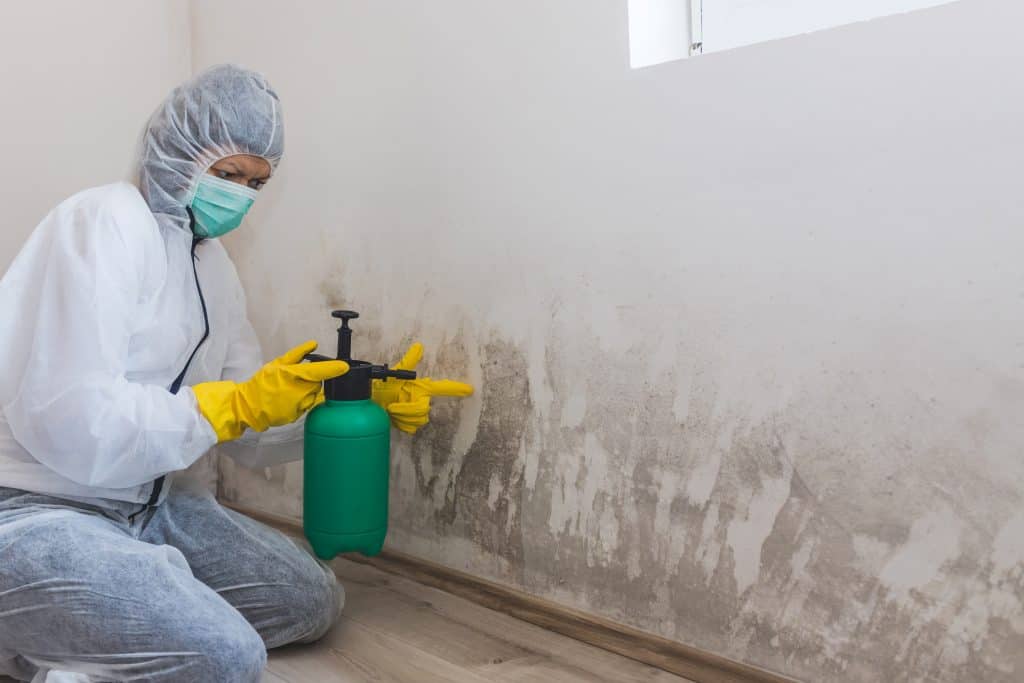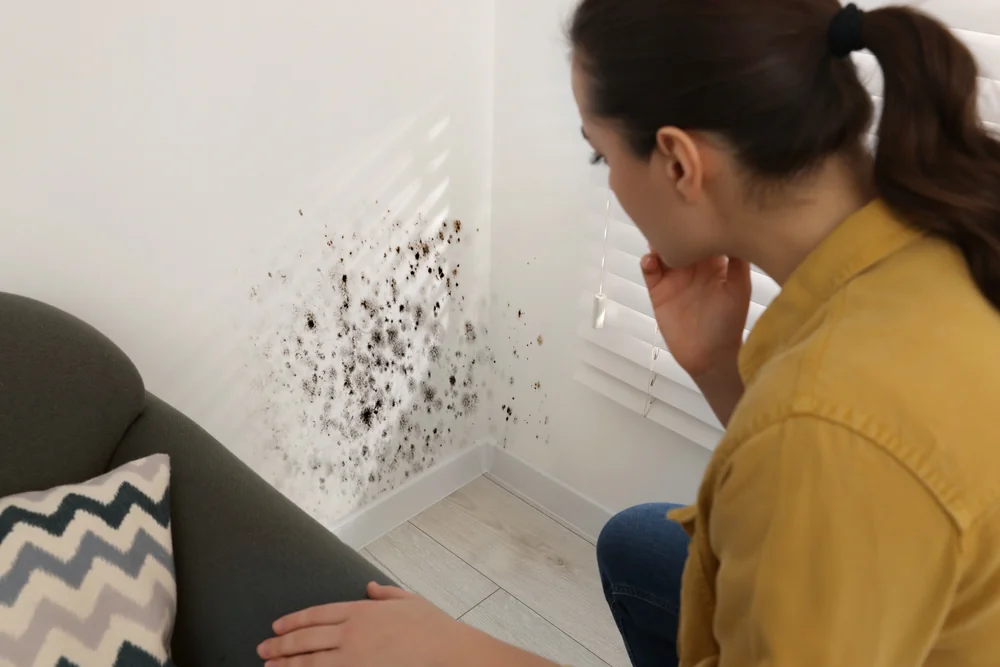
You notice it first when the heat kicks on in October. That faint, musty smell sits somewhere between a wet basement and something you cannot quite name. You check the obvious spots. Nothing visible appears. Yet the smell keeps returning, alongside the headaches, the stuffy nose, and the nagging feeling that something in your home is not quite right.
Here is what most people fail to realize: your duct system connects every room in your house. Whatever lives inside it, including dust, debris, and mold spores, gets distributed everywhere every time your HVAC runs. In Bucks County, where humidity runs high and a significant portion of the housing stock dates back to the mid-twentieth century, that scenario is not a hypothetical. It is a common reality.
Let us explore what happens inside those ducts and discuss the steps required to address it.
What Air Duct Cleaning Accomplishes And Why It Matters For Mold
Air duct cleaning represents the process of removing accumulated contaminants from inside your HVAC system, covering the supply ducts, return ducts, air handler, and coils that together circulate air through your home. Done properly, the service involves far more than a quick vacuum of visible vents. It functions as a full-system process using negative air pressure equipment to physically extract debris from duct walls rather than merely blowing it around.
The reason this matters specifically for mold is straightforward. Mold spores are microscopic and airborne. If mold grows anywhere near your duct system (in a basement, a crawl space, or behind a wall), those spores get drawn in and redistributed throughout the house. Every room turns into a potential landing zone. That problem extends beyond basic cleaning into contamination, demanding a higher level of professional expertise to resolve.
Can Mold Grow Inside Air Ducts?
Yes, and in Bucks County climate, it happens more frequently than most homeowners expect. The county averages around 41 inches of rainfall annually, and Penn State MARISA climate research documents that heavy rainfall events increase in both frequency and intensity across the region, contributing directly to flash flooding, moisture intrusion, and indoor air quality problems.
When water finds its way into a crawl space or basement, which occurs regularly in homes throughout Lower Bucks, it refuses to stay put. Moisture migrates. It gets drawn into return air vents, condenses on duct walls and coil surfaces, and establishes the exact conditions mold needs to thrive.
Homes in Levittown and surrounding communities face a compounded version of this issue. Many of those properties date back to the late 1940s and 1950s, meaning their duct systems, even if partially updated, often run through crawl spaces and basements absorbing seasonal moisture for decades. Original construction failed to prioritize modern indoor air quality standards, and the aging infrastructure reflects that reality.
What makes mold in ducts particularly tricky is that external visibility is rare. It grows on interior duct surfaces, on coils, and inside the air handler, requiring camera inspection or professional assessment to evaluate properly. The musty smell accompanying system operation often serves as the first and only warning sign before physical symptoms begin appearing. By that stage, spores have already circulated widely.
The EPA remains clear on this point: if mold is present in your HVAC system, cleaning alone falls short. Underlying moisture conditions require simultaneous correction to prevent mold from returning. That reality makes our approach to air duct cleaning fundamentally different from general HVAC company offerings.
What Are Mycotoxins, And Why Should Bucks County Homeowners Care?
This topic shifts the conversation from inconvenient to genuinely critical. Certain mold species thriving in the damp, humid environments common to Bucks County basements and crawl spaces produce more than just spores; they generate mycotoxins. These toxic compounds are released during biological processes and remain small enough to travel through duct systems alongside spores.
Mycotoxin exposure links directly to fatigue, dizziness, respiratory irritation, and immune suppression. Because these symptoms lack dramatic and immediate obviousness, people frequently attribute them to seasonal allergies, stress, or general weariness, making them easy to overlook.
The reason this angle matters specifically for air duct cleaning is that most companies in the industry, focusing primarily on dust removal and HVAC efficiency, ignore mycotoxins entirely. They focus on debris. While debris removal is legitimate, it represents only a fraction of the issue. If mold existed in or near your duct system, the question extends past basic dust accumulation into biological contamination requiring specialized protocols.
This represents the exact gap we fill. We possess training to evaluate what populates your duct system rather than just inspecting surface elements. We understand the distinction between dust problems and mold problems, recognizing that proper resolution protocols differ significantly. For Bucks County homeowners navigating basement flooding, crawl space moisture, or prior mold remediation, understanding this distinction proves essential before hiring any service provider.
How To Evaluate Duct Cleaning Services And Avoid Scams
The Federal Trade Commission lists air duct cleaning as one of the most scam-prone categories in home services. A common scenario involves companies advertising extremely low pricing for whole-house cleanings, arriving with underpowered equipment, performing minimal work, and pressuring homeowners into expensive add-on charges for fabricated issues. This classic bait-and-switch happens frequently enough that numerous Bucks County homeowners have experienced it firsthand or know someone who has.
Healthy skepticism is completely justified, but it should never prevent you from evaluating your ducts when valid concerns arise. Success relies on recognizing legitimate service standards and asking proper questions before anyone steps foot on your property.
Signs Your Air Ducts In Bucks County Need Attention
Certain scenarios shift air duct cleaning from a low-priority maintenance item to an urgent priority. The most pressing trigger involves any historical presence of mold in the home. If mold underwent professional remediation in a basement, crawl space, or wall cavity while your HVAC system operated, a strong likelihood exists that spores entered the duct network. Cleaning the source without treating the distribution network leaves an incomplete fix that undermines past remediation expenses.
Beyond that, the EPA recommends duct cleaning when visible mold growth appears inside the system, vermin evidence is discovered, or heavy debris buildup visibly restricts airflow. In Bucks County climate, characterized by humid summers, damp basements, and intensifying rainfall events, those conditions occur more frequently than in drier regions. Recent flooding, pipe bursts, or roof leaks also warrant professional duct evaluations.
Additional reasonable triggers include purchasing older homes lacking maintenance history (common in Levittown, Bristol, and Lower Bucks communities where mid-century properties change hands regularly), completing major renovations generating heavy construction dust, or noticing persistent musty odors returning whenever your heating or cooling activates. Experiencing all these signs is unnecessary; noting any single indicator justifies a professional consultation.
Avoid scheduling services based solely on promotional mailers advertising suspicious flat rates. Reputable providers inspect systems prior to quoting. We utilize equipment capable of generating negative air pressure throughout entire networks, avoiding basic shop vacs near vents. Furthermore, we service complete systems, encompassing return ducts, air handlers, and coils, rather than stopping at supply vents visible from hallways.
What Certified Air Duct Cleaning Involves
The National Air Duct Cleaners Association (NADCA) establishes industry benchmarks for legitimate duct cleaning. Their ACR standard mandates source removal as the sole acceptable cleaning approach, requiring physical extraction of contaminants from duct networks using negative air pressure equipment and agitation tools rather than displacement or deeper system distribution. Compliant companies clean full systems (supply ducts, return ducts, air handlers, and coils) and furnish documentation detailing findings before and after project execution.
When managing mold concerns rather than basic dust accumulation, professional credentials carry even greater weight. Institute of Inspection, Cleaning and Restoration Certification (IICRC) credentials represent the gold standard for mold remediation and restoration tasks. American Council for Accredited Certification (ACAC) credentials validate indoor air quality specialists. These specialized qualifications extend far beyond generic HVAC certifications, proving rigorous training in mold identification, containment, antifungal treatments, and post-remediation verification steps.
We maintain IICRC, ACAC, and MICRO certifications, utilizing infrared cameras and moisture meters to detect issues missed by standard visual checks. Specialized equipment proves essential when the goal extends beyond cleanliness to ensuring biological contamination no longer circulates indoors. Before work commences, we evaluate your system condition so you possess complete clarity prior to authorizing any service.
For Bucks County homeowners hesitant to hire contractors due to trust concerns, complete transparency remains our priority. Providers willing to showcase duct contents before asking for commitments demonstrate professionalism built on integrity rather than pressure tactics.
Air Duct Cleaning In Bucks County: Recommended Next Steps
If your home carries a history of mold, moisture issues, or flooding, or if you live with persistent unexplained odors, your duct network deserves professional evaluation. Routine schedules matter less in Bucks County climate than recognizing how local environmental factors promote duct mold growth. Unaddressed consequences, such as circulating spores, mycotoxin exposure, and incomplete remediation, present genuine risks.
Fortunately, finding a solution remains straightforward. It begins with an honest evaluation from specialists understanding both mold biology and indoor air quality dynamics. That expertise defines our service model.
Anyone seeking answers regarding home air quality or wishing to discuss professional assessment options can contact Mack’s Mold Removal, proudly serving Bucks County homeowners for over 15 years. Reach out for straightforward guidance grounded in professional expertise.