
Hear from Our Customers
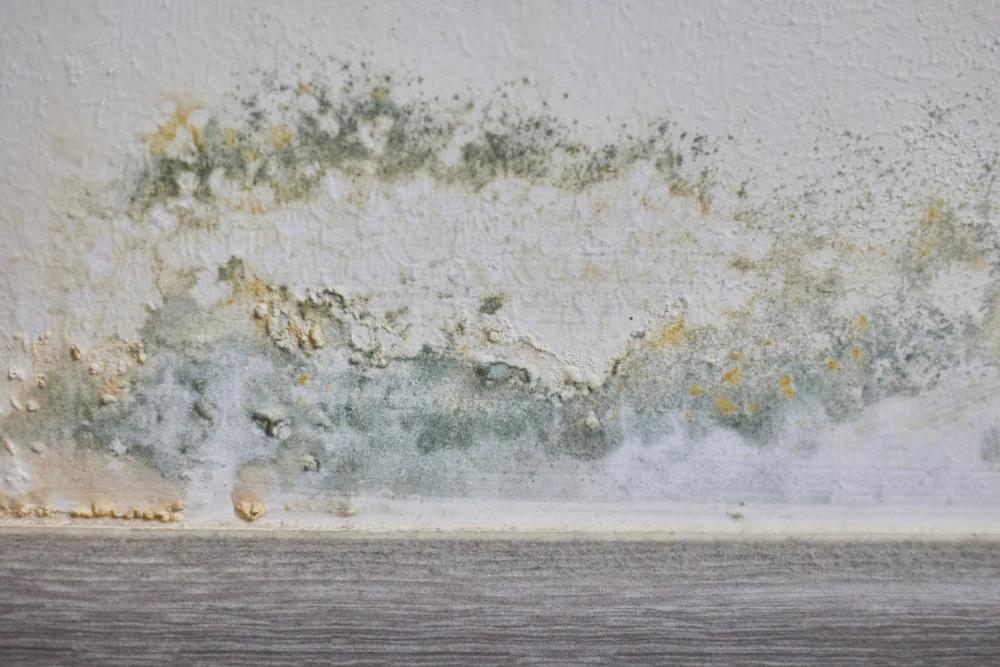
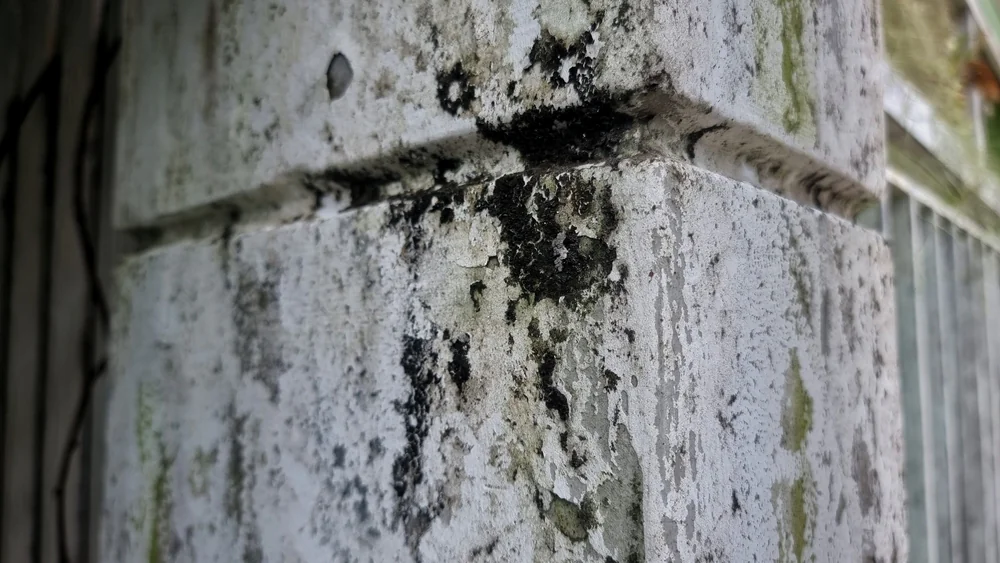
Mold doesn’t just sit there. It spreads through spores you can’t see, moving from room to room every time air circulates. That’s why scrubbing the surface or spraying bleach doesn’t work.
Real mold mitigation means finding where the moisture is coming from, sealing off the affected area so spores don’t travel, and removing contaminated materials the right way. Then we dry everything out, treat what’s left, and verify the air quality before calling it done.
What you’re left with is a home that’s actually safe to breathe in. No musty smell. No black spots creeping back in a few weeks. Just clean air and the confidence that the problem’s handled.
Warminster homes deal with mold more than most people realize. The humid summers, older construction, and basements that were never meant to stay dry create the perfect conditions for growth. We’ve seen it in crawl spaces, behind drywall, under flooring, and in attics where condensation builds up all winter.
We work with homeowners across Bucks County who need more than a quick fix. We use moisture meters and infrared cameras to find problems you can’t see, and we don’t leave until the source is fixed and the air quality passes testing.
We also work directly with insurance companies, so if you’re filing a claim, we know what documentation they need and how to make the process easier on your end.
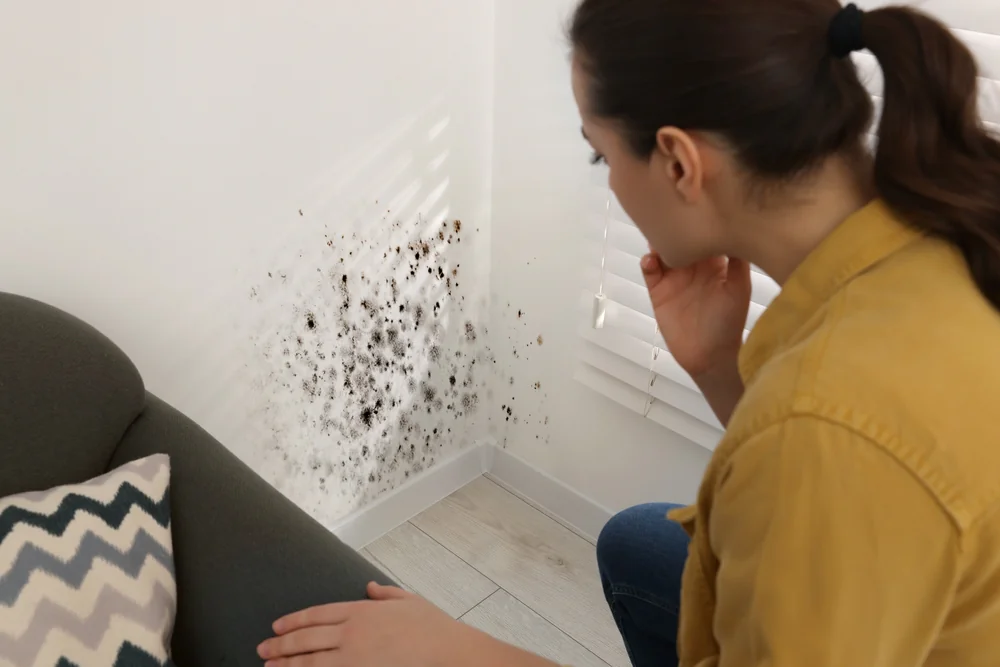
We start with a free inspection. That means checking moisture levels, using infrared cameras to see behind walls, and identifying where the water is coming from. If there’s a leak, poor ventilation, or humidity problem, we find it.
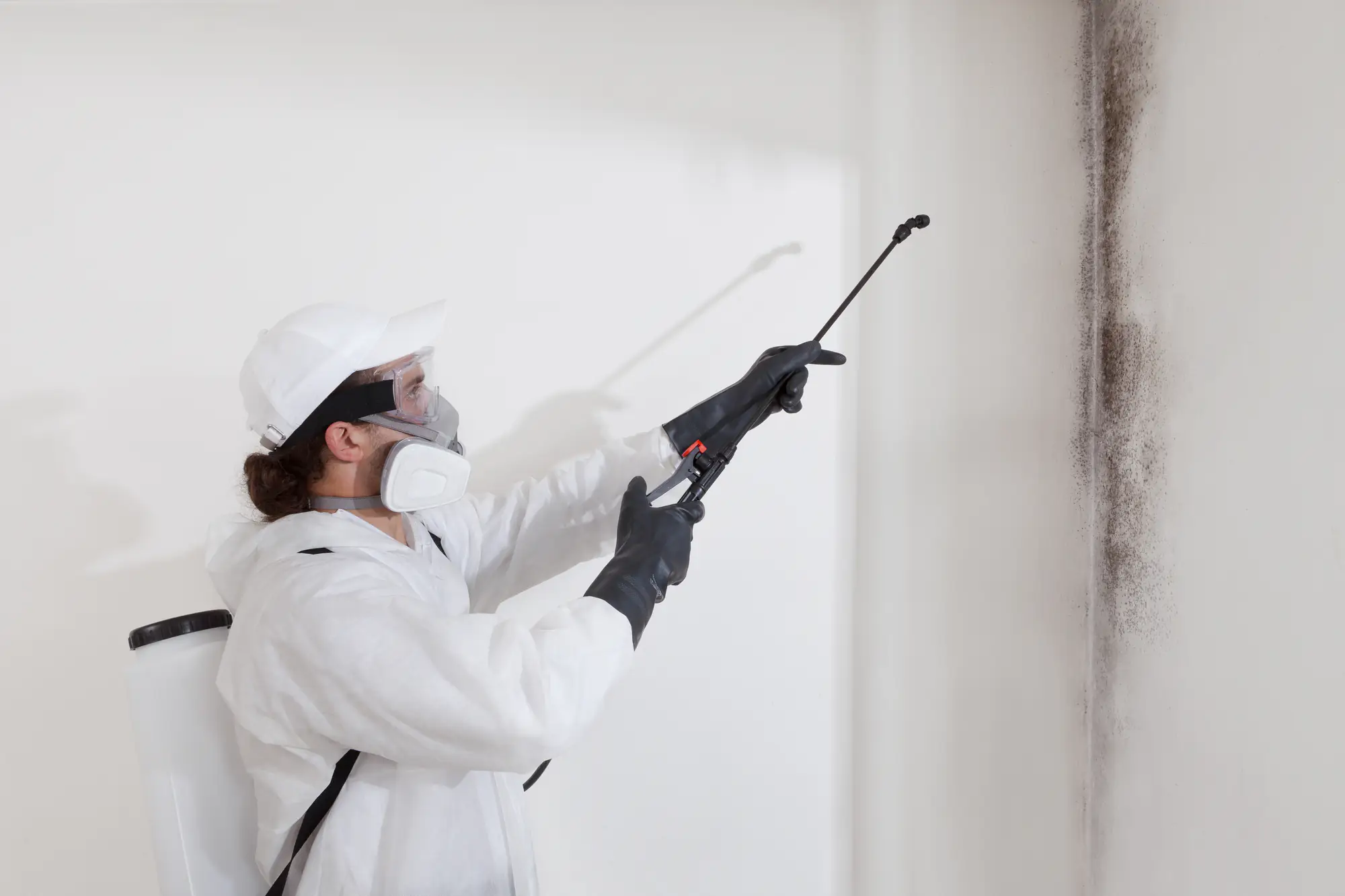
Once we know what we’re dealing with, we seal off the area with physical barriers and set up negative air pressure so spores don’t spread to other rooms. Then we remove any materials that are contaminated—drywall, insulation, flooring—whatever can’t be saved.
After removal, we treat the area with antimicrobial solutions and dry everything out using industrial dehumidifiers. We don’t move on until moisture levels are back to normal. Finally, we run air quality tests to make sure the space is safe, and we give you a full report with lab results and photos for your records or insurance claim.
Ready to get started?
Mold mitigation isn’t the same as mold removal. Removal means taking out what you can see. Mitigation means stopping it from spreading, fixing what caused it, and making sure it doesn’t come back.
In Warminster, that usually means dealing with basement moisture, crawl space humidity, or attic condensation. Homes built decades ago weren’t designed with the kind of ventilation or moisture barriers we use today, so water gets trapped in places you’d never think to check.
Our service includes containment with HEPA filtration, removal of contaminated materials, treatment of affected surfaces, moisture control, and post-job air quality testing. We also help with insurance documentation, because most claims get denied when homeowners don’t have the right proof or wait too long to report the problem.
If the issue is tied to a roof leak, plumbing failure, or HVAC condensation, we’ll identify it and recommend the fix. Mold mitigation only works if the moisture source gets handled at the same time.
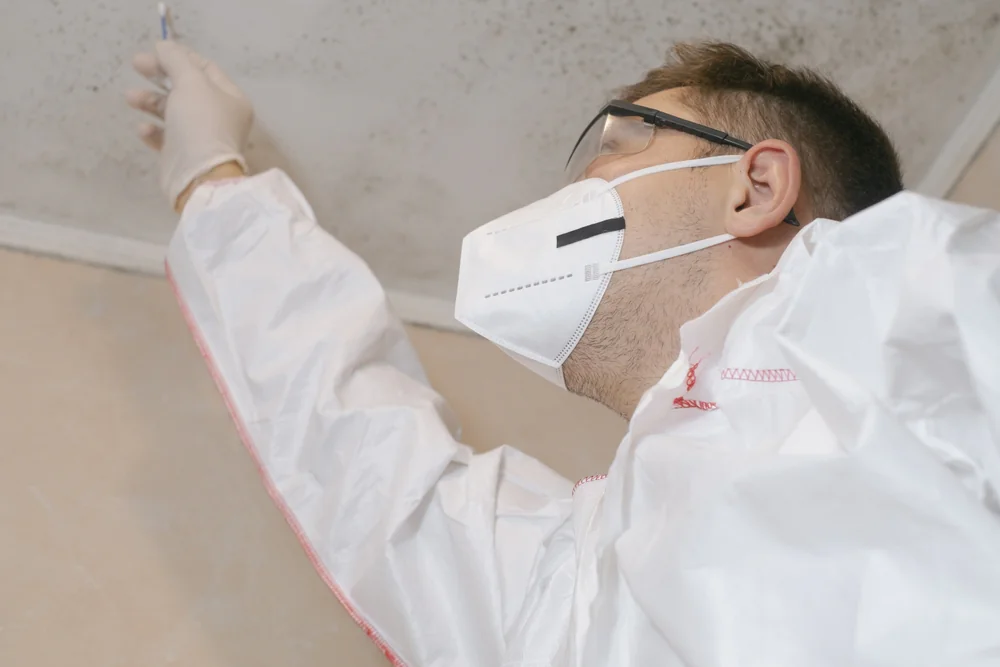
It depends on how much mold there is and where it’s growing. A small bathroom or closet might take two to three days. A basement or crawl space with widespread contamination can take a week or more.
The timeline includes inspection, containment setup, removal of affected materials, drying, treatment, and air quality testing. We don’t rush any of those steps because skipping one means the mold comes back.
Most of the time is spent drying things out. Even after we remove contaminated drywall or insulation, the studs and subfloor need to hit safe moisture levels before we can seal everything back up. That’s not something you can shortcut.
Sometimes. It depends on what caused the mold and how your policy is written. If the mold resulted from a sudden event like a burst pipe or roof leak, there’s a good chance it’s covered. If it’s from long-term neglect or a chronic moisture problem you didn’t address, probably not.
Insurance companies want documentation. That means photos, moisture readings, and a clear timeline showing the mold came from a covered peril, not from ignoring a leaky basement for two years.
We work with adjusters in Bucks County regularly, so we know what they’re looking for. We can document everything during the inspection, provide a detailed estimate, and communicate directly with your insurance company if needed. That doesn’t guarantee approval, but it helps your case.
Usually, yes—but not always. If the mold is contained to one area like a bathroom or basement, and we can seal it off properly, the rest of your home stays safe. You might hear equipment running and smell cleaning agents, but you won’t be exposed to spores.
If the contamination is widespread or affects your HVAC system, it’s smarter to stay somewhere else for a few days. Once spores get into ductwork, they circulate through every room, and containment becomes a lot harder.
We’ll tell you upfront during the inspection whether it’s safe to stay or not. If you have young kids, elderly family members, or anyone with respiratory issues, we usually recommend leaving even for smaller jobs. Better safe than sorry.
They’re mostly the same thing, and a lot of companies use the terms interchangeably. Technically, remediation means bringing mold levels back to normal—because mold spores exist everywhere, and you can’t eliminate them completely. Mitigation focuses on reducing the damage and preventing future growth.
In practice, both involve the same process: inspection, containment, removal, treatment, and prevention. The goal is to get your home back to a safe, livable condition where mold isn’t actively growing or spreading.
What matters more than the terminology is whether we’re fixing the moisture problem that caused the mold in the first place. If we’re not addressing the leak, ventilation issue, or humidity source, you’re just paying for temporary relief.
If the affected area is smaller than 10 square feet, you’re not dealing with black mold, and you know exactly what caused the moisture, you might be able to handle it yourself with proper safety gear and cleaning products. Anything bigger than that, and you’re risking your health and your home.
The problem with DIY mold removal is containment. The second you start scrubbing or tearing out materials, you release spores into the air. Without negative air pressure and HEPA filtration, those spores spread to other rooms and start new colonies.
Professional mold mitigation also includes finding hidden growth. Mold behind walls, under flooring, or in crawl spaces doesn’t show up until it’s already a major problem. We use moisture meters and infrared cameras to catch it early, which saves you money and prevents bigger damage down the road.
Moisture. Every time. Mold needs water to grow, so if the source of moisture isn’t fixed, it doesn’t matter how much mold you remove—it’ll be back in a few weeks.
Common causes in Warminster include basement seepage, crawl space humidity, roof leaks, plumbing failures, and poor attic ventilation. A lot of older homes also have inadequate vapor barriers, so moisture from the ground works its way up through the foundation.
The other issue is incomplete removal. If contaminated materials get left behind or the area doesn’t get dried out properly, dormant spores reactivate as soon as conditions are right. That’s why professional mold mitigation includes moisture control, thorough drying, and post-job testing to confirm everything’s actually fixed.