
Hear from Our Customers
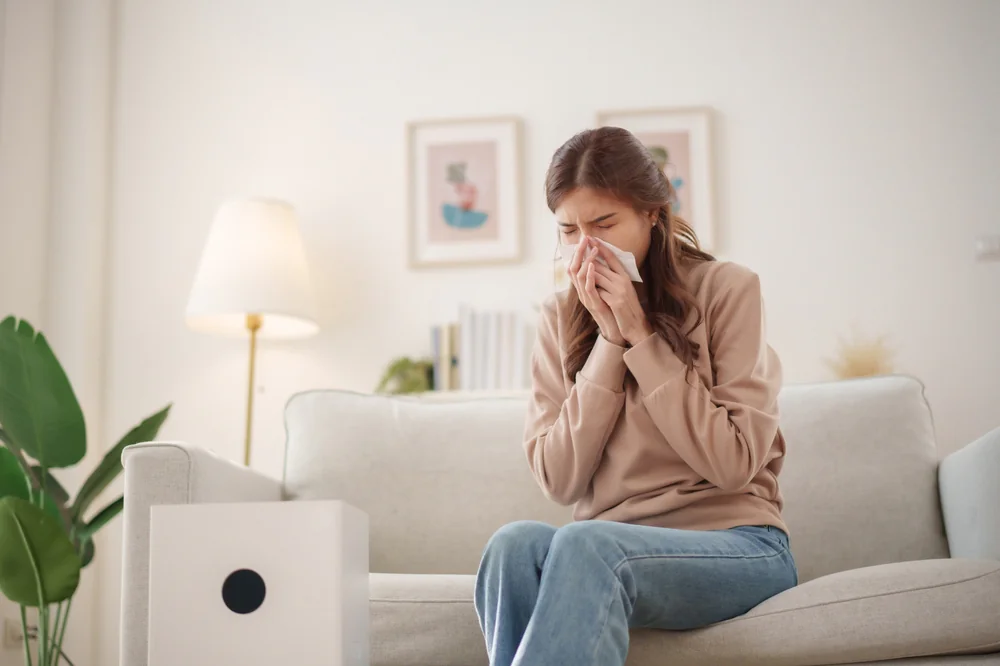
You’re dealing with unexplained allergies, respiratory issues that won’t quit, or that musty smell you can’t track down. Maybe you’re buying a home in Warminster and need documentation before closing. Or you just finished mold remediation and need proof the problem’s actually gone.
Home air quality testing tells you exactly what’s in your air. Not guesses. Not maybes. Actual lab results that identify mold species, spore concentrations, and whether your indoor environment is safe.
Most people wait until someone gets sick. That’s expensive. Residential air quality testing catches problems early—before they spread through your HVAC system, before remediation costs hit five figures, before your home value drops 20% because buyers find out during inspection.
The test itself takes a few hours. You get a detailed report within a week. Then you know whether you need remediation, or if you can finally stop worrying.
We’ve been testing air quality in Warminster and throughout Bucks County for years. We’re not the company selling you remediation—we’re the company telling you if you actually need it.
That independence matters. When your results come from us, you know they’re unbiased. We use EPA-approved methods and work with accredited labs that insurance companies and real estate attorneys actually accept.
Warminster’s older homes and humid Pennsylvania summers create perfect conditions for mold growth. We know exactly where to look in local properties—basements, crawl spaces, areas around windows where moisture builds up. We’ve seen what happens when problems go undetected, and we’ve helped hundreds of homeowners get ahead of issues before they become expensive disasters.
First, we walk through your home and identify areas of concern. We’re looking for visible mold, water damage, humidity issues, and spots where air quality problems typically develop. This isn’t a quick glance—we use infrared cameras and moisture meters to check areas you can’t easily access.
Then we collect air samples from multiple locations. We test both indoor and outdoor air because you need a baseline for comparison. The samples go to a certified laboratory where they’re analyzed for mold species, spore counts, and concentration levels.
You get a detailed written report within a week. It breaks down exactly what was found, where the problems are, and what the results mean for your health and your home. If remediation is needed, you’ll know the scope of the problem before you spend a dollar. If your air quality is fine, you get peace of mind and documentation you can use for real estate transactions or insurance purposes.
The whole process typically takes one to three hours on-site. We’re not disruptive. We don’t tear anything apart. We just give you accurate information so you can make informed decisions.
Ready to get started?
A mold air test from us includes comprehensive sampling of your indoor environment. We check for mold spores, but also VOCs, humidity levels, and other airborne contaminants that affect your health. You’re not getting a DIY kit that gives you vague results—you’re getting lab analysis that identifies specific species and their concentrations.
Warminster homes face unique challenges. The area’s humidity and older housing stock mean basements and crawl spaces need special attention. We know local building styles and where problems typically develop in Bucks County properties. That local knowledge means we don’t miss the spots where mold actually grows.
Your report includes clear documentation that meets industry standards. If you’re buying or selling a home, this matters. Pennsylvania disclosure laws require sellers to inform buyers about known mold issues. Professional testing protects both parties. If you’re dealing with insurance claims, most companies require clearance testing before they’ll consider a claim resolved.
You also get straightforward answers. We explain what the results mean in plain language. If you need remediation, we’ll tell you. If your air quality is fine, we’ll tell you that too. No upselling. No scare tactics. Just honest assessment based on lab results.
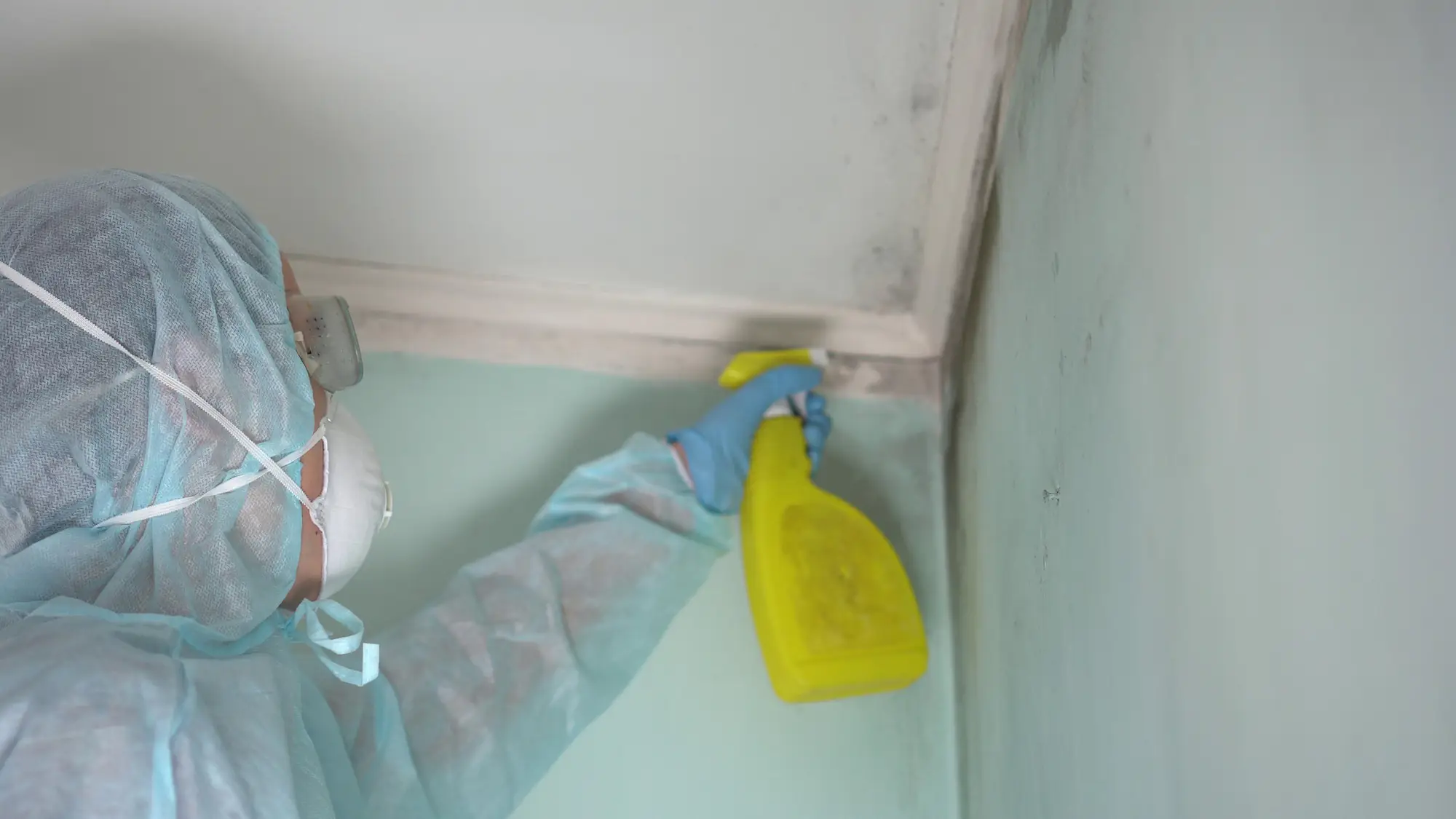
Professional air quality testing in Warminster typically runs between $300 and $800, depending on the size of your home and how many samples you need. That’s not cheap, but compare it to the alternative.
Undetected mold can cost $3,000 to $20,000 in remediation if it spreads. It can drop your home value by 20-37% if buyers find out during inspection. Early detection through testing saves you thousands compared to dealing with extensive contamination later.
DIY test kits cost $10 to $50, but they won’t give you the accuracy or documentation you need for real estate transactions or insurance claims. They’re not accepted by attorneys, insurance companies, or remediation contractors. If you need results that actually matter, professional testing is the only option that works.
The actual testing takes one to three hours, depending on your home’s size and layout. We’re collecting samples from multiple locations, checking moisture levels, and documenting areas of concern.
You’ll get your detailed lab results within two to ten days. Most reports come back within a week. The lab is analyzing your samples for specific mold species and spore concentrations—that takes time to do correctly.
If you’re facing a real estate closing deadline, let us know upfront. We can often expedite results for time-sensitive situations. But rushing the process doesn’t help anyone if the results aren’t accurate. The timeline exists because proper analysis takes time.
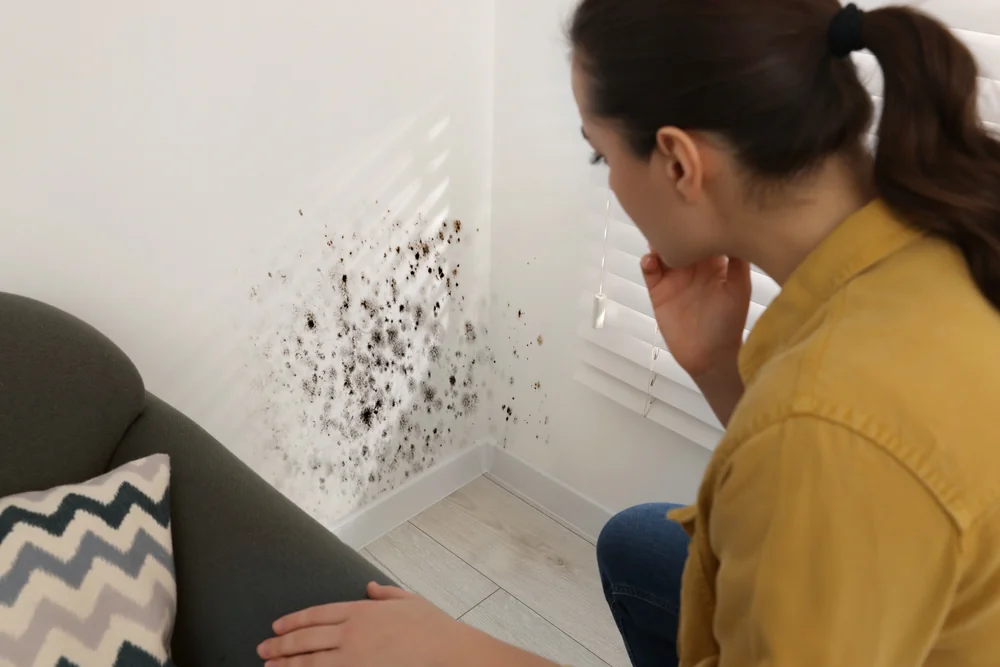
Mold grows in hidden areas all the time. Behind walls. Under flooring. In HVAC ducts. You won’t see it, but it’s still affecting your indoor air quality and your family’s health.
If you’re experiencing unexplained respiratory issues, allergies that won’t quit, or persistent musty odors, testing tells you whether mold is the cause. If you’ve had water damage—even if it was cleaned up—testing confirms whether mold developed afterward.
For real estate transactions, testing matters even more. Buyers want proof that previous issues were properly addressed. Sellers need documentation to avoid future liability. Pennsylvania disclosure laws are clear about mold—if you know about problems, you have to disclose them. Testing gives you definitive answers instead of assumptions.
A mold inspection is visual. We look for visible mold growth, water damage, and conditions that promote mold development. We use moisture meters and infrared cameras to find hidden problems. An inspection tells you where mold is likely growing.
Air quality testing is scientific. We collect air samples and send them to a certified lab for analysis. The lab identifies specific mold species, measures spore concentrations, and compares your indoor air to outdoor baseline levels. Testing tells you exactly what’s in your air and whether it’s at dangerous levels.
You often need both. The inspection finds the source. The testing measures the extent of contamination and confirms whether remediation was successful. For real estate transactions and insurance claims, testing provides the documentation you need. For peace of mind about your family’s health, testing gives you definitive answers instead of visual guesses.
It depends on your policy and the situation. If you’re testing because of a covered event—like a burst pipe or storm damage—many insurance policies will cover testing as part of the claim. If you’re testing for general concerns or pre-existing conditions, you’ll likely pay out of pocket.
Most insurance companies require clearance testing after remediation before they’ll consider a claim resolved. That testing is typically covered as part of the remediation process. Without it, your claim may not be fully approved.
Read your policy carefully or call your insurance company before scheduling testing. Ask specifically whether testing is covered under your circumstances. If it’s not covered, you’re still better off knowing what’s in your air than guessing and hoping for the best. The cost of testing is minimal compared to the cost of ongoing health issues or extensive remediation down the road.
Professional testing uses EPA-approved methods and certified laboratories. The equipment is calibrated. The technicians are trained. The results are detailed enough to identify specific mold species and their exact concentrations. That accuracy matters when you’re making decisions about remediation or real estate transactions.
DIY kits give you basic yes/no answers. They can’t tell you what type of mold you have, how much is present, or whether levels are actually dangerous. They’re not accepted by insurance companies, real estate attorneys, or remediation contractors. If you need documentation that actually holds up, DIY kits won’t cut it.
Professional testing costs more upfront, but it gives you results you can actually use. If you’re dealing with health concerns, property transactions, or insurance claims, accuracy isn’t optional. You need testing that meets industry standards and provides documentation that professionals will accept. That’s what you get with professional air quality testing—not guesses, not approximations, but actual lab results you can trust.