
Hear from Our Customers
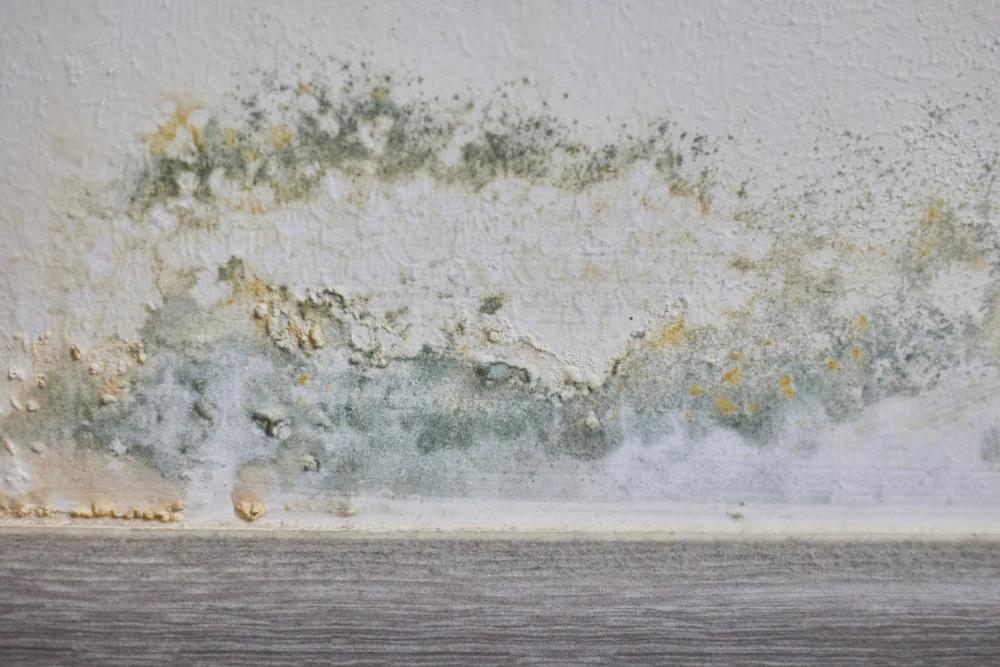
You’re dealing with a musty smell that won’t go away. Maybe you’ve spotted dark patches in the basement or around a window frame. Or someone in your house has been coughing more than usual, and you’re starting to wonder if it’s the air.
Mold mitigation isn’t just about scrubbing what you can see. It’s about identifying why mold is growing in the first place, eliminating the moisture problem, removing existing contamination, and preventing future growth. That’s the difference between a temporary fix and actually solving the problem.
Most homes in Doylestown were built decades ago, many before modern moisture control standards existed. Basements stay damp. Attics don’t breathe right. Pennsylvania’s humid summers create perfect conditions for mold to take hold fast. Once it starts, it spreads through spores you can’t see, traveling through your HVAC system and settling in places you’d never think to check.
Real mitigation means your family stops breathing contaminated air. It means you’re not masking odors or repainting over the same spots every year. It means you can sell your home without disclosure issues, or buy one without inheriting someone else’s problem.
We work throughout Doylestown and Bucks County because we understand what causes mold in older homes around here. We’ve seen the basements that flood every spring. The attics with poor ventilation. The crawl spaces that stay damp year-round.
We’re licensed and insured, and our team holds professional certifications in mold inspection and remediation. We use thermal imaging to find moisture you can’t see and send samples to independent labs so you know exactly what you’re dealing with. No guessing. No upselling services you don’t need.
You’ll get a detailed report within a week that explains what’s growing, where the moisture is coming from, and what it’ll take to fix it. Then we give you an upfront price before any work starts. If you’re working with insurance, we handle the documentation to make that process easier.
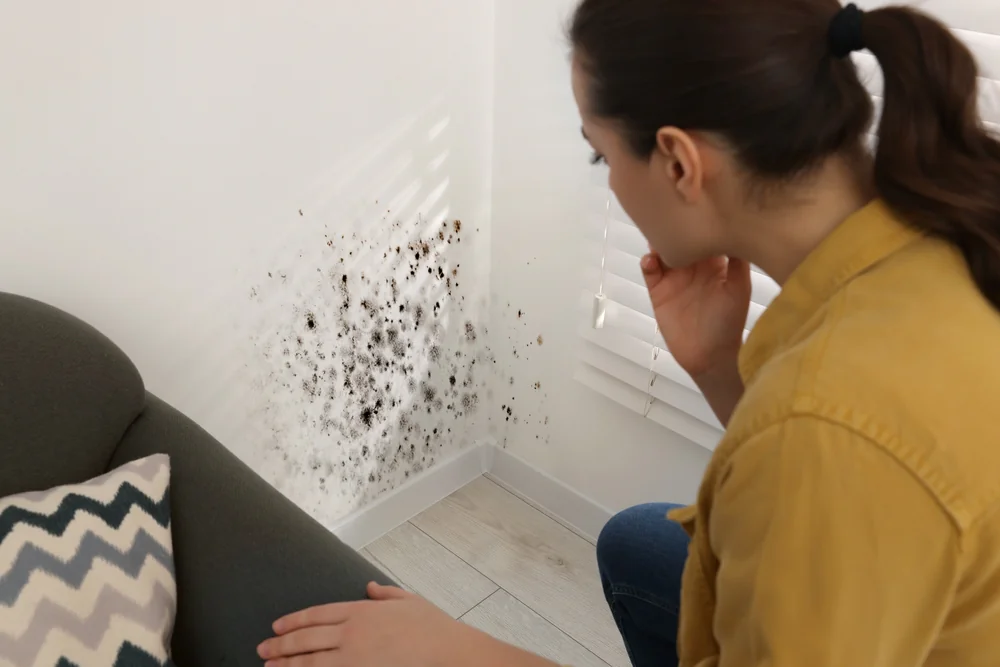
We start with a free inspection. That means walking through your home, checking moisture levels with specialized meters, and using infrared cameras to detect water intrusion behind walls or under floors. We take air samples and surface samples from multiple locations, then send them to an independent lab for analysis.
Within 3-7 days, you get a full report. It tells you what types of mold are present, at what concentration levels, and where the moisture is coming from. Could be a leaky pipe. Poor ventilation. Groundwater seeping through foundation cracks. We identify the root cause so you’re not just treating symptoms.
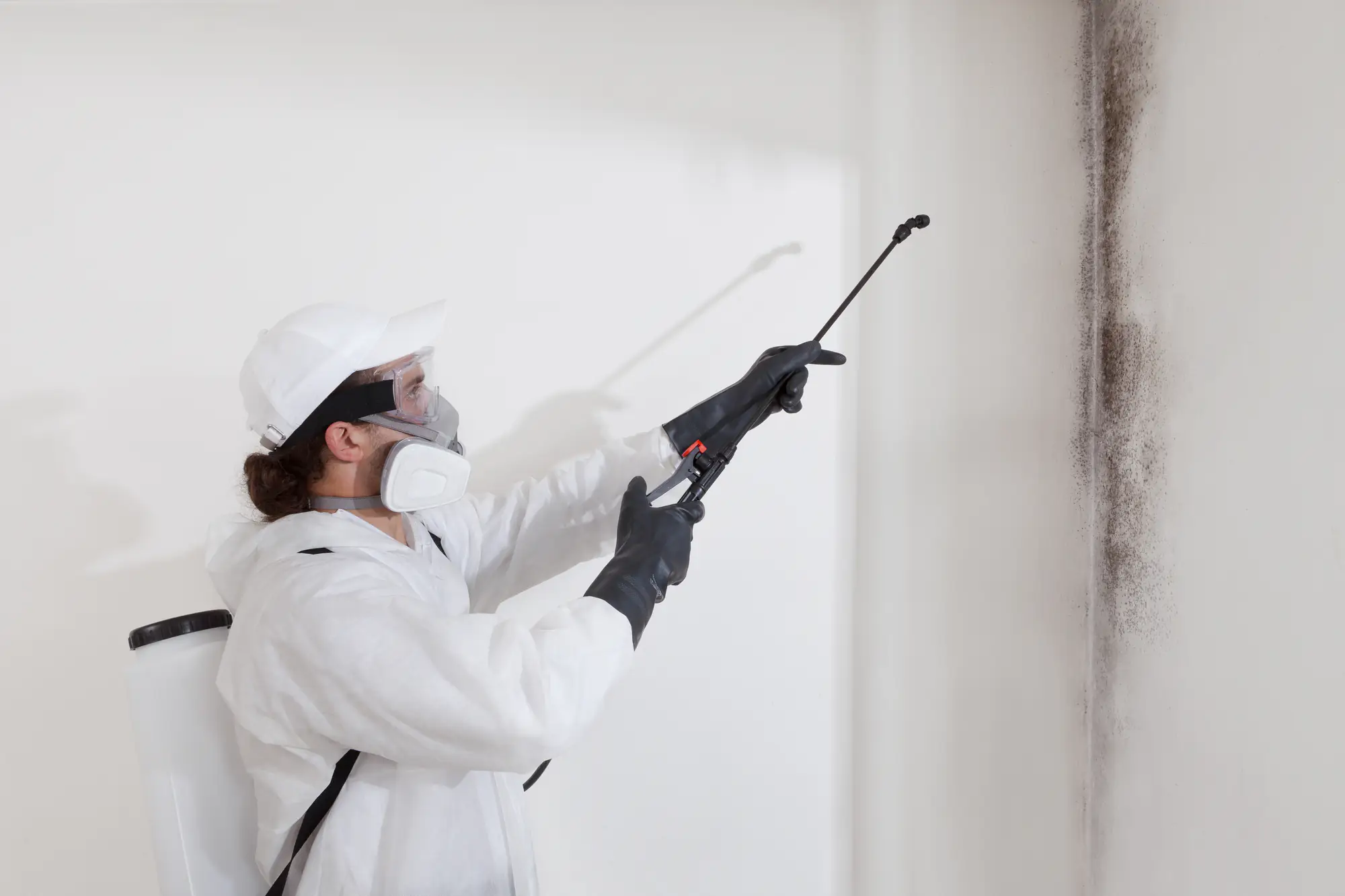
Once you approve the plan, we seal off the affected area with physical barriers and set up negative air pressure systems. That keeps spores from spreading to clean parts of your home during removal. We use HEPA vacuums and air scrubbers to capture microscopic particles from the air while we remove contaminated materials.
After removal, we fix the moisture source. Sometimes that means repairing leaks or improving drainage. Other times it’s installing dehumidifiers or upgrading ventilation. Whatever it takes to make sure the problem doesn’t come back. Then we verify the air quality with post-remediation testing so you know the job’s done right.
Ready to get started?
You get a thorough visual inspection of all accessible areas in your home, including basements, attics, crawl spaces, and anywhere water damage or moisture problems are likely. We use moisture meters and thermal imaging to detect hidden issues behind walls and under flooring.
Air quality sampling tells us if spore levels are elevated even when mold isn’t visible. Surface testing identifies exactly what types of mold are growing. All samples go to an independent laboratory, and you receive a detailed report with photos, findings, and severity ratings.
During mitigation, we set up containment barriers to isolate the work area. HEPA air scrubbers run continuously to filter airborne spores. We remove contaminated materials safely and dispose of them according to EPA guidelines. Non-porous surfaces get cleaned with antimicrobial treatments.
The moisture source gets fixed as part of the process. In Doylestown’s older homes, that often means addressing basement humidity, repairing foundation cracks, or improving attic ventilation. We install dehumidifiers when needed and make recommendations for preventing future problems. You also get help with insurance claims if your policy covers the damage.
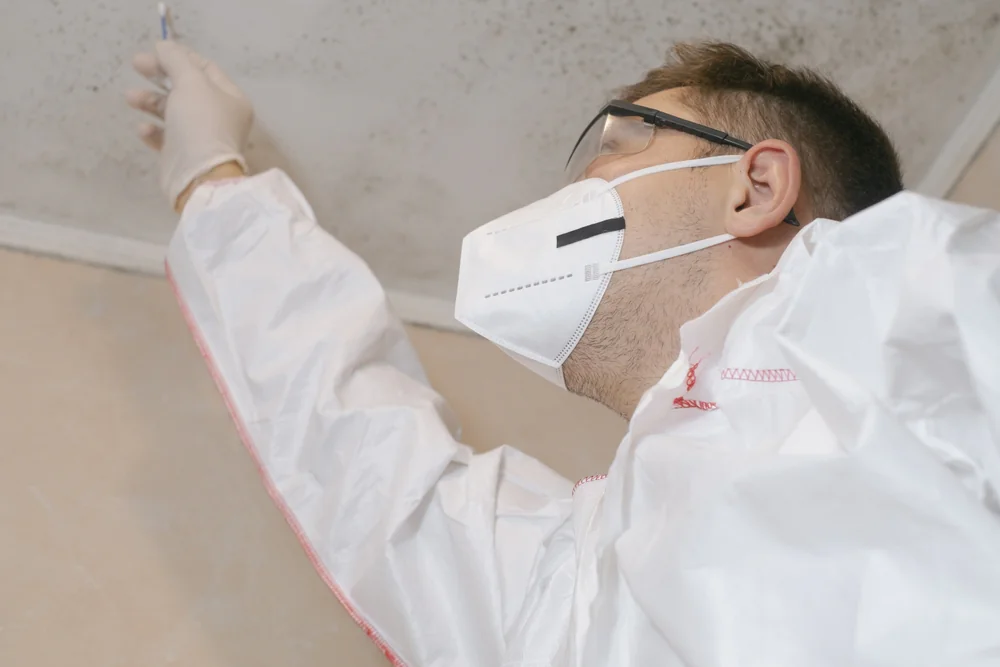
The terms get used interchangeably, but mitigation technically refers to reducing the severity of mold damage and preventing it from spreading, while remediation means removing it completely. In practice, most mold mitigation companies handle both.
The real question is whether the company addresses the moisture problem or just cleans what’s visible. Scrubbing mold off a surface without fixing the leak or humidity issue means it’ll grow back within weeks. You need someone who identifies why mold is growing in the first place, eliminates the moisture source, removes existing contamination, and takes steps to prevent future growth.
That’s what separates a real solution from a temporary fix. If someone quotes you for mold removal without mentioning moisture control or source repair, you’re not getting the full service. The mold will return, and you’ll pay twice.
If you see visible mold growth larger than a few square feet, you don’t need testing to know you have a problem. You need mitigation. Testing is useful when you smell something musty but can’t locate the source, when someone in your home has unexplained respiratory symptoms, or when you’re buying or selling a property and want documentation.
Testing is also smart after water damage, even if you don’t see mold yet. In Doylestown’s humid climate, mold can start growing within 24-48 hours of water intrusion. Catching it early means smaller remediation costs and less structural damage.
Air sampling detects elevated spore levels throughout your home, while surface sampling identifies specific mold types in problem areas. Both get sent to independent labs for analysis. You receive a report within a week that tells you exactly what’s present and at what concentration. Then you can make an informed decision about next steps instead of guessing.
It depends on how widespread the contamination is and what’s causing it. A small area in a bathroom might take 1-2 days. A finished basement with mold behind drywall could take a week or more, especially if we’re repairing foundation issues or installing drainage systems.
The inspection and testing phase takes 3-7 days because samples need laboratory analysis. Once we start physical mitigation, the timeline depends on the scope. Containment setup happens on day one. Removal of contaminated materials comes next. Then we address the moisture source, which might mean plumbing repairs, waterproofing, or ventilation improvements.
Drying and dehumidification can add several days, depending on how saturated materials are. We run air scrubbers throughout the process and do post-remediation testing to verify air quality before removing containment barriers. You’ll know the estimated timeline upfront based on what we find during inspection. We don’t drag jobs out, but we also don’t rush through steps that matter for your long-term results.
It depends on what caused the mold. Most policies cover mold remediation if it resulted from a sudden, accidental event like a burst pipe or roof leak from storm damage. They typically don’t cover mold from long-term neglect, maintenance issues, or flooding.
Pennsylvania insurance policies often have mold coverage limits, sometimes capped at $5,000 to $10,000 unless you purchased additional coverage. The key is documenting everything and filing your claim quickly. Insurance companies want to see that you took immediate action to prevent further damage after the water event.
We work with insurance companies regularly and can help with the documentation process. That includes detailed reports with photos, moisture readings, and scope of work. We’ll communicate directly with adjusters if needed. Even if your policy doesn’t cover the full cost, having professional documentation helps maximize whatever coverage you do have. Don’t wait to file thinking the problem might go away. Mold spreads fast, and delays give insurance companies reasons to deny claims.
Small areas under 10 square feet on non-porous surfaces can often be cleaned yourself with proper precautions. Anything larger, anything on porous materials like drywall or wood, or anything involving HVAC systems should be handled by professionals. Here’s why.
Disturbing mold releases millions of spores into the air. Without proper containment and air filtration, you spread contamination throughout your home. You also need to identify and fix the moisture source, or the mold returns within weeks. Most people don’t have thermal imaging cameras, moisture meters, or HEPA filtration equipment. They also don’t know how to safely remove contaminated materials without cross-contaminating clean areas.
Black mold mitigation especially requires professional handling because some species produce mycotoxins that cause serious health effects. You also risk structural damage if you don’t address the underlying moisture problem correctly. In older Doylestown homes, that often means foundation issues, poor drainage, or ventilation problems that require specific solutions. DIY cleaning might save money upfront, but it usually costs more when the problem comes back worse or when you damage materials that could have been saved with proper treatment.
Stop using any HVAC system that might be spreading spores through your home. If the mold is in one room, close the door and seal gaps with tape if possible. Don’t touch or disturb the mold because that releases spores into the air.
If there’s active water intrusion, stop it if you can safely do so. Turn off the water supply to a leaking pipe. Put a bucket under a roof leak. Move belongings away from the affected area. Take photos for insurance documentation before anyone touches anything.
Call us for an inspection. In Doylestown’s climate, mold spreads quickly once it starts, especially during humid summer months. The sooner you get containment and removal started, the less damage you’ll face and the lower your remediation costs will be. Don’t wait for the problem to grow or for health symptoms to worsen. Early action protects your home’s structure and your family’s health while keeping costs manageable.