

Hear from Our Customers
Most people wait too long. They dismiss the musty smell in the basement. They assume their kid’s cough is just seasonal allergies. They hope that dark spot near the window will go away on its own.
It usually doesn’t. And hoping isn’t a strategy when your family’s breathing it in daily.
Professional mold testing removes the uncertainty. You get lab-certified results that identify the specific mold species in your home, the concentration levels, and whether those levels pose health risks. Not a visual guess. Not a moisture reading. Actual data from an independent certified lab.
That matters when you’re trying to figure out if your symptoms are connected to your home. It matters when you need documentation for an insurance claim. And it definitely matters when you’re about to spend thousands on remediation and want to know you’re fixing the right problem.
Testing shows you what’s actually there, where it’s hiding, and how serious the issue is. Then you can make decisions based on facts instead of fear.
We work throughout Washington Square West and the surrounding Philadelphia area. We understand what happens to older homes in this climate—the humidity that settles into brick basements, the condensation that forms on plaster walls, the moisture that gets trapped in rowhouses with shared walls.
We’re not here to upsell you on services you don’t need. We test, we report, we explain what the results mean. If remediation is necessary, we’ll tell you. If it’s not, we’ll tell you that too.
You’ll work with certified specialists who use the same equipment and protocols required by Pennsylvania health regulations. Every sample goes to an independent lab. Every report includes clear next steps. No jargon. No pressure. Just straight answers about what’s happening in your home.
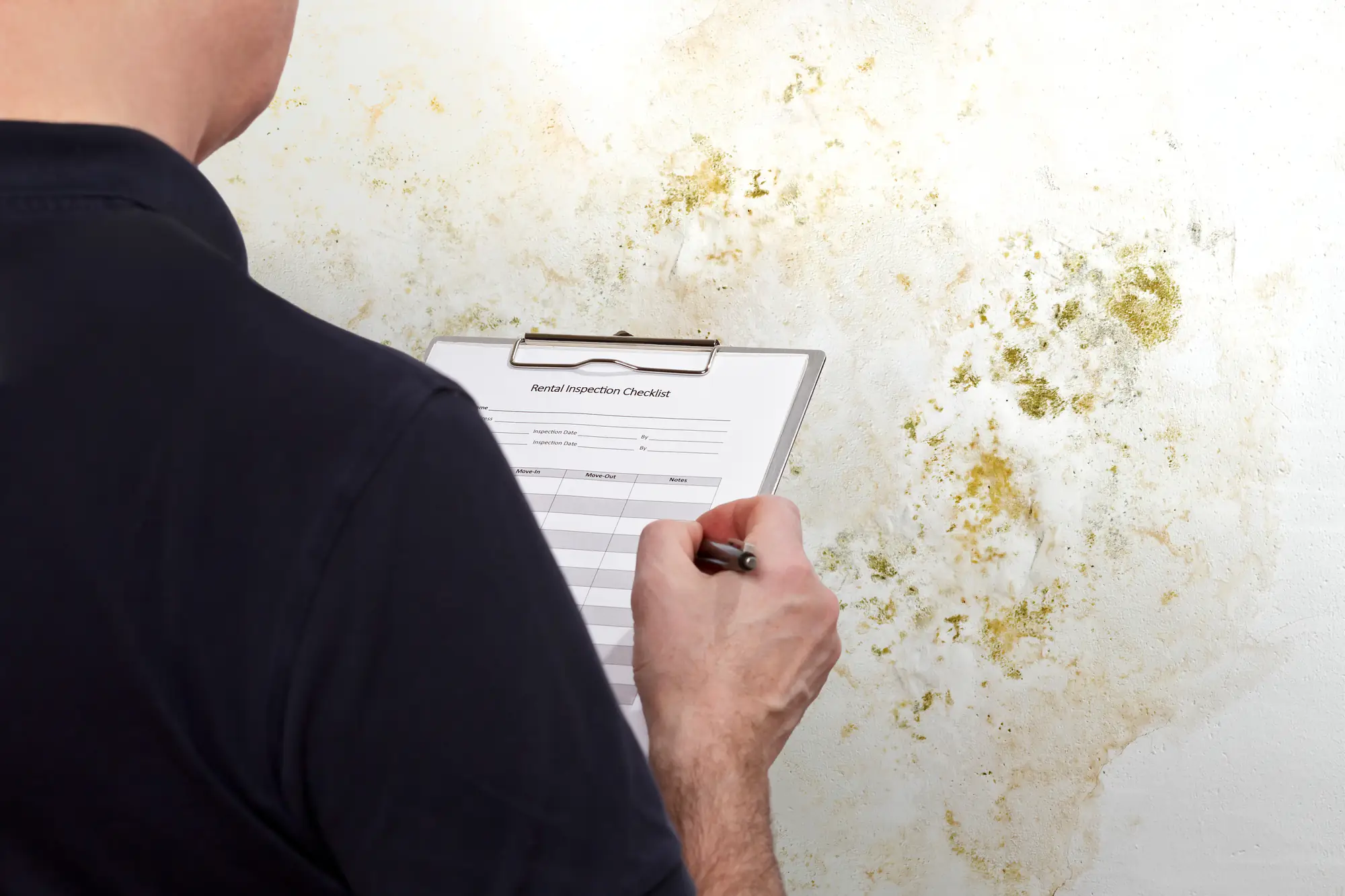
First, we schedule a time that works for you. When we arrive, we start with a full visual assessment of your home—looking for visible mold, water damage, discoloration, and moisture issues. We’re checking basements, bathrooms, kitchens, attics, and anywhere else that raises concerns.
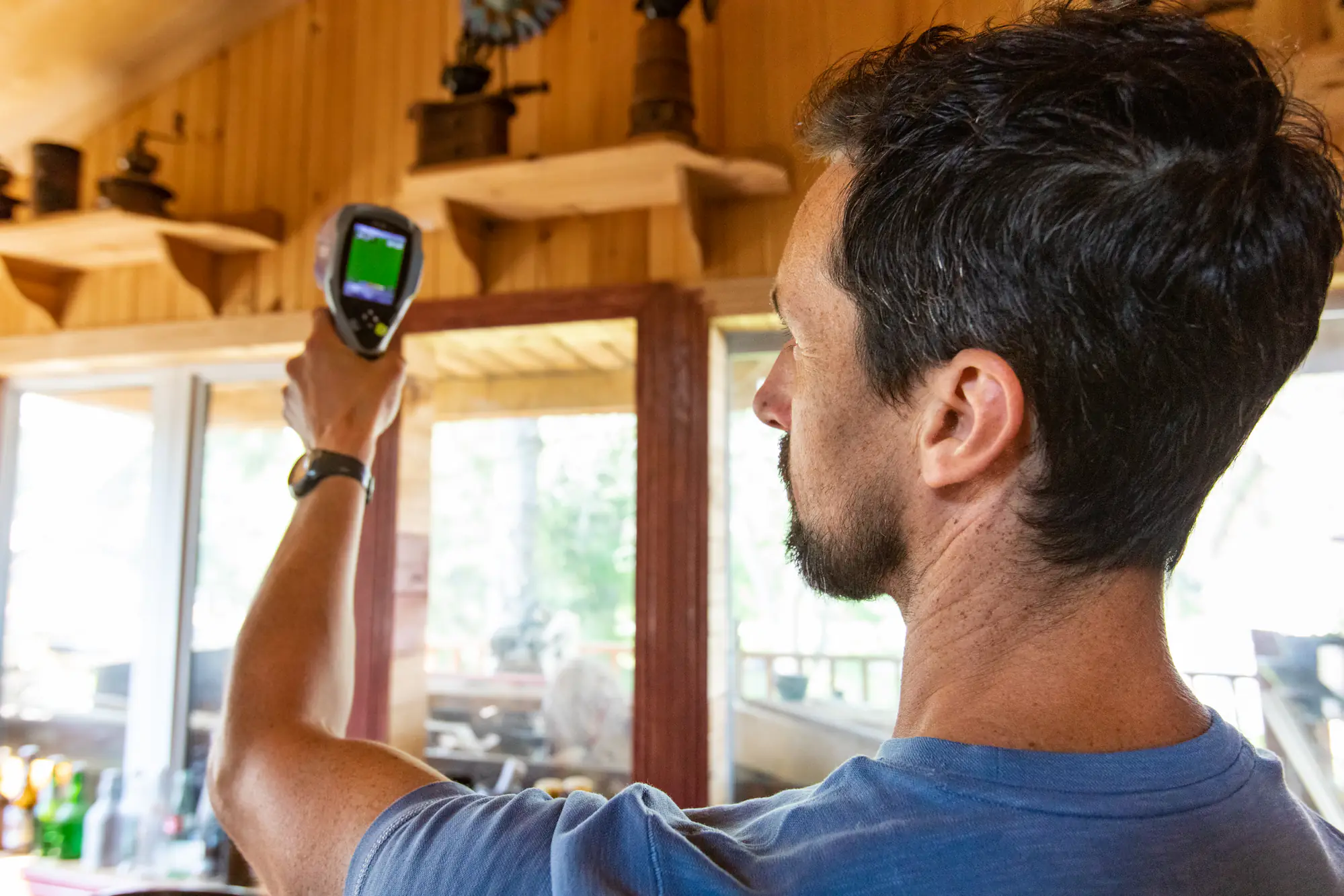
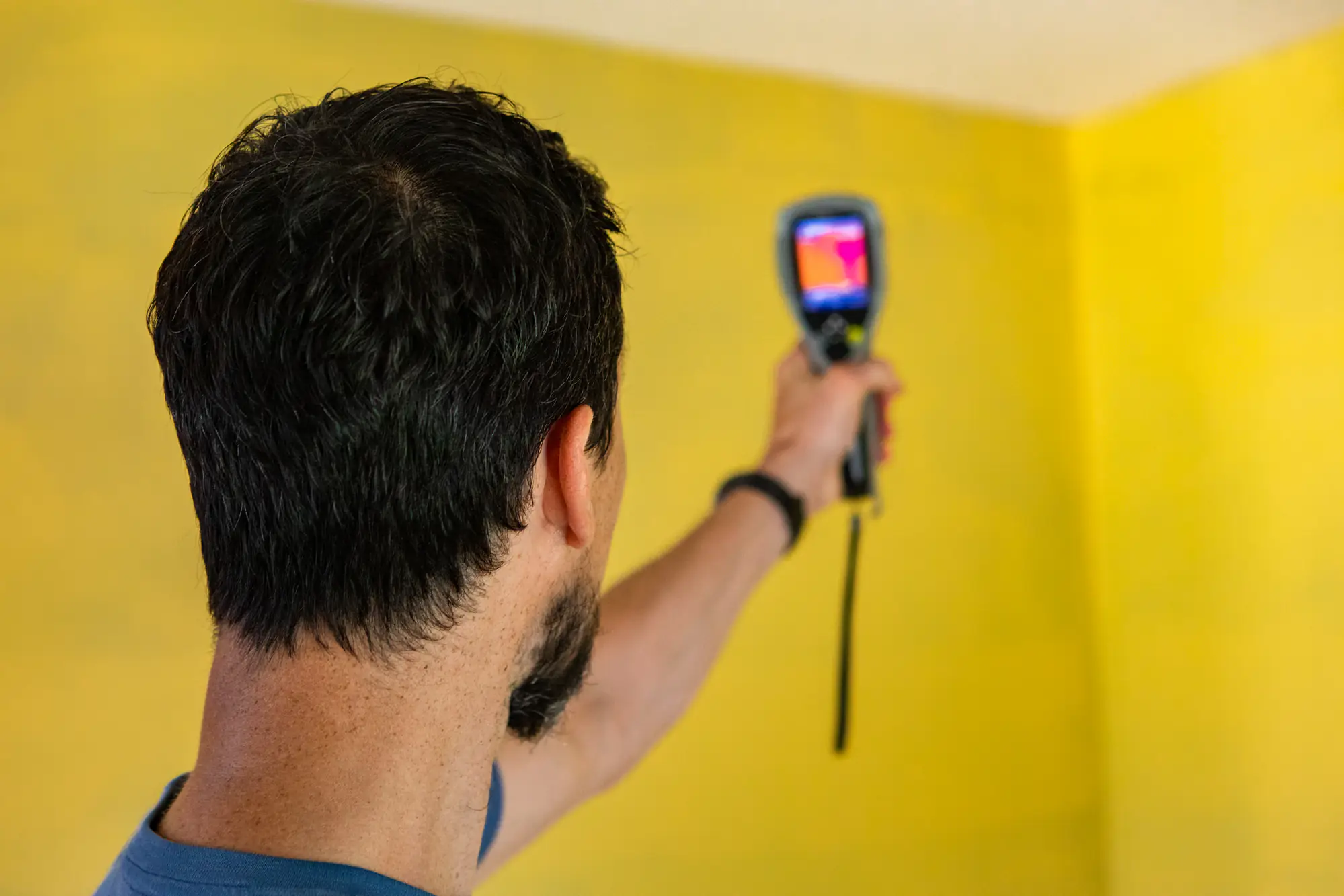
Then we use moisture meters and thermal imaging to find hidden problems. Mold grows behind walls, under floors, and in spaces you can’t see. Our equipment detects temperature differences and moisture levels that indicate trouble before it becomes visible.
Next comes air sampling. We take samples from multiple areas inside your home and compare them to outdoor air. This tells us whether spore counts indoors are higher than they should be, and if so, by how much. We also take surface samples if there’s visible growth that needs identification.
All samples go to an independent certified lab. You get detailed results within three to five business days. The report identifies specific mold species—Aspergillus, Penicillium, Stachybotrys, whatever’s present—along with concentration levels and health risk assessments.
We walk you through the findings. We explain what the numbers mean, whether remediation is needed, and what your options are. If you need documentation for insurance or real estate purposes, the lab report provides that.
Ready to get started?
Every residential mold testing appointment includes a complete visual inspection, moisture readings throughout your home, air sampling from multiple locations, and surface sampling if needed. You’re not paying for a guy with a flashlight. You’re getting certified specialists with professional-grade equipment.
The air quality assessment is critical in Washington Square West homes. With 50% of the housing stock built before 1940, you’re dealing with plaster walls, old brick, minimal insulation, and ventilation systems that weren’t designed for modern humidity levels. Philadelphia’s humid summers and frequent rain create conditions where mold thrives, especially in basements and poorly ventilated bathrooms.
We test multiple rooms because mold in one area doesn’t mean it’s everywhere—but it also doesn’t mean it’s nowhere else. Spores travel through HVAC systems and air currents. Testing gives you the full picture.
The lab report you receive isn’t a pass/fail grade. It’s a breakdown of exactly what’s in your air, at what levels, and how that compares to outdoor readings and acceptable indoor standards. If you’re dealing with black mold—Stachybotrys chartarum—the report will identify it specifically. Same with Aspergillus, Penicillium, or any other species.
That level of detail matters for insurance claims. Companies don’t pay based on photos or suspicions. They need lab documentation showing what type of mold is present and whether it resulted from a covered event like a pipe burst or roof leak.
If you can see mold growing on surfaces, you already know you have a mold problem. The question is whether you need testing to understand the extent of it.
Testing makes sense when you’re experiencing health symptoms but can’t find visible mold. It makes sense when you’ve had water damage and want to confirm whether mold developed. It makes sense when you smell something musty but can’t locate the source. And it definitely makes sense before and after remediation—to establish a baseline and verify the cleanup worked.
If there’s a small patch of surface mold on a bathroom tile, you probably don’t need a $400 test. You need to clean it and fix the moisture problem. But if you’re buying a home in Washington Square West with a damp basement, or if your kids have been coughing for months and doctors can’t figure out why, testing gives you answers that visual inspection alone can’t provide.
Air testing measures mold spore concentration in the air you’re breathing. We take samples from different rooms and send them to a lab, which counts the spores and identifies the species. Then we compare indoor levels to outdoor levels. If your indoor counts are significantly higher, that indicates a problem.
Surface testing involves taking samples directly from visible mold growth or suspicious areas. We use swabs or tape to collect samples, which the lab analyzes to identify the specific type of mold present.
Most comprehensive mold inspections include both. Air testing shows you what’s circulating through your home, even if you can’t see it. Surface testing identifies exactly what’s growing on that wall or ceiling. Together, they give you the complete picture—what’s there, where it’s concentrated, and whether it’s affecting your indoor air quality. For homes in Washington Square West with older construction and shared walls, air testing often reveals issues that aren’t visible during a walkthrough.
Lab results typically come back within three to five business days. The samples have to be analyzed by certified technicians who count spores, identify species, and prepare detailed reports. That process takes time if it’s done correctly.
Some companies offer “instant” results using field tests, but those aren’t as accurate or detailed as lab analysis. You’re getting a quick yes/no answer instead of specific information about mold types, concentration levels, and health risks.
If you’re in a time crunch—like a real estate closing that’s happening fast—some labs offer expedited processing for an additional fee. That can cut the turnaround to 24-48 hours. But for most situations, waiting a few days for accurate, certified results is worth it. You’re making decisions about your family’s health and potentially spending thousands on remediation. Better to base those decisions on solid data than rushed guesses.
It depends on what caused the mold. Most homeowners insurance policies cover mold remediation if it resulted from a “covered peril”—like a burst pipe, roof leak from storm damage, or appliance malfunction. They typically don’t cover mold that developed from long-term neglect, humidity, or lack of maintenance.
The key is documentation. Insurance companies want proof that mold exists, what type it is, and how it got there. That’s where professional testing becomes important. A lab report showing elevated levels of toxic mold following a documented water event strengthens your claim significantly.
You’ll want to review your specific policy, because coverage limits for mold vary widely. Some policies cap mold remediation at $10,000. Others exclude it entirely unless you’ve purchased additional coverage. If you’re dealing with a potential claim, get the testing done through a certified company that provides reports insurance adjusters will actually accept. And keep records of everything—the water damage, the repairs, the testing, all of it. The better your documentation, the better your chances of coverage.
Don’t clean or disturb any areas where you suspect mold growth. If you scrub that suspicious spot before we test it, you’ve eliminated the evidence we need to collect. Leave it alone, even if it looks bad.
Keep your home’s normal conditions as they are. Don’t open all the windows the morning of the test to air things out. Don’t run air purifiers you don’t usually run. We need to test your home’s actual everyday air quality, not the best-case scenario version.
If you’ve been running dehumidifiers, keep running them. If you normally keep certain rooms closed, keep them closed. The goal is to capture what’s really happening in your home under normal living conditions. That gives us accurate baseline data. If the air quality is bad when we test it, that’s information you need to know—not information you want to temporarily mask.
Mold can absolutely come back if you don’t fix the moisture problem that caused it in the first place. Remediation removes the existing mold, but if water is still leaking, humidity is still high, or ventilation is still poor, you’re just creating the same conditions that grew mold the first time.
That’s why post-remediation testing matters. It verifies that spore counts have returned to normal levels and confirms the cleanup was thorough. But the real prevention comes from controlling moisture. Fix leaky pipes. Improve ventilation in bathrooms and kitchens. Use dehumidifiers in basements, especially in Washington Square West’s older homes where dampness is common.
Check your gutters and downspouts to make sure water drains away from your foundation. Make sure your HVAC system is properly maintained and not creating condensation issues. Monitor humidity levels—ideally between 30-50%. Above 60%, you’re creating an environment where mold can grow. Prevention isn’t complicated, but it does require attention to the conditions that allow mold to thrive. Control the moisture, and you control the mold.
Other Services we provide in Washington Square West