

Hear from Our Customers
You smell something musty but can’t see anything. Your kids are coughing more than usual. The air feels heavier in certain rooms. These aren’t things you should ignore, and they’re not things you should guess about either.
Professional mold testing tells you exactly what’s in your air and where it’s coming from. We compare outdoor samples to indoor samples from your home to see if mold levels are normal or elevated. If they’re elevated, we pinpoint the source, measure how widespread the problem is, and give you a clear protocol for what needs to happen next.
Here’s what matters: we don’t do remediation work. We’re not trying to sell you a cleanup job. We test, we report, and we tell you the truth about what you’re dealing with. Some mold is normal. Some you can handle yourself. Some requires professional removal. You’ll know which one applies to your home because we’ll show you the lab results and walk you through what they mean.
No pressure. No upselling. Just honest answers about your indoor air quality so you can make the right call for your family.
We’ve been serving Kensington, PA and the surrounding Bucks County area for over 15 years. We’ve built our reputation on showing up when we say we will, doing thorough work, and being honest about what people actually need.
Jeff, the owner, handles most inspections himself. He’s not sending out a crew of strangers—he’s the one walking your property, taking samples, and explaining what he’s finding. When you call on a Friday, he’s there Saturday. When you have questions about your results, you’re talking directly to the person who did the testing.
Kensington’s older homes and Pennsylvania’s humid summers create perfect conditions for mold growth. Attics stay damp. Basements hold moisture. Walls trap humidity. We’ve seen it all, and we know exactly where to look and what to test for in this area. You’re not getting a generic inspection—you’re getting someone who understands how homes in this region behave.
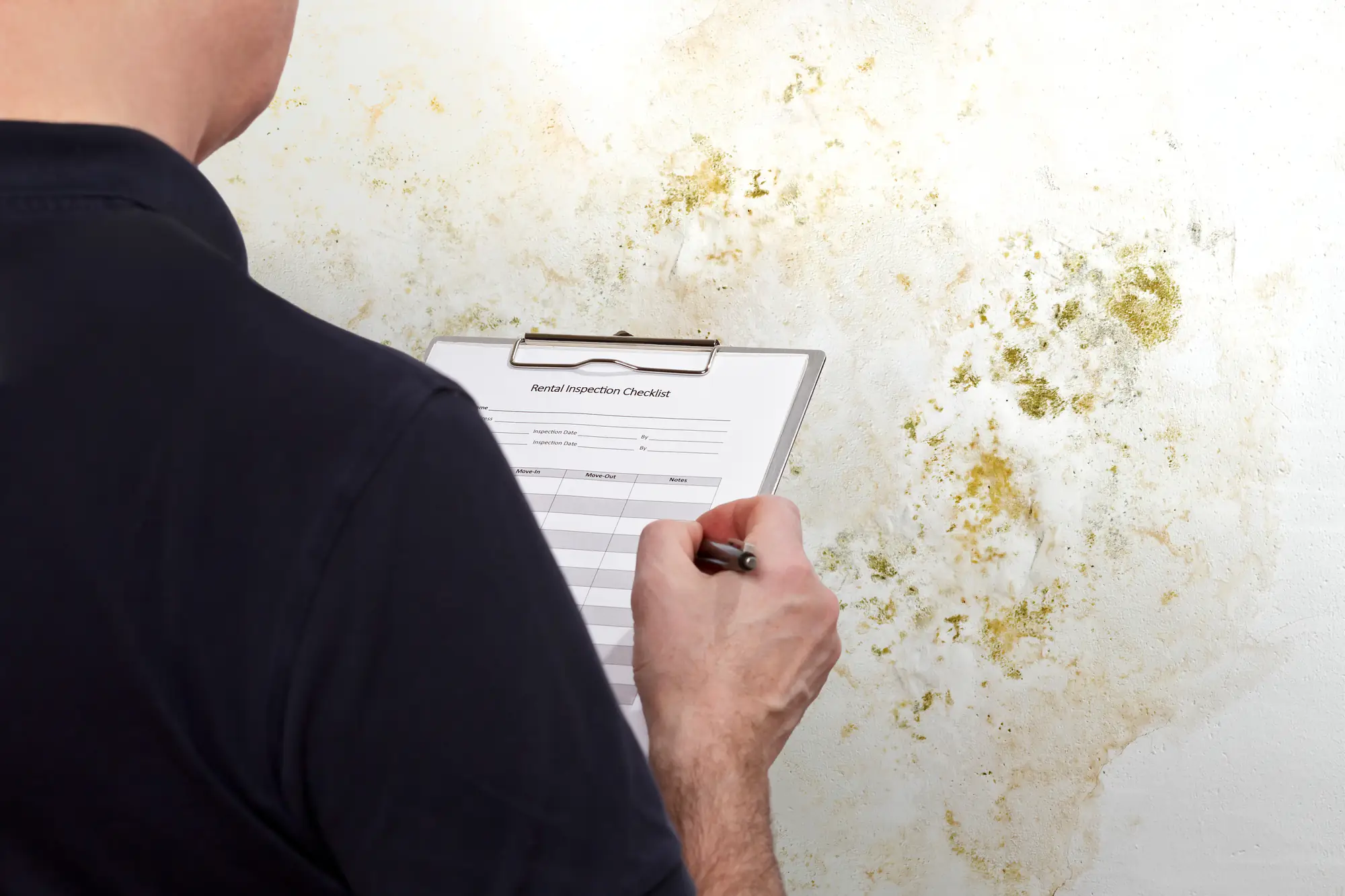
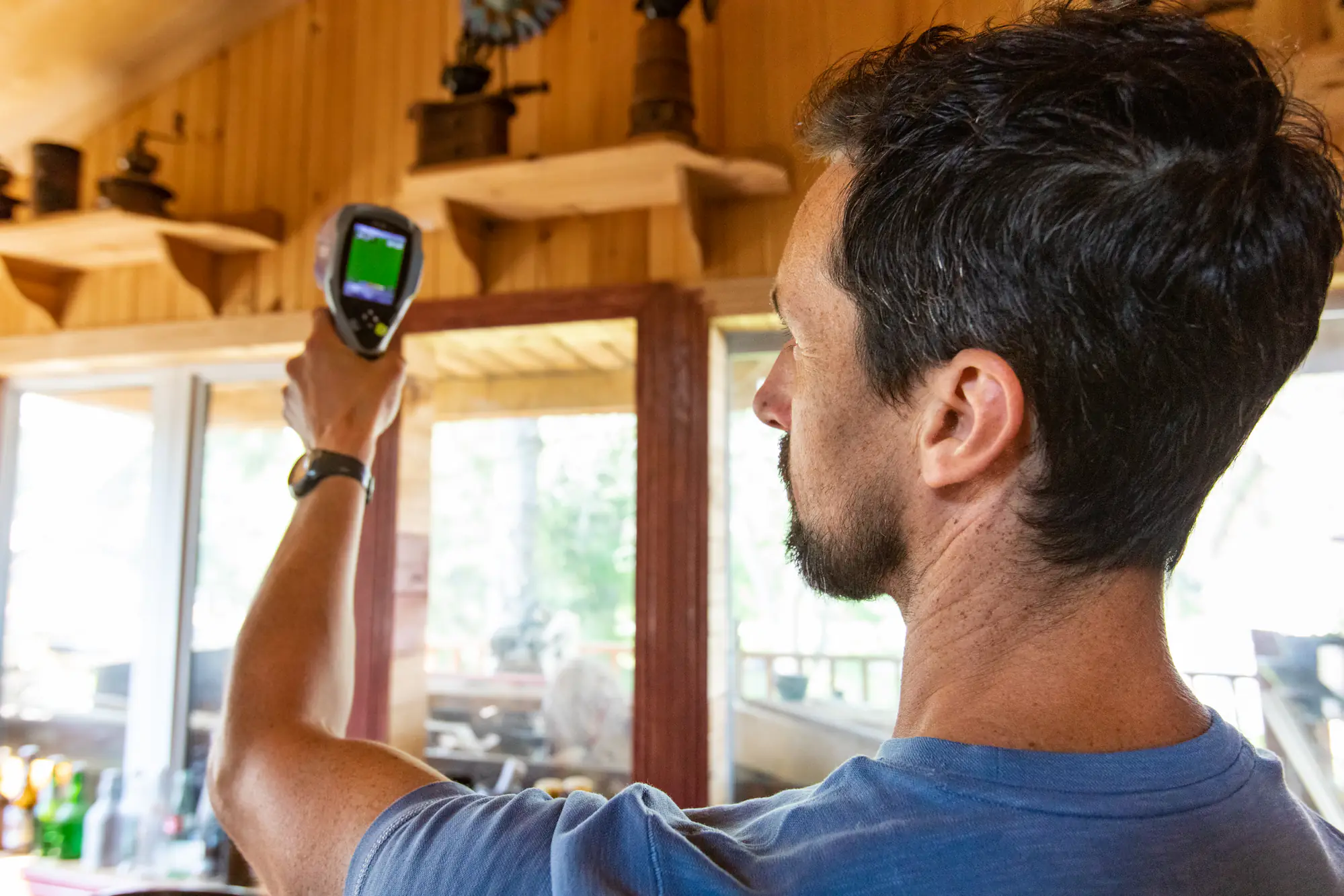
We start with a visual examination of your property. That means checking the obvious spots—bathrooms, basements, attics—but also using moisture meters and infrared cameras to find problems hiding behind walls, under flooring, and in places you’d never think to check.
Next, we take air samples. We pull samples from outside your home and from multiple rooms inside. The lab compares these to see if your indoor mold levels are higher than what’s naturally occurring outside. If we spot visible mold or suspect growth in a specific area, we’ll take surface samples too.
Samples go to a certified lab, and you get results back within 24 hours. The report shows exactly what types of mold are present, the concentration levels, and whether those levels are a concern. We walk you through the findings in plain language—no jargon, no scare tactics.
If remediation is needed, we provide a detailed protocol that outlines exactly what work should be done. You can take that to any remediation company you want. If the levels are normal or the mold is something you can address yourself, we’ll tell you that too. The goal is to give you accurate information so you can make the right decision for your situation.
Ready to get started?
A standard mold inspection in Kensington, PA starts at $300. That includes a comprehensive visual examination using moisture detection tools and two air samples—one from outside and one from inside your home. If you need additional air samples from separate rooms, or if we need to test inside walls or crawl spaces, those can be added.
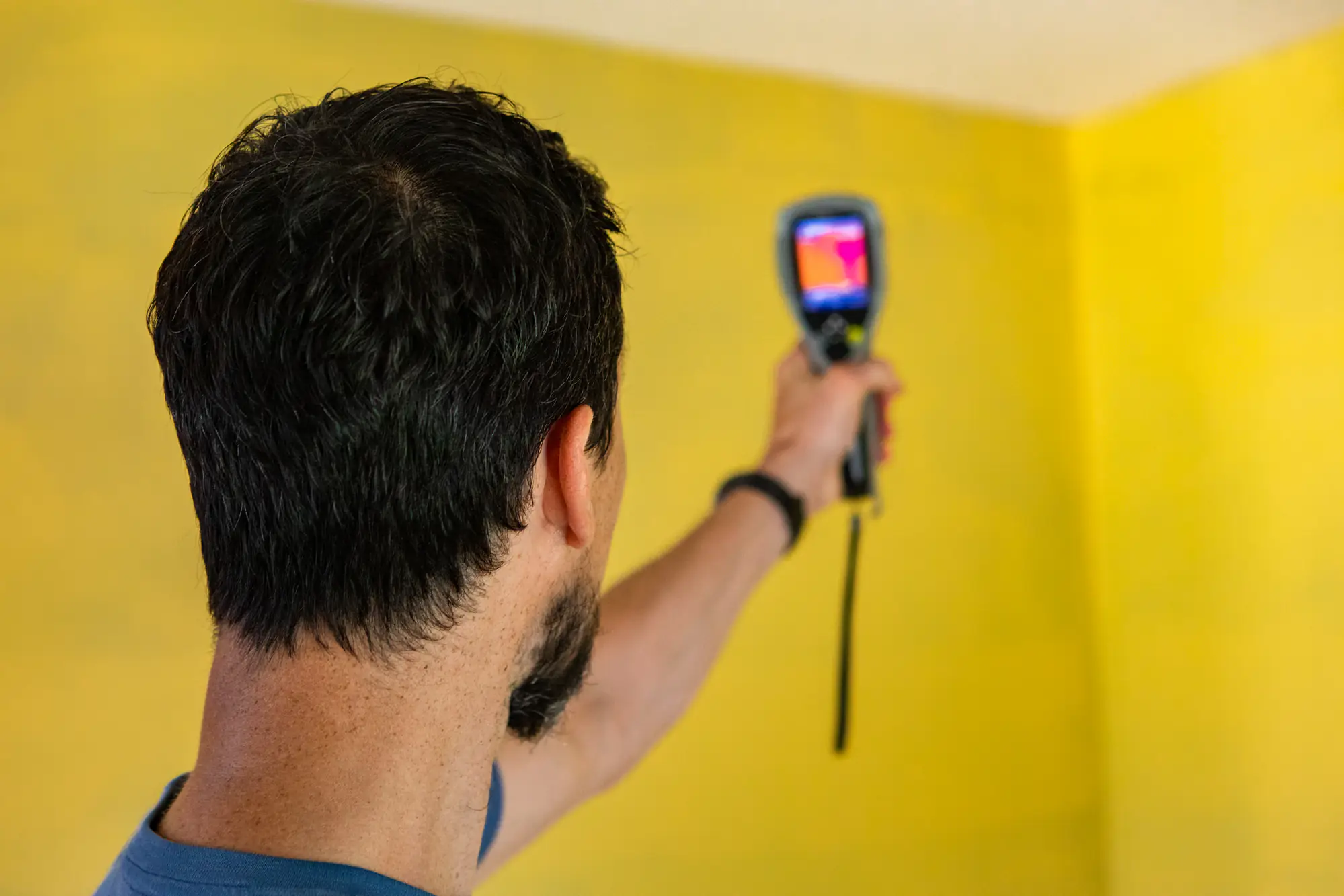
You’re also getting infrared scanning to detect moisture and temperature differences that indicate hidden mold growth. This is especially important in older Kensington homes where mold can develop behind original plaster walls or in unventilated spaces that haven’t been opened in decades.
Pennsylvania’s climate is a major factor here. Summer humidity in this region often sits in that danger zone where moisture doesn’t evaporate quickly. Airflow gets weak in attics and basements. Condensation builds up. Mold doesn’t need a roof leak or a burst pipe to grow—it just needs consistent dampness and poor ventilation, which is common in this area.
Every inspection comes with lab-certified results, a written report, and a follow-up conversation to review findings. If remediation is recommended, you’ll receive a step-by-step protocol that any licensed contractor can follow. If it’s not needed, we’ll explain why and what you should monitor going forward.
Most residential mold testing in Kensington runs between $300 and $650, depending on the size of your home and how many samples you need. A basic inspection with two air samples—one outside, one inside—starts around $300. If you want to test multiple rooms, check inside walls, or add surface samples where visible mold is present, the cost goes up from there.
The price includes the visual inspection, moisture detection, sample collection, lab analysis, and a detailed report with results. You’re paying for certified lab work, not a guess. The report tells you what types of mold are present, the concentration levels, and whether those levels are above normal for your area.
We don’t bundle testing with remediation, so there’s no incentive to exaggerate what you’re dealing with. You get honest results and a clear recommendation. If the mold levels are normal or it’s something you can handle on your own, we’ll tell you. If professional removal is needed, we’ll give you a protocol to take to any contractor you choose.
A mold inspection is the visual examination—walking your property, checking for visible mold, using moisture meters and infrared cameras to find hidden problems. Mold testing is when we actually collect air or surface samples and send them to a lab for analysis.
You can get an inspection without testing if you just want someone to assess your property and identify potential problem areas. But if you want to know exactly what types of mold are present and whether the levels are dangerous, you need testing. The lab results give you data, not opinions.
In most cases, we recommend both. The inspection tells us where to look and what to sample. The testing confirms what’s growing and how much of it is in your air. Together, they give you a complete picture of your indoor air quality. For homes in Kensington, where older construction and humidity create higher mold risk, testing is usually worth it. You’re not guessing about whether you have a problem—you’re getting documentation that shows exactly what you’re dealing with.
Lab results come back within 24 hours. We collect the samples, send them to a certified lab, and you’ll have a detailed report the next day showing what types of mold were found and at what concentration levels.
The report breaks down each sample by location and mold species. It compares your indoor levels to the outdoor baseline to determine if you have elevated mold growth inside your home. If levels are high, the report will note which types of mold are present and whether any are considered toxic or allergenic.
Once we get the results, we’ll walk you through them. We’ll explain what the numbers mean, which areas of your home are affected, and what your options are. If remediation is needed, we’ll provide a written protocol outlining the scope of work. If it’s not needed, we’ll explain why and what you should keep an eye on. The whole process from inspection to results typically takes 24 to 48 hours, depending on when we collect the samples.
You can buy DIY mold test kits at hardware stores, but they don’t give you the full picture. Most of those kits only test for the presence of mold, not the type or concentration. They can’t tell you if the levels in your home are normal or dangerous, and they won’t help you find hidden mold behind walls or under floors.
Professional mold testing uses calibrated equipment, controlled sampling methods, and certified lab analysis. We compare your indoor air to outdoor air, test multiple locations, and use moisture meters and infrared cameras to detect problems you can’t see. The lab report identifies specific mold species and measures concentration levels in spores per cubic meter—data you need to make informed decisions.
Here’s the other issue: if you’re buying or selling a home, dealing with an insurance claim, or trying to document a mold problem for legal reasons, you need certified testing from a licensed inspector. DIY kits won’t hold up in those situations. For peace of mind or a quick check, a home kit might be fine. But if you’re dealing with health symptoms, visible mold, or water damage in a Kensington home, professional testing is the smarter move.
The most common molds we find in Kensington homes are Cladosporium, Penicillium, Aspergillus, and Stachybotrys—also known as black mold. Cladosporium and Penicillium are usually found in damp areas like bathrooms, basements, and around windows. Aspergillus shows up in dust and on surfaces with water damage. Stachybotrys grows on materials that stay wet for extended periods, like drywall, wood, and insulation.
Pennsylvania’s humid climate makes mold growth more likely, especially in older homes with poor ventilation. Kensington has a lot of row homes and older construction where airflow is limited and moisture gets trapped in walls, attics, and crawl spaces. Even without a major water event, consistent humidity and condensation can create conditions where mold thrives.
Not all mold is toxic, but all mold is a sign of excess moisture. Some types cause allergic reactions, respiratory issues, or aggravate asthma. Others are mostly cosmetic. The only way to know what you’re dealing with is through lab testing. We identify the species, measure the concentration, and let you know if it’s something that requires professional removal or if it’s manageable on your own.
Yes. If you call in the morning, we can usually get to your property the same day. Jeff handles most inspections personally, and he keeps his schedule flexible for urgent situations—especially when people are dealing with health symptoms, recent water damage, or time-sensitive real estate transactions.
Same-day service doesn’t mean rushed work. The inspection is just as thorough whether we’re there today or next week. We’re still doing the full visual examination, taking proper samples, and using the same moisture detection and infrared scanning equipment. The only difference is timing.
Once we collect the samples, they go to the lab and you’ll have results within 24 hours. So if we inspect on a Friday, you’ll have your report by Saturday. If you need testing done quickly because you’re closing on a house, filing an insurance claim, or just want answers fast, we’ll make it happen. Kensington is local to us, so getting to your property isn’t an issue. Call us in the morning and we’ll be there that afternoon.
Other Services we provide in Kensington