

Hear from Our Customers
You’re not imagining it. That musty smell in the basement, the allergies that won’t quit, the water stain that keeps coming back—these are signs that something’s growing where it shouldn’t be.
Mold doesn’t announce itself. It hides in crawl spaces, behind drywall, under flooring, and inside HVAC systems. By the time you see it, you’re already dealing with a bigger problem than you needed to.
Professional mold testing catches contamination early, before it spreads through your home and before remediation costs climb into the thousands. Lab analysis tells you exactly what species you’re dealing with, how much is present, and whether it’s affecting your indoor air quality. That’s not guesswork—that’s data you can act on.
If you’re buying a home in Holmesburg, this is your insurance policy. If you’re selling, it’s proof. If you’re living with unexplained respiratory issues, it’s answers. Testing gives you clarity, and clarity gives you control.
We’ve been handling mold problems in Philadelphia for over 25 years. We know Holmesburg’s housing stock—the older rowhomes with poor ventilation, the basements that flood after heavy rain, the attics that trap humidity all summer long.
This neighborhood sits in a humid climate zone where mold thrives. Add in aging construction, and you’ve got conditions that make professional mold testing more important here than in drier parts of the state.
We’re certified, we follow EPA standards, and we use lab-grade testing methods. More importantly, we explain what we find in plain language so you can make informed decisions about your property.
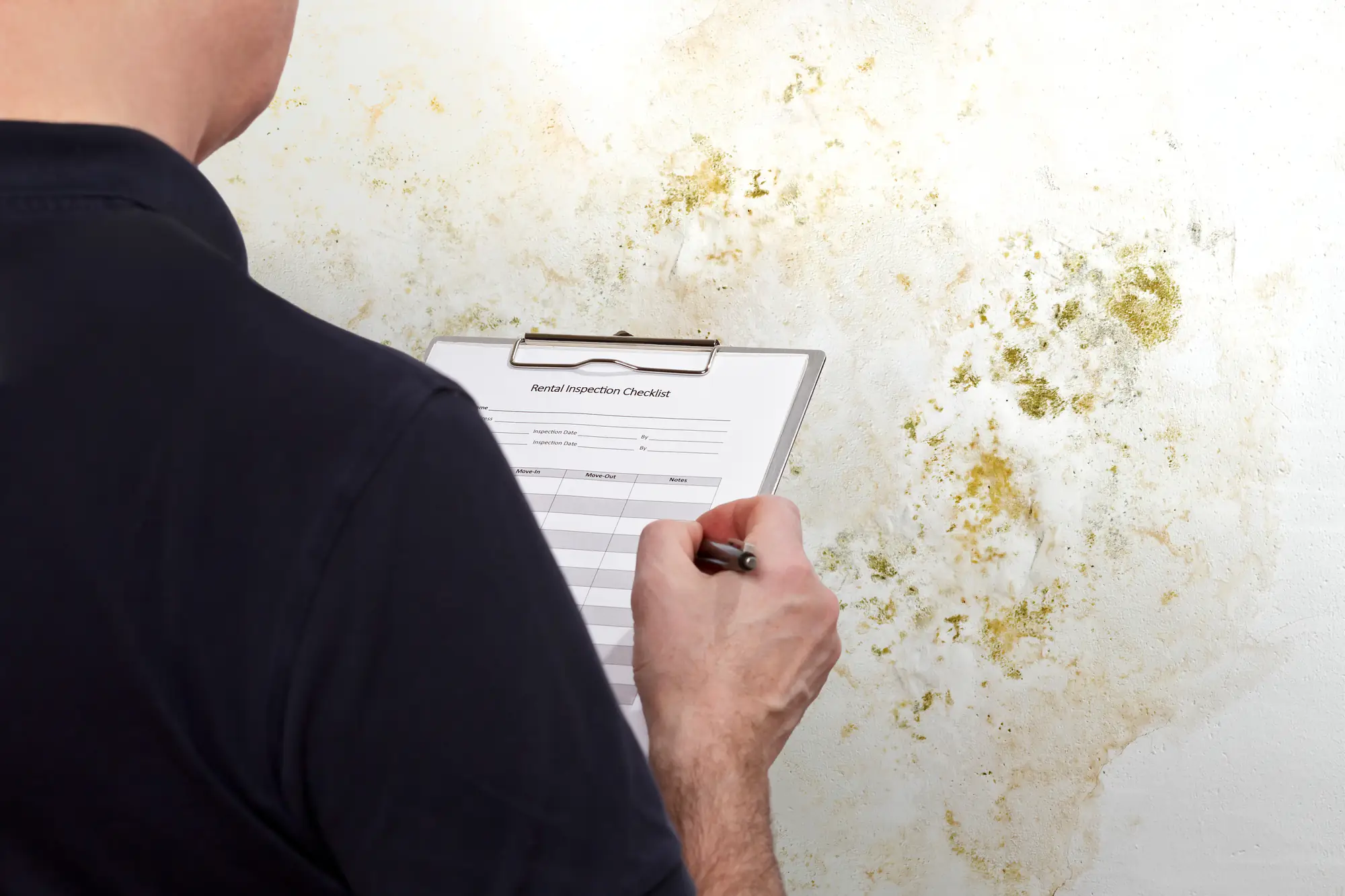
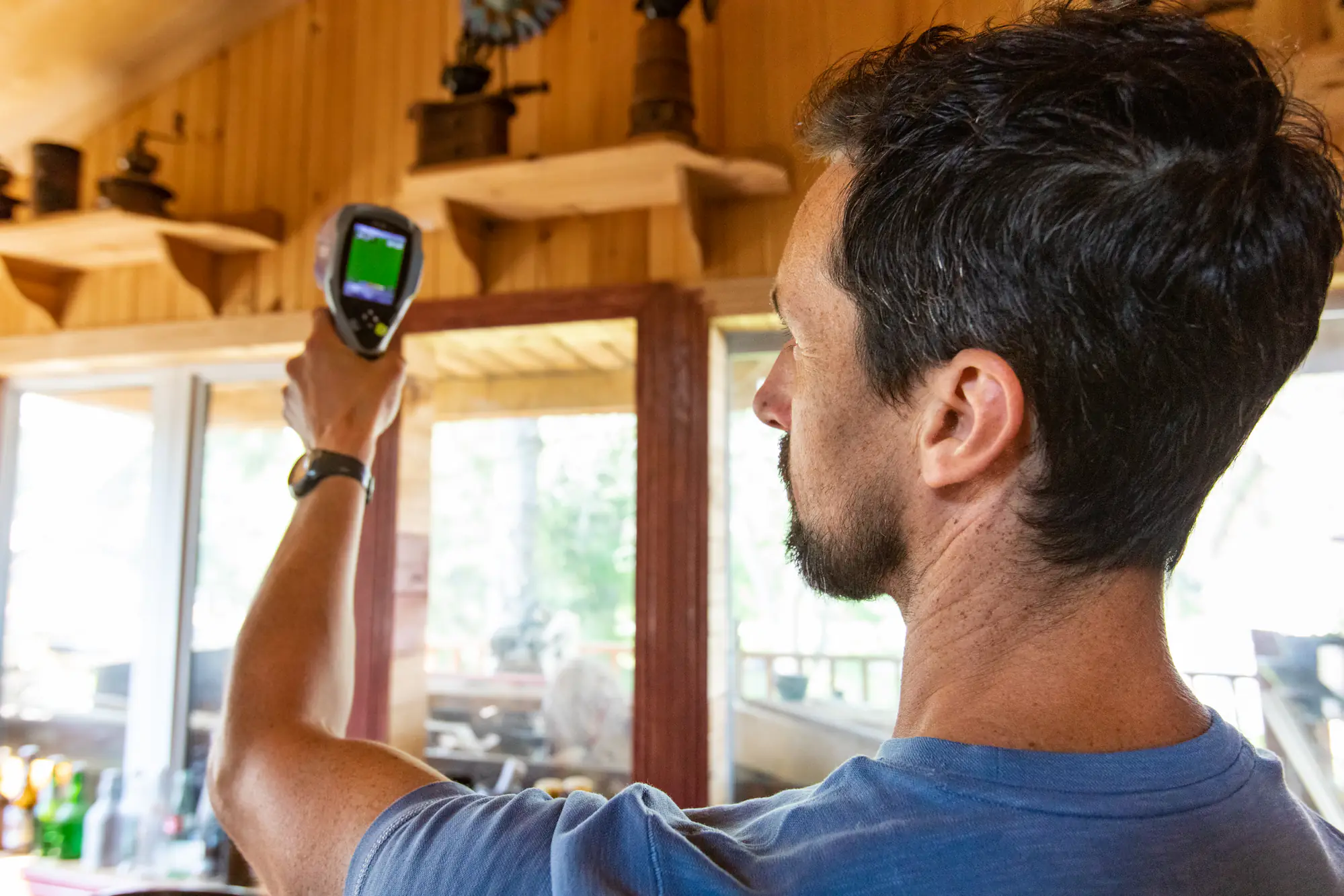
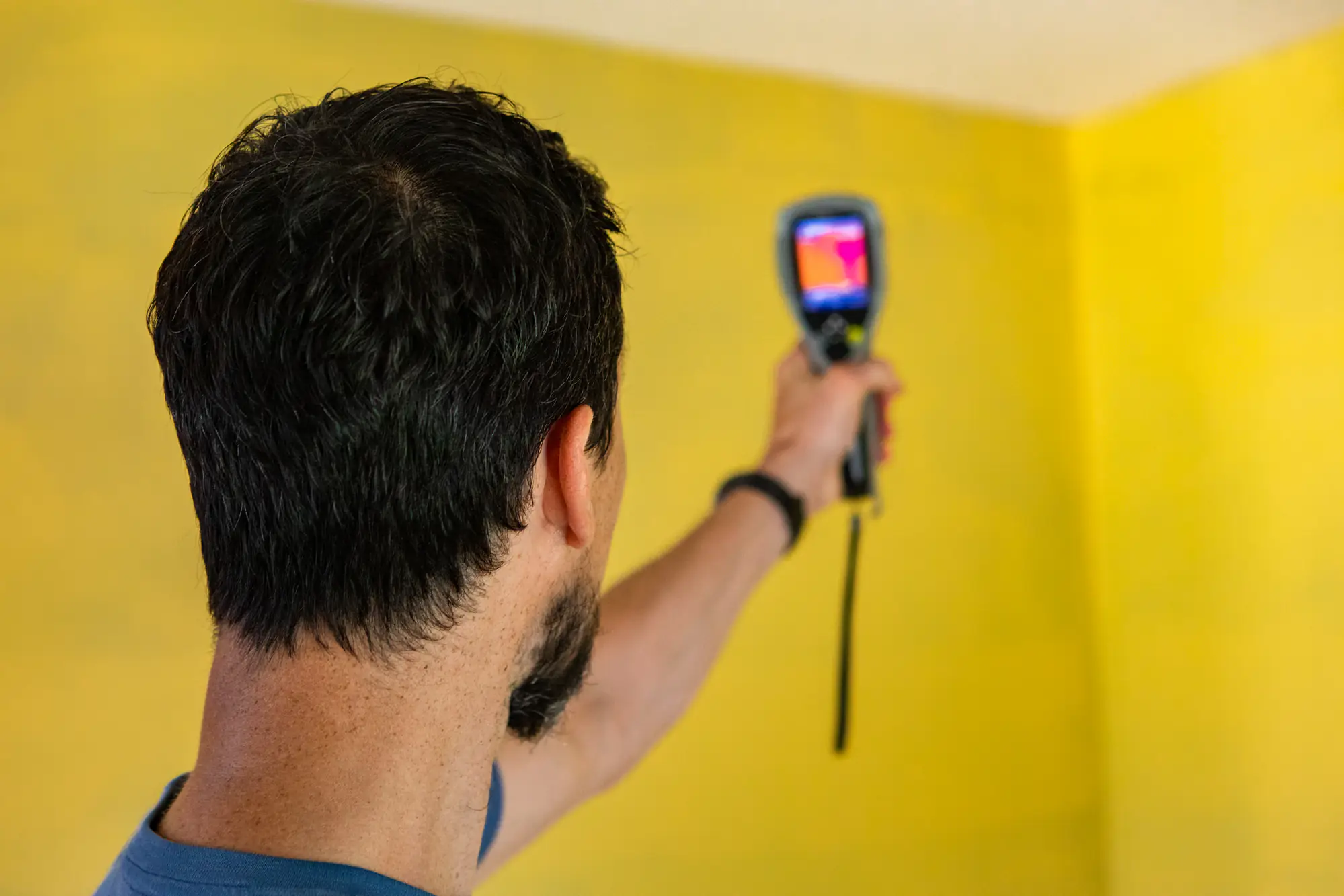
First, we walk through your property with moisture meters and thermal imaging cameras. These tools show us where water is hiding—even if it’s behind walls or under floors. Mold needs moisture, so finding the water source is half the battle.
Next, we collect samples. Air samples capture airborne spores. Surface samples come from visible growth or suspicious areas. We use swabs, tape lifts, or bulk samples depending on what we’re testing. Every sample gets labeled, documented, and sent to an accredited lab for analysis.
The lab identifies the species, measures spore concentration, and compares indoor levels to outdoor baselines. High indoor counts or toxic species like Stachybotrys (black mold) trigger different responses than common environmental molds.
Once results come back—usually within a few days—we review them with you. We explain what the findings mean, whether remediation is necessary, and what your next steps should be. If you need documentation for insurance, real estate transactions, or health concerns, we provide detailed reports that hold up under scrutiny.
Ready to get started?
Our residential mold testing service covers your entire property—not just the obvious problem areas. We inspect basements, crawl spaces, attics, bathrooms, kitchens, and HVAC systems. We check behind appliances, around windows, and anywhere water intrusion is likely.
Holmesburg’s older homes present unique challenges. Many properties were built before modern moisture barriers and ventilation standards existed. Brick facades can wick water into interior walls. Cast iron plumbing corrodes and leaks. Flat roofs pond water after storms. We know what to look for because we’ve seen it hundreds of times.
You’ll get a written report that includes sample locations, lab results, moisture readings, and photographic documentation. If mold is present, we’ll identify the moisture source and outline a remediation plan. If air quality is compromised, we’ll recommend next steps to restore safe indoor conditions.
This isn’t a pass/fail test. It’s a diagnostic tool that gives you the information you need to make smart decisions about your home. Whether you’re dealing with a small patch of surface mold or a hidden contamination problem, testing tells you exactly what you’re up against.
Most residential mold inspections in Holmesburg run between $300 and $600, depending on the size of your home and how many samples need lab analysis. A basic inspection with air sampling for a typical rowhome usually falls in the $400 range.
That cost includes the on-site inspection, moisture detection, sample collection, lab analysis, and a detailed report. If you need additional samples—say, testing multiple rooms or comparing indoor and outdoor air quality—the price adjusts accordingly.
Some companies offer free inspections, but they’re often tied to remediation sales. Independent testing gives you unbiased results you can trust, whether you hire the same company for remediation or not. If you’re buying a home, spending a few hundred dollars now can save you thousands in unexpected repairs later.
A mold inspection is the visual assessment—walking through your property, checking for visible growth, measuring moisture levels, and identifying conditions that support mold. An inspector looks for water damage, condensation, poor ventilation, and other risk factors.
A mold test involves collecting samples and sending them to a lab for analysis. Testing identifies the species present, measures contamination levels, and determines whether airborne spore counts are elevated. You can inspect without testing, but you can’t test without inspecting first.
Most homeowners need both. The inspection finds the problem areas, and the testing confirms what’s growing and how serious it is. If you’re dealing with health symptoms, buying a home, or filing an insurance claim, lab-confirmed testing gives you the documentation you need. For minor visible mold in a bathroom, you might skip testing and move straight to cleaning—but for hidden growth or large affected areas, testing is worth the investment.
DIY kits can tell you if mold spores are present, but they can’t tell you much beyond that. Most kits use petri dishes that collect whatever lands on them—which will always show some mold, because spores are everywhere. They don’t measure concentration, identify dangerous species, or locate the source of contamination.
Professional testing uses calibrated air pumps that measure spore counts per cubic meter. Lab analysis identifies specific species, including toxic varieties like Stachybotrys or Aspergillus. Surface samples target suspected growth areas instead of just waiting for something to land on a dish.
If you’re trying to decide whether to buy a home, document a problem for insurance, or figure out why your family is sick, a $30 kit won’t give you the answers you need. Professional testing costs more, but it provides actionable data instead of vague confirmation that mold exists somewhere in your house.
The on-site inspection usually takes one to three hours, depending on your home’s size and how many areas need attention. We’re not rushing through—we’re checking every space where mold could hide, taking moisture readings, and collecting samples carefully.
Lab analysis takes three to five business days in most cases. Some labs offer rush processing for an additional fee if you’re under a time crunch—say, closing on a house or dealing with a health emergency.
Once results come back, we schedule a follow-up call or meeting to review findings and discuss next steps. From the day we inspect to the day you have answers, expect about a week under normal circumstances. If remediation is needed, that’s a separate timeline that depends on the extent of contamination.
First, don’t panic. Most homes have some level of mold spores—it’s a natural part of the environment. What matters is the species, the concentration, and whether it’s actively growing indoors.
If lab results show elevated spore counts or toxic species, we’ll walk you through the findings and explain what they mean for your specific situation. We’ll identify the moisture source feeding the growth, because fixing that is step one. Then we’ll outline a remediation plan that addresses the contamination safely and completely.
Depending on the severity, remediation might mean cleaning affected surfaces, removing contaminated materials, treating HVAC systems, or setting up containment and air filtration during the work. We handle the process according to EPA guidelines and provide documentation for insurance or real estate purposes. The goal is to restore your indoor air quality and eliminate conditions that allow mold to return.
If you’re buying an older home in Holmesburg—especially a rowhome built before 1980—mold testing is one of the smartest investments you can make. Many of these properties have outdated plumbing, poor ventilation, and drainage issues that create perfect conditions for mold growth.
A standard home inspection doesn’t include mold testing. Inspectors note visible water damage or musty odors, but they don’t collect samples or measure air quality. If the seller recently painted over stains, installed new flooring, or “freshened up” the basement, you could be buying someone else’s hidden mold problem.
Testing before closing gives you leverage. If results show contamination, you can negotiate repairs, request remediation before settlement, or walk away from the deal. Discovering mold after you move in means paying out of pocket for fixes that could run into the thousands. A $400 test now protects a six-figure investment later.
Other Services we provide in Holmesburg