

Hear from Our Customers
You notice the musty smell in your basement. Your kid’s asthma seems worse at home than anywhere else. There’s that water stain on the ceiling from last winter’s ice dam that you keep meaning to check on.
Here’s what most people don’t realize: nearly half of all residential buildings show visible mold or detectable mold odor. In Bustleton, where the median home was built in 1968, older construction methods and aging materials create perfect conditions for hidden moisture problems.
Professional mold testing tells you exactly what you’re dealing with. Not a guess. Not a visual inspection that misses what’s behind walls or under floors. Actual lab results that show whether you have a problem, how serious it is, and what needs to happen next.
The difference between catching mold early and letting it spread for another year can be thousands of dollars. It can also be the difference between your family breathing clean air or continuing to deal with unexplained respiratory symptoms that won’t go away.
We’ve been serving Bustleton and the greater Northeast Philadelphia area for years. We’re state-licensed in Pennsylvania and we’ve completed thousands of mold inspections throughout Bucks, Montgomery, Delaware, and Chester Counties.
Here’s what makes us different: we only do testing and inspection. We don’t offer remediation services. That means when we tell you what’s in your home, you’re getting unbiased results from someone who has no financial incentive to exaggerate the problem.
Most Bustleton homes sit in that sweet spot of being old enough to have aging infrastructure but young enough that owners are still invested in maintaining them. We understand the specific challenges of homes built in the 60s and 70s, the common problem areas in Northeast Philly construction, and what actually matters versus what’s just cosmetic.
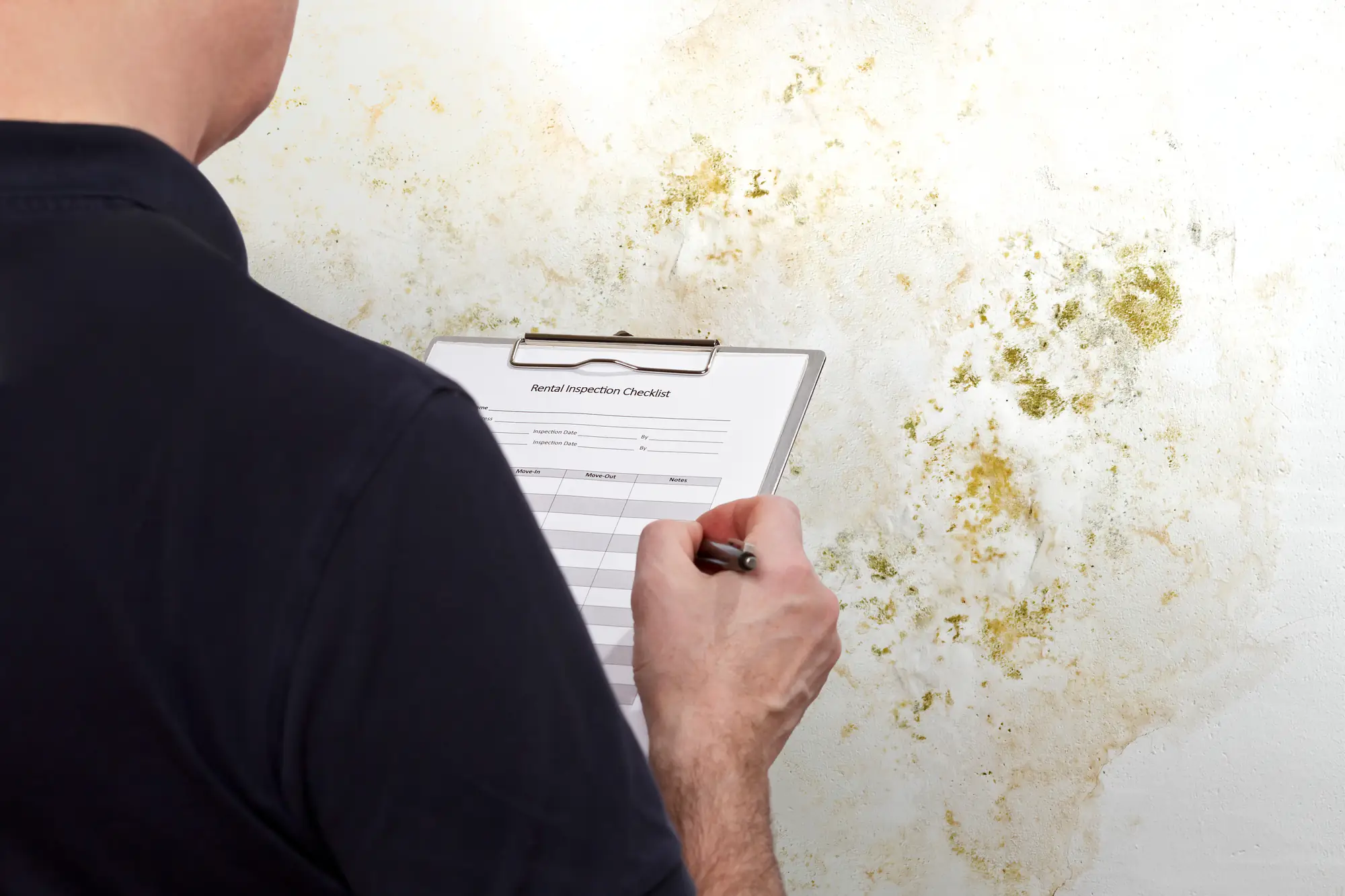
First, we walk through your property and conduct a comprehensive visual inspection. We’re looking for obvious signs of mold growth, water damage, moisture problems, and conditions that support mold development.
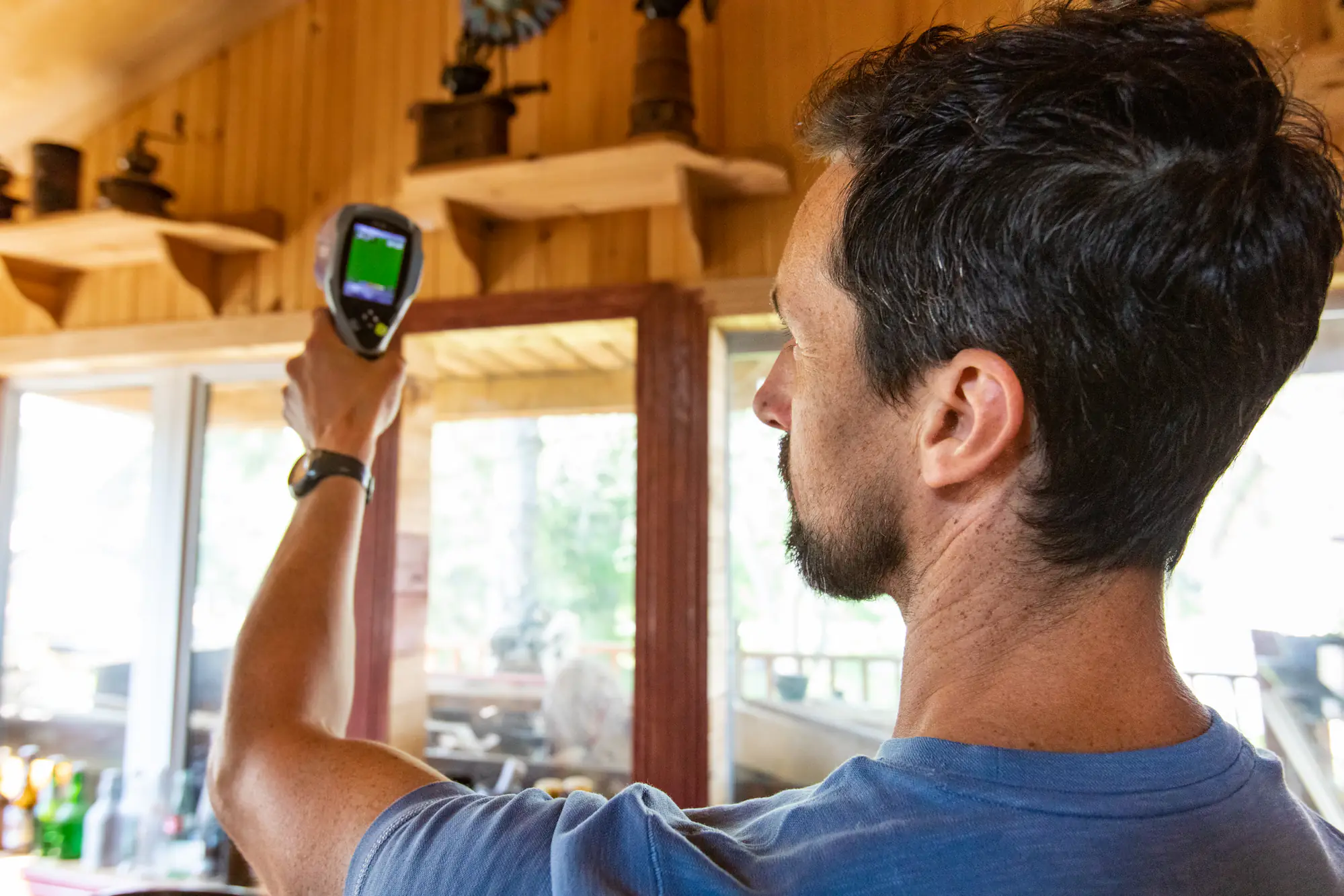
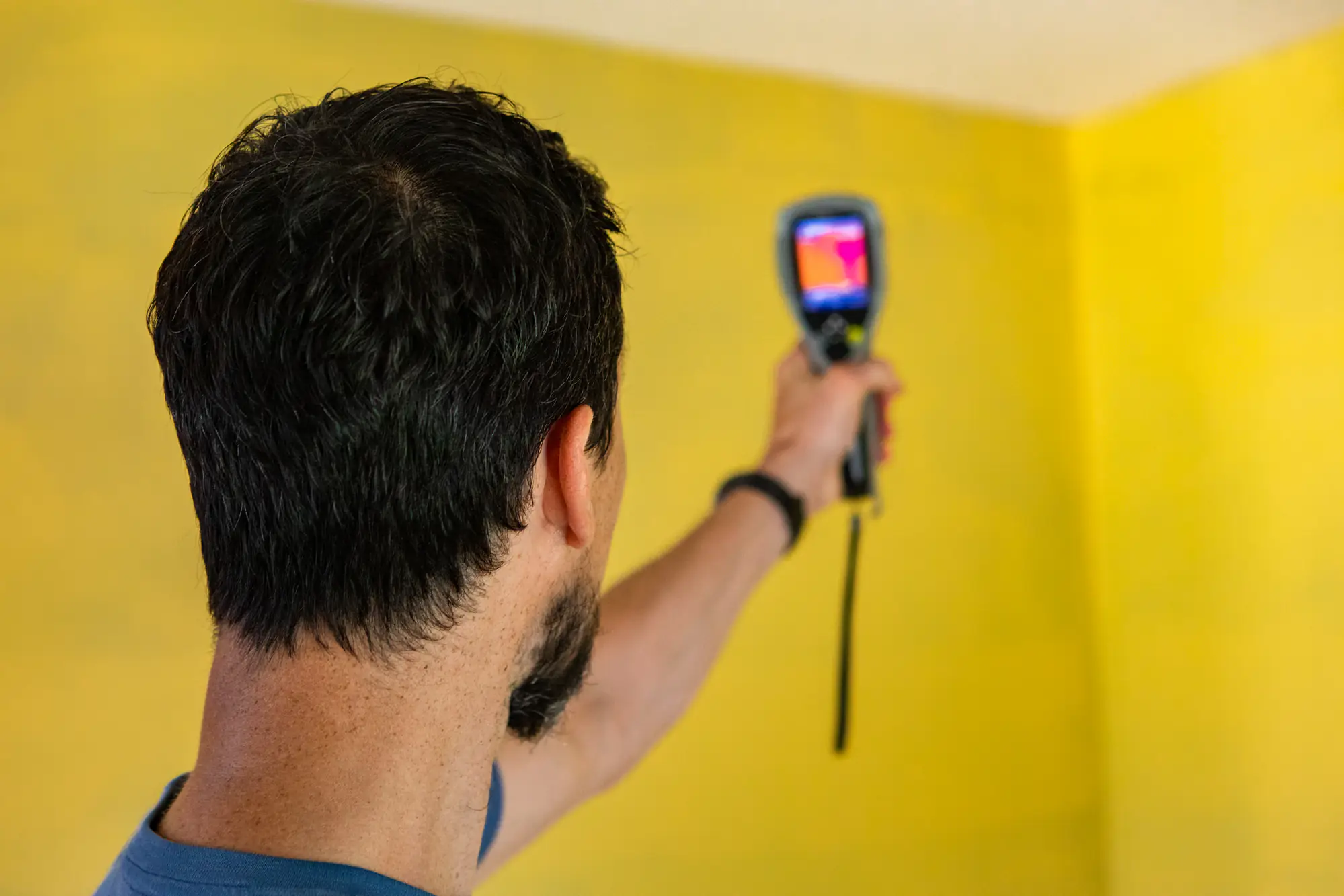
Then we use moisture detection equipment and thermal imaging to find hidden water intrusion. Mold grows where there’s moisture, and moisture often hides in places you can’t see without the right tools. We check wall cavities, ceiling spaces, crawlspaces, and other areas where water tends to accumulate.
Next comes air quality sampling. We collect air samples from different areas of your home and send them to an independent lab for analysis. This tells us what types of mold spores are present and at what concentration levels.
We also do surface testing in areas where we see visible growth or suspect contamination. This helps identify the specific mold species and determine the best approach for remediation if needed.
You’ll get a detailed report with lab results, photos, moisture readings, and clear explanations of what we found. If there’s a problem, we’ll tell you how serious it is and what your options are. If everything looks good, you’ll have documentation proving your home’s air quality is safe.
Most inspections take two to four hours depending on your home’s size. Lab results typically come back within a few days.
Ready to get started?
Your mold inspection includes everything needed to get accurate answers. Visual inspection of all accessible areas. Moisture mapping with professional-grade detection equipment. Thermal imaging to identify hidden water intrusion. Air quality sampling with independent lab analysis. Surface sampling of suspected contamination areas.
In Bustleton specifically, we pay extra attention to basements and lower levels where groundwater and humidity create ongoing challenges. We check around old cast iron plumbing that’s common in homes from the 60s and 70s. We inspect attic spaces where inadequate ventilation traps moisture.
The reality is that 4.6 million asthma cases are attributable to dampness and mold exposure. Children are especially vulnerable. Infants exposed to mold have nearly three times greater risk of becoming asthmatic. If you’ve got kids and you’re noticing respiratory symptoms that seem worse at home, testing isn’t optional anymore.
We also work with insurance companies when mold testing relates to covered water damage claims. If you had a burst pipe, roof leak, or other sudden water event, your policy may cover the testing and any necessary remediation. We’ll provide the documentation you need.
You’re not just getting a report. You’re getting clarity about whether your home is safe, what’s causing that smell, why your family keeps getting sick, or if that water damage actually created a bigger problem than you thought.
You need testing if you’re experiencing unexplained health symptoms at home, if you smell persistent musty odors, if you’ve had any water damage in the past year, or if you see visible growth that you want identified. Those aren’t overreactions. Those are legitimate reasons to get professional testing.
Here’s the thing: mold can hide in places you’ll never see without proper equipment. Behind walls. Under flooring. In ceiling cavities. Inside HVAC systems. You might smell it or feel the effects without ever seeing actual growth.
The health symptoms are real. Stuffy nose, sore throat, coughing, wheezing, burning eyes, skin rash. If you or your family members experience these symptoms consistently at home but feel better when you’re away, that’s your body telling you something’s wrong with your indoor air quality.
Water damage is the biggest red flag. The EPA says you need to dry water-damaged areas within 24 to 48 hours to prevent mold growth. If you had a leak, flood, or moisture intrusion and didn’t get everything completely dry in that window, you likely have mold growing somewhere.
A mold inspection is the visual walkthrough where we examine your property for signs of mold growth, water damage, and moisture problems. Mold testing involves actually collecting samples and sending them to a lab for analysis.
You need both. The inspection tells us where to look and what conditions exist. The testing tells us exactly what’s growing and how serious the contamination is.
During the inspection, we use moisture meters and thermal imaging to find hidden water intrusion. We check all the common problem areas and document what we see. But visual inspection alone can’t tell you what type of mold you’re dealing with or whether spore levels in your air are elevated.
That’s where testing comes in. Air samples tell us what you’re breathing. Surface samples identify specific mold species. Lab analysis gives us concentration levels so we know if you’re dealing with normal background levels or actual contamination that needs remediation.
Some companies offer inspection without testing, but that’s like going to the doctor for symptoms and leaving without any actual diagnosis. You want the complete picture, not just someone’s opinion based on looking around.
Professional mold testing typically costs between a few hundred to several hundred dollars depending on your home’s size, how many samples we need to collect, and what level of testing is appropriate for your situation. That’s significantly less than what you’ll pay if you skip testing and end up with a bigger problem later.
The cost breaks down into the inspection itself and the lab analysis. Larger homes require more time and potentially more sample collection points. If you’ve got a specific area of concern versus wanting to test your entire property, that affects pricing too.
Here’s the perspective you need: professional mold remediation costs anywhere from $500 to $6,000 for typical jobs, but can climb into tens of thousands if contamination is severe or widespread. Testing gives you the information to catch problems early when they’re cheaper to fix.
Think about it this way. You’re either going to pay for testing now and know exactly what you’re dealing with, or you’re going to pay for remediation later without knowing if it’s even necessary or if the company doing the work is being honest about the scope. Testing protects you from both scenarios.
If your testing is related to a covered insurance claim for water damage, your policy may cover the cost. We’ll work with your insurance company and provide the documentation they need.
You can, but those kits don’t give you useful information. They’ll tell you that mold spores are present, which is true in literally every building. What they won’t tell you is whether the levels are normal or elevated, what species you’re dealing with, or where the source of contamination is located.
DIY kits typically use petri dishes that collect whatever settles on them. The problem is that mold spores are everywhere. You’ll always get a positive result. That doesn’t tell you if you have a mold problem or just normal background levels that exist in every home.
Professional testing measures spore concentration in your air and compares it to outdoor baseline levels. We collect samples from multiple locations. We use proper collection methods that meet industry standards. The samples go to accredited labs that can identify specific species and provide quantitative analysis.
More importantly, professional testing includes the inspection component. We find the moisture sources. We identify the conditions that support mold growth. We check areas you can’t access. We use equipment that detects hidden problems.
If you’re concerned enough about mold to spend money on testing, spend it on testing that actually gives you actionable information. A $30 kit that tells you mold exists doesn’t help you make decisions about your home or your family’s health.
Lab results typically come back within three to five business days after we collect samples. Some labs offer rush processing for an additional fee if you need results faster, but standard turnaround is usually less than a week.
The inspection itself happens on-site and takes two to four hours depending on your home’s size and complexity. We’ll give you initial observations before we leave, but the official results require lab analysis.
Once we receive the lab report, we’ll go through the results with you in detail. We’ll explain what was found, what the concentration levels mean, whether remediation is necessary, and what your next steps should be.
If we find elevated mold levels or identify species that are particularly concerning, we’ll prioritize getting you that information quickly. If results show normal background levels and no significant contamination, we’ll document that so you have peace of mind and proof of your home’s air quality.
The timing matters because if you do have a mold problem, you want to address it sooner rather than later. Mold doesn’t improve on its own. It spreads. Every day you wait is another day of exposure for your family and more potential damage to your property.
That’s why we move quickly on inspections and work with labs that provide reliable turnaround times. You’re not waiting weeks for answers. You’re getting clear information within days so you can make informed decisions about your home.
If we find mold, you’ll get a detailed report that explains exactly what was found, where it’s located, what species are present, and how serious the contamination is. Then you’ll need to hire a remediation company to remove it properly.
Here’s why we don’t do remediation ourselves: we want to give you unbiased results. When the company doing your testing also does remediation, there’s an obvious conflict of interest. We test only, which means our findings are based purely on what’s actually in your home, not what would be most profitable for us to remediate.
The report will include recommendations for remediation scope based on industry standards and the specific contamination we found. You can take that report to any qualified remediation company and get competitive bids for the work.
Not all mold findings require expensive remediation. Sometimes it’s a small area that can be addressed with targeted cleaning and fixing the moisture source. Other times it’s more extensive and requires professional containment, removal, and reconstruction.
The lab results tell us what species you’re dealing with, which matters. Some molds are more concerning than others from a health perspective. Some require more aggressive remediation protocols. The testing gives you the information to make smart decisions about how to proceed.
After remediation is complete, we recommend post-remediation testing to verify the work was done properly and your air quality is back to normal levels. That’s your proof that the problem is actually solved, not just covered up.
Other Services we provide in Bustleton