

Hear from Our Customers
You’re not looking for a sales pitch. You need to know if there’s mold, what type it is, and whether it’s a health risk. That’s what professional mold testing delivers.
We use EPA-approved methods, infrared thermal imaging, and lab analysis to identify mold species and concentration levels. You get a detailed report showing exactly what’s happening in your property. No guessing. No assumptions.
This matters if you’re buying or selling a home in Bridesburg. It matters if someone in your family has unexplained respiratory issues. It matters if you’ve had water damage and want to confirm the space is safe. Testing gives you documentation, clarity, and a path forward.
We serve residential and commercial properties throughout Bridesburg and the surrounding Philadelphia area. We understand how older homes in this region are built and where moisture problems typically show up.
Bridesburg has its share of rowhomes, basements with stone foundations, and properties that have seen decades of humidity. We’ve tested hundreds of homes across Bucks, Montgomery, Delaware, and Chester counties. We know what to look for and how to communicate findings in plain language.
You’re hiring us for accuracy and honesty. We don’t remediate based on visual inspections alone. We test first, report what we find, and let you decide what happens next.
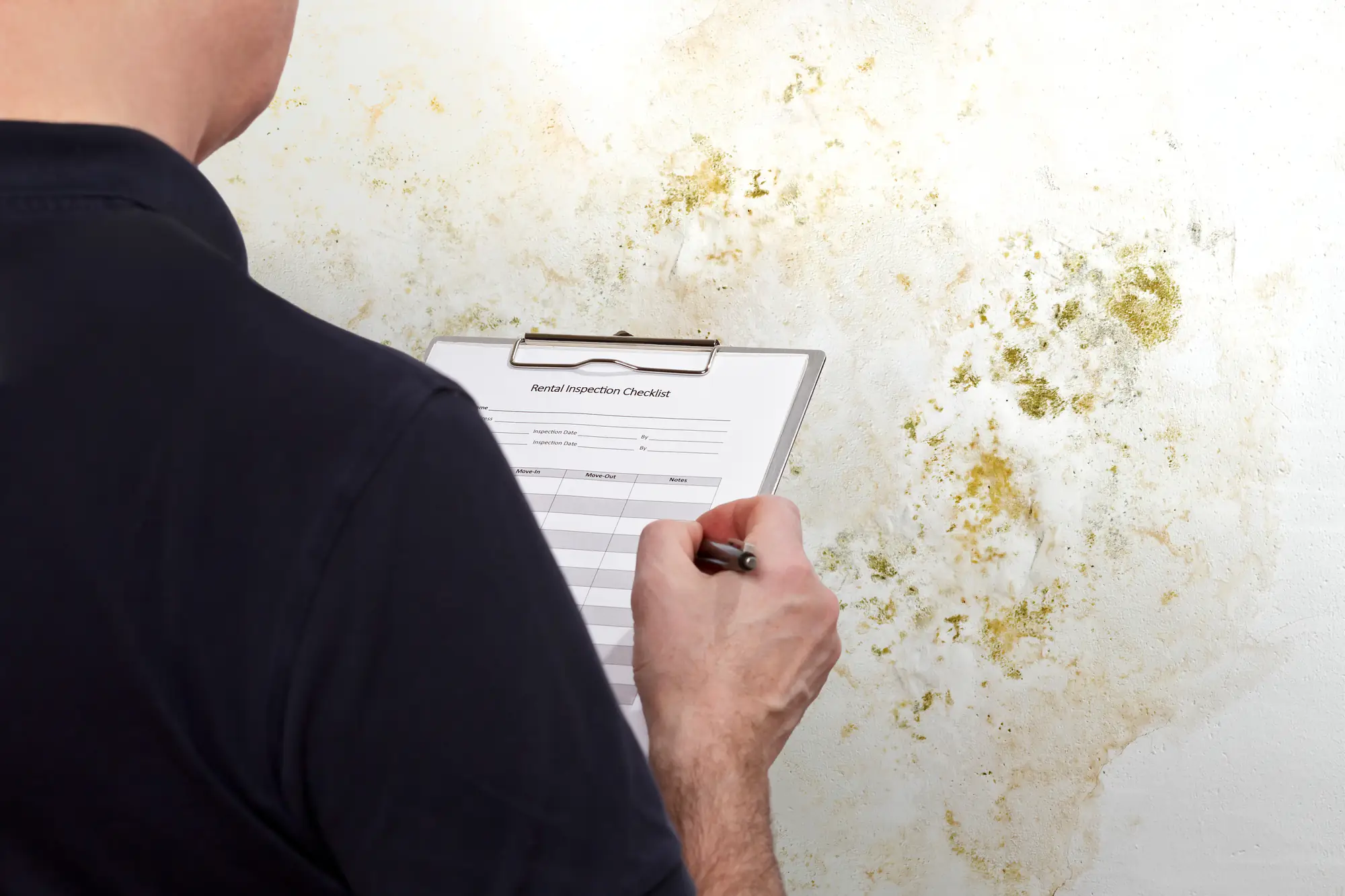
We start with a visual inspection of your property. That includes basements, crawl spaces, attics, bathrooms, and anywhere moisture tends to collect. We’re looking for visible mold, water stains, condensation, and conditions that support mold growth.
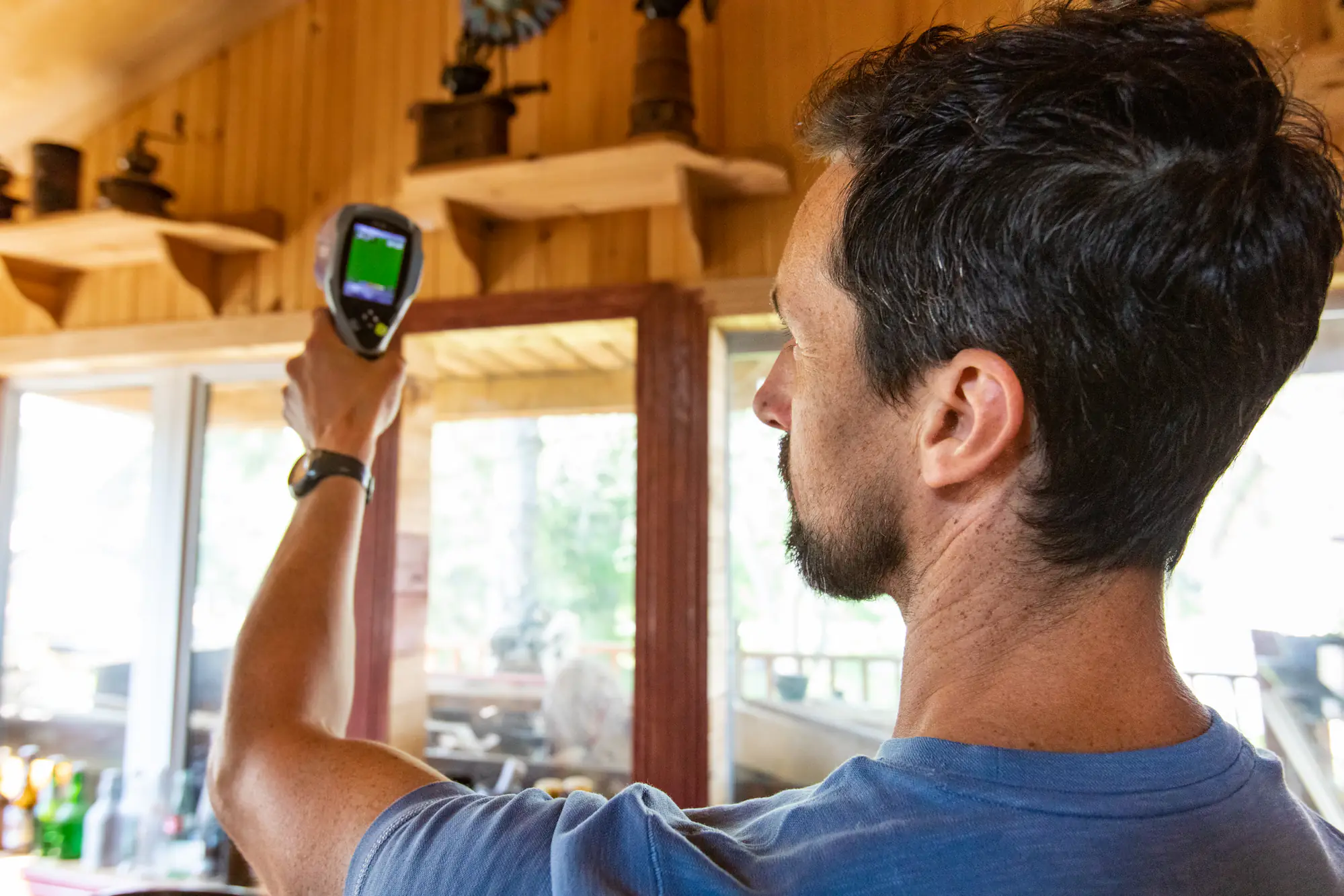
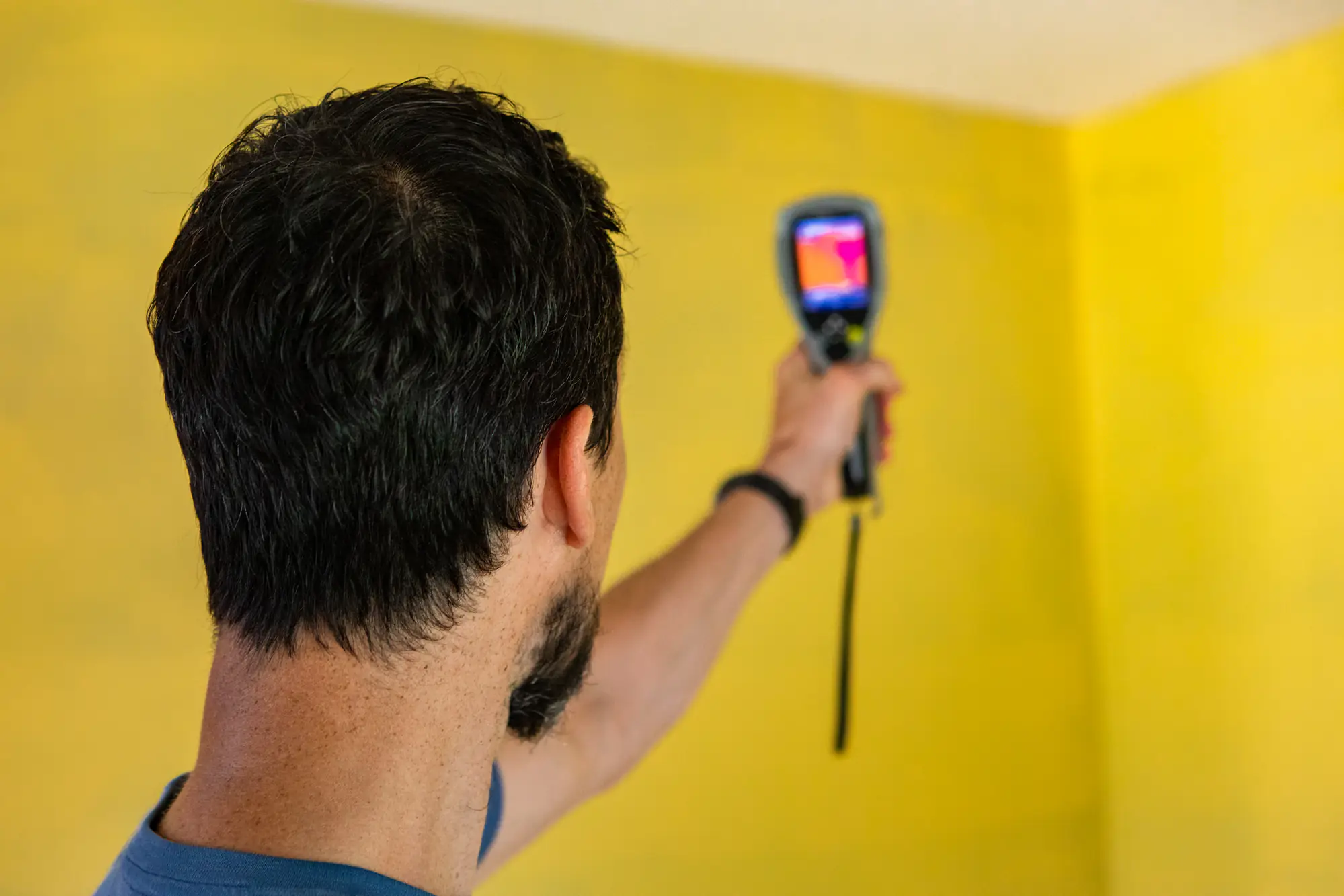
Next, we use moisture meters and infrared thermal imaging to detect hidden water intrusion. Mold grows where water sits, and not all of it is visible. Thermal imaging shows us temperature differences behind walls and ceilings that indicate moisture problems.
Then we collect samples. Air samples measure mold spore concentration in your indoor environment. Surface samples test specific areas where we see growth or discoloration. These samples go to a certified lab for analysis. You receive a report identifying mold species, spore counts, and whether levels exceed safe thresholds.
The entire process takes a few hours depending on property size. You’ll have lab results within a few days, and we’ll walk you through what they mean and what your options are.
Ready to get started?
Every mold testing service includes a full property inspection, moisture detection with specialized equipment, and sample collection for lab analysis. You’re not paying for a quick walkthrough. You’re paying for data.
Bridesburg homes face specific challenges. Older construction, shared walls in rowhomes, and basements that weren’t designed with modern waterproofing create environments where mold thrives. Philadelphia’s humid summers don’t help. When temperatures climb and moisture accumulates, mold can colonize a space in 24 to 48 hours.
We test for common species like black mold (Stachybotrys), Aspergillus, Penicillium, and Cladosporium. Each has different health implications. Some cause allergic reactions. Others trigger asthma or respiratory infections. The lab report tells you what you’re dealing with so you can make informed decisions about remediation.
If you’re in a real estate transaction, testing provides documentation that satisfies Pennsylvania disclosure requirements. Buyers want proof. Lenders want proof. Professional testing gives you both.
Cost depends on property size and how many samples you need. A basic residential mold test with air and surface sampling typically runs between a few hundred dollars and up, depending on square footage and the number of areas tested.
If you’re testing a small rowhome with a suspected problem in one room, that’s less involved than testing a multi-level property with a finished basement and attic. More samples mean higher lab fees, but they also give you a more complete picture.
Some mold testing companies offer free inspections and then upsell remediation. We charge for testing because it’s a separate service that requires lab work and detailed reporting. You’re paying for accuracy, not a sales call. If you decide to move forward with remediation after testing, we can discuss how that works.
Visible mold tells you there’s a problem, but it doesn’t tell you what type of mold it is, how widespread the contamination is, or whether there’s hidden growth elsewhere. Testing answers those questions.
Black mold looks similar to other species, but the health risks aren’t the same. Lab analysis identifies the specific mold and measures concentration levels. That information determines how aggressive your remediation needs to be.
Testing also checks air quality. You might see mold in your bathroom, but if spore counts are elevated throughout your home, the problem is bigger than one visible patch. Air sampling shows whether mold has spread through your HVAC system or into areas you can’t see. If you’re selling your home or dealing with a tenant complaint, a professional mold test provides documentation that protects you legally.
Lab results typically come back within three to five business days after we collect samples. The timeline depends on the lab’s workload, but most certified labs process samples quickly.
You’ll receive a detailed report showing mold species identified, spore concentration levels, and whether those levels fall within acceptable ranges. We’ll review the report with you and explain what the findings mean for your property.
If you’re in a time-sensitive situation like a real estate closing, let us know upfront. We can prioritize sample processing and coordinate with the lab to expedite results. Testing takes a few hours onsite, but the lab work is what determines your timeline. Once you have results, you can make decisions about remediation, disclosure, or next steps with confidence.
A mold inspection is a visual assessment. We walk through your property, look for visible mold, check for moisture problems, and identify conditions that support mold growth. An inspection tells you whether mold is likely present and where.
Mold testing goes further. We collect air and surface samples and send them to a lab for analysis. Testing identifies specific mold species, measures spore concentrations, and provides data you can use to assess health risks and plan remediation.
You might not need testing if there’s obvious mold and you’re moving straight to remediation. But if you’re buying a home, dealing with health symptoms, or need documentation for insurance or legal purposes, testing gives you verified results. It’s the difference between “I think there’s mold” and “Here’s exactly what’s growing and how much.”
Mold grows wherever moisture and organic material meet. If you remove the mold but don’t fix the moisture problem, it will come back. That’s why remediation has to address the source, not just the symptoms.
Testing before and after remediation confirms the work was done correctly. Post-remediation testing measures air quality and checks that spore levels have returned to normal. If they haven’t, something was missed.
In Bridesburg, common moisture sources include basement seepage, roof leaks, plumbing issues, and poor ventilation in bathrooms and kitchens. Fixing those problems permanently requires waterproofing, dehumidification, or structural repairs. Mold remediation removes contamination, but long-term prevention depends on controlling moisture. We can test your property after remediation to verify the environment is safe and the problem won’t recur.
Pennsylvania law requires sellers to disclose known material defects, and mold qualifies. If you know there’s mold or you’ve had water damage that could have caused mold, you’re legally obligated to disclose it.
Mold testing isn’t required by law, but it protects you. If a buyer’s inspector finds mold and you didn’t disclose it, you could face legal consequences, contract cancellation, or demands for price reductions. Testing before listing gives you documentation and shows transparency.
Buyers often request mold inspections during due diligence, especially on older homes. If you’ve already tested and remediated, you can provide lab reports proving the issue was addressed professionally. That builds confidence and keeps deals moving. Proactive testing can actually increase your home’s marketability and prevent last-minute surprises that kill sales.
Other Services we provide in Bridesburg