
Hear from Our Customers
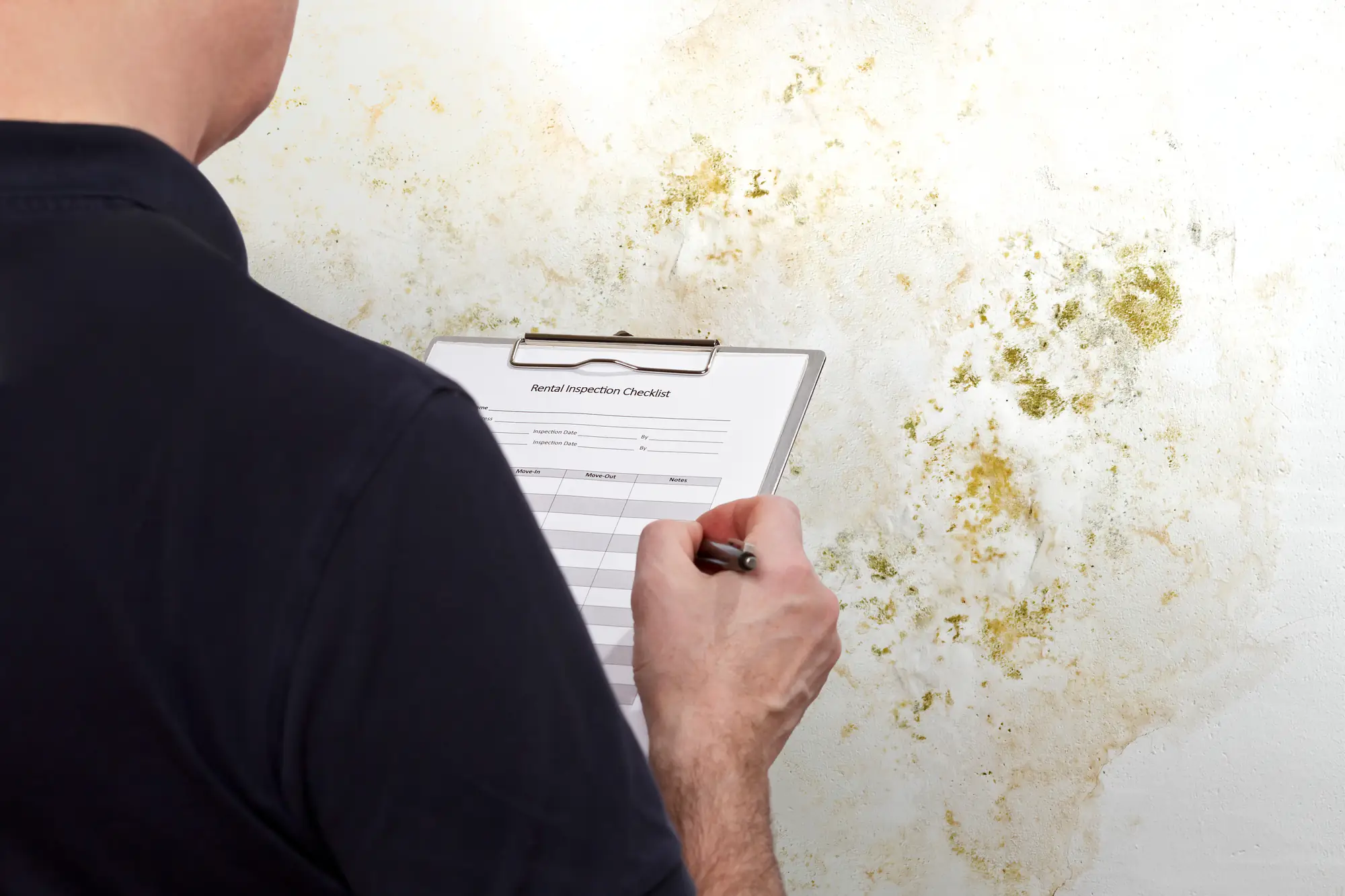
You can’t fix what you can’t see. That’s the problem with mold in older University City homes—it hides behind walls, under floors, in corners you’d never think to check.
A professional mold inspection gives you the full picture. We use moisture mapping, air sampling, and surface testing to find contamination you’d miss on your own. You get a detailed report that tells you what type of mold is present, where it’s growing, and how serious the issue is.
That clarity matters when you’re deciding whether to buy a home, file an insurance claim, or just figure out why your family keeps getting sick. You’re not guessing anymore. You know what’s there, and you know what it’ll take to fix it.
We’ve spent years working in University City homes—century-old basements with failing waterproofing, brick foundations that trap moisture, apartments near UPenn and Drexel with poor ventilation. We know what Philadelphia’s humid summers do to indoor air quality.
We’re not here to upsell you on services you don’t need. We inspect, we document, we explain what we found and why it happened. Then we give you options. Some jobs need immediate remediation. Others just need better airflow and a dehumidifier.
You’ll know the difference because we’ll tell you.
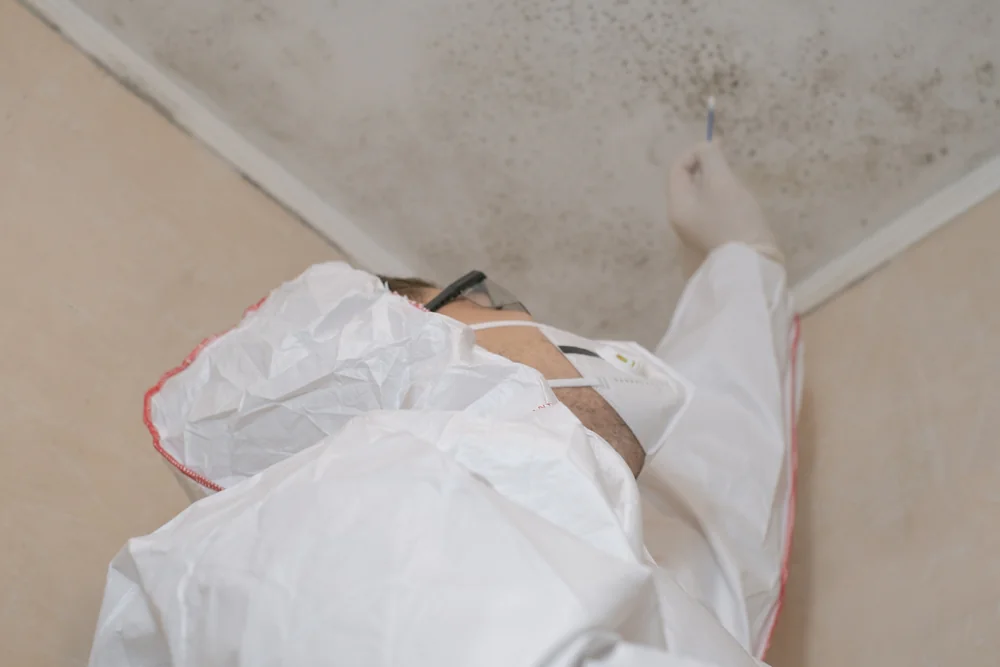
We start by asking what you’ve noticed—musty smells, visible spots, health symptoms, water damage. That helps us know where to focus.
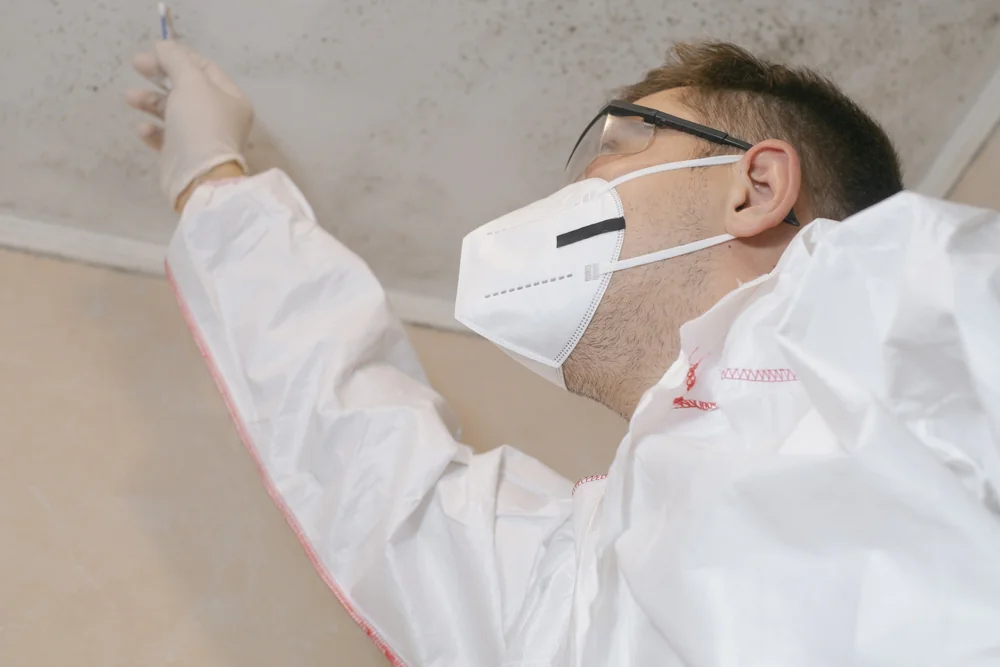
Then we walk through your property with moisture meters and thermal imaging cameras. We’re checking basements, crawl spaces, attics, bathrooms, anywhere water or humidity could be feeding mold growth. If we find suspicious areas, we take air samples or surface lifts to identify the mold type.
After the inspection, you get a written report. It includes photos, lab results if we sent samples for testing, moisture readings, and our recommendations. If remediation is needed, we’ll explain the scope and cost. If it’s something you can handle yourself, we’ll tell you that too.
The whole process usually takes a few hours. You’ll have answers the same day, and lab results within a few days if testing was needed.

Ready to get started?
Every mold inspection includes a visual assessment of your entire property, moisture mapping to find hidden water sources, and air quality testing in affected areas. We document everything with photos and detailed notes.
In University City, we pay extra attention to basements and older HVAC systems—two of the biggest mold contributors in this area. Philadelphia’s humidity regularly tops 60% in summer, and homes built before modern ventilation standards struggle to manage that moisture. Add in aging infrastructure and you’ve got the perfect recipe for mold growth.
If we find mold, we identify the type. That matters because black mold requires different handling than surface mildew. You’ll get a report you can share with your insurance company, your real estate agent, or your contractor. It’s thorough enough to support a claim or guide a remediation plan.
We also explain what caused the mold in the first place—whether it’s a roof leak, condensation, poor drainage, or something else. Knowing the source helps you prevent it from coming back.
Most mold inspections in University City run between $300 and $600 depending on your home’s size and how much testing is needed. A basic visual inspection with moisture readings costs less than a full assessment with lab testing of air and surface samples.
If you’re buying a home and want documentation for your records, expect to pay toward the higher end. If you just need to confirm whether that spot in your bathroom is mold, it’ll cost less.
Some companies offer free inspections, but they’re usually tied to remediation services. We charge for inspections because it keeps the process honest—you get an unbiased assessment, not a sales pitch. If the problem is minor, we’ll tell you. If it’s serious, you’ll know exactly what you’re dealing with before spending a dime on remediation.
You can buy a home mold testing kit for $10 to $50, but it won’t tell you much. Those kits detect mold spores in the air—which are present in nearly every home—but they don’t tell you the type, the concentration, or whether it’s actually a problem.
Professional mold detection uses calibrated equipment to measure moisture levels, thermal imaging to spot hidden water damage, and lab-tested samples to identify specific mold species. We also know where to look. Mold hides in places you wouldn’t think to check—inside walls, under flooring, in HVAC ducts.
If you can see mold growing on a surface, you don’t need an inspection. You need remediation. But if you smell something musty, you’re dealing with unexplained health issues, or you’ve had water damage and want to confirm it didn’t lead to mold growth, a professional inspection is the only way to get real answers.
Most inspections take two to four hours depending on your home’s size and how much area we’re covering. A small condo might take two hours. A larger single-family home with a basement and attic could take four.
We’re not rushing through it. We’re checking every room, measuring moisture levels, looking for water stains, testing air quality, and documenting what we find. If we need to take samples for lab testing, that adds a few minutes per sample but doesn’t significantly extend the appointment.
You’ll get a verbal summary right after we finish. The written report with photos and findings usually goes out the same day. If we sent samples to a lab, those results come back in three to five business days, and we’ll update your report once we have them.
Musty odors are the biggest giveaway, especially in basements, bathrooms, or areas that don’t get much airflow. If you smell something earthy or damp and can’t find the source, there’s likely mold growing somewhere hidden.
Other signs include visible discoloration on walls or ceilings, peeling paint or wallpaper, warped floors, and persistent condensation on windows. Health symptoms matter too—if your family is dealing with unexplained allergies, respiratory issues, headaches, or sinus problems that improve when you leave the house, mold exposure could be the cause.
Water damage is an automatic red flag. If you’ve had a leak, flooding, or even just high humidity for an extended period, mold can start growing within 24 to 48 hours. Even if you dried everything out, an inspection confirms whether mold took hold before you caught it. In University City’s older homes, small leaks often go unnoticed for months, giving mold plenty of time to spread.
Yes, but only if we take samples and send them to a lab for analysis. Black mold—technically called Stachybotrys chartarum—looks similar to other mold species, so visual identification isn’t reliable.
During the inspection, if we find mold that looks concerning, we’ll take a surface sample or an air sample and have it tested. The lab report will identify the exact species and concentration. That tells us whether you’re dealing with black mold, common household mildew, or something in between.
Black mold gets a lot of attention because it produces mycotoxins that can cause serious health problems, especially with prolonged exposure. But any mold growth in your home is worth addressing. Even less toxic species can trigger allergies, asthma, and respiratory issues. The inspection gives you the facts so you can make an informed decision about remediation, not just react to fear or assumptions.
If the home is older, has a basement, or shows any signs of water damage, yes. University City has a lot of century-old housing stock with original basements and outdated waterproofing. Those homes are prime candidates for hidden mold growth.
A standard home inspection doesn’t always catch mold, especially if it’s behind walls or under flooring. A dedicated mold inspection uses specialized equipment to find moisture and contamination that a general inspector might miss.
Getting an inspection before you close gives you leverage. If we find mold, you can negotiate repairs, ask the seller to handle remediation, or adjust your offer based on the cost to fix it. Skipping the inspection means you could be buying someone else’s mold problem—and remediation can easily run into the thousands depending on how widespread it is. Spending a few hundred dollars upfront can save you a major headache and a lot of money down the road.
Other Services we provide in University City