
Hear from Our Customers
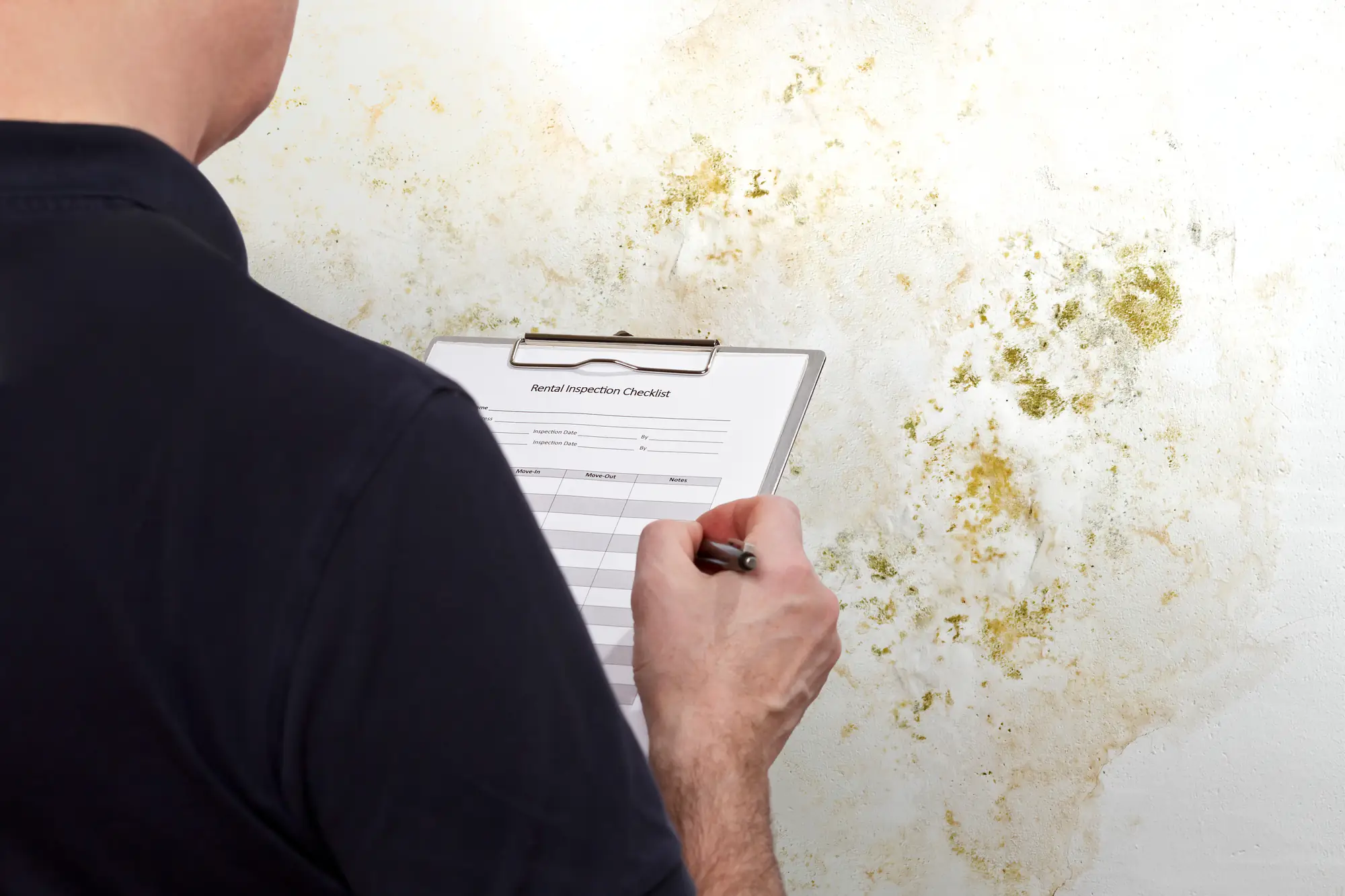
You shouldn’t have to wonder if that smell is mold or if those headaches are related to your home. A proper mold inspection gives you actual answers.
We check the places mold loves to hide—behind walls, under floors, in crawl spaces, around HVAC systems. We test the air quality in your home and identify what type of mold is present, if any. Then we tell you exactly what needs to happen next.
No upselling. No scare tactics. Just a clear assessment of what’s in your home and what it means for your health and property. You’ll know if you need remediation, how urgent it is, and what it’s likely to cost before anyone starts tearing into your walls.
We serve homeowners throughout Kensington and Bucks County with straightforward mold detection services. We’re a local company that shows up when we say we will and tells you what we find without the runaround.
Kensington’s older housing stock and Pennsylvania’s rising precipitation levels mean mold problems are common here. We’ve seen it all—from minor surface growth to serious contamination behind original plaster walls. Our goal is to make your indoor space safer and give you the information you need to make smart decisions about your property.
We offer free initial assessments, transparent pricing, and detailed reporting. You’ll get a written summary of what we found, where we found it, and what you should do about it.
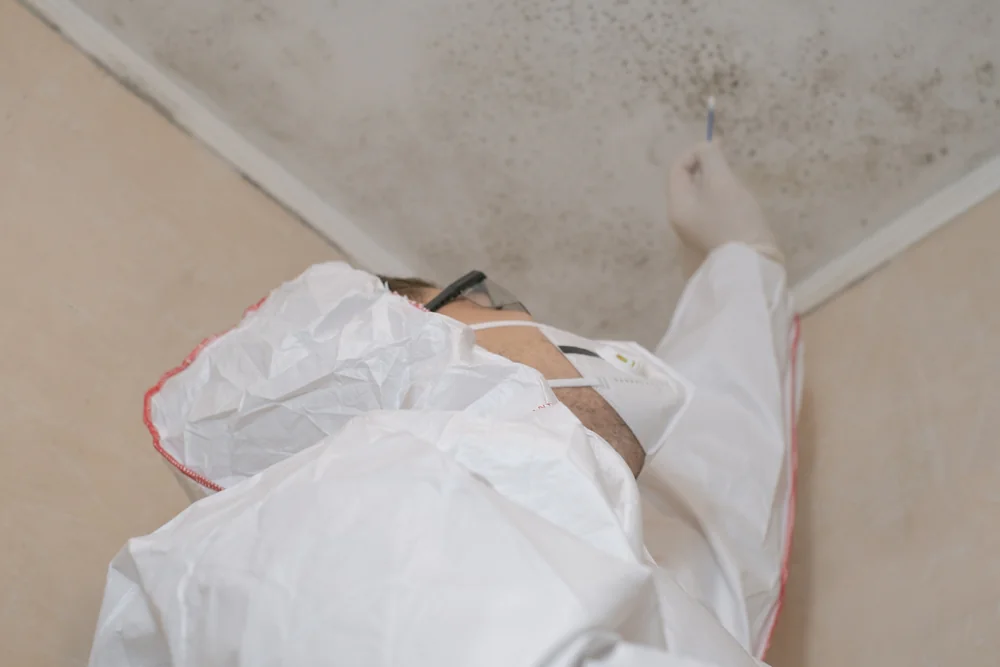
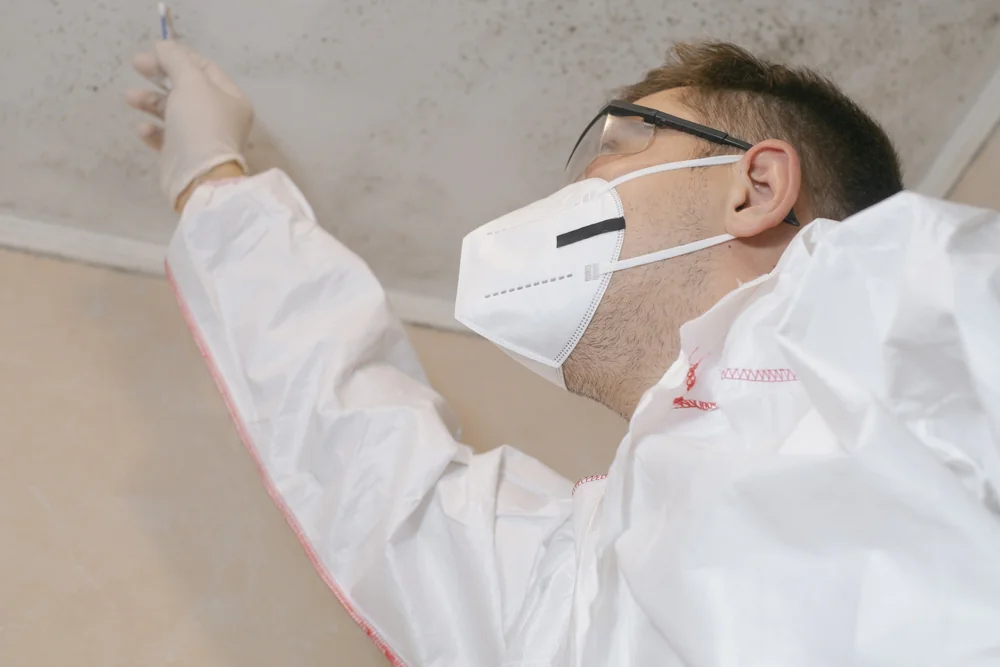
First, we walk through your property and look for visible signs of mold growth, water damage, or moisture problems. We’re checking basements, bathrooms, kitchens, attics—anywhere water or humidity could create conditions for mold.
Next, we use moisture meters and thermal imaging to find hidden water sources you can’t see. Mold doesn’t grow without moisture, so identifying leaks or condensation issues is part of the process. We also take air samples and surface samples to identify the type and concentration of mold spores in your home.
After testing, we send samples to a certified lab for analysis. You’ll receive a detailed report that explains what was found, where it was found, and what the lab results mean for your health and property. If remediation is needed, we’ll outline a clear plan with realistic cost estimates. If your home is clear, we’ll tell you that too.

Ready to get started?
Every home mold inspection includes a full property assessment, moisture detection, air quality testing, and surface sampling where needed. We inspect visible areas and use equipment to check behind walls and under floors where mold often hides.
In Kensington, we’re dealing with a mix of older rowhomes and newer construction. Older properties often have ventilation issues and aging plumbing that create perfect conditions for mold. Newer homes can have mold problems too, especially if they were built or renovated quickly without proper moisture barriers. We adjust our inspection approach based on your property type and the specific issues you’re experiencing.
You’ll also get a written report with lab results, photos of problem areas, and a remediation plan if mold is present. We work with insurance companies if you’re filing a claim, and we’re available to answer questions after the inspection. If you’re buying a home in Kensington, we can provide pre-purchase mold inspections to help you avoid costly surprises after closing.
Most mold inspections in Kensington run between $300 and $1,000, with the average around $670. The final cost depends on the size of your property, how many areas need testing, and whether lab analysis is required.
A basic visual inspection with moisture detection costs less than a full inspection with air sampling and lab work. If you’re dealing with a small area of visible mold, you might not need extensive testing. If you’re experiencing health symptoms or buying a property, a comprehensive inspection with lab analysis gives you more complete information.
We offer free initial assessments so you can understand what’s needed before committing to a full inspection. We’ll explain what tests make sense for your situation and give you a clear price upfront.
Musty odors are the most common sign. If your home smells like mildew or wet cardboard, there’s likely mold growing somewhere. Visible discoloration on walls, ceilings, or around windows is another clear indicator.
Health symptoms can also point to mold problems. Unexplained respiratory issues, headaches, skin irritation, or allergy symptoms that get worse at home are worth investigating. This is especially true for young children, elderly family members, or anyone with existing respiratory conditions.
Water damage is a red flag. If you’ve had leaks, flooding, or plumbing problems, mold can start growing within 24 to 48 hours. Even if you dried everything out, mold may have already taken hold in hidden areas. If you’re buying a home in Kensington, a pre-purchase inspection can uncover problems before you close.
DIY mold test kits can tell you if mold spores are present, but they won’t tell you what type of mold you’re dealing with, how much is there, or where it’s coming from. Most homes have some mold spores in the air naturally, so a positive test doesn’t always mean you have a problem.
Professional mold detection uses calibrated equipment to measure moisture levels, thermal imaging to find hidden water sources, and lab-analyzed samples to identify specific mold types. Black mold (Stachybotrys) requires different handling than common household molds like Aspergillus or Penicillium.
A professional inspection also includes a full property assessment. We find the moisture source causing the mold growth, which is critical for preventing it from coming back. If you’re dealing with health symptoms, planning remediation, or need documentation for insurance or real estate transactions, a professional inspection gives you reliable information you can act on.
A typical home mold inspection takes two to three hours, depending on the size of your property and the extent of testing needed. Smaller homes or condos might take less time. Larger properties with basements, attics, and multiple bathrooms take longer.
We spend time checking every area where mold commonly grows—bathrooms, kitchens, basements, crawl spaces, attics, and around HVAC systems. We also use moisture meters and thermal imaging to check behind walls and under floors, which adds time but finds problems you can’t see.
Lab results usually come back within three to five business days. Once we have the results, we’ll send you a detailed report and walk you through what we found. If you need faster results for a real estate transaction or urgent situation, we can often arrange expedited lab processing.
If we find mold, we’ll identify the type, measure the concentration, and locate the moisture source causing it. Not all mold requires professional remediation. Small areas of surface mold can sometimes be cleaned with proper techniques and protective equipment.
Larger infestations, toxic mold types like Stachybotrys, or mold in HVAC systems typically require professional remediation. We’ll give you a detailed plan that outlines what needs to be removed, what can be cleaned, and how to fix the underlying moisture problem so mold doesn’t return.
Remediation costs vary widely based on the extent of contamination. Minor cleanup might cost a few hundred dollars. Extensive mold removal can run several thousand. We provide clear estimates before any work begins, and we can work with your insurance company if you’re filing a claim. We also offer financing options to make remediation more manageable if you need it.
Pennsylvania’s precipitation has increased 5% to 10% in recent years, creating more moisture problems in homes. Kensington’s housing stock includes many older rowhomes with aging plumbing, poor ventilation, and limited moisture barriers—all conditions that encourage mold growth.
The area’s warm, humid summers make mold types like Aspergillus and black mold especially common. Basements and crawl spaces in older homes often have moisture issues from groundwater or condensation. Even newer construction can have mold problems if builders cut corners on ventilation or waterproofing.
Mold doesn’t need much to thrive—just moisture, organic material like wood or drywall, and temperatures above 40 degrees. Once it starts growing, it spreads quickly. Regular inspections after water damage, during real estate transactions, or when you notice symptoms can catch problems before they become expensive remediation projects.
Other Services we provide in Kensington