
Hear from Our Customers
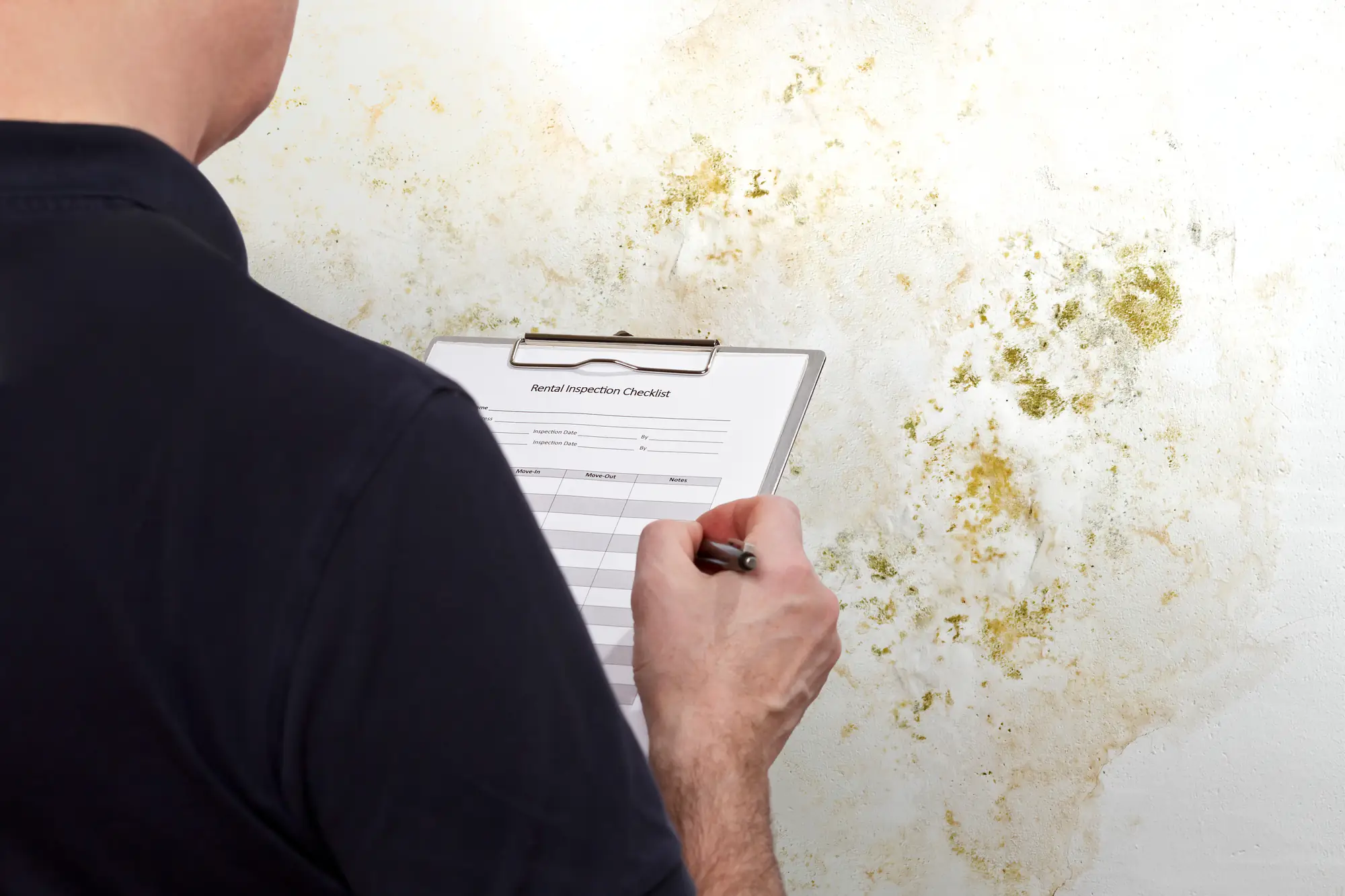
You’re noticing a musty smell in your basement. Maybe you’ve spotted discoloration on a wall after that last heavy rain. Or you’re buying a home in Center City and want to know what’s really behind those old plaster walls before you sign.
Mold doesn’t announce itself until it’s already a problem. By the time you see it, it’s been growing for weeks—sometimes months. And if you’re experiencing unexplained allergies, headaches, or respiratory issues, there’s a decent chance mold is part of the equation.
A proper mold inspection gives you clarity. You’ll know if there’s mold, where it’s hiding, and what’s causing it. That means you can make informed decisions about your health, your property, and your wallet—before a small issue turns into an expensive remediation job.
Center City’s aging row homes and high humidity make this more common than most people realize. The faster you catch it, the less it costs to fix.
We’ve been inspecting homes and commercial properties across Center City, PA for years. We understand how Philadelphia’s climate and building stock create the perfect conditions for mold growth—especially in older properties with aging infrastructure, poor ventilation, and hidden moisture problems.
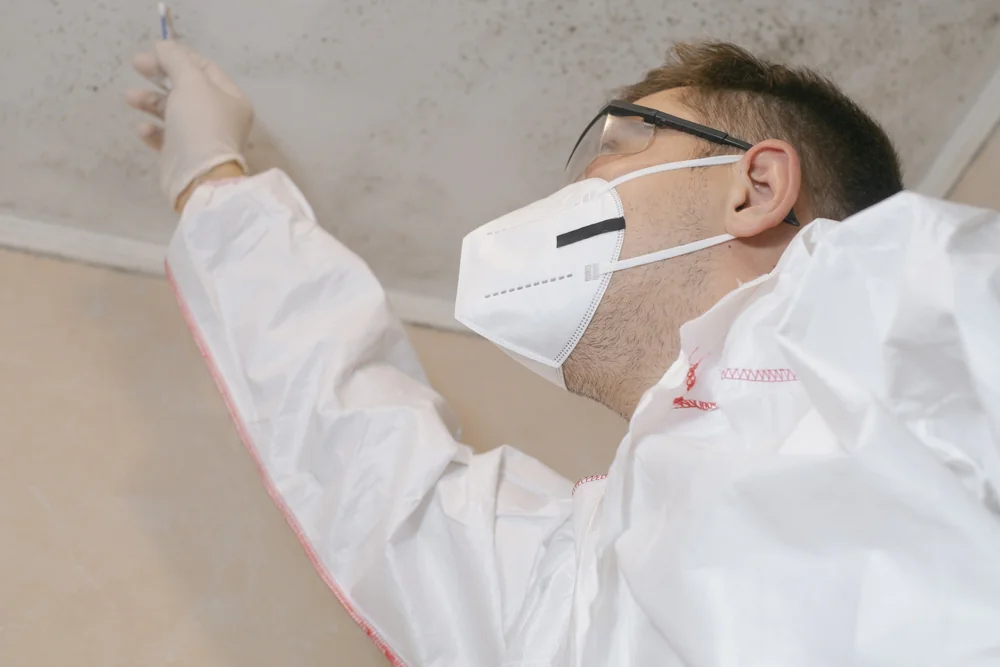
Our team uses thermal imaging and EPA-certified testing methods to detect mold you can’t see. We’re not here to upsell you on remediation services we don’t offer. We just test, document, and tell you exactly what’s going on.
You get an independent assessment from certified inspectors who’ve seen it all—from colonial-era basements to modern condo HVAC systems. We know what to look for in Center City properties, and we know how to find the water source that’s feeding the problem.
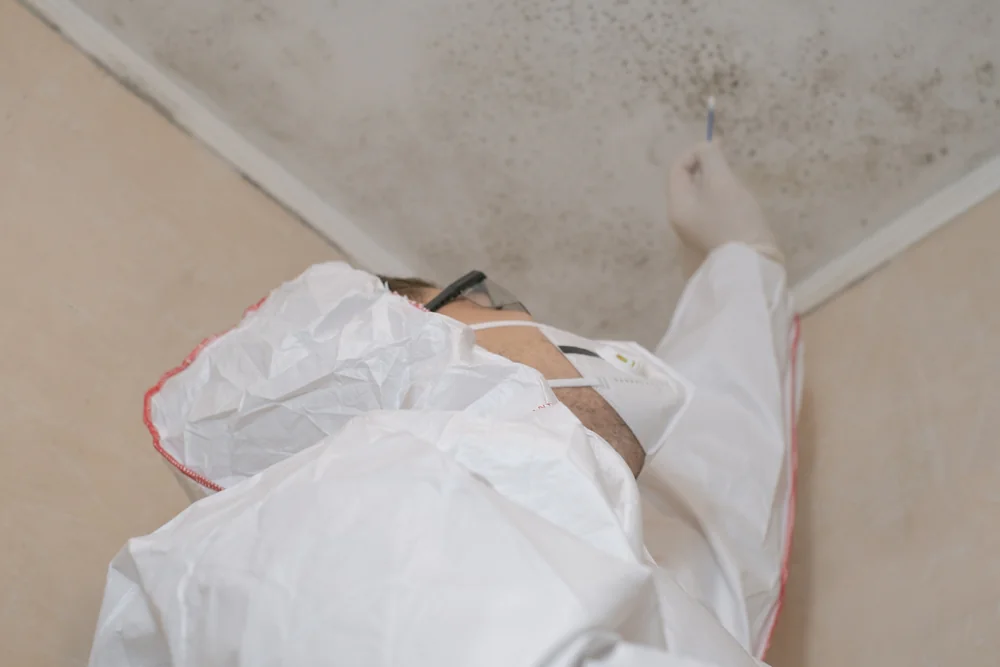
We start with a visual assessment of your property. That means checking the obvious spots—bathrooms, basements, crawl spaces—but also the hidden areas where moisture tends to accumulate in Center City homes. We’re looking at HVAC systems, window seals, foundation walls, and anywhere water could be getting in.
Next, we use thermal imaging to detect temperature differences that indicate moisture behind walls, ceilings, and floors. This technology lets us spot problem areas before they become visible mold growth. If we find suspicious areas, we take air and surface samples for lab analysis.
Those samples go to an independent laboratory for species identification and spore concentration testing. You get a detailed report that tells you exactly what type of mold is present, how much, and where. More importantly, we identify the moisture source—because removing mold without fixing the water problem means it’s coming back.
The whole process typically takes a few hours, depending on your property size. You’ll have results within a few days, along with clear recommendations for next steps if remediation is needed.

Ready to get started?
Your mold inspection includes a complete visual assessment of your property, thermal imaging to detect hidden moisture, and air quality testing to measure spore levels. We also take surface samples from any visible growth or suspicious areas.
All samples are analyzed by an EPA-certified lab. You receive a written report with lab results, photos, moisture readings, and our findings about the source of the problem. If you’re dealing with a real estate transaction or insurance claim, this documentation is exactly what you need.
Center City properties face specific challenges. The combination of Philadelphia’s humid summers, frequent rain, and aging building stock means moisture intrusion is common. Older row homes often have foundation issues, outdated drainage systems, and poor ventilation in basements and attics. Modern buildings aren’t immune either—HVAC condensation and window leaks create ideal conditions for mold growth.
We also provide guidance on what happens next. If remediation is necessary, you’ll know the scope of work and can get accurate quotes from removal companies. If it’s a minor issue, we’ll tell you that too. You’re not getting oversold—you’re getting facts.
Most mold inspections in Center City range from $300 to $600, depending on your property size and how many samples need lab testing. A typical single-family row home inspection with air and surface sampling usually falls in the $400-$500 range.
The cost covers the visual inspection, thermal imaging, sample collection, independent lab analysis, and a detailed written report. Some companies offer free inspections, but they’re usually tied to remediation services—meaning there’s a built-in incentive to find problems. We charge for testing because we don’t do the removal work, so you get an unbiased assessment.
If you’re buying a home, this is one of the smartest investments you can make. Finding a hidden mold problem before closing can save you thousands in unexpected repairs. Same goes for landlords dealing with tenant complaints—documentation protects you legally and helps you address the real issue instead of guessing.
The most obvious sign is visible mold growth—black, green, or white patches on walls, ceilings, or around windows. But you don’t need to see mold to have a problem. A persistent musty odor is a major red flag, especially in basements, bathrooms, or areas with poor ventilation.
Water damage is another clear indicator. If you’ve had a leak, flood, or ongoing moisture issue, mold can start growing within 24 to 48 hours. Even if the area looks dry now, mold could be thriving behind walls or under flooring.
Unexplained health symptoms are often overlooked. If you’re experiencing increased allergies, respiratory issues, headaches, or fatigue that improve when you leave the house, mold exposure could be the cause. About 21% of asthma cases in the U.S. are linked to mold and dampness in homes. If you’re buying or selling a property in Center City, a pre-purchase inspection is smart—especially for older homes where hidden issues are common.
The on-site inspection typically takes two to four hours, depending on the size of your property and how many areas need testing. A small condo might take two hours. A larger row home with a basement and attic could take closer to four.
We’re thorough because we’re looking for hidden problems, not just surface-level mold. That means checking crawl spaces, behind appliances, inside HVAC systems, and using thermal imaging to detect moisture you can’t see. If we find areas that need sampling, that adds a bit more time.
After the inspection, samples go to the lab for analysis. You’ll have a complete report with results in three to five business days. The report includes lab findings, photos, moisture readings, and our assessment of what’s causing the problem. If you need results faster for a real estate closing or insurance claim, expedited lab processing is available for an additional fee.
DIY mold test kits are available at hardware stores, but they have serious limitations. Most only tell you if mold spores are present—which they always are, because mold spores exist everywhere. They don’t tell you what type of mold, how much, or where it’s coming from. You’re basically paying $30 to confirm that air contains mold, which isn’t useful information.
A professional inspection uses thermal imaging to find hidden moisture, takes targeted samples from problem areas, and provides lab analysis that identifies specific mold species and concentration levels. More importantly, we find the source of the moisture feeding the mold. Without fixing that, any cleanup is temporary.
For Center City properties, this matters even more. Older buildings have unique moisture issues—foundation seepage, outdated drainage, poor ventilation. A professional inspector knows where to look and what to look for based on your building’s age and construction. If you’re dealing with a real estate transaction, insurance claim, or health concerns, you need documentation that holds up. DIY kits don’t provide that.
If we find mold, you get a detailed report that documents the type, location, and concentration levels. The report also identifies the moisture source causing the growth—whether that’s a plumbing leak, foundation issue, HVAC condensation, or poor ventilation. This is critical because removing mold without fixing the water problem means it will come back.
From there, you have options. Small, surface-level mold in a bathroom might be something you can address yourself with proper cleaning and ventilation improvements. Larger contamination or mold inside walls typically requires professional remediation. Our report gives you the information you need to get accurate quotes and make informed decisions.
We don’t perform mold removal, so our assessment is independent. You’re not getting pushed toward unnecessary services. If remediation is needed, you can hire any licensed contractor you want. If it’s minor, we’ll tell you that too. For real estate transactions, the report becomes part of your negotiation—you can request repairs, ask for a price reduction, or walk away if the problem is too extensive. For insurance claims, it’s the documentation you need to file.
We charge for our inspections because we provide independent testing without any connection to remediation services. When a company offers free mold inspections, they’re usually making money on the removal work—which creates an obvious conflict of interest. They have a financial incentive to find problems, even if they’re minor or don’t exist.
Our fee covers a thorough visual inspection, thermal imaging, air and surface sampling, independent lab analysis, and a detailed written report. You’re paying for unbiased information, not a sales pitch. That objectivity matters when you’re making decisions about your health, your property, or a real estate transaction.
For Center City homeowners and buyers, this approach protects you. You get facts, not fear tactics. If there’s a problem, you’ll know exactly what it is and what’s causing it. If there isn’t, you have peace of mind and documentation to prove it. The inspection cost is small compared to the money you could waste on unnecessary remediation—or the money you could lose by missing a real problem before buying a home.
Other Services we provide in Center City