
Hear from Our Customers

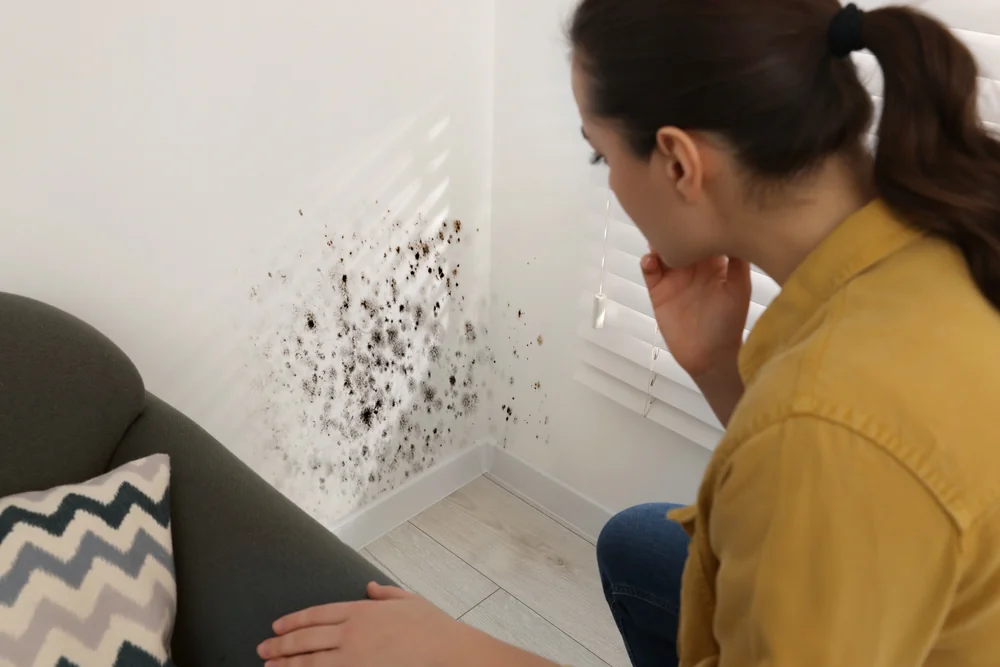
You can’t see mold spores. You can’t measure air quality with your eyes. But you can feel it—the allergies that won’t quit, the headaches, the stuffiness that never goes away.
A home air quality test gives you actual data. Not guesses. Not maybes. You’ll know if mold is growing behind your walls, if your HVAC system is circulating contamination, or if water damage from last winter created a problem you can’t see yet.
Most people wait until someone gets sick or until they’re selling and the buyer’s inspector finds something. By then, you’re dealing with remediation costs, health issues, and stress you could’ve avoided. Testing first means you catch problems early, when they’re cheaper and easier to fix.
We’ve been helping Wynnefield homeowners identify and fix indoor air quality problems for years. We’re not the company that shows up, waves a meter around, and leaves you with a vague report.
Our certified inspectors use professional-grade equipment to test for mold spores, moisture levels, and air contamination. We explain what we find in plain language, show you where the problem is, and tell you exactly what needs to happen next.
Wynnefield’s older homes—especially around the neighborhoods near Saint Joseph’s University and Bala Avenue—are beautiful, but many deal with basement moisture, old plumbing, and ventilation issues that create perfect conditions for mold. We’ve seen it all, and we know how to help.

First, we walk through your home and talk about what you’ve noticed—smells, symptoms, water damage, whatever brought you here. That conversation matters because it tells us where to look.
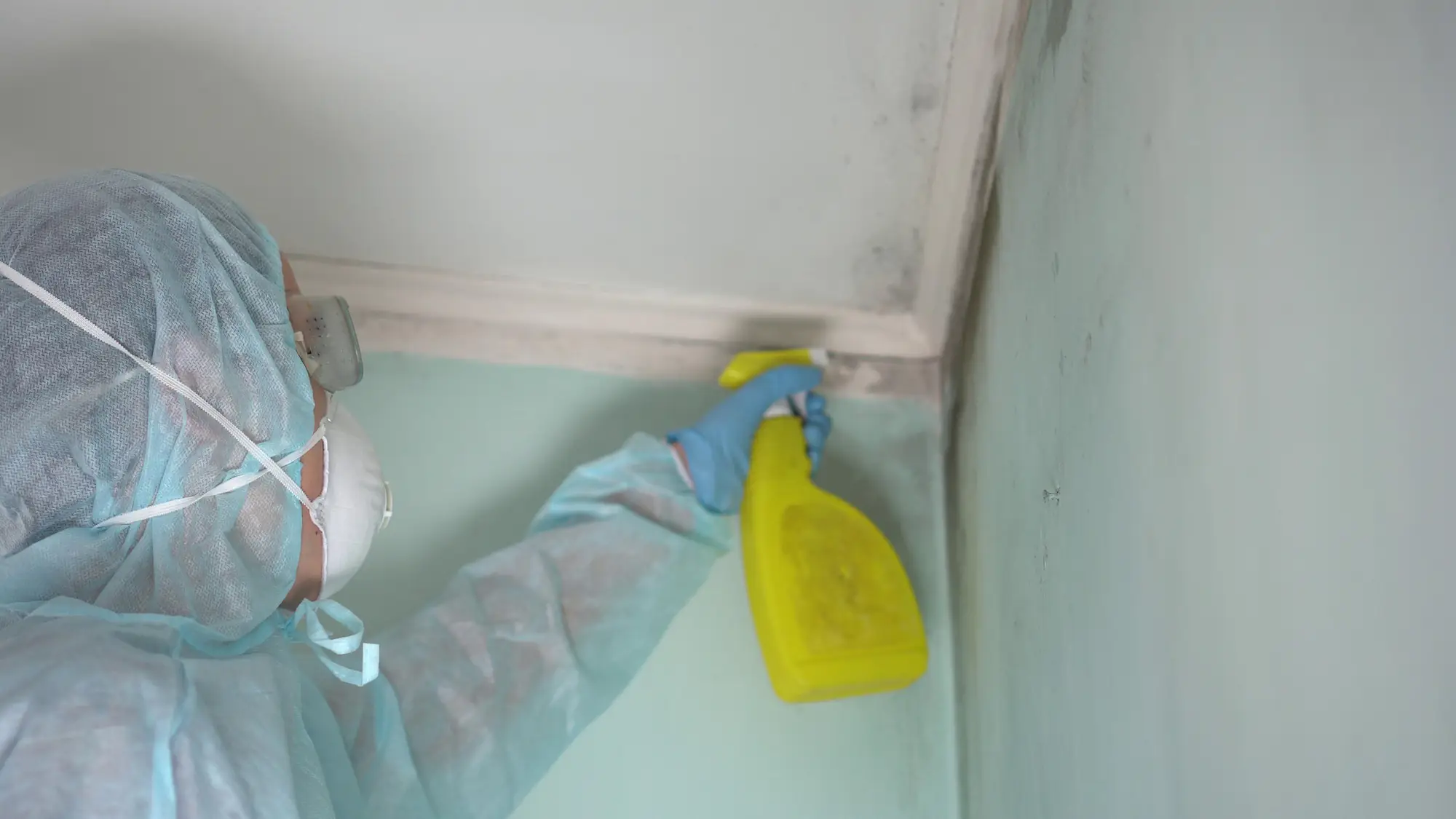
Then we take air samples from different areas of your home. We’re checking for mold spores, measuring particle counts, and looking for contamination you can’t see. If there’s visible mold or water damage, we document that too. We also use moisture meters to find hidden leaks or dampness in walls, ceilings, and floors.
The samples go to a certified lab for analysis. Within a few days, you get a detailed report that shows exactly what’s in your air and where it’s coming from. We review the results with you, explain what they mean, and recommend next steps—whether that’s remediation, ventilation improvements, or just monitoring.
You’re not locked into using us for the fix. But if you want help, we’ll give you a clear estimate and handle it start to finish.

Ready to get started?
Our residential air quality testing covers mold spores, airborne particles, moisture levels, and potential contamination sources. We don’t just test one room—we assess the whole home to find patterns and identify where problems are starting.
In Wynnefield, we see a lot of basement mold from foundation moisture, attic mold from poor ventilation, and bathroom mold from old exhaust fans that don’t actually vent outside. Homes near Cobbs Creek or along the lower-lying streets often deal with groundwater issues that create chronic dampness. We know what to look for because we’ve tested hundreds of homes in this area.
You’ll get a written report with lab results, photos, moisture readings, and our professional assessment. If mold is present, we’ll tell you the type and concentration. If there’s a moisture problem, we’ll show you where it’s coming from. And if your air quality is fine, we’ll tell you that too.
We also work with your insurance company if the issue is related to a covered event like a pipe leak or storm damage. We document everything so you have what you need for a claim.
If anyone in your home has unexplained allergies, respiratory issues, or symptoms that get better when they leave the house, that’s a sign. Same if you’ve had water damage—roof leak, burst pipe, flooding—even if it was months ago. Mold doesn’t always show up right away, and by the time you see it, it’s usually been growing for a while.
Musty smells are another red flag. If your basement, bathroom, or closets smell off, there’s likely mold or mildew somewhere. You might not see it because it’s behind drywall, under flooring, or in your HVAC ducts.
Testing is also smart if you’re buying or selling a home in Wynnefield. Older homes here are prone to moisture issues, and a pre-sale test can save you from surprises during inspection. For buyers, it’s peace of mind before you commit.
A visual mold inspection is exactly that—we look for visible mold, water damage, and conditions that support mold growth. It’s useful, but it only catches what we can see.
A mold air test measures what’s actually floating in your air. We take samples and send them to a lab that counts mold spore types and concentrations. This tells us if you have a mold problem even when there’s nothing visible. It’s especially important if you’re experiencing symptoms but can’t find the source.
We usually recommend both. The inspection finds active growth and moisture problems. The air test confirms whether spores are circulating and how bad the contamination is. Together, they give you the full picture. If you’ve already got visible mold, you might not need the air test—you already know you have a problem. But if you’re not sure, testing removes the guesswork.
The actual testing takes about an hour, depending on the size of your home. We’re collecting air samples, checking moisture levels, inspecting problem areas, and documenting what we find. You don’t need to do anything—just let us work.
The lab analysis takes about three to five business days. Once we get the results, we’ll call you to schedule a time to review them. We don’t just email you a report and disappear. We walk through what the lab found, explain what it means for your home, and answer your questions.
If it’s an urgent situation—like you’re closing on a house or someone’s having serious health symptoms—we can sometimes get results faster. Just let us know upfront and we’ll do what we can. But in most cases, a few days is standard, and it’s worth the wait to get accurate lab data instead of relying on guesses.
Air quality testing is completely non-invasive. We’re taking air samples, not cutting holes or removing materials. You won’t have any damage or repairs to deal with afterward.
If we do find something during the inspection that makes us think there’s hidden mold—like a soft spot in drywall or a stain that suggests a leak—we might recommend further investigation. That could mean cutting a small inspection hole, but we’d talk to you first and get your approval. It’s not part of the standard air test.
Moisture meters and thermal imaging cameras let us detect problems behind walls without cutting into anything. If we see high moisture readings or temperature differences that suggest water intrusion, we’ll point it out and explain what’s likely happening. From there, you decide if you want us to open it up and confirm. Most of the time, the air test and visual inspection give us enough information to move forward without any invasive work.
Cost depends on the size of your home and how many samples we need to take. For most single-family homes in Wynnefield, you’re looking at a few hundred dollars for a standard mold air test with lab analysis. Larger homes or properties where we need to test multiple areas separately will cost more.
We offer free assessments, so we can give you an exact price after we see your property and understand what you’re dealing with. If you’ve had recent water damage or you’re seeing mold in several rooms, we might recommend additional testing to get a complete picture.
If the testing reveals a mold problem and you hire us for remediation, we often credit the testing cost toward the job. And if your issue is covered by insurance—like mold from a pipe leak or storm damage—we’ll work with your insurance company to help with the claim. We’re upfront about pricing, and we don’t push services you don’t need. You’ll know what it costs before we start.
You can, but those kits have serious limitations. Most over-the-counter mold tests only tell you if mold is present—which isn’t that helpful, because some level of mold exists in almost every home. They don’t tell you what type of mold, how much, or whether it’s actually a problem.
Professional air quality testing uses calibrated equipment and certified labs. We’re measuring spore concentrations, identifying specific mold species, and comparing your indoor air to outdoor baselines. That data tells you if you have an abnormal mold problem or just normal background levels.
We also know where to test. Mold growth isn’t uniform—it clusters near moisture sources. If you test the wrong spot with a DIY kit, you’ll miss the problem entirely. Our inspectors know what to look for based on years of experience in Wynnefield homes. We find the hidden issues, not just the obvious ones. If you want real answers, professional testing is worth it.
Other Services we provide in Wynnefield