
Hear from Our Customers
You stop wondering what’s behind your walls. The musty smell disappears. Your kids aren’t coughing at night, and you’re not dealing with headaches or that constant runny nose anymore.
That’s what mold removal should do give you back a home that feels safe, not one you’re second-guessing every time someone sneezes. Overbrook’s humid summers create perfect conditions for mold to grow in places you’ll never see. Under floors. Behind drywall. In attics that haven’t been checked in years.
Our mold remediation process doesn’t just clean what’s visible. We find where it’s growing, why it’s growing, and what needs to change so it doesn’t come back next season. You get a full inspection, testing to confirm what type of mold you’re dealing with, complete removal, and a plan to prevent future growth.
No guessing. No surface-level cleanup that fails in six months. Just a home you can trust again.
We work exclusively in Bucks County, which means we know what mold problems look like here. We know the older homes in Overbrook that weren’t built with modern moisture barriers. We know how basements flood after heavy rain and how attics trap humidity all summer.
We’re not a national franchise following a script. We’re local, and we show up when you call 24/7 if it’s an emergency. Our team uses advanced detection equipment to find mold you can’t see, and we walk you through every step before we start work.
You’ll get a detailed report, clear pricing upfront, and help navigating insurance if your policy covers it. We’ve built our reputation here by doing the work right, not fast.
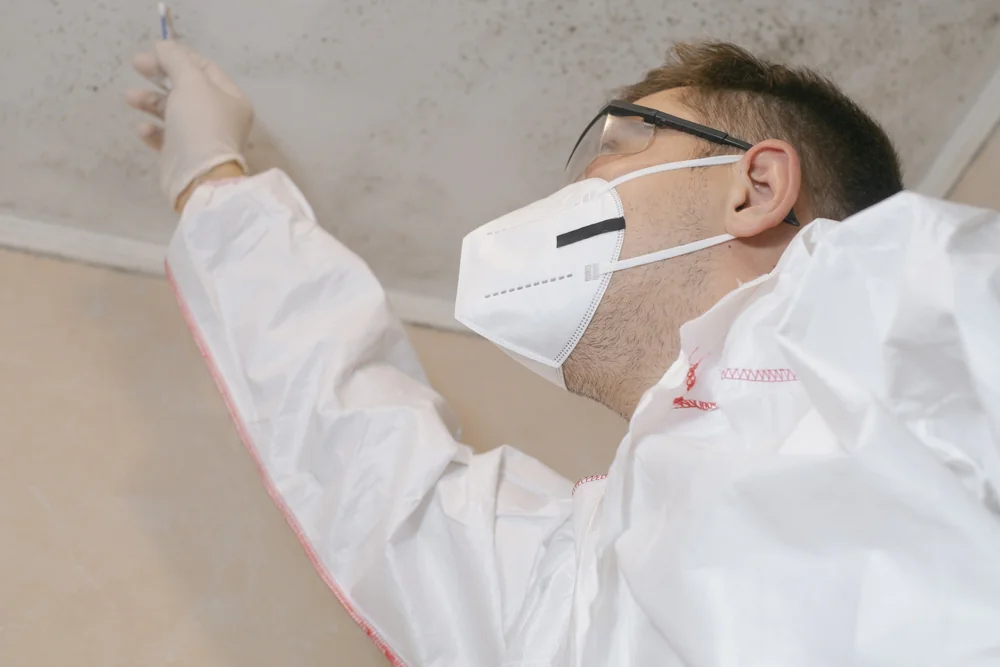
First, we come out for a free inspection. We’re looking for visible mold, but also moisture sources, ventilation issues, and hidden growth. We use thermal imaging and moisture meters to check behind walls and under floors without tearing your house apart.
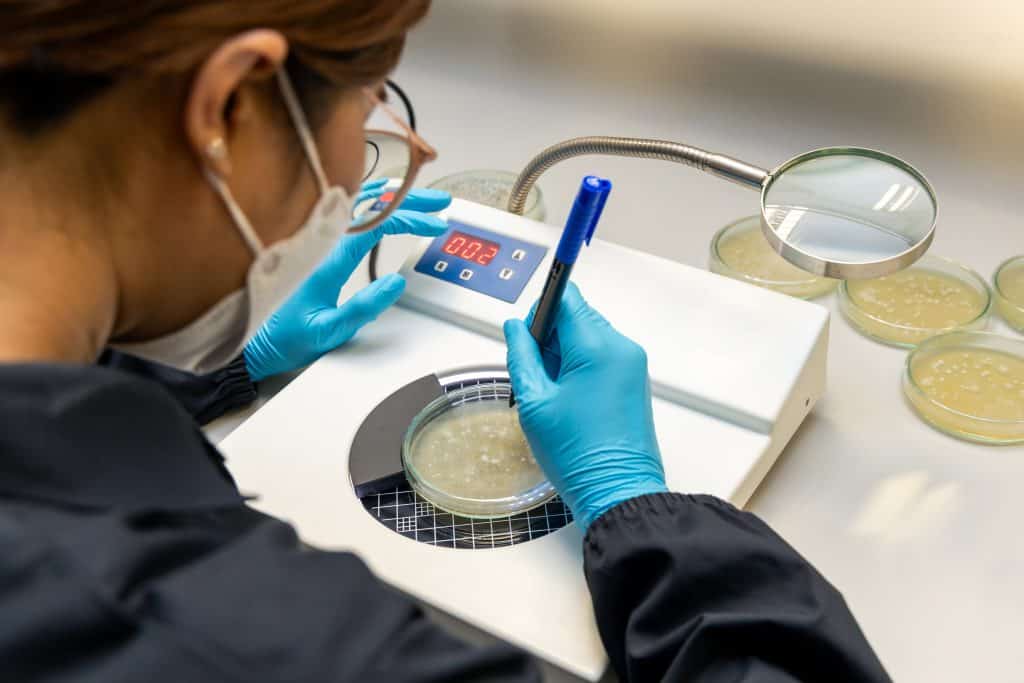
If we find mold, we test it. That tells us what species we’re dealing with and how aggressive the remediation needs to be. You get a written report with photos, findings, and a clear estimate before any work starts.
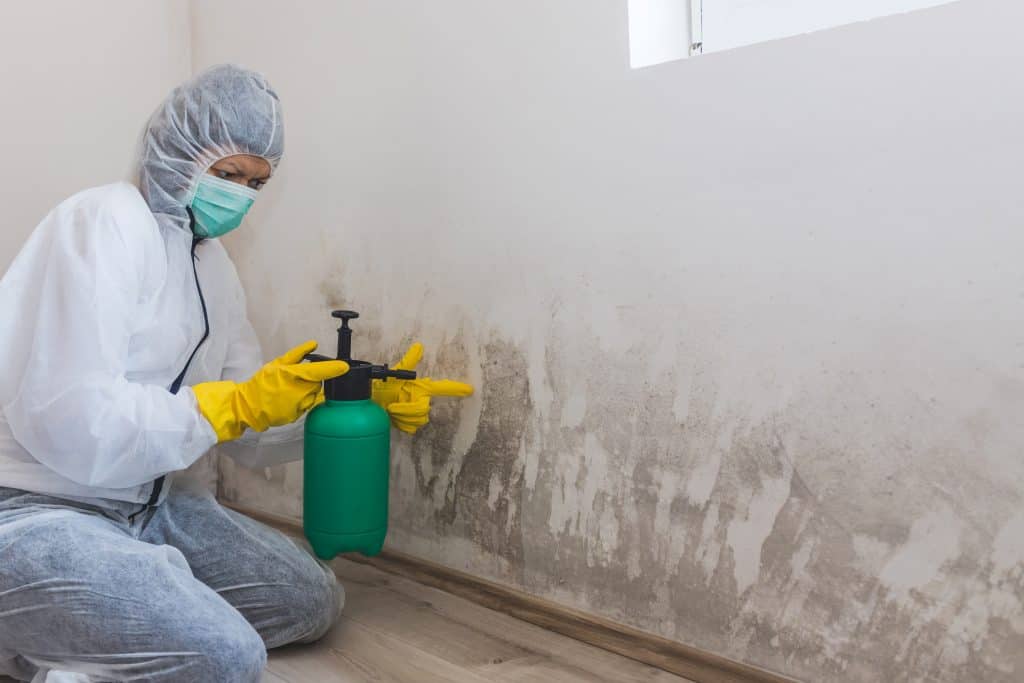
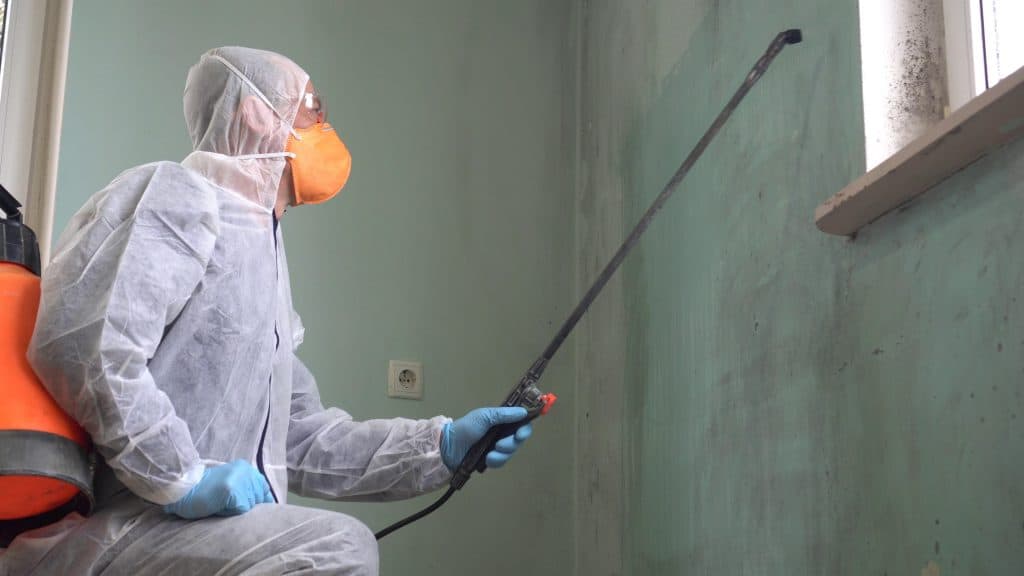
Once you approve, we contain the area to prevent spores from spreading. We remove contaminated materials, treat affected surfaces with antimicrobial solutions, and use HEPA filtration to clean the air. Then we address the moisture problem whether that’s a leak, condensation, or ventilation issue.
After cleanup, we test again to confirm the mold is gone. You get documentation for your records and insurance. We also give you a prevention plan so you know what to watch for and how to keep your home dry.
The whole process is transparent. You’re not left guessing what we did or whether it worked.
Ready to get started?
Every mold remediation job includes inspection, testing, containment, removal, air filtration, and post-remediation verification. We don’t skip steps to save time.
In Overbrook, we see a lot of basement mold from water seepage and attic mold from poor ventilation. Both require different approaches. Basements often need waterproofing or drainage work alongside mold removal. Attics need better airflow and insulation adjustments.
We handle black mold, which gets the most attention because of health risks, but also common species like Aspergillus and Penicillium that grow on damp drywall and wood. All of them need proper removal, not just bleach and a prayer.
You also get help with insurance claims. Most policies cover mold if it’s from a sudden event like a burst pipe, but not from long-term neglect. We document everything so you have what you need to file. And if you’re paying out of pocket, we offer financing to make it manageable.
Our goal is simple: get your home safe, keep it that way, and make the process as straightforward as possible.

You might see it dark spots on walls, ceilings, or around windows. But often, you smell it first. That musty, damp odor that doesn’t go away even after you clean.
Health symptoms are another clue. If you or your family are dealing with persistent allergies, coughing, headaches, or respiratory issues that get better when you leave the house, mold could be the cause. About 10% of people are severely allergic to mold, and even low levels can trigger reactions.
The tricky part is that mold grows where you can’t see it. Behind walls, under flooring, in crawl spaces, and attics. That’s why a professional mold inspection matters. We use moisture meters and thermal imaging to find hidden growth before it becomes a bigger problem. If you’re noticing signs, don’t wait mold spreads fast, especially in Bucks County’s humid climate.
It depends on what caused the mold. Most homeowners insurance policies cover mold removal if it’s the result of a sudden, accidental event like a burst pipe, roof leak during a storm, or appliance malfunction.
What they don’t cover is mold from long-term neglect or maintenance issues. If you had a slow leak you didn’t fix, or poor ventilation you ignored, insurance will likely deny the claim. Many policies also have caps on mold coverage, sometimes as low as $10,000, which might not cover a major remediation job.
We help you document everything properly so you have the best chance of getting coverage. That includes detailed reports, photos, moisture readings, and a clear timeline of events. If your claim gets approved, we work directly with your insurance adjuster to keep things moving. And if it doesn’t, we offer financing options so you’re not stuck living with a mold problem you can’t afford to fix.
Most residential mold removal jobs take between one and five days, depending on the size of the affected area and how severe the contamination is. A small bathroom with surface mold might be done in a day. A basement with extensive growth behind drywall could take a week.
The timeline also depends on what caused the mold. If we need to fix a plumbing leak or improve ventilation before we can start remediation, that adds time. Same with drying out the space if materials are still wet, we can’t treat them effectively.
We don’t rush the process to hit a deadline. Mold remediation done poorly just means you’ll be calling someone else in six months when it comes back. We contain the area, remove contaminated materials, treat surfaces, filter the air, and verify the mold is gone before we consider the job finished. You’ll know the timeline upfront, and we’ll keep you updated if anything changes.
You can handle very small areas less than 10 square feet if it’s surface mold on a non-porous material like tile or glass. Scrub it with detergent, dry it completely, and fix whatever caused the moisture. That’s the EPA’s guideline for DIY mold cleanup.
Anything bigger, anything behind walls, or anything involving black mold should be handled by professionals. Here’s why: disturbing mold releases spores into the air, which spread contamination and create health risks. Without proper containment and filtration, you’re making the problem worse.
DIY mold removal also misses the root cause. You might clean what you see, but if you don’t fix the moisture problem, the mold comes back. We see this constantly homeowners who tried bleach or store-bought sprays, only to have the mold return within weeks. Professional mold remediation includes testing to identify the species, containment to prevent spread, complete removal of contaminated materials, and addressing the underlying moisture issue. It costs more upfront, but it actually solves the problem.
Mold removal sounds like you’re getting rid of every single spore, but that’s not realistic. Mold spores are everywhere in the air, on surfaces, floating through your home right now. They’re part of the environment.
Mold remediation is about bringing mold levels back to normal, safe levels and eliminating active growth. We remove contaminated materials, treat affected areas, clean the air with HEPA filtration, and fix the conditions that allowed mold to thrive in the first place.
The goal isn’t a sterile environment it’s a healthy one. That means controlling moisture, improving ventilation, and making sure mold doesn’t have the damp conditions it needs to grow. In Overbrook, where humidity is high and older homes weren’t built with modern moisture barriers, remediation also involves prevention strategies. We don’t just clean up the mold and leave. We give you a plan to keep it from coming back, whether that’s dehumidifiers, better airflow, or waterproofing recommendations.
Most homeowners in Overbrook pay between $1,500 and $6,000 for mold remediation, but costs vary based on the size of the affected area, the type of mold, and how much demolition is required. A small bathroom with surface mold costs less than a finished basement with mold behind drywall and insulation.
Black mold remediation tends to cost more because it requires stricter containment and safety protocols. If we need to remove and replace building materials like drywall, flooring, or insulation, that adds to the cost. Same with addressing the moisture source if you need plumbing repairs or waterproofing work, that’s separate from the mold cleanup itself.
We give you a detailed, upfront estimate after the inspection so there are no surprises. If your insurance covers it, we help with the claim process. If you’re paying out of pocket, we offer financing to make it manageable. The worst thing you can do is ignore mold because of cost it only gets more expensive the longer you wait, and the health risks aren’t worth it.
Other Services we provide in Overbrook