
Hear from Our Customers

You’re not just getting rid of visible mold. You’re eliminating the respiratory irritation, the musty smell, and the worry about what’s growing behind your walls.
Frankford homes face real mold challenges. With 36% of properties at flooding risk and 70% dealing with major heat factors, moisture finds its way into basements, crawl spaces, and bathrooms faster than most homeowners realize. That creates the perfect environment for mold species like Aspergillus and Penicillium to take hold.
Professional mold remediation addresses the growth you see and the spores you don’t. We use containment barriers and HEPA filtration to prevent contamination during removal. Then we treat the moisture source so you’re not dealing with the same problem six months later. Your indoor air quality improves within days, and the structural integrity of your property stays protected.
We’ve been serving Frankford and Bucks County for over 15 years. Jeff, the owner, handles your project directly. No middleman, no runaround.
We know the older housing stock in Frankford. Homes built in the 1940s weren’t designed with modern moisture barriers. Rowhouses and attached properties share humidity issues. Basements flood. Bathrooms vent poorly. We’ve seen it all, and we know how to fix it right the first time.
You get same-day inspections, lab-tested mold identification, and transparent pricing before any work starts. We’re rated 5.0 because we show up when we say we will and do exactly what we promise.
First, we inspect your property to locate all affected areas. Mold hides in places you can’t easily access behind drywall, under flooring, inside HVAC systems. We use moisture meters and thermal imaging to find it.
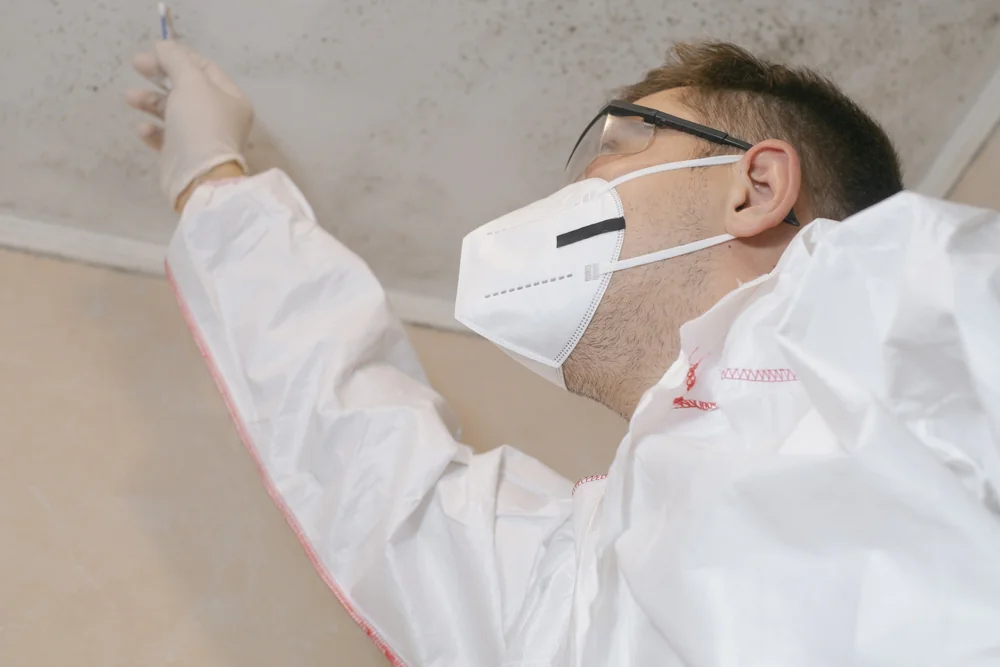
Next, we collect samples and send them to an independent lab. You get detailed results within 24 hours showing exactly what species you’re dealing with and concentration levels. This tells us how aggressive the remediation needs to be.
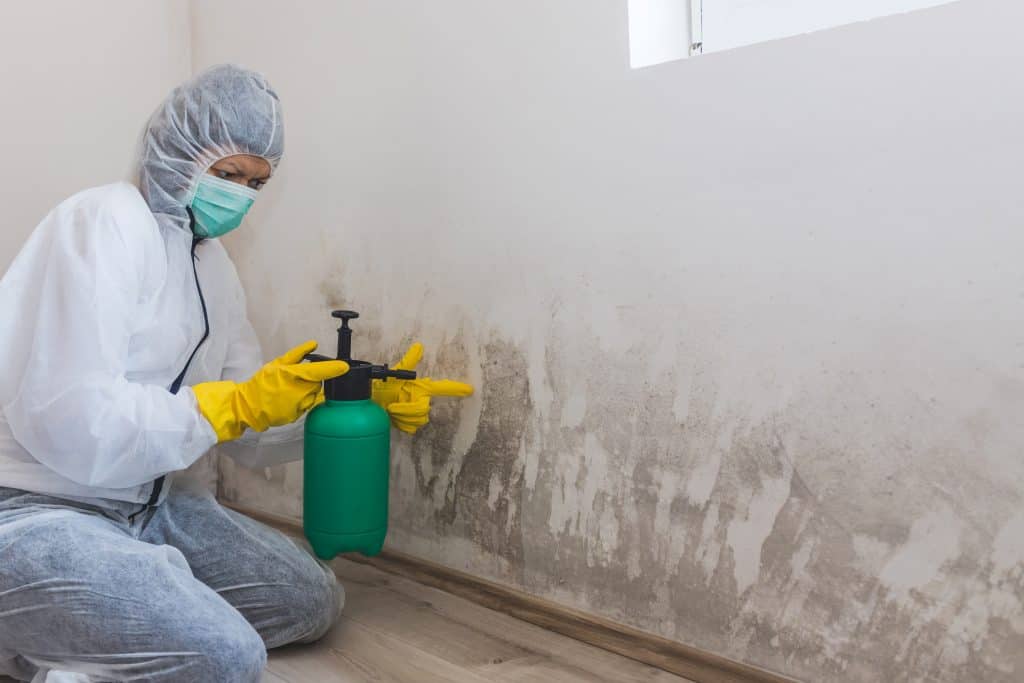
Then we set up containment using plastic sheeting and negative air pressure to isolate the work area. HEPA air scrubbers run continuously to capture airborne spores. We remove contaminated materials, treat surfaces with antimicrobial solutions, and dry everything thoroughly using commercial-grade dehumidifiers.
Finally, we address the moisture problem. Whether it’s a plumbing leak, poor ventilation, or groundwater intrusion, we fix the source so mold doesn’t return. You get documentation for insurance claims and a clear explanation of what we did and why.
Ready to get started?
You get a thorough inspection at no cost. We check basements, crawl spaces, attics, bathrooms, and any area with visible water damage or musty odors. Frankford’s flood-prone properties need special attention to foundation walls and below-grade spaces where moisture accumulates.
Lab testing identifies the specific mold species and helps determine if you’re dealing with common household molds or more concerning varieties like Stachybotrys (black mold). This matters because remediation protocols vary based on what’s growing and where.
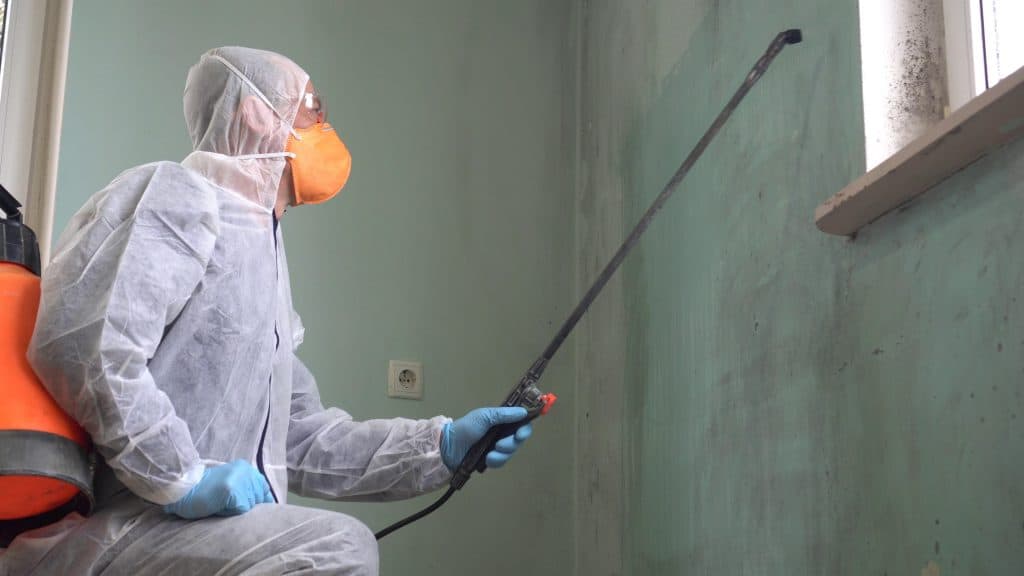
Containment and removal follow IICRC standards. We protect unaffected areas, remove contaminated materials safely, and clean surfaces without spreading spores throughout your home. Air filtration runs during the entire process to maintain indoor air quality.
Moisture control is the final step. We locate the water source whether it’s a leaking pipe, condensation issue, or exterior drainage problem and provide solutions to keep your property dry. This might include dehumidification, improved ventilation, or waterproofing recommendations. Without fixing moisture, mold will return no matter how thoroughly we clean.

Mold begins growing within 24 to 48 hours after materials get wet. In Frankford’s humid climate, especially during summer months, that timeline can be even shorter.
If your basement floods or a pipe bursts, the clock starts immediately. Drywall, insulation, carpet, and wood framing absorb moisture fast. Once materials stay damp for more than a day, mold spores that are always present in the air start colonizing those surfaces.
By day three, you’ll often see visible growth. By day seven, mold can spread to furniture, personal belongings, and structural components. This is why same-day response matters. The faster you dry out affected areas and start remediation, the less damage you’ll face and the lower your costs will be.
Mold removal means getting rid of visible mold growth. Mold remediation means removing the mold and fixing the conditions that allowed it to grow in the first place.
You can scrub mold off a bathroom wall, but if the exhaust fan doesn’t work and humidity stays high, mold will return within weeks. Remediation addresses both the symptom and the cause. We remove contaminated materials, treat affected surfaces, and control moisture so your mold problem doesn’t become a recurring issue.
True remediation also includes containment to prevent spores from spreading during cleanup, air filtration to capture airborne particles, and documentation of the entire process. This approach protects your health during the work and gives you long-term results instead of a temporary fix.
It depends on the size and location of the affected area. For small, contained projects like a bathroom or closet, you can usually stay in your home. For larger jobs involving multiple rooms or HVAC contamination, temporary relocation might be necessary.
We use physical barriers and negative air pressure to isolate work areas. HEPA filtration captures spores before they reach other parts of your house. If the mold is limited to one area and we can seal it off effectively, there’s no reason to disrupt your life more than necessary.
However, if you have respiratory issues, allergies, or a compromised immune system, leaving during active remediation is the safer choice. We’ll give you an honest assessment during the inspection so you can make an informed decision based on your specific situation and health considerations.
Most residential mold remediation projects in Frankford range from $1,500 to $6,000, depending on the size of the affected area and extent of damage. Small bathroom jobs might cost less. Whole-basement projects with structural damage cost more.
Several factors affect pricing: square footage of contaminated space, type of materials affected, accessibility of the area, and whether structural repairs are needed after removal. A 100-square-foot section of drywall costs less to remediate than the same area involving floor joists or HVAC ductwork.
We provide free inspections and on-site estimates so you know exactly what you’re paying before work begins. We also help with insurance claims since many homeowner policies cover mold remediation if it resulted from a covered event like a burst pipe or storm damage. Transparency matters you shouldn’t get surprised by costs halfway through the job.
Bleach kills surface mold on non-porous materials like tile or glass, but it doesn’t work on porous surfaces like drywall, wood, or insulation. It also doesn’t address the root cause, so mold typically returns.
More importantly, DIY cleanup often makes the problem worse. Disturbing mold without proper containment sends thousands of spores airborne. Those spores land in other areas of your home and start new colonies. You might clean one bathroom wall and end up with mold in your bedroom closet two weeks later.
Professional remediation uses containment barriers, negative air machines, and HEPA filtration to prevent cross-contamination. We remove materials that can’t be salvaged, treat surfaces with antimicrobials designed for mold, and verify the space is clean before removing containment. If the affected area is larger than 10 square feet, or if you’re dealing with black mold, professional help isn’t optional it’s necessary for your health and property value.
Most homeowners insurance policies in Pennsylvania cover mold remediation if the mold resulted from a covered peril like a burst pipe, appliance leak, or storm damage. They typically won’t cover mold from long-term neglect or maintenance issues.
The key is proving the mold came from a sudden, accidental water event. If your washing machine hose breaks and floods your basement, causing mold growth, that’s usually covered. If your basement has been damp for years due to poor drainage and mold gradually developed, that’s likely not covered.
We help with the claims process by documenting everything: photos of damage, moisture readings, lab test results, and detailed scope of work. We can communicate directly with your insurance adjuster to explain what’s necessary and why. Getting proper documentation from the start makes the difference between a smooth claim and a denied one. We’ve worked with most major insurance carriers and know what they need to approve coverage.
Other Services we provide in Frankford