

Hear from Our Customers
You shouldn’t have to wonder if the air in your own home is making your family sick. That stuffy feeling, the coughing that won’t quit, the musty smell you can’t ignore—those aren’t things you should just live with.
When mold gets handled correctly, you get your space back. No more worrying every time your kid starts wheezing. No more avoiding certain rooms because they smell off. No more wondering if that dark spot behind the washing machine is spreading.
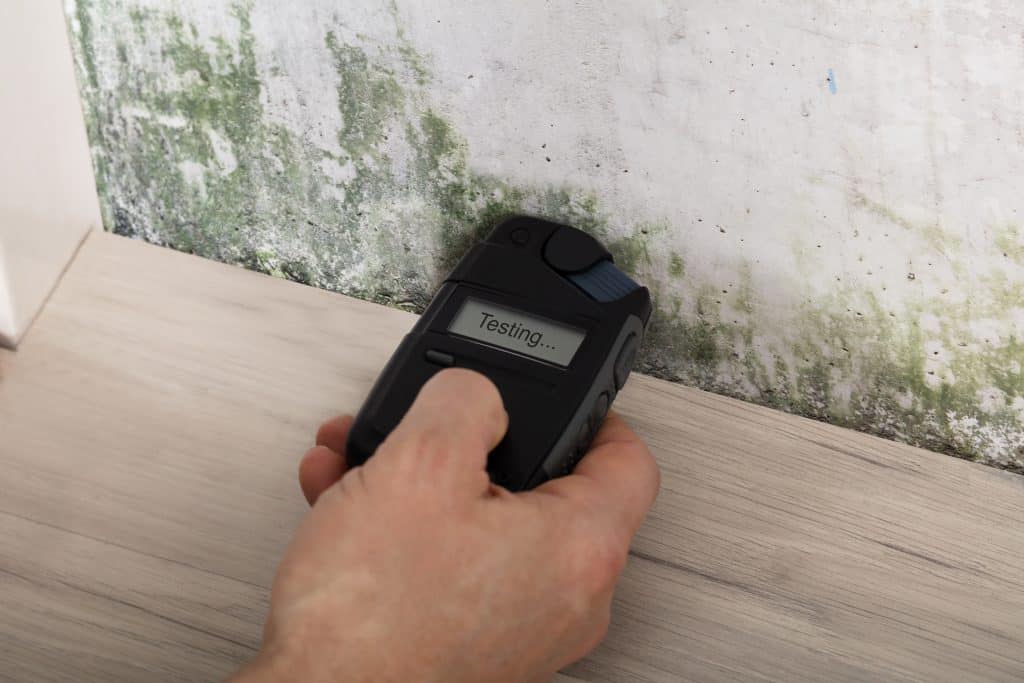
We don’t just scrub away what you can see. We use moisture meters and infrared cameras to find where the problem actually starts—the leak you didn’t know about, the condensation building up in your crawl space, the humidity trapped in your basement. Then we eliminate the mold and fix what caused it so it doesn’t come back next season.
We’ve been serving Lahaska Station and the surrounding Bucks County area for years. We’ve seen what Pennsylvania’s humid summers and damp winters do to homes here—especially the older ones with basements that were never meant to stay dry year-round.
We’re not a national franchise following a script. We’re local, we know the climate, and we know what actually works in homes like yours. When contractors find mold during renovations, when real estate agents need reliable documentation before closing, when your neighbors need someone who’ll show up and fix it right—they call us.
You’ll work with certified mold specialists who follow EPA-approved methods and focus on getting to the root of the problem, not just treating the surface.

First, we come out for a free inspection. We’re not just looking at the visible mold—we’re using moisture meters and infrared cameras to find where water is getting in and where mold might be hiding behind walls, under floors, or in your attic.
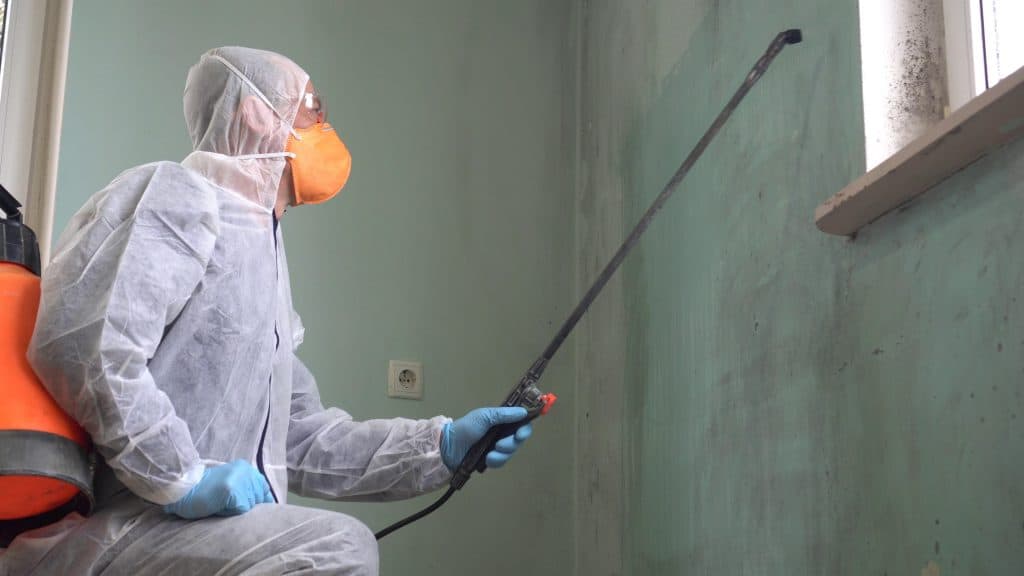
Once we know what we’re dealing with, we map out a plan. We set up containment barriers and negative air pressure to keep spores from spreading to clean areas. Then we remove the mold using HEPA vacuums and antimicrobial treatments that meet EPA standards.
But here’s the part that matters most: we find and fix the moisture source. If we don’t, the mold just comes back. That might mean identifying a slow leak, improving ventilation, or addressing drainage issues around your foundation. We document everything with photos and lab results, which helps if you’re filing an insurance claim or need records for a real estate transaction.
When we’re done, you’ll know exactly what we found, what we fixed, and what you can do to keep your home clear going forward.
Ready to get started?
You get a complete assessment using visual inspection, air sampling, and moisture mapping. We identify the type of mold, how far it’s spread, and what’s feeding it. Then we contain the affected area so spores don’t travel to other parts of your home during removal.
We use HEPA filtration that captures 99.97% of particles as small as 0.3 microns—that’s the professional standard for mold abatement. All contaminated materials get removed safely, and we treat surfaces with antimicrobial solutions to prevent regrowth.
In Bucks County, basements and crawl spaces are the most common problem areas. The humid climate here—especially from late spring through early fall—creates perfect conditions for mold growth. Older homes in Lahaska Station often have foundation issues or poor ventilation that make the problem worse. We’ve worked in hundreds of local homes, so we know what to look for and how to address it for the long term.
You also get complete documentation for insurance purposes, including before-and-after photos and lab results. We work directly with your insurance company when needed, so you’re not stuck handling paperwork on your own.
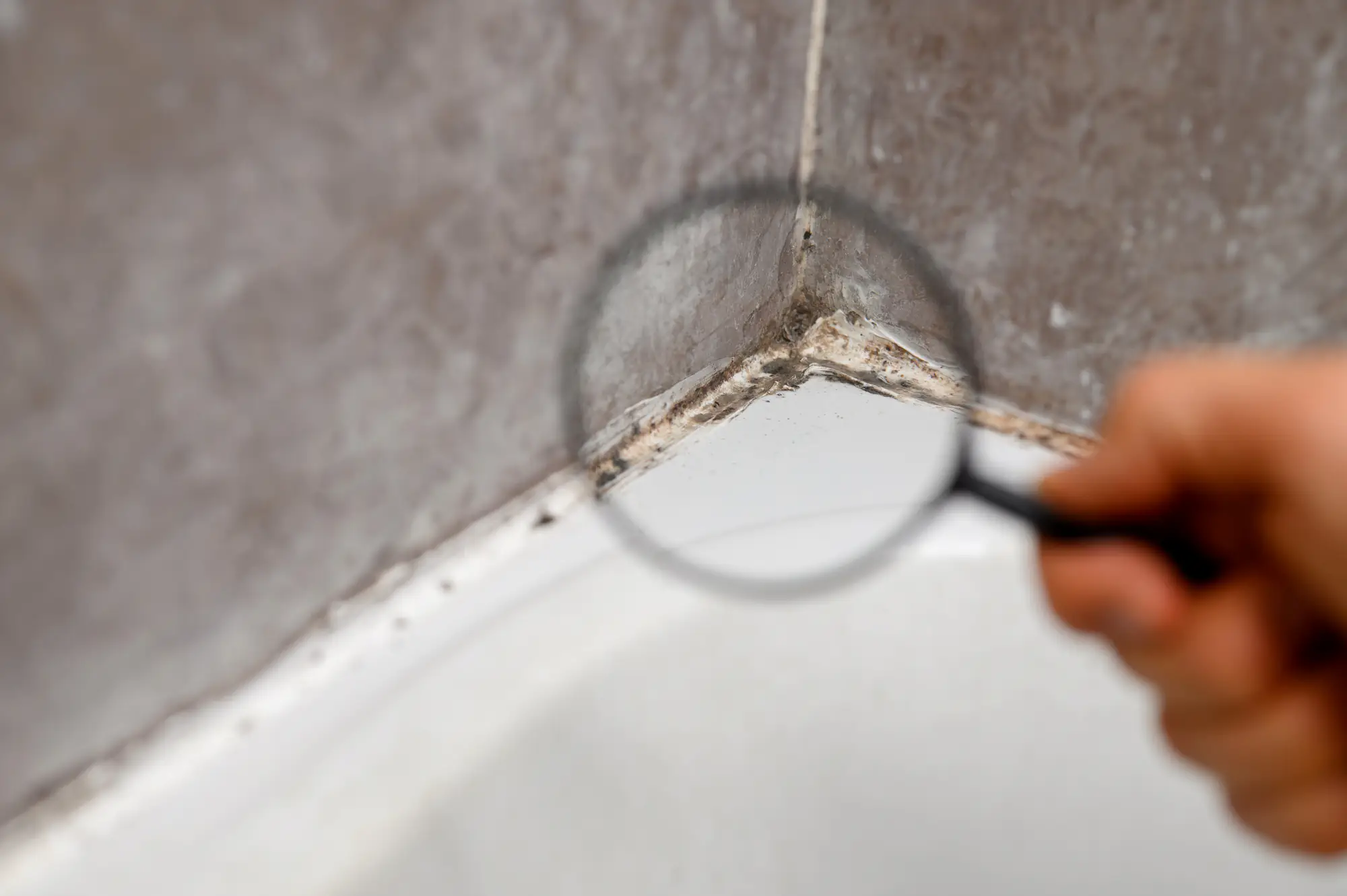
If you can see mold, smell that musty odor, or you’ve had water damage in the last few months, you need someone to look at it. Mold starts growing within 24 to 48 hours after moisture shows up, and it spreads fast in humid conditions like we get here in Pennsylvania.
A lot of people try to handle small patches themselves, and sometimes that works. But if the mold keeps coming back, if it’s covering more than a few square feet, or if it’s in your HVAC system, you need a mold removal company. DIY cleaning doesn’t address the moisture source, which means the problem just returns.
The CDC is clear on this: if mold is growing, the best approach is professional removal and prevention of future growth. Testing isn’t always necessary—if it’s there, it needs to go. What matters more is finding out why it’s there in the first place.
Mold removal means getting rid of the visible growth. Mold remediation means fixing the whole problem—removing the mold and eliminating the conditions that allowed it to grow.
You can scrub mold off a wall, but if you don’t fix the leak or improve the ventilation, it’ll be back in a few weeks. That’s why professional mold remediation focuses on the source. We don’t just clean what you can see—we find where the moisture is coming from and address that too.
In Bucks County, the most common sources are basement humidity, roof leaks, poor grading around the foundation, and condensation in crawl spaces. If those issues aren’t corrected, the mold will return no matter how many times you clean it. Remediation means you’re done dealing with it, not just postponing the next round.
It depends on what caused the mold. If it’s from a sudden event—like a burst pipe or storm damage—most policies will cover the cleanup. If it’s from long-term neglect or a maintenance issue you ignored, probably not.
Pennsylvania doesn’t require insurers to cover mold, so you need to check your specific policy. Some policies have mold coverage limits, like $5,000 or $10,000, even if the rest of the water damage is covered. Others exclude mold entirely unless you’ve added a rider.
We help with the documentation side. We provide detailed reports, photos, moisture readings, and lab results that insurance companies ask for. We’ll work directly with your adjuster if needed, so you’re not stuck translating between the insurance company and the remediation process. Just don’t wait too long to file—the sooner you report it, the better your chances of coverage.
For a single room or small area, usually one to three days. For a larger job—like a finished basement or multiple rooms—it can take a week or more. It depends on how much mold there is, where it’s located, and how extensive the moisture damage is.
The actual removal process isn’t what takes the longest. It’s the containment setup, the drying time, and the verification afterward. We need to make sure the area is completely dry and that air quality tests come back clean before we call it done.
In Lahaska Station, we see a lot of basement mold that’s been growing unnoticed for months. Those jobs take longer because we’re often dealing with insulation removal, drywall replacement, and foundation moisture issues. If you’ve had a recent leak and caught it early, the timeline is much shorter. Either way, we’ll give you a clear estimate after the inspection so you know what to expect.
Most of the time, yes—especially if the mold is contained to one area like a basement or bathroom. We seal off the work zone with plastic barriers and use negative air pressure to keep spores from spreading into the rest of your house.
If the mold is extensive, if it’s in your HVAC system, or if someone in your home has asthma or a compromised immune system, we might recommend staying elsewhere for a few days. Your health comes first, and mold exposure can cause serious respiratory issues for vulnerable people.
We’ll be upfront during the inspection about whether it’s safe to stay or not. If you do stay, you won’t have access to the contained area until we’re finished, and you might hear equipment running. But for most jobs, you can go about your normal routine while we work.
Don’t disturb it. Scrubbing or trying to remove it yourself can release thousands of spores into the air, spreading the problem to other areas of your home. If it’s a small spot and you absolutely need to do something, you can gently wipe it with a damp cloth—but don’t use bleach or fans, which just make it worse.
Turn off your HVAC system if the mold is near a vent or return. You don’t want spores circulating through your whole house. If there’s active water damage, stop the source if you can—shut off the water, put a bucket under the leak, or cover the area with a tarp.
Then call us for a free inspection. We’ll come out, assess the situation, and let you know exactly what needs to happen. The sooner we can get eyes on it, the less chance it has to spread. Mold grows fast in Pennsylvania’s humid climate, so waiting a few weeks can turn a small problem into a much bigger one.
Other Services we provide in Lahaska Station