

Hear from Our Customers
You’ve noticed the musty smell in your basement. Maybe you’ve seen dark spots spreading in the bathroom corner or felt stuffier than usual at home. Mold doesn’t announce itself with fanfare, but it’s already affecting your air quality and potentially your family’s health.
Here’s what changes after professional mold removal. Your indoor air clears up, which means fewer allergy symptoms, less coughing, and no more waking up congested. You stop worrying about what’s growing behind your walls or under your floors. Your home’s value stays protected instead of taking a hit during inspection.
Cottageville’s humid summers and damp basements create perfect conditions for mold growth year-round. The clay soil and high groundwater tables in Bucks County mean moisture finds its way into crawl spaces and foundations regularly. You need more than surface cleaning. You need someone who understands why mold keeps returning and how to stop it at the source.
We work exclusively in Bucks County because we understand the specific challenges your home faces. We’ve seen how Pennsylvania’s humid continental climate creates mold problems that don’t exist in drier regions. We know which neighborhoods have older homes with ventilation issues and where basement flooding happens most.
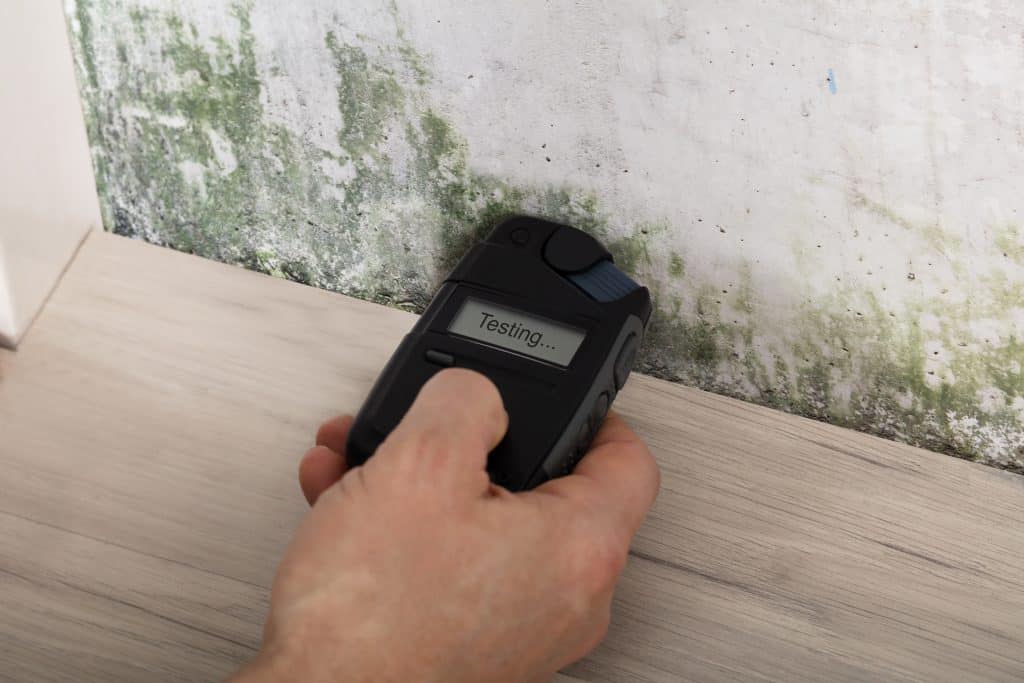
We use EPA-approved methods and advanced detection technology, including thermal imaging and moisture meters that find problems before they become visible. Our team responds to emergencies 24/7 because mold starts growing within 24-48 hours after water exposure.
You’re not getting a national franchise that treats every home the same. You’re getting technicians who live in this area, understand local building styles, and have remediated mold in homes just like yours throughout Cottageville.

We start with a free inspection that checks obvious problem areas and the hidden spots most homeowners miss. Attics, crawl spaces, behind appliances, inside HVAC systems. We use moisture meters to find elevated readings that indicate potential growth and thermal imaging to spot temperature differences that signal water intrusion.
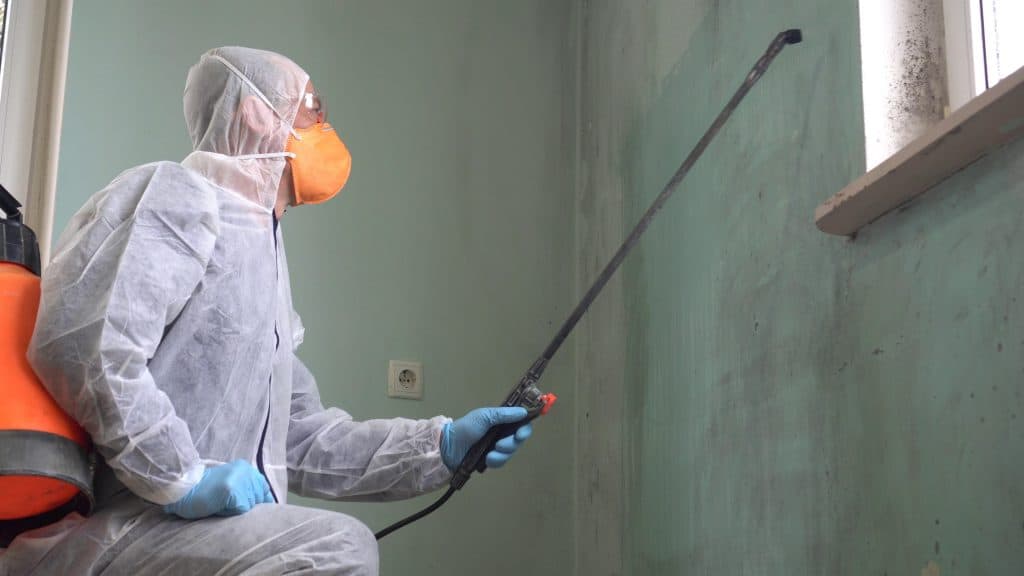
Once we identify the extent of the problem, you get a detailed estimate before any work starts. No surprises. If you move forward, we contain the affected area to prevent spores from spreading during removal. We use HEPA filtration and negative air pressure to keep contamination isolated.
The actual removal process depends on what we find. Porous materials like drywall or insulation that are heavily contaminated get removed and disposed of properly. Hard surfaces get treated with EPA-approved antimicrobial solutions. We don’t just clean what you can see—we address the moisture source causing the growth. That might mean fixing a leak, improving ventilation, or installing a dehumidifier.
After removal, we test the air quality to confirm spore counts are back to normal levels. You get documentation of the work completed, which matters for insurance claims and future home sales.
Ready to get started?
You get comprehensive mold inspection using Instascope technology for real-time analysis, not samples sent to a lab that take days. You get accurate identification of mold types, including black mold, which helps determine the right treatment approach.
Our mold cleaning services include containment setup, HEPA air filtration during the entire process, removal of contaminated materials, antimicrobial treatment of affected surfaces, and moisture control solutions. We handle everything from small bathroom mold issues to full basement remediation after flooding.
Bucks County homes face specific challenges. Older properties in Cottageville often have poor attic ventilation, which traps moisture and creates ideal conditions for mold growth in insulation. Basements built decades ago lack proper waterproofing, so groundwater seepage is common. We’ve worked on enough local homes to know where problems typically start and how to prevent them from recurring.
You also get help with insurance documentation. We provide detailed reports, photos, and moisture readings that support your claim. We work directly with your insurance company to streamline the process and maximize your coverage.
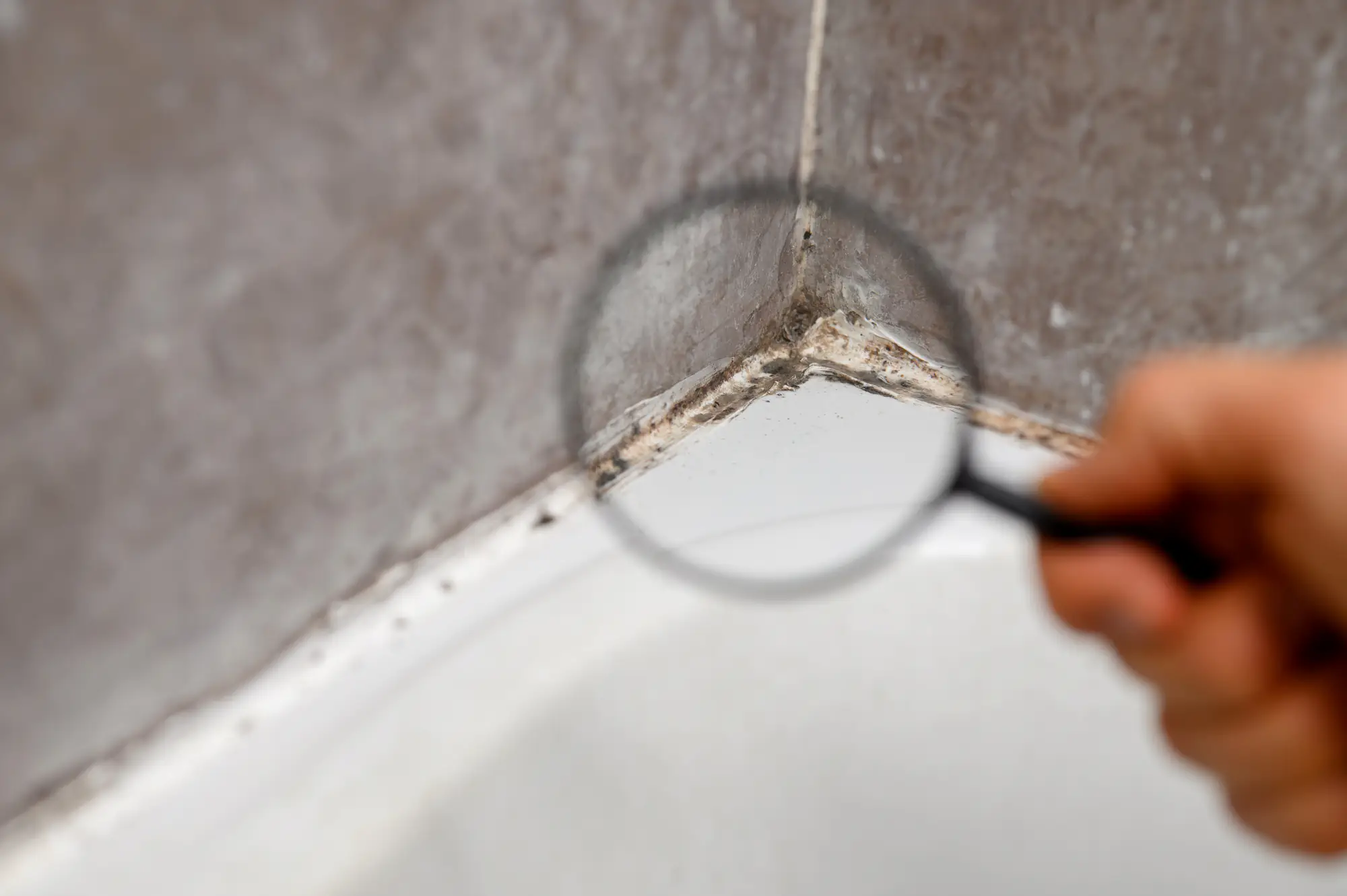
Black mold (Stachybotrys chartarum) typically appears dark greenish-black and has a slimy texture when wet. It grows on materials with high cellulose content like drywall, wood, and paper after prolonged water exposure. Regular household molds come in various colors—white, green, brown, orange—and can appear fuzzy or powdery.
Here’s the thing: all mold in your home is a problem, regardless of type. While black mold gets the most attention because it produces mycotoxins that can cause severe respiratory issues, other mold types also trigger allergies, asthma attacks, and respiratory problems. You shouldn’t try to identify it yourself because disturbing mold releases spores into the air.
We use professional testing to identify exactly what you’re dealing with. Our Instascope technology provides real-time analysis instead of making you wait days for lab results. This helps us determine the right removal approach and whether you’re dealing with a moisture problem that needs immediate attention. Don’t waste time guessing—get an accurate answer so you can address it properly.
Bleach only works on non-porous surfaces like tile or glass, and even then, it just removes the visible mold without killing the roots. On porous materials like drywall, wood, or grout, bleach can’t penetrate deep enough to eliminate the growth completely. You’ll see the surface look cleaner, but the mold returns within weeks because the underlying problem wasn’t addressed.
The bigger issue is that DIY cleaning spreads spores throughout your home. Scrubbing releases millions of microscopic spores into the air, which then settle in new locations and start growing wherever they find moisture. You also risk exposure to high concentrations of spores during cleaning, which can cause respiratory problems even if you’re not normally sensitive to mold.
Professional mold removal uses containment barriers and HEPA filtration to prevent spread during the process. We identify and fix the moisture source causing the growth—whether that’s a hidden leak, poor ventilation, or groundwater seepage. Without addressing why the mold grew in the first place, you’re just treating symptoms. In Cottageville’s humid climate, that moisture source needs to be eliminated or the mold will absolutely return.
Small, contained areas like a bathroom corner or small closet typically take one to two days from start to finish. Larger projects involving multiple rooms, basements, or attic spaces can take three to five days depending on the extent of contamination and what needs to be removed.
The timeline depends on several factors. How widespread is the growth? What materials are affected? Is there active water intrusion that needs to be stopped first? A small patch of mold on bathroom tile moves faster than mold that’s spread through basement insulation and requires drywall removal.
We don’t rush the process because shortcuts lead to recurring problems. Proper containment setup, methodical removal, thorough cleaning, and final air quality testing all take time. You’ll know the exact timeline after our initial inspection when we can see what we’re working with. Most Cottageville homeowners are back in their space within a week, with documentation proving the air quality is safe and the problem is fully resolved.
Insurance coverage for mold removal depends on what caused the mold growth. If it resulted from a sudden, accidental event like a burst pipe or storm damage, most policies provide coverage. If it developed from long-term neglect, poor maintenance, or gradual leaks you didn’t address, coverage typically gets denied.
Pennsylvania insurance policies often have mold coverage limits, usually between $10,000 and $25,000, even when the cause is covered. Some policies exclude mold entirely or require separate endorsements for coverage. You need to review your specific policy or call your insurance agent to understand your coverage before assuming you’re protected.
We help with the insurance process by providing detailed documentation of the damage, moisture readings, photos, and reports that support your claim. We’ve worked with most major insurance companies serving Bucks County and know what documentation they require. Getting professional remediation also protects you from liability issues if you sell your home later—buyers want proof that mold problems were handled correctly, not just painted over. We provide that documentation.
Mold returns because the moisture source wasn’t eliminated. You can remove every visible spore, but if humidity stays above 60%, if there’s still a slow leak, or if condensation keeps forming, new mold will grow. Mold spores exist everywhere—in the air, on surfaces, floating through your home constantly. They only become a problem when they find moisture and a food source like wood or drywall.
Common moisture sources in Cottageville homes include basement seepage from Bucks County’s high groundwater table, poor attic ventilation that traps humid air, leaking pipes inside walls, condensation on cold surfaces, and inadequate bathroom or kitchen exhaust. Many older homes in the area were built before modern moisture control standards, so they’re more susceptible to these issues.
Professional mold removal includes identifying and fixing the root cause. We use thermal imaging to find hidden leaks and moisture meters to measure humidity levels in building materials. We’ll tell you if you need better ventilation, dehumidification, waterproofing, or plumbing repairs. Without addressing the “why,” you’re wasting money on temporary fixes. Our goal is permanent removal, which means controlling the moisture that allows mold to grow in the first place.
Mold begins growing within 24 to 48 hours after materials get wet. In Cottageville’s humid summer climate, that timeline can be even shorter because the ambient moisture accelerates growth. Within a week, you’ll have visible colonies spreading across drywall, wood, insulation, and other porous materials.
This is why emergency response matters. If you’ve had a pipe burst, roof leak, or basement flooding, the clock starts immediately. The longer materials stay wet, the more extensive the damage becomes and the more expensive remediation gets. What starts as a simple dry-out and cleaning job becomes a full removal project requiring drywall replacement and structural repairs.
We offer 24/7 emergency response because we know how quickly water damage turns into a mold problem. Call us immediately after water intrusion—even if you don’t see mold yet. We’ll assess moisture levels, set up drying equipment, and prevent mold from taking hold. It’s much easier and less expensive to prevent mold growth than to remediate it after it’s established. Don’t wait to see if it develops. Address the moisture now.
Other Services we provide in Cottageville