

Hear from Our Customers
When mold’s growing in your home, you’re not just dealing with a stain on the wall. You’re worried about your kids breathing it in. You’re wondering if it’s behind the drywall, under the floors, spreading where you can’t see it. You’re trying to figure out if this is something you can handle yourself or if it’s already out of control.
Here’s what happens when the job’s done right. The air smells normal again. You’re not waking up congested or dealing with headaches that won’t quit. You know the moisture problem that caused it has been fixed, not just covered up. And you’re not sitting there three months from now watching it come back.
That’s what professional mold removal actually gets you. Not a quick scrub and some bleach. A real solution that addresses why it showed up in the first place and makes sure it stays gone.
We work exclusively on mold problems across Wycombe, PA and the surrounding Bucks County area. We’re not a general restoration company that does mold on the side. This is what we do, and we’ve seen every version of it.
Wycombe’s older homes and humid summers create the perfect conditions for mold growth. Basements stay damp. Attics don’t breathe right. Crawl spaces turn into moisture traps. We know the buildings here, the weather patterns, and what actually works to stop mold from taking over.
You’re not getting a national franchise or a crew that’s learning on your dime. You’re working with mold specialists who understand exactly what’s happening in your home and how to fix it for good.

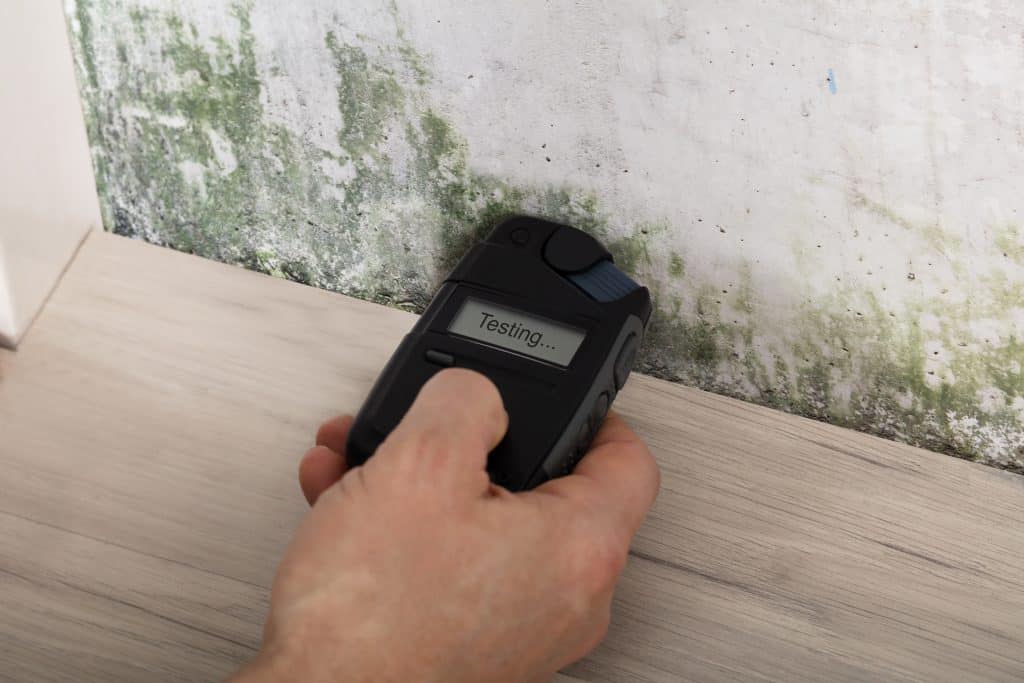
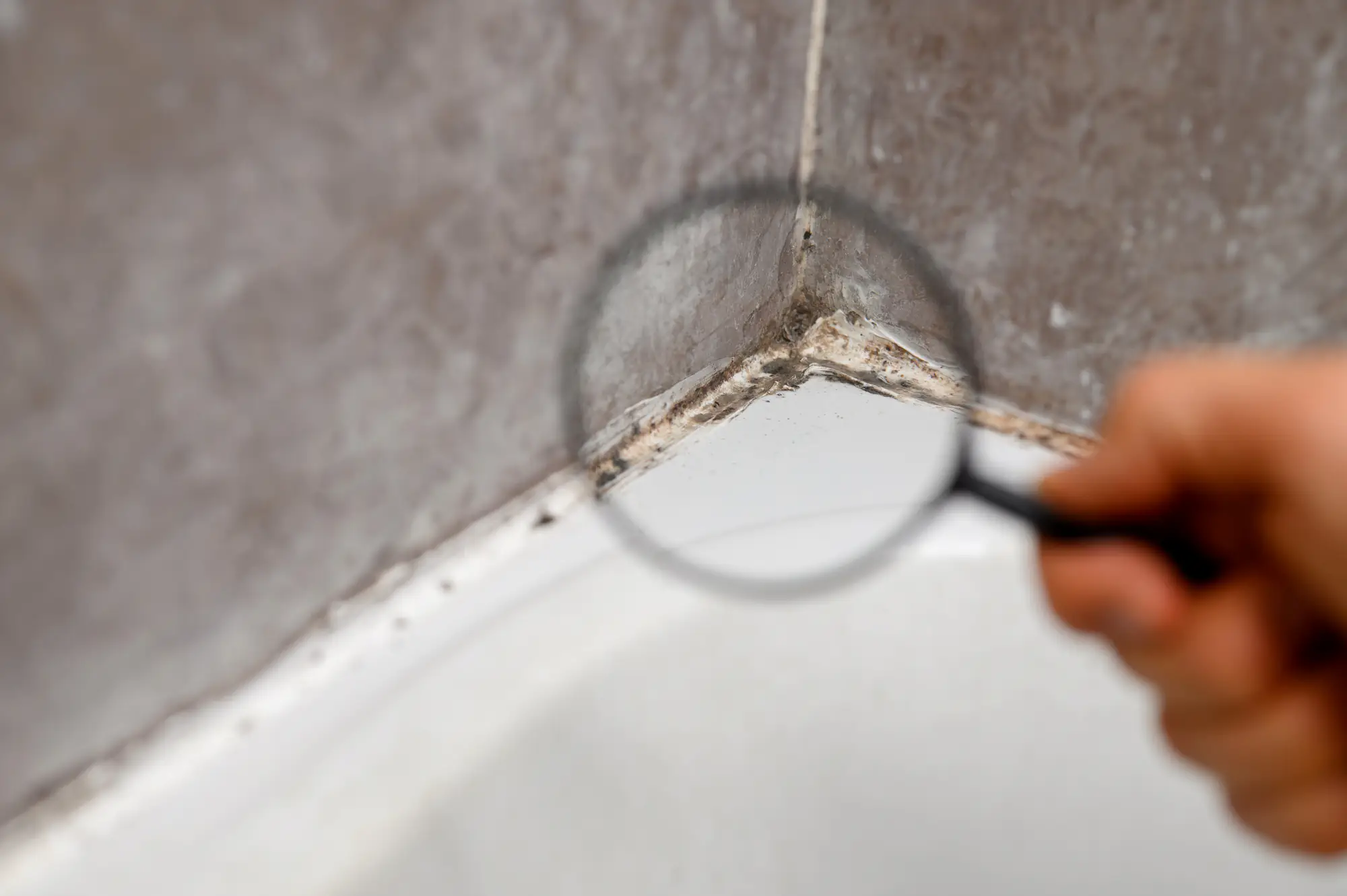
First, we come out and do a free inspection. We’re looking for visible mold, but also using moisture meters and thermal imaging to find what you can’t see. We test the air quality and check humidity levels. Then we tell you exactly what’s going on and what it’s going to take to fix it.
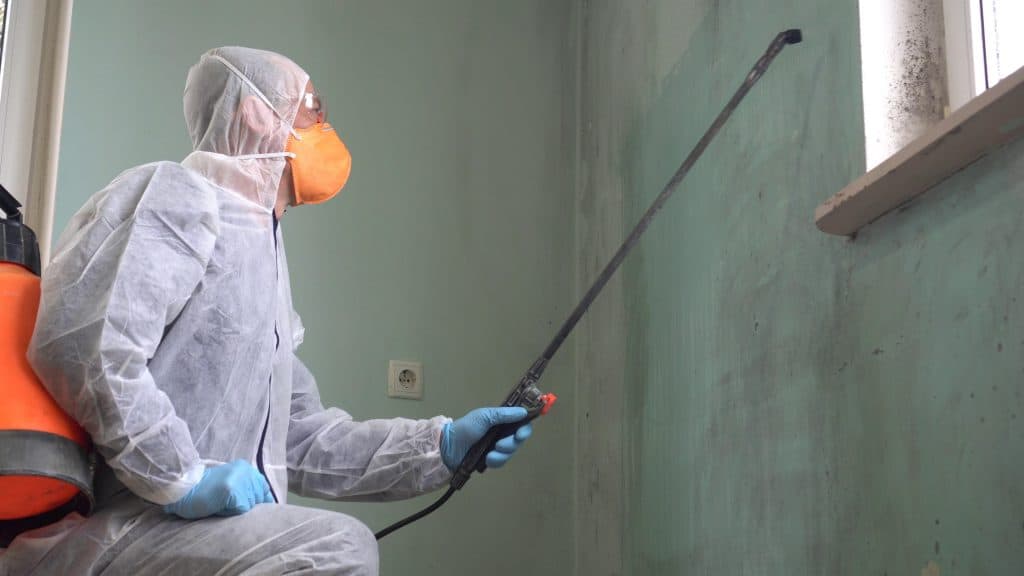
Before we touch anything, we contain the area. Physical barriers go up, and we use negative air pressure to keep mold spores from spreading to clean parts of your home. Then we remove the contaminated materials, treat affected surfaces, and run HEPA air scrubbers to clean the air.
But here’s the part that matters most: we find and fix the moisture source. Leaky pipe. Poor ventilation. Groundwater seeping in. Whatever’s feeding the mold gets addressed, or the whole job is pointless. After removal, we verify the work with post-testing to confirm your air quality is back to normal. You get documentation, and if insurance is involved, we help with that too.
Ready to get started?
You get a thorough inspection with moisture mapping and air quality testing before we start. We contain the work area to protect the rest of your home. All contaminated materials get safely removed and disposed of according to industry standards. Affected surfaces are treated with antimicrobial solutions. HEPA filtration runs throughout the job to scrub the air clean.
We identify and repair the moisture issue causing the growth, whether that’s fixing a leak, improving ventilation, or addressing drainage problems around your foundation. In Wycombe, that often means dealing with basement moisture from older stone foundations or attic condensation from inadequate airflow during our humid summers.
After the work’s done, we verify it with clearance testing. You get written documentation of the entire process. If you’re filing an insurance claim, we provide the detailed reports and photos your carrier needs. And if questions come up later, you can reach us. We don’t disappear after the check clears.
It depends on how much mold you have and what’s causing it. A small bathroom issue might run a few hundred dollars. A basement with widespread growth and structural moisture problems can hit several thousand.
Here’s what affects the price: the size of the affected area, whether we need to remove drywall or other materials, how accessible the mold is, and what kind of moisture repair is needed. A crawl space that requires encapsulation costs more than fixing a leaky pipe under a sink.
We give you a detailed written estimate before any work starts. No surprises, no padding the bill once we’re halfway through. And if insurance is covering it, we work directly with your adjuster to document everything properly. Most homeowners policies cover mold if it’s from a sudden water event like a burst pipe, but not if it’s from long-term neglect or maintenance issues.
If it’s a tiny spot on a bathroom tile from normal shower use, sure. Spray it, scrub it, improve the ventilation, and move on. But if you’re looking at mold covering more than a few square feet, it’s growing on porous materials like drywall or wood, or you’re dealing with black mold, you’re risking your health and probably won’t fix the actual problem.
Disturbing mold releases millions of spores into the air. Without proper containment and air filtration, you’re spreading it throughout your house. Without identifying the moisture source, it’s coming back. And if it’s toxic mold, you’re exposing yourself to serious respiratory hazards.
Professional mold removal means proper containment, industrial-grade equipment, protective gear, and actually fixing what caused it. We see DIY attempts go wrong all the time. People scrub the surface, paint over it, and six weeks later it’s back worse than before because the leak or humidity issue is still there.
A straightforward job in one room usually takes one to three days. Larger projects with multiple areas or significant structural work can take a week or more.
The timeline depends on the extent of contamination, how much material needs to be removed, drying time for treated areas, and whether we’re doing moisture repairs. A basement with mold on finished drywall takes longer than an unfinished space because we’re removing and disposing of more material.
We don’t rush it. The containment needs to stay up until air scrubbers have done their job. Treated surfaces need proper drying time. And we’re not calling it done until post-remediation testing confirms the air quality is clean. You’ll know the timeline upfront, and we keep you updated if anything changes. Most people can stay in their home during the work as long as the affected area is properly sealed off.
It depends on what caused the mold. If a pipe burst last week and mold started growing from that sudden water damage, most policies cover it. If mold’s been slowly growing for months because of a maintenance issue you ignored, probably not.
Insurance typically covers mold remediation when it results from a covered peril like storm damage, appliance malfunction, or plumbing failure. They don’t cover mold from long-term humidity, poor ventilation, or gradual leaks you should have noticed and fixed.
We help with the insurance process. That means documenting everything with photos and detailed reports, communicating directly with your adjuster, and providing the information they need to process your claim. We’ve worked with every major carrier. We know what they require, and we make sure you’re not stuck paying out of pocket for something that should be covered. But we’re also honest about what insurance will and won’t pay for.
Mold removal is getting rid of the visible mold. Mold remediation is fixing the entire problem so it doesn’t come back. Removal is part of remediation, but remediation includes a lot more.
Remediation means identifying the moisture source, containing the affected area, removing contaminated materials, treating surfaces, controlling airborne spores, fixing whatever caused the moisture problem, and verifying the air quality afterward. It’s a complete process, not just scrubbing what you can see.
When someone says they do “mold removal,” ask if they’re also fixing the leak, improving the ventilation, or addressing the humidity issue. Because if they’re not, you’re paying for temporary relief. The mold comes back, and you’re dealing with the same problem again in a few months. Real remediation addresses the root cause and gives you a long-term solution.
We offer 24/7 emergency response for urgent mold situations. If you’ve just had a flood, a major leak, or discovered extensive growth that’s affecting your family’s health, we can usually get someone out the same day.
Mold starts growing within 24 to 48 hours of water exposure. The faster you address it, the less damage it causes and the lower your remediation costs. We prioritize emergency calls because we know waiting makes everything worse.
When you call, we assess the situation over the phone and give you immediate guidance on what to do while we’re on the way. That might mean turning off water, moving belongings, or improving airflow. Then we get on-site, evaluate the damage, and start containment right away if needed. For non-emergency situations, we typically schedule inspections within a day or two. Either way, you’re not waiting around wondering what to do next.
Other Services we provide in Wycombe