

Hear from Our Customers
You stop worrying every time someone in your house coughs or sneezes. The musty smell disappears. Your kids can play in the basement without you second-guessing whether it’s safe.
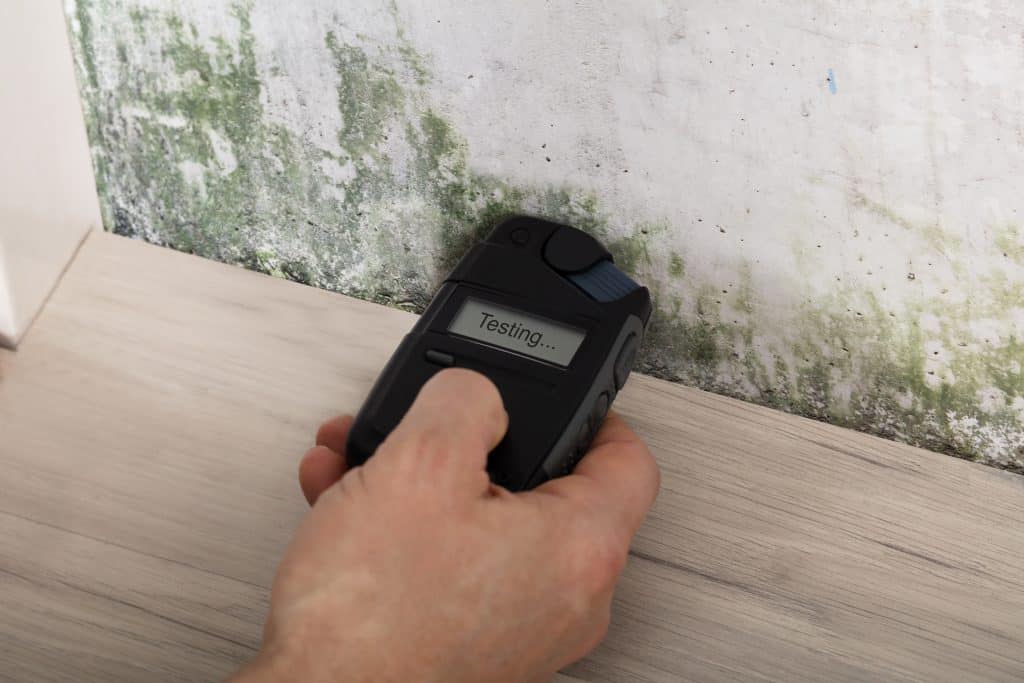
Here’s what matters: we don’t just scrub visible mold off your walls. We use moisture meters and infrared cameras to find what’s hiding behind drywall, under flooring, in crawl spaces you forgot existed. Then we seal off the area, remove contaminated materials, treat surfaces with antimicrobial solutions, and fix whatever’s causing moisture to accumulate in the first place.
That last part is why most homeowners call us after another company already “fixed” their mold problem. A leaky pipe doesn’t stop leaking because you wiped mold off the wall next to it. Poor ventilation in your attic doesn’t improve because someone sprayed bleach on the rafters. If the root cause isn’t addressed, you’re just buying time until it grows back.
We work throughout White Horse and the surrounding Bucks County area. We know what Pennsylvania’s humid summers and damp springs do to older homes in this region. We’ve seen how basements flood after heavy rain, how attics trap moisture when ventilation wasn’t installed right, how HVAC systems spread spores when ducts aren’t maintained.
We’re not the cheapest option you’ll find. That’s intentional. Cheap mold removal means someone showed up, sprayed something, and left. You’re hiring us because you want the problem actually solved, not temporarily covered up.
Our team uses professional-grade equipment, follows proper containment protocols, and coordinates with your insurance company when coverage applies. We also offer free inspections so you know what you’re dealing with before committing to anything.

First, we come out and inspect your property at no cost. We’re looking for visible mold, but also testing moisture levels and checking areas where mold typically hides. You’ll get a clear explanation of what we found and what needs to happen next.
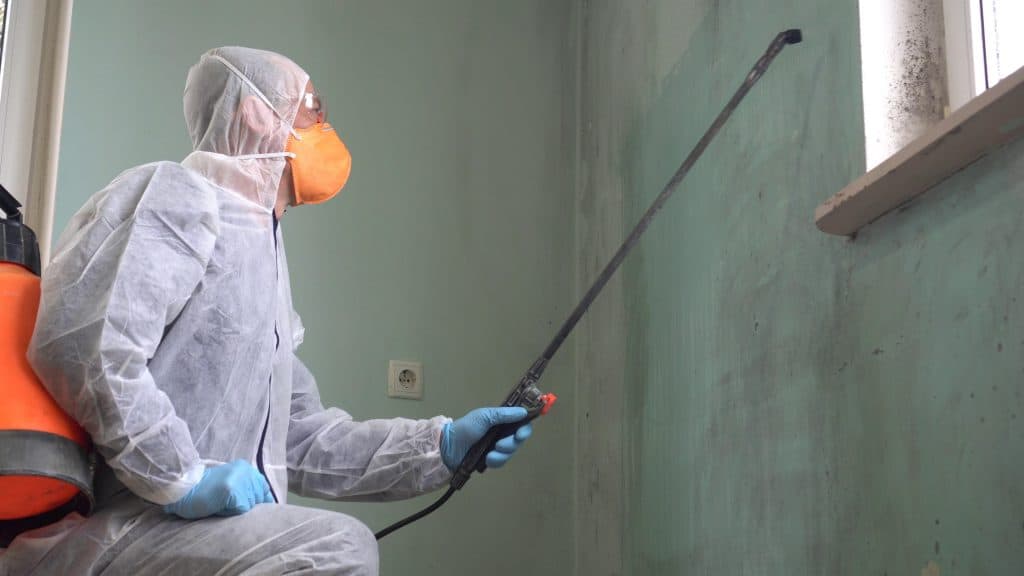
If you move forward, we seal off the affected area with physical barriers and negative air pressure systems. This keeps spores from spreading to clean areas of your home during removal. Then we remove contaminated materials, HEPA-vacuum all surfaces, and treat the area with antimicrobial solutions.
The next step separates us from most mold removal companies: we identify and fix the moisture source. That might mean repairing a leak, improving ventilation, installing a dehumidifier, or redirecting drainage away from your foundation. Without this step, you’re just waiting for mold to return.
After everything’s dry and treated, we do a final inspection and air quality test to confirm the space is safe. You’ll know exactly what was done, what was fixed, and what to watch for going forward.
Ready to get started?
You get a thorough inspection with moisture mapping and mold testing. We use thermal imaging to find hidden water damage and moisture meters to measure exactly how wet your building materials are. This tells us how far the problem extends beyond what’s visible.
Containment comes next. We set up barriers, run HEPA air scrubbers, and create negative air pressure to prevent cross-contamination. Removal involves taking out damaged materials that can’t be salvaged, cleaning everything that can be saved, and treating all surfaces with professional antimicrobial products.
Here’s what matters for White Horse homeowners specifically: Bucks County’s climate creates perfect conditions for mold growth. Humid summers mean moisture doesn’t evaporate quickly. Many homes in this area were built decades ago with ventilation systems that don’t meet modern standards. Basements flood. Attics trap heat and moisture. We see these patterns constantly, which means we know exactly where to look and what fixes actually work long-term.
We also handle insurance documentation and claims coordination. Most homeowners don’t realize their policy covers mold remediation if it resulted from a covered event like a burst pipe or storm damage. We’ll work directly with your insurance company to maximize your coverage and minimize what you pay out of pocket.
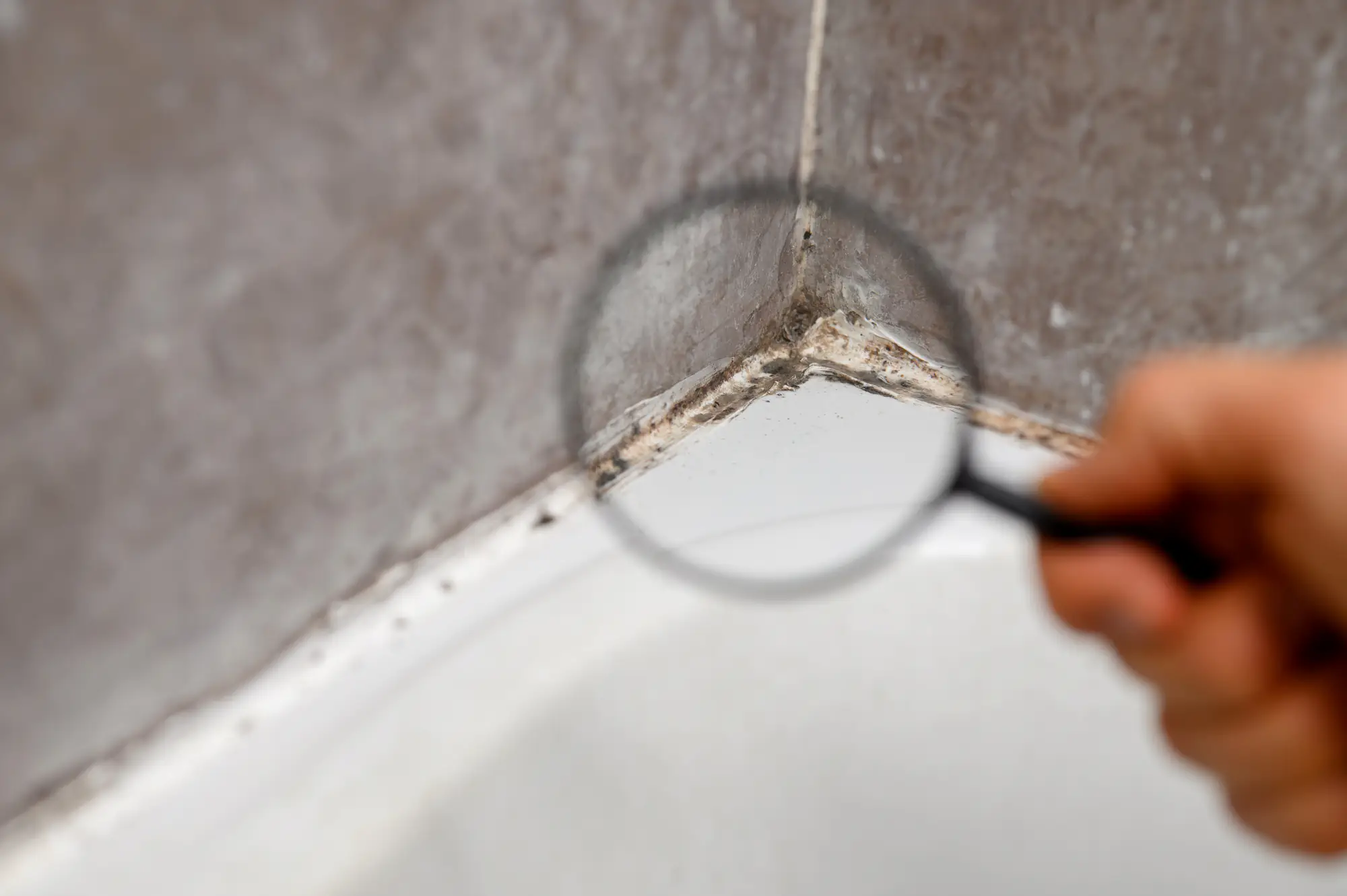
Surface mildew wipes off easily and doesn’t come back if you keep the area dry. Mold grows into porous materials like drywall, wood, and insulation. If you clean a spot and it returns within days or weeks, that’s mold.
You’ll often smell it before you see it. That musty, earthy odor means mold is releasing spores into your air. You might also notice discoloration on walls or ceilings, peeling paint, or warping in wood surfaces. Health symptoms are another indicator: persistent coughing, sneezing, itchy eyes, or worsening asthma when you’re home but not when you’re away.
The only way to know for certain is testing. We use moisture meters to find dampness behind walls and thermal imaging to spot temperature differences that indicate water intrusion. Air quality testing tells us what types of mold are present and at what concentration. This matters because some molds are more hazardous than others, and knowing what you’re dealing with determines the right removal approach.
Because cleaning visible mold doesn’t fix why it’s growing in the first place. Mold needs moisture to survive. If water is still getting in, humidity is still too high, or airflow is still poor, you’re just giving mold a clean surface to regrow on.
Most homeowners focus on the mold they can see and ignore the moisture source. Maybe you have a slow leak inside a wall that’s been dripping for months. Maybe your bathroom exhaust fan vents into your attic instead of outside, dumping humid air where it condenses on cold surfaces. Maybe your basement has foundation cracks that let groundwater seep in after every heavy rain.
We see this constantly in Bucks County. Pennsylvania’s climate means you’re dealing with humid summers, frequent rain, and temperature swings that create condensation. Older homes in White Horse often have inadequate ventilation, outdated plumbing, and settling foundations that develop cracks over time. Until those underlying issues are fixed, mold will keep returning no matter how many times you scrub it off.
Black mold (Stachybotrys chartarum) produces mycotoxins that can cause serious health problems, especially with prolonged exposure. It’s not an immediate death sentence like some media coverage suggests, but it’s also not something to ignore.
Symptoms typically start with respiratory issues: coughing, wheezing, throat irritation, nasal congestion. People with asthma or mold allergies react more severely. Long-term exposure can lead to chronic sinus infections, persistent headaches, fatigue, and difficulty concentrating. Young children and elderly family members are most vulnerable because their immune systems are either still developing or weakened.
The bigger issue is that most people can’t identify mold species by looking at it. What appears black might be Stachybotrys, or it could be Aspergillus, Cladosporium, or several other types. Some are more toxic than others, but all of them indicate a moisture problem that’s creating an unhealthy indoor environment. Testing identifies exactly what’s growing in your home so we can remove it properly and assess whether air quality testing is needed after remediation.
Most residential mold removal projects in Bucks County range from $1,500 to $6,000 depending on the size of the affected area, how much material needs removal, and what’s causing the moisture problem. Small bathroom mold jobs might cost less. Whole-basement remediation with structural repairs costs more.
Here’s what affects your final price: square footage of contaminated area, type of materials affected (drywall is cheaper to replace than hardwood flooring), accessibility (crawl spaces cost more to work in than open basements), and what needs to happen to fix the moisture source. If we just need to repair a leaky pipe, that’s straightforward. If your foundation needs waterproofing or your roof needs repairs, those are separate costs.
Insurance sometimes covers mold remediation if it resulted from a covered peril like a burst pipe or storm damage. We handle the documentation and work directly with your insurance company to maximize coverage. Many homeowners are surprised to learn their policy covers more than they expected. We also offer financing options because we understand mold remediation is usually an unexpected expense. The free inspection gives you an exact quote before you commit to anything.
Small surface mold on non-porous materials like tile or glass can be cleaned yourself if it’s less than 10 square feet. Anything larger, anything inside walls or HVAC systems, or any situation where you’re not sure of the extent requires professional remediation.
Here’s why DIY mold removal usually backfires: you can’t see the full extent of contamination without proper equipment. Mold growing on your bathroom wall probably extends into the drywall and possibly the studs behind it. Disturbing mold without proper containment sends thousands of spores airborne, spreading contamination to previously clean areas. You also risk exposure to high concentrations of spores without proper respiratory protection.
Professional mold removal means containment barriers, negative air pressure systems, HEPA filtration, proper disposal of contaminated materials, and antimicrobial treatment of affected surfaces. We also identify and fix the moisture source so it doesn’t grow back. Most importantly, we verify the space is actually clean afterward through air quality testing. When you do it yourself, you’re guessing. When we do it, you know for certain the problem is solved.
Most residential mold remediation projects take 3 to 7 days depending on the size of the affected area and how long materials need to dry. Small jobs might be completed in 1-2 days. Extensive contamination with structural repairs can take two weeks.
The timeline breaks down like this: inspection and testing happen on day one. Containment setup and removal usually take 1-3 days. Drying time varies based on how wet materials are and what humidity levels are like (this is where Bucks County’s climate matters—high humidity means longer drying times). Treatment and final cleaning add another day. Post-remediation testing to verify air quality takes a few hours but lab results take 2-3 days.
You can typically stay in your home during remediation as long as we’re working in a contained area. If mold contamination is extensive or affects your HVAC system, we might recommend staying elsewhere temporarily. We’ll give you a realistic timeline during the inspection so you can plan accordingly. The goal is thorough remediation, not fast remediation. Rushing the process means moisture doesn’t fully dry, which means mold returns.
Other Services we provide in White Horse