

Hear from Our Customers
Your kids stop coughing at night. The musty smell in your basement disappears. You’re not wondering what’s growing behind your walls anymore.
That’s what complete mold removal looks like. Not just wiping down visible spots with bleach and hoping for the best. We’re talking about finding the moisture source, eliminating every trace of growth, and making sure your indoor air is safe to breathe again.
Most homeowners in Castle Valley don’t realize mold can start growing within 24 to 48 hours after water exposure. Bucks County’s humid summers make it even faster. By the time you see it on your bathroom ceiling or smell it in your crawl space, it’s usually been spreading for weeks. The longer it sits, the more it costs to fix and the worse it gets for anyone with asthma or allergies.
Real mold remediation means dealing with what caused it in the first place. Poor ventilation. Leaky pipes. Humidity that stays above 60 percent. If those don’t get fixed, the mold comes right back.
We’ve been serving Castle Valley and the surrounding Bucks County area since we started. We know how Pennsylvania’s climate works against your home. We’ve seen what happens in older properties with basements that weren’t built to handle moisture. We understand why attics in this area trap condensation and why HVAC systems become breeding grounds when humidity spikes in July.
Our technicians are certified mold remediation professionals. We follow EPA guidelines, use thermal imaging to find hidden moisture, and run HEPA air scrubbers during every job to keep spores from spreading while we work.
When your neighbor needed their basement cleaned after a pipe burst, they called us. When a contractor finds mold during a renovation, they send their clients to us. That’s how we’ve built our reputation here—one thorough job at a time.

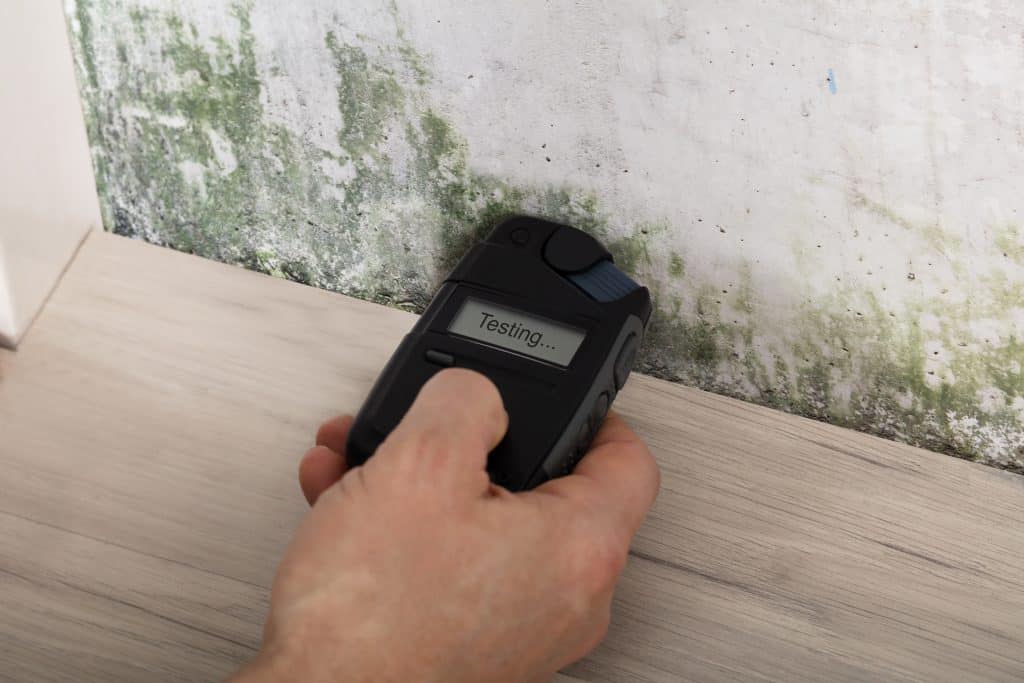
First, we do a free inspection. We’re not just looking at the visible mold on your shower tile. We’re using moisture meters and thermal imaging cameras to find where water is hiding—inside walls, under floors, in your attic insulation. That’s where the real problem usually lives.
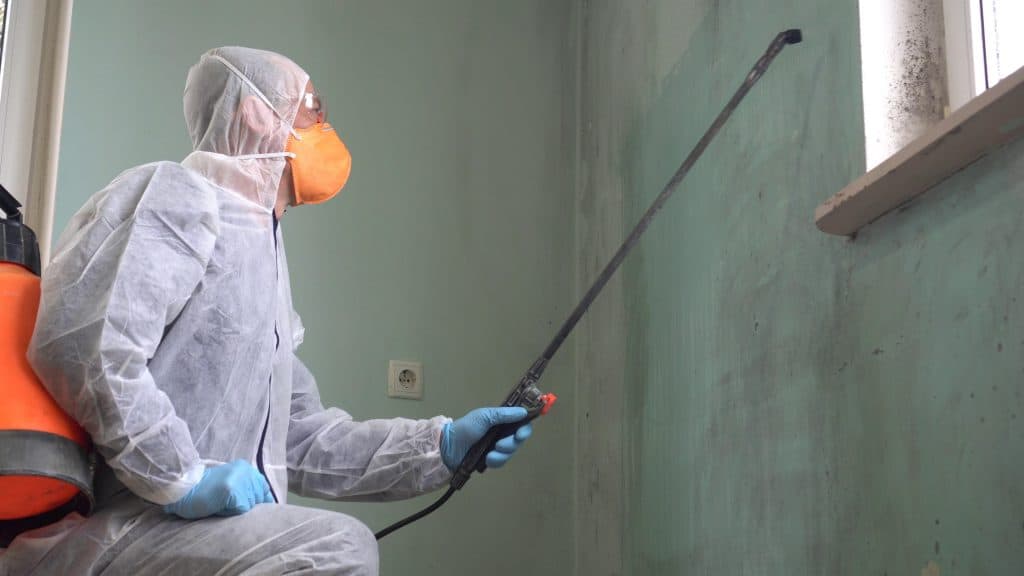
Once we know what we’re dealing with, we contain the area. We seal it off with plastic sheeting and negative air pressure so mold spores don’t spread to clean parts of your home while we work. Then we remove contaminated materials that can’t be saved—drywall, insulation, anything porous that’s been sitting wet.
Next comes the actual cleaning. We use HEPA vacuums and antimicrobial treatments on surfaces that can be salvaged. We’re not spraying something that just kills surface mold and leaves the dead spores behind. Dead mold still triggers allergies and asthma. We remove it completely.
Finally, we fix the moisture problem. If your bathroom exhaust fan isn’t venting outside, we’ll tell you. If your basement needs a dehumidifier or better drainage, we’ll explain why. Mold removal without fixing the cause is just temporary.
Ready to get started?
Every mold removal project starts with finding the full scope of the issue. We inspect your entire property, not just the room where you noticed the problem. Mold doesn’t respect boundaries. If there’s a leak in your upstairs bathroom, there’s probably mold in the ceiling below it.
In Castle Valley, we see a lot of basement mold. Older homes in Bucks County weren’t always built with proper vapor barriers or drainage systems. When spring rains come or summer humidity climbs, moisture seeps through foundation walls and creates perfect conditions for growth. We handle that with waterproofing recommendations and dehumidification strategies that actually work for Pennsylvania’s climate.
Attic mold is another common issue here. Poor ventilation traps warm, moist air during summer. In winter, that same moisture condenses when it hits cold roof decking. We address ventilation problems and insulation issues that cause it.
We also clean HVAC systems when mold gets into ductwork. If your heating and cooling system is circulating spores every time it runs, cleaning one room won’t solve anything. We make sure your air distribution system isn’t working against you.
And if you’re dealing with insurance, we document everything. Photos, moisture readings, scope of work. We’ve worked with enough claims in this area to know what adjusters need to see.
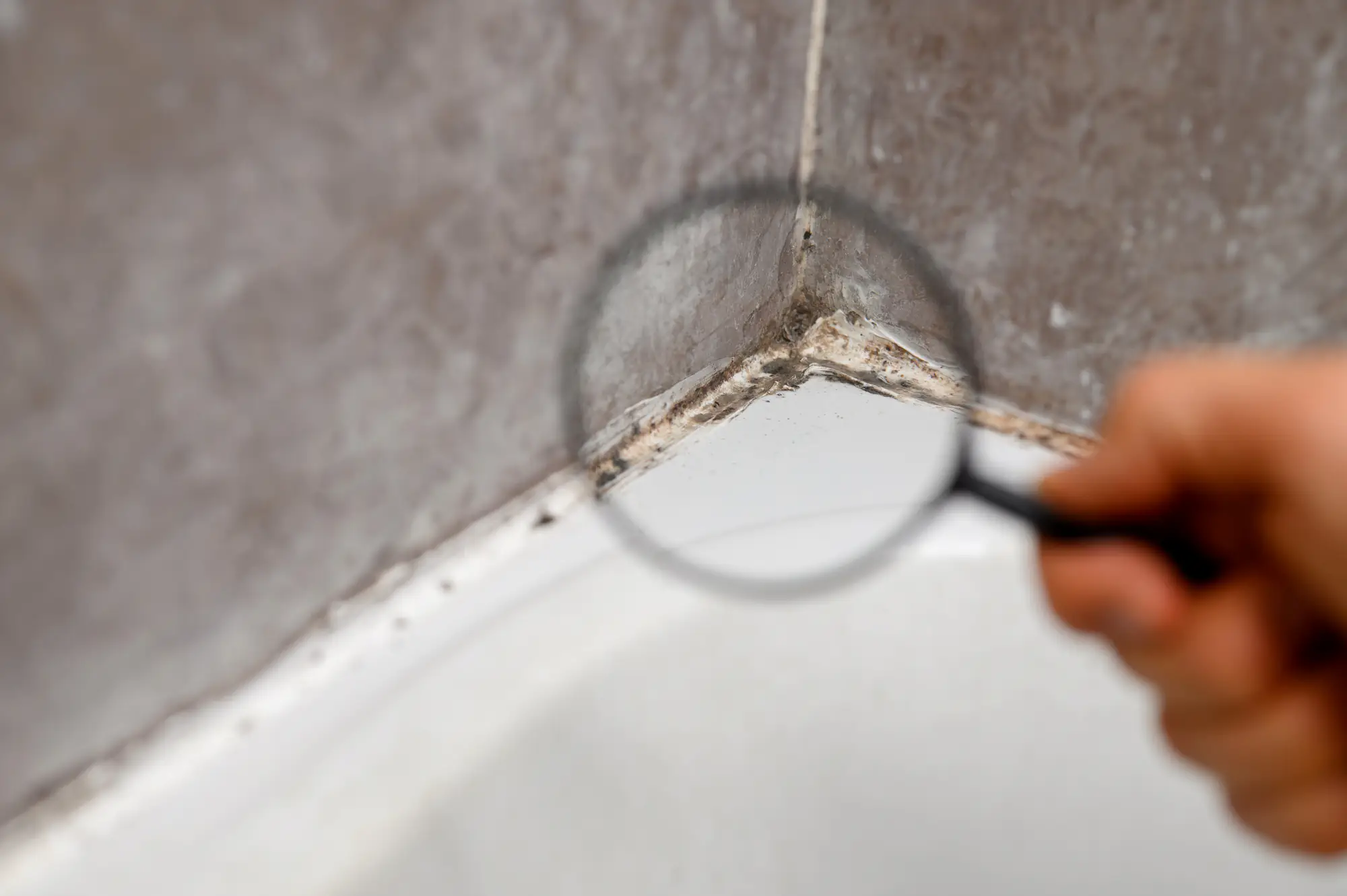
If you’re seeing black, green, or white fuzzy growth on walls, ceilings, or around windows, that’s mold. If you smell something musty in your basement or bathroom even after cleaning, that’s usually mold too. Mildew is surface-level and wipes away easily with basic cleaning products. Mold grows into porous materials like drywall, wood, and insulation.
Here’s the real test: if you clean a spot with bleach and it comes back within a few weeks, you’re dealing with mold, not mildew. Bleach only kills surface growth. It doesn’t reach into porous materials where mold roots itself, and it doesn’t fix the moisture problem that’s feeding it.
The other sign is health symptoms that won’t quit. If someone in your house has a cough, sneezing, or itchy eyes that get better when they leave the house and worse when they come back, mold exposure is a likely cause. Nearly 70 percent of homes contain some mold, but not all of it causes problems. When it does, it’s usually because there’s a lot of it or it’s a type like black mold that releases more irritating spores.
If the affected area is smaller than 10 square feet and it’s not black mold, you can probably handle it yourself with proper protection. Wear an N95 mask, gloves, and eye protection. Use a HEPA vacuum and clean with detergent and water, not bleach. Bleach doesn’t penetrate porous surfaces and can actually make the problem worse by adding more moisture.
But if the mold covers more than 10 square feet, if it’s in your HVAC system, or if it came from sewage or contaminated water, hire a mold specialist. Those situations require containment, air filtration, and proper disposal methods that most homeowners don’t have access to. You also need to find and fix the moisture source, which usually requires equipment like thermal imaging cameras and moisture meters.
Here’s what most people don’t consider: disturbing mold releases spores into the air. If you don’t contain the area and filter the air while you work, you’re spreading the problem to other parts of your home. Professional mold removal companies use negative air machines and HEPA air scrubbers to prevent that. We also know how to remove contaminated materials without making things worse, and we can tell you whether something can be cleaned or needs to be replaced entirely.
Most residential mold removal projects in Castle Valley take between one and three days, depending on how much area is affected and what materials need to be removed. A single bathroom with mold around the tub might only take a day. A finished basement with mold behind drywall and in insulation could take three days or more.
Whether you need to leave depends on the scope of the work and who lives in your house. If we’re just treating a small area and no one in your home has respiratory issues, you can usually stay. We’ll contain the work area with plastic sheeting and run air scrubbers to keep spores from spreading. If we’re removing a lot of material or if someone in your house has asthma, allergies, or a compromised immune system, it’s safer to stay somewhere else until the work is done.
The actual removal is just part of the timeline. After we finish, the area needs to dry completely before we can rebuild or refinish anything. That can take a few extra days depending on humidity levels. We use dehumidifiers and air movers to speed it up, but you can’t rush it. If we close up walls before everything’s dry, the mold will just come back.
It depends on what caused the mold. If it’s from a sudden, accidental event like a burst pipe or a roof leak during a storm, most homeowners insurance policies will cover the mold removal. If it’s from long-term neglect, like a slow leak you didn’t fix or chronic condensation you ignored, they probably won’t cover it.
Insurance companies want to see that the water damage happened quickly and that you took reasonable steps to address it. That’s why it’s important to call a mold removal company as soon as you discover water damage. The longer you wait, the harder it is to prove the damage was sudden. Mold can start growing within 24 to 48 hours, so time matters.
We work with insurance companies regularly and know what documentation they need. We take photos, record moisture readings, and provide detailed estimates that break down what’s covered and what’s not. We can also help you understand your policy limits. Some policies cap mold coverage at a certain amount, like $10,000, even if the actual damage costs more. If your claim gets denied or disputed, our documentation gives you a stronger case to appeal.
Mold removal means physically taking mold out of your home. Mold remediation means bringing mold levels back to normal, natural levels and fixing what caused it to grow in the first place. Technically, you can never remove every single mold spore from a building. Mold spores are everywhere, floating in outdoor and indoor air all the time. The goal isn’t zero mold—it’s reducing it to safe levels and eliminating the conditions that let it grow out of control.
When we do mold remediation, we’re not just scrubbing visible mold off surfaces. We’re removing contaminated materials like drywall and insulation that can’t be fully cleaned. We’re treating surfaces with antimicrobial solutions. We’re running HEPA air scrubbers to filter spores out of the air. And most importantly, we’re finding and fixing the moisture problem that caused the mold to grow in the first place.
That last part is what separates real remediation from a surface cleaning. If your bathroom exhaust fan dumps moist air into your attic instead of outside, cleaning the mold in your attic won’t stop it from coming back. If your basement has high humidity because there’s no dehumidifier and poor drainage around your foundation, wiping down the walls won’t solve anything. Remediation addresses the root cause so the mold doesn’t return.
Control moisture. That’s the entire answer. Mold needs water to grow. If you keep indoor humidity below 60 percent and fix leaks as soon as they happen, mold won’t come back. In Castle Valley and the rest of Bucks County, that means running a dehumidifier in your basement during humid months, making sure your bathroom exhaust fans vent outside, and checking your roof and plumbing for leaks regularly.
Ventilation matters too. Attics need proper airflow so warm, moist air doesn’t get trapped and condense on cold surfaces. Crawl spaces need vapor barriers and vents or dehumidification depending on how they’re built. Bathrooms and kitchens need exhaust fans that actually work, not ones that just recirculate air. If your home was built before modern building codes, there’s a good chance your ventilation isn’t adequate.
After we finish a mold remediation project, we’ll tell you exactly what needs to change to prevent future growth. Sometimes it’s simple, like cleaning your gutters so water doesn’t overflow and seep into your foundation. Sometimes it’s bigger, like installing a sump pump or upgrading insulation. Either way, we give you a clear plan. Mold removal without prevention is just a temporary fix, and we’d rather do the job once and do it right.
Other Services we provide in Castle Valley