

Hear from Our Customers
You’re not just paying to remove visible mold. You’re getting air quality back that doesn’t make your family sick. You’re getting documentation that satisfies your insurance company and keeps claims moving. You’re getting the moisture source identified and fixed so this doesn’t become a recurring nightmare.
Most mold removal companies in Buckmanville focus on the surface problem. We focus on why it happened and how to prevent it from coming back.
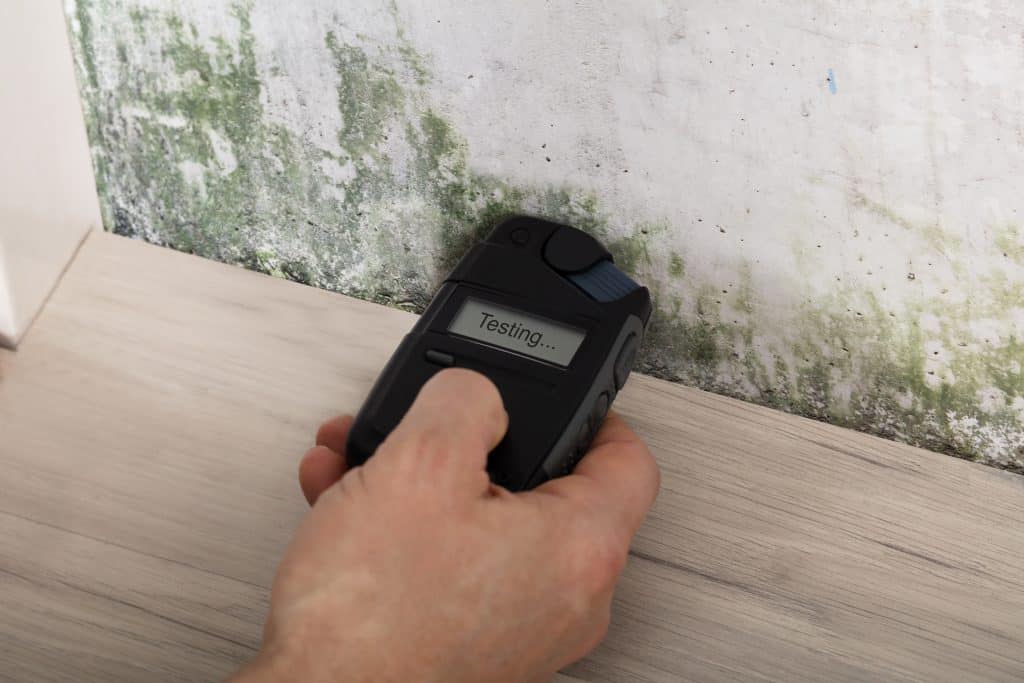
That means thermal imaging to find hidden moisture. That means proper containment so spores don’t spread during removal. That means EPA-approved cleaning methods and post-remediation testing to confirm the job’s actually done. You’re not guessing whether your home is safe—you know it is.
We’ve been handling mold problems in Buckmanville and throughout Bucks County for years. We’re not a national franchise reading from a script. We’re local professionals who understand what older homes in this area deal with—plaster walls that trap moisture, brick basements without vapor barriers, and HVAC systems that weren’t designed for Pennsylvania’s humid summers.
We’ve seen what happens when homeowners wait too long or hire the cheapest option. The mold comes back. The insurance claim gets denied. The problem spreads to structural components that cost thousands more to repair.
Our technicians are IICRC-certified mold specialists who live in this community. When you call, you’re talking to someone who’s dealt with the same seasonal humidity issues you’re facing right now.

First, we do a free inspection. That includes thermal imaging to find moisture you can’t see and air quality testing to identify what type of mold you’re dealing with. Black mold requires different handling than common household mold, and you need to know what’s actually growing in your home.
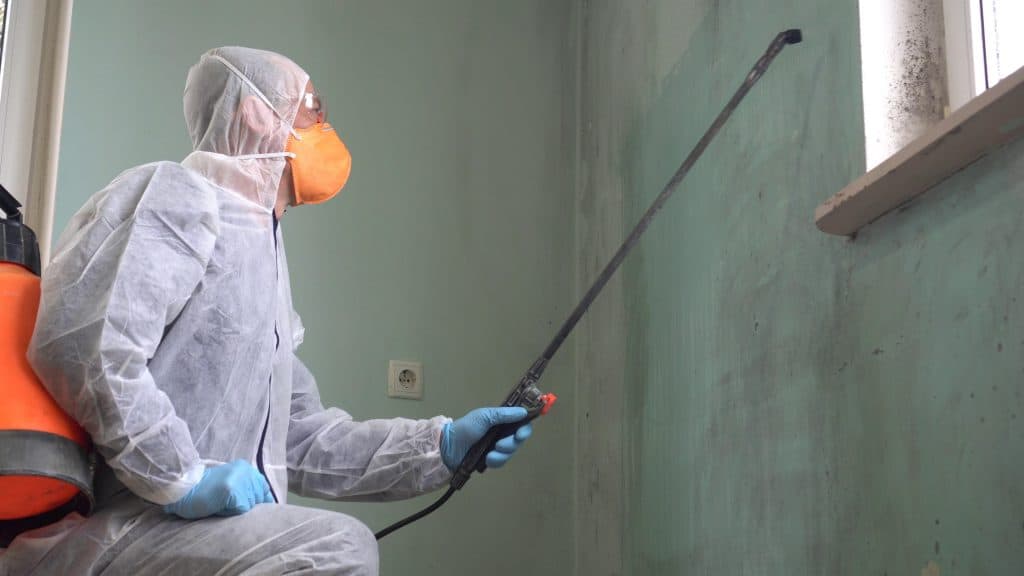
Next, we contain the affected area. This isn’t optional—it’s how we prevent mold spores from spreading to clean areas during removal. We use physical barriers and negative air pressure to keep contamination isolated.
Then we remove the mold using EPA-approved methods and commercial-grade equipment. If materials like drywall or insulation are too damaged, we remove and dispose of them properly. We don’t just clean over the problem and hope it doesn’t come back.
Finally, we identify and document the moisture source. Mold doesn’t grow without water. Whether it’s a leaky pipe, poor ventilation, or foundation seepage, we find it and explain what needs to happen next. We also provide complete documentation for your insurance claim, including photos, moisture readings, and detailed scope of work.
Ready to get started?
You get a thorough inspection at no cost. We’re looking for visible mold, hidden moisture, and the conditions that allow mold to thrive in Bucks County’s climate. Homes built before modern ventilation standards—and that’s a lot of properties in Buckmanville—have specific vulnerabilities we know how to spot.
You get 24/7 emergency service. Mold starts growing within 24 to 48 hours of water exposure. Pennsylvania’s humid summers make that timeline even tighter. If you’ve got a burst pipe or flooding, waiting until Monday morning isn’t an option.
You get complete moisture source identification. We use thermal imaging and moisture meters to find problems you can’t see. Basement seepage, roof leaks, condensation in crawl spaces—these are the issues that cause mold to return if they’re not addressed. We don’t just treat symptoms.
You also get insurance assistance. Our team knows what documentation insurance companies require for mold claims. We provide detailed estimates, photos, moisture readings, and scope of work that keeps your claim moving forward instead of getting stuck in back-and-forth requests for more information.
Most homeowners in Buckmanville pay between $1,200 and $3,700 for professional mold removal, with the average project around $2,400. The actual cost depends on how much area is affected, what type of mold you’re dealing with, and whether structural materials need to be removed.
Black mold removal typically costs more because it requires stricter containment and safety protocols. If mold has spread into HVAC systems or behind walls, that increases the scope and the price. Professionals charge $10 to $25 per square foot, so a 100-square-foot area runs $1,000 to $2,500.
The bigger cost is waiting. Mold spreads fast in Pennsylvania’s humid climate, especially during summer. A small problem in your bathroom can become a whole-house issue within weeks. Insurance may cover mold removal if it’s caused by a covered event like a burst pipe, but they won’t cover damage from long-term neglect. Getting a free inspection early can save you thousands.
A small, contained mold problem—like a bathroom or closet—usually takes one to three days. Larger projects involving multiple rooms, HVAC contamination, or structural removal can take a week or more.
The timeline depends on the size of the affected area, how long containment needs to stay in place, and whether materials like drywall or insulation need to be removed and replaced. We’re not rushing through the job just to finish faster. Proper containment, thorough removal, and post-testing take time.
Drying is often the longest part. After we remove the mold and fix the moisture source, affected areas need to dry completely before reconstruction starts. In Bucks County’s humid climate, that can take several days even with commercial dehumidifiers running. Skipping this step is how mold comes back. We’d rather take the extra time and do it right than have you call us back in six months with the same problem.
If it’s a very small area—less than 10 square feet—and it’s not black mold, you can handle it yourself with proper safety gear and EPA-approved cleaners. Anything larger, anything involving black mold, or anything in your HVAC system requires a professional mold removal company.
Here’s why: mold spreads through spores. If you don’t contain the area properly, you’re spreading contamination throughout your home while you’re trying to clean it. If you don’t identify the moisture source, it grows back. If you don’t use the right cleaning methods, you’re just pushing spores deeper into porous materials.
Older homes in Buckmanville add another layer of complexity. Many were built before vapor barriers and modern ventilation became standard. Mold in these homes often hides in places you can’t easily access—inside walls, under flooring, in crawl spaces. We use thermal imaging and moisture meters to find hidden problems. We also know Pennsylvania’s disclosure laws. If you’re selling your home and you know there’s mold, you’re legally required to disclose it. Improper DIY removal that doesn’t actually solve the problem can create liability issues down the road.
Moisture and humidity. Mold needs water to grow, and Bucks County’s climate provides plenty of it. Warm, humid summers combined with older housing stock create perfect conditions for mold growth—especially in basements, attics, and crawl spaces.
Common causes include roof leaks, plumbing leaks, foundation seepage, and poor ventilation. Many homes in Buckmanville were built decades ago without proper moisture barriers or adequate airflow. Basements with brick walls or plaster finishes trap moisture. Attics without sufficient ventilation turn into saunas during summer. HVAC systems that aren’t maintained properly circulate humid air and condensation throughout your home.
Flooding and water damage are obvious triggers, but slow leaks are often worse because they go unnoticed for months. A small drip behind a washing machine or under a sink can create a major mold problem before you even realize there’s moisture. That’s why thermal imaging during inspections is so important—it finds water intrusion you can’t see. Pennsylvania’s seasonal temperature swings also cause condensation issues that contribute to mold growth, especially in poorly insulated spaces.
It depends on what caused the mold. If mold resulted from a sudden, covered event—like a burst pipe, storm damage, or appliance malfunction—most homeowners insurance policies will cover removal. If mold developed due to long-term neglect, lack of maintenance, or gradual issues like poor ventilation, insurance typically won’t cover it.
Insurance companies require documentation. That means photos, moisture readings, a detailed scope of work, and proof that the mold resulted from a covered peril. This is where working with us helps. We provide the documentation your insurance adjuster needs to process the claim without endless back-and-forth requests for more information.
You also need to act fast. Most policies require you to mitigate damage promptly. If you discover water damage and wait weeks to address it, the insurance company can argue you didn’t take reasonable steps to prevent further loss. Mold that grows during that delay may not be covered. We work directly with insurance companies and understand what they’re looking for. Our team can review your policy, help you file the claim, and provide estimates that meet insurance requirements. That takes a lot of the stress out of an already frustrating situation.
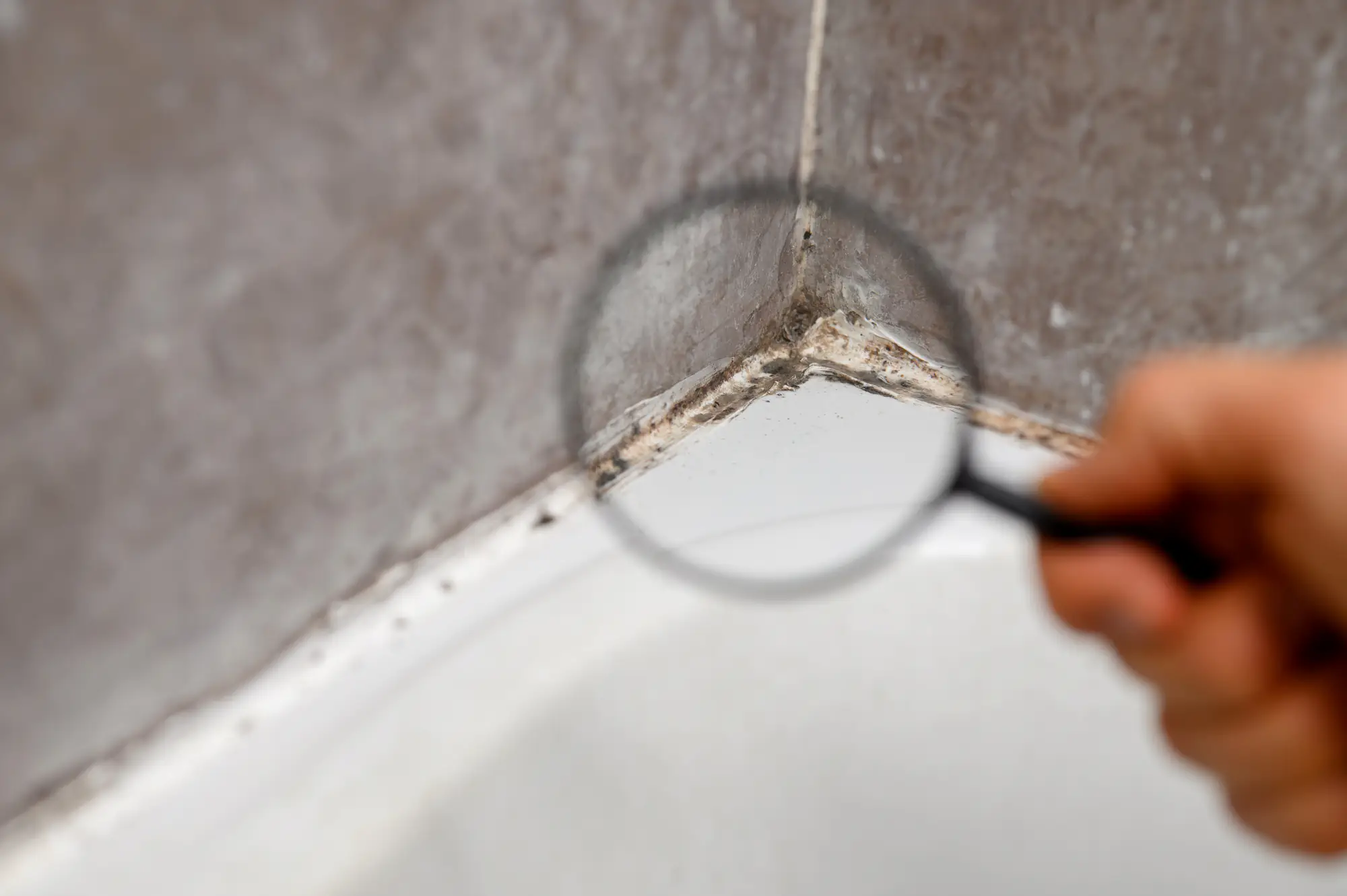
You can’t tell just by looking at it. Black mold—Stachybotrys chartarum—is dark and slimy, but so are other types of mold that aren’t toxic. The only way to know for sure is through professional testing that identifies the specific species.
Black mold grows in areas with consistent moisture and cellulose-based materials like drywall, wood, and insulation. It’s more common in homes that have experienced flooding, long-term leaks, or serious humidity problems. If you’re seeing dark mold in your basement, attic, or around plumbing, it’s worth getting tested.
Health symptoms can be a clue. Black mold exposure causes respiratory issues, chronic coughing, headaches, and allergic reactions that don’t go away when you leave the house. If multiple family members are experiencing unexplained health problems, mold could be the cause. Testing gives you a definitive answer and determines the right removal approach. Different mold species require different handling. Black mold needs stricter containment, specialized cleaning agents, and more thorough safety protocols. We include testing as part of our free inspection so you know exactly what you’re dealing with before any work starts.
Other Services we provide in Buckmanville