

Hear from Our Customers
You’re not imagining it. That musty smell in your basement isn’t normal, and those allergy symptoms that won’t quit might be coming from inside your walls.
Mold doesn’t just look bad. It affects your family’s health, damages your property, and gets worse the longer it sits. If you’ve got older construction in Appletree Hill or Bucks County, you’re dealing with the same humidity and moisture issues that create perfect conditions for mold growth.
When we remove mold from your home, you’re getting more than cleanup. You’re getting clearer air, fewer respiratory problems, and peace of mind that the issue is actually fixed. We don’t just scrub surfaces and hope for the best. We find the moisture source, eliminate the mold completely, and make sure it doesn’t come back.
Your home should feel safe. If it doesn’t right now, that changes after we’re done.
We’ve been handling mold problems in Appletree Hill and throughout Bucks County for years. We understand how the local climate works against you—humid summers, damp winters, and older homes with basements that weren’t built to handle moisture the way modern construction does.
We’re certified, we use EPA-approved methods, and we don’t cut corners. When you call us, you’re getting a team that knows the difference between surface mold and a serious contamination problem. We’ve seen it all in this area, from post-war homes with ventilation issues to newer builds with hidden leaks.
You don’t need a sales pitch. You need someone who can show up, assess the situation honestly, and fix it right the first time. That’s what we do.

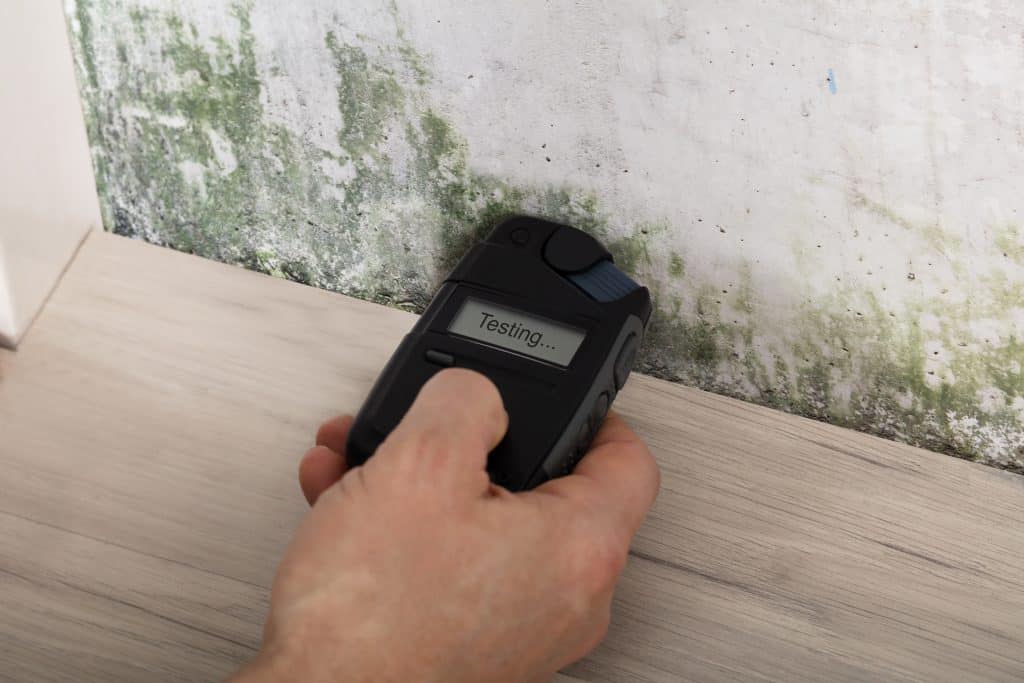
First, we come out and do a free inspection. We’re looking for visible mold, but also checking moisture levels, airflow issues, and hidden problem areas like behind drywall or under flooring. We use thermal imaging and moisture meters to find what you can’t see.
Once we know what we’re dealing with, we give you a clear estimate. No surprises, no upselling. If your situation calls for containment, we set up barriers and negative air pressure to keep spores from spreading to clean areas of your home.
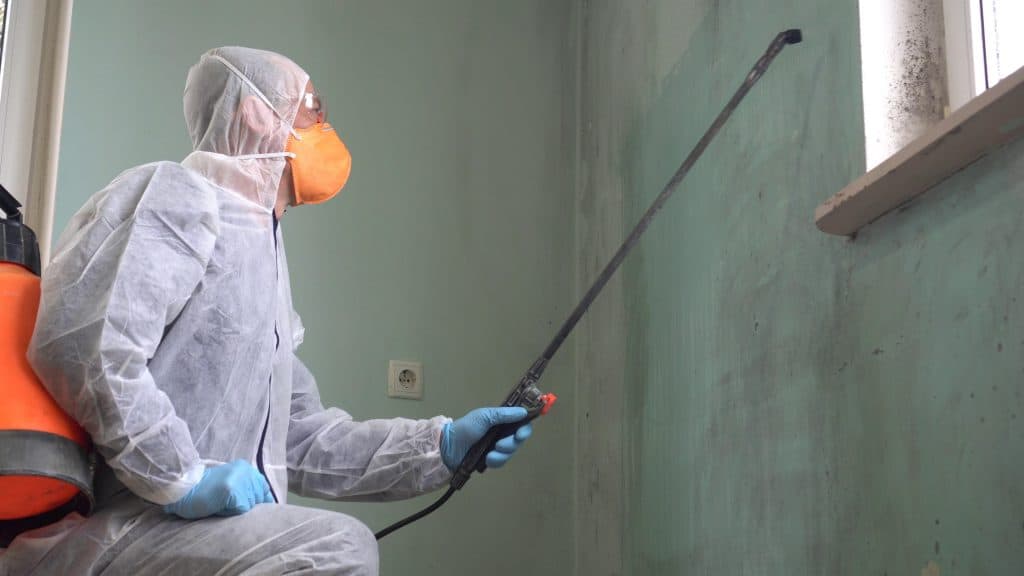
Then we remove the mold using HEPA filtration and EPA-approved cleaning agents. If materials like drywall or insulation are too far gone, we remove and dispose of them properly. After that, we treat and seal affected areas, then verify air quality with testing to make sure the job is complete.
The last step is fixing whatever caused the mold in the first place—whether that’s a leak, poor ventilation, or drainage issues. If we don’t address the source, you’ll be calling someone again in six months. We make sure that doesn’t happen.
Ready to get started?
When we handle a mold removal job in Appletree Hill, you’re getting a full-scope service. That means inspection, containment, removal, air filtration, disposal, treatment, and verification testing. We also work directly with your insurance company if your policy covers mold damage.
Bucks County homes face specific challenges. A lot of properties here were built before modern moisture barriers and ventilation standards. Basements are especially vulnerable, and that’s where we see the majority of black mold growth. We also handle attic mold, crawl space contamination, and HVAC system mold that spreads spores every time your system kicks on.
We don’t just clean mold. We identify why it grew, fix the underlying problem, and document everything. You’ll get photos, moisture readings, and a detailed report of what we found and what we did. That matters if you’re selling your home, filing an insurance claim, or just want proof the job was done right.
Emergency situations get priority scheduling. If you’ve had a flood, a major leak, or discovered heavy contamination, we can be there fast. Mold starts growing within 24 to 48 hours of water exposure, so time matters.
Most mold removal projects in Appletree Hill and Bucks County range from $1,500 to $6,000, depending on the size of the affected area and how severe the contamination is. A small bathroom mold issue might cost closer to $500, while a full basement remediation with structural repairs can run higher.
The price depends on a few factors: square footage, the type of mold, whether materials need to be removed, and how much containment is required. If we’re dealing with black mold or a situation where the HVAC system is involved, that adds complexity and cost.
We give you a detailed estimate after the inspection, so there’s no guessing. Some homeowners insurance policies cover mold remediation if it’s tied to a covered event like a burst pipe. We’ll work with your insurance company to help you file the claim and get reimbursed if your policy allows it.
The most obvious signs are visible mold growth and a persistent musty smell. But mold often hides behind walls, under flooring, or in your HVAC system, so you might not see it even if it’s there.
Other signs include unexplained allergy symptoms, respiratory issues that won’t go away, water stains on walls or ceilings, peeling paint, or warped wood. If anyone in your home is dealing with chronic sinus problems, headaches, or asthma that seems worse indoors, mold could be the cause.
Bucks County’s humidity makes mold growth more likely, especially in older homes with poor ventilation. Basements, attics, and crawl spaces are the most common problem areas. If you’ve had any kind of water damage—even a small leak—it’s worth getting an inspection. Mold can start growing within 24 hours of water exposure, and it spreads fast once it takes hold.
If it’s a very small area—less than 10 square feet—and it’s surface mold on a non-porous material like tile, you can handle it yourself with the right cleaner and protective gear. But anything larger, anything involving porous materials like drywall or wood, or any situation where you’re dealing with black mold should be handled by a professional mold removal company.
Here’s why: mold releases spores when it’s disturbed. If you don’t contain the area properly, you can spread contamination to other parts of your home. DIY methods also don’t address the moisture source, so the mold just comes back.
Professional mold remediation includes containment, HEPA filtration, proper disposal, and most importantly, identifying and fixing what caused the mold in the first place. We also verify air quality after the job to make sure spore levels are back to normal. If you skip any of those steps, you’re not really solving the problem.
Most residential mold removal jobs in Appletree Hill take between one and five days, depending on the size and severity of the contamination. A single-room job might be done in a day or two. A whole-basement remediation with structural repairs can take a week or more.
The timeline depends on how much mold there is, whether we need to remove materials like drywall or insulation, and how long it takes to dry out the affected area. Containment and air filtration run continuously during the process to keep spores from spreading.
After the physical removal is done, we let everything dry completely and then do air quality testing to confirm the mold is gone. Rushing that step is a mistake. If moisture is still present, mold will just grow back. We’d rather take the extra time to do it right than have you call us again in a few months.
Mold will come back if the moisture problem isn’t fixed. That’s the most important thing to understand. You can scrub every visible spore, but if water is still leaking, humidity is still high, or ventilation is still poor, you’re just buying time.
When we remove mold, we don’t stop at cleanup. We find the source—whether it’s a leaky pipe, poor grading around your foundation, a roof leak, or just inadequate airflow in your basement. Then we either fix it ourselves or tell you exactly what needs to be done.
We also treat affected areas with antimicrobial solutions and sealants to prevent regrowth. But the real protection comes from controlling moisture. In Bucks County, that often means improving ventilation, adding dehumidifiers, or addressing drainage issues around older homes. We’ll walk you through what your specific situation needs.
Black mold—specifically Stachybotrys chartarum—produces mycotoxins that can cause serious health problems, especially with prolonged exposure. Symptoms include respiratory issues, chronic sinus infections, headaches, fatigue, and in severe cases, neurological problems.
Not all black-colored mold is the toxic kind, but you shouldn’t take chances. About 25% of people have a genetic predisposition that makes them more vulnerable to mold illness. Kids, elderly family members, and anyone with asthma or a compromised immune system are at higher risk.
The bigger issue is that any mold growth in your home means there’s a moisture problem, and that problem is damaging your property whether or not the mold is toxic. Studies show that mold destroys more wood than fires and termites combined. If you’re seeing black mold, it’s time to call us and get it handled before it spreads further or makes someone sick.
Other Services we provide in Appletree Hill