

Hear from Our Customers
You stop waking up with headaches. The musty smell disappears. Your kids aren’t coughing at night anymore.
That’s what happens when mold removal is done right. Not just scrubbed over or painted around—actually removed, down to the source.
In Applebachsville and throughout Bucks County, we see the same pattern: humid summers, older homes with basements that trap moisture, and mold that spreads faster than most people realize. Within 72 hours of water exposure, mold starts growing. Behind your walls. Under your floors. In places you can’t see until it’s already a problem.
When we handle it, you’re not just getting surface cleaning. You’re getting air quality back. Peace of mind back. And a home that doesn’t lose 20 to 37 percent of its value because of something that could’ve been caught early.
Mack’s Mold Removal has been serving Applebachsville and the surrounding Bucks County area for years. We’ve seen every type of mold situation this region throws at homeowners—from crawl space humidity to attic condensation to basement flooding after heavy rain.
We’re not a national franchise reading from a script. We’re local. We understand how Pennsylvania’s climate creates the perfect environment for mold growth, especially in older homes that weren’t built with modern ventilation.
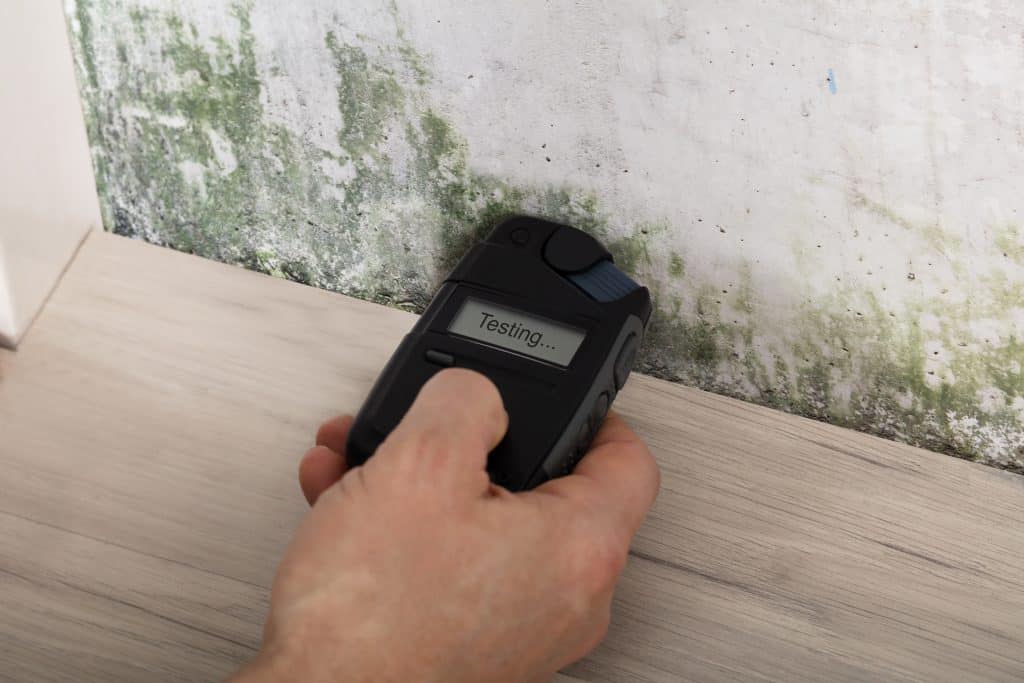
When you call us, you’re working with a mold removal company that uses professional-grade equipment—thermal imaging, moisture meters, lab-tested air sampling—and explains everything in plain language. No pressure. No upselling. Just honest assessment and real solutions.

First, we come out for a free inspection. We’re looking for visible mold, but also the hidden stuff—moisture readings behind walls, thermal signatures that show where water’s getting trapped, air quality issues you can’t see but are definitely breathing.
Once we know what we’re dealing with, we give you a clear breakdown. What needs to be removed. What needs to dry out. What the timeline looks like. Costs are upfront—no surprises halfway through the job.
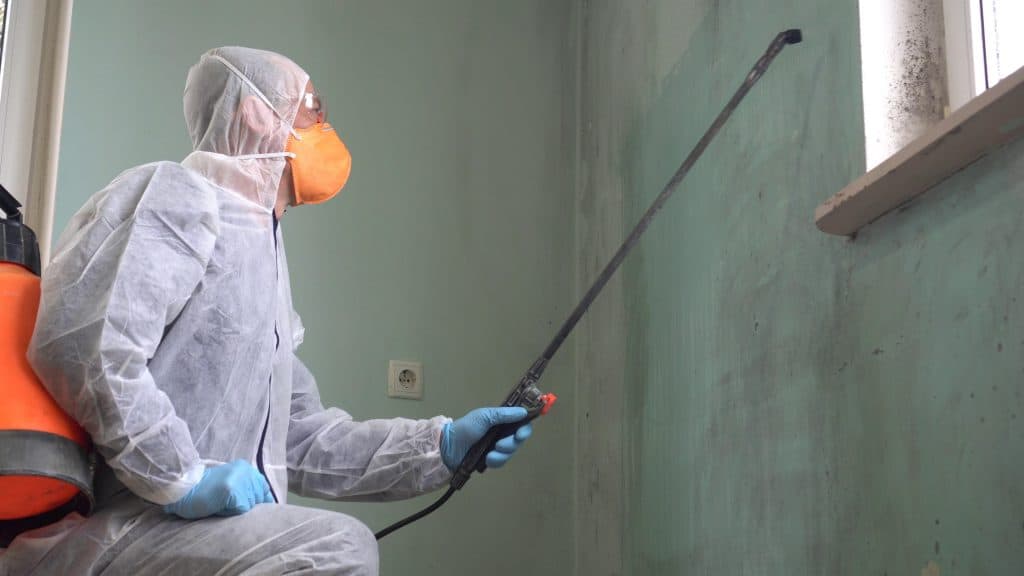
Then we contain the area to prevent mold spores from spreading during removal. We use HEPA filtration and negative air pressure. The contaminated materials get removed safely. Surfaces get treated with antimicrobial solutions. Everything gets dried properly, because moisture is what caused this in the first place.
After removal, we can help with documentation if you’re filing an insurance claim. And we’ll tell you what to watch for going forward so this doesn’t happen again.
Ready to get started?
When we say complete mold removal, here’s what that actually means for your Applebachsville home.
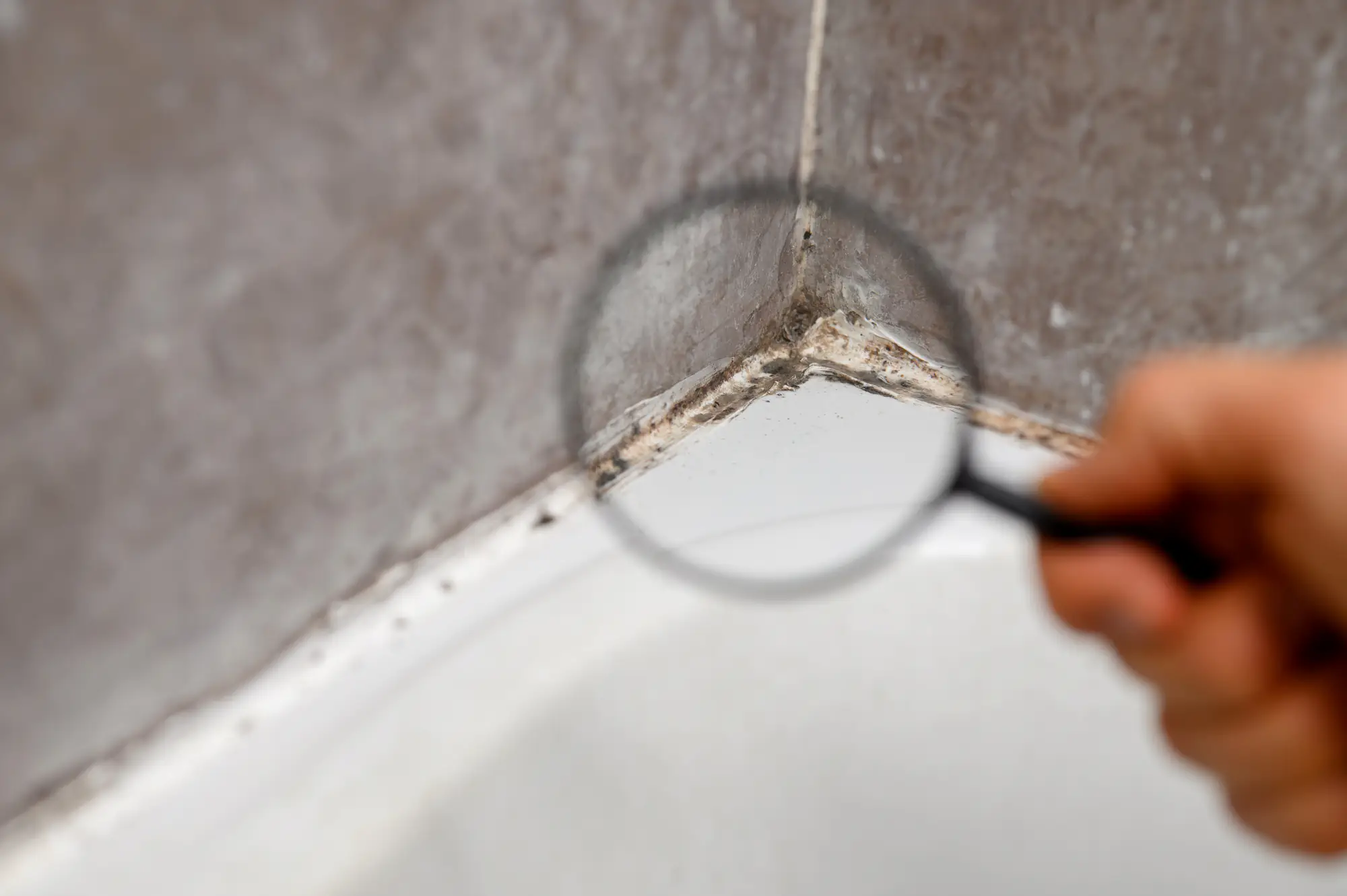
You get a full property inspection using infrared cameras and moisture detection tools. We test air quality and take surface samples that go to an independent lab—so you know exactly what type of mold you’re dealing with and how concentrated it is.
Containment comes next. We seal off the affected area so mold spores don’t spread to clean parts of your house during the work. Then comes removal: contaminated drywall, insulation, flooring—whatever can’t be safely cleaned gets taken out. What can be saved gets treated with professional-grade antimicrobial agents.
We handle the drying process with industrial dehumidifiers and air movers, because leftover moisture means the mold just comes back. You’ll get a detailed report with lab results, photos, and our findings—helpful if you need it for insurance or resale disclosure down the road.
Bucks County’s humidity doesn’t mess around, especially in summer when your AC is running and basements stay damp. We’ve pulled mold out of crawl spaces, attics, behind shower tiles, under kitchen sinks—anywhere water sits too long in this climate.
Most mold removal projects in Applebachsville run between $1,200 and $3,700, depending on how much area is affected and what materials need to be removed. Small jobs—like a patch of mold in a bathroom—might cost less. Larger infestations that involve multiple rooms or structural materials can go higher.
The inspection itself usually costs between $400 and $600, and that includes moisture testing, air sampling, and a lab report. Some companies roll that cost into the remediation if you move forward with the work.
What drives the price up is usually the extent of the damage. If mold has spread behind walls or into your HVAC system, that takes more time and specialized equipment. But catching it early—before it gets into the studs or insulation—can save you thousands. We give you a clear estimate after the inspection so there’s no guessing.
A typical mold removal job takes anywhere from one to five days, depending on the size of the affected area and how much material needs to come out.
Smaller jobs—like a closet or bathroom—can often be handled in a day or two. Larger projects, especially ones involving basements or multiple rooms, take longer because of the containment setup, removal process, and drying time.
Drying is the part that can’t be rushed. Even after the mold is removed, we need to make sure moisture levels are back to normal. Otherwise, you’re just inviting it back. We use commercial dehumidifiers and moisture meters to confirm everything’s dry before we call it done. If you’re in a hurry because of a real estate closing or a tenant situation, we’ll work with your timeline—but we won’t cut corners that put you at risk later.
It depends on what caused the mold. If it’s from a sudden, covered event—like a burst pipe or storm damage—most homeowners insurance policies in Pennsylvania will cover mold removal, up to a certain limit.
But if the mold is from long-term neglect, like a slow leak you didn’t fix or ongoing humidity issues, insurance usually won’t pay. That’s considered a maintenance problem.
Pennsylvania doesn’t require insurers to cover mold, so your policy might have a cap—often between $5,000 and $10,000. Some policies exclude mold entirely unless you add a rider. We’ve worked with plenty of insurance adjusters in Bucks County, and we know what documentation they need: photos, moisture readings, lab results, a scope of work. We’ll provide all of that and work directly with your adjuster if needed. Just don’t wait too long to file—most policies require you to report damage quickly.
Remediation is the technically correct term, and here’s why: you can’t remove every single mold spore from a building. Mold spores exist everywhere, indoors and out. What we’re really doing is bringing mold levels back down to normal, safe concentrations and removing the growth.
Remediation means we’re addressing the contamination, removing affected materials, treating surfaces, and controlling moisture so mold doesn’t come back. Removal often refers to the physical act of taking out moldy drywall, insulation, or flooring.
Most people use the terms interchangeably, and that’s fine. What matters is the outcome: getting your indoor air quality back to safe levels and making sure the problem doesn’t return. We do both—remove the contaminated stuff and treat the space so it stays clean. If a company is just spraying something over visible mold and calling it done, that’s not remediation. That’s a temporary cover-up, and it won’t hold.
If it’s a very small area—less than 10 square feet, like a little patch on a windowsill—and it’s not black mold, you can probably handle it yourself with the right precautions. Wear gloves, use a mask, ventilate the area, and clean with a proper mold-killing solution.
But if you’re dealing with black mold, a large area, or mold that’s behind walls or in your HVAC system, hire a professional mold specialist. Black mold releases mycotoxins that can cause serious respiratory problems, especially for kids, elderly folks, or anyone with asthma or a weakened immune system.
DIY mold removal also tends to spread spores if you don’t contain the area properly. Scrubbing or disturbing mold without containment just sends spores into the air, and they settle in other parts of your home. We use HEPA filtration, negative air pressure, and proper disposal methods to prevent that. Plus, if you’re planning to sell your home or file an insurance claim, you’ll need professional documentation. A bottle of bleach and a sponge won’t cut it.
Control moisture. That’s the whole game. Mold needs water to grow, so if you keep things dry, it won’t come back.
Start with the basics: fix any leaks as soon as you notice them. Check under sinks, around toilets, near your water heater. In Applebachsville, basements are a common problem because of how humid it gets in summer. A dehumidifier in your basement or crawl space can make a huge difference—keep indoor humidity below 60 percent.
Make sure your gutters are clear and downspouts are directing water away from your foundation. Water pooling near your house leads to seepage, and seepage leads to mold. Ventilation matters too. Bathrooms and kitchens need exhaust fans that actually vent outside, not just into the attic. And if you’ve had a water issue—flooding, a roof leak, whatever—dry it out within 48 hours. That’s your window before mold starts growing. After we finish a mold removal job, we’ll walk you through the specific risks in your home and what to keep an eye on.
Other Services we provide in Applebachsville