
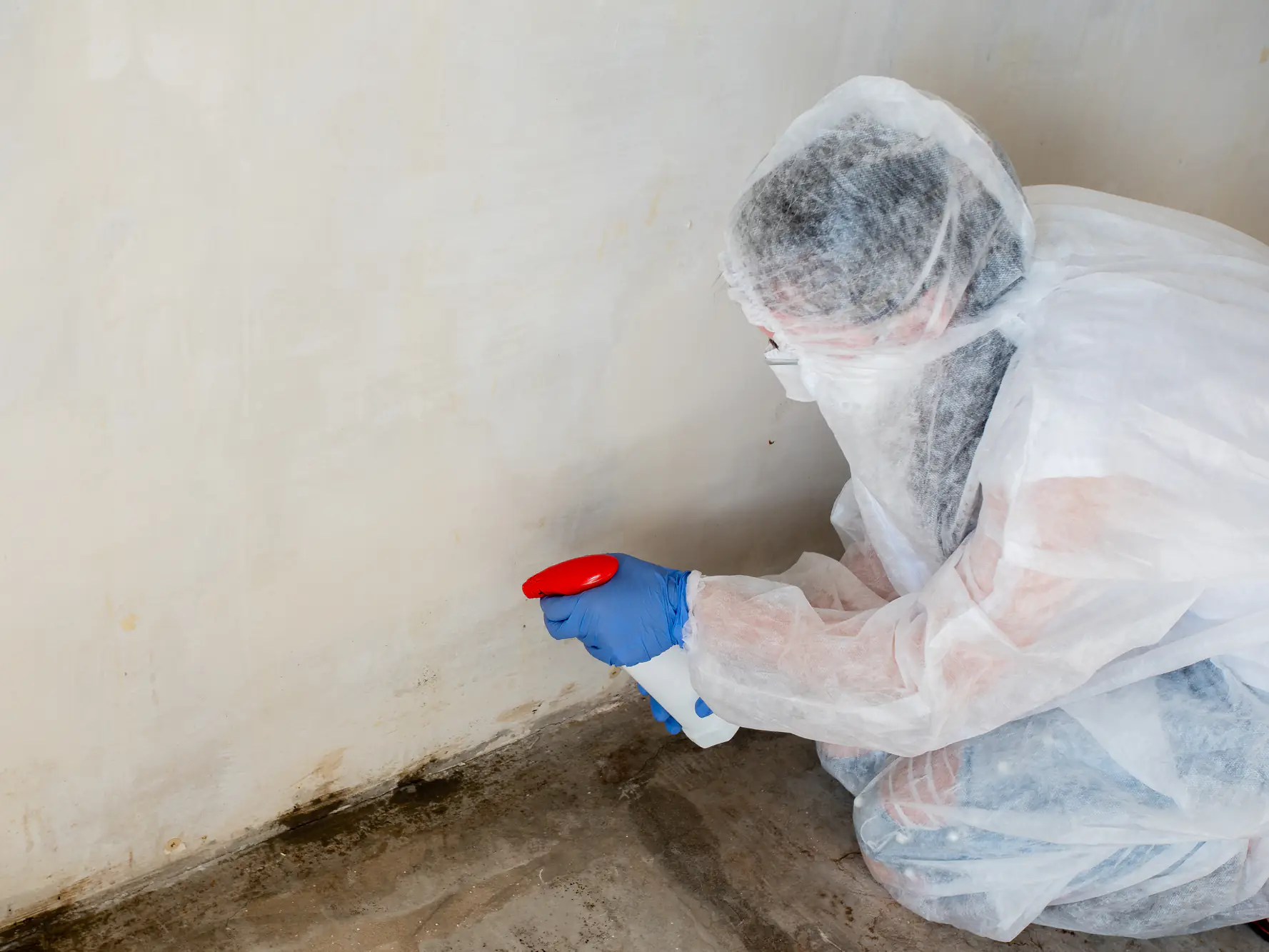
Hear from Our Customers
You stop worrying every time you walk past that wall. The musty smell disappears. Your kids aren’t coughing at night anymore.
That’s what happens when we actually fix the problem instead of just wiping down the surface. You’re not masking it or hoping it goes away. You’re addressing what caused it in the first place.
Bucks County homes deal with humidity, old basements, and water issues that create perfect conditions for mold growth. If you’ve got black spots showing up, a damp smell that won’t quit, or respiratory symptoms that started after moving in, you’re dealing with more than a cleaning issue. You need someone who knows how to trace it back to the source, remove it safely, and prevent it from spreading while they work.
The difference between a quick cleanup and real remediation is whether the mold comes back in six months. We don’t do surface fixes.
We work with homeowners and property managers throughout Bucktoe, PA and the surrounding Bucks County area. We’ve seen what happens when mold gets ignored, and we’ve seen what it takes to actually solve it.
We use EPA-approved methods and the right equipment to remove mold without spreading spores through your home. Every job starts with a free inspection because we’re not guessing what’s wrong. We’re finding it, documenting it, and explaining what needs to happen next.
Pennsylvania doesn’t require mold remediation licensing, which means anyone can claim they know what they’re doing. We follow EPA guidelines, stay compliant with state regulations, and work with your insurance company when coverage applies. You’re not getting a guy with a spray bottle. You’re getting specialists who know how to do this correctly.
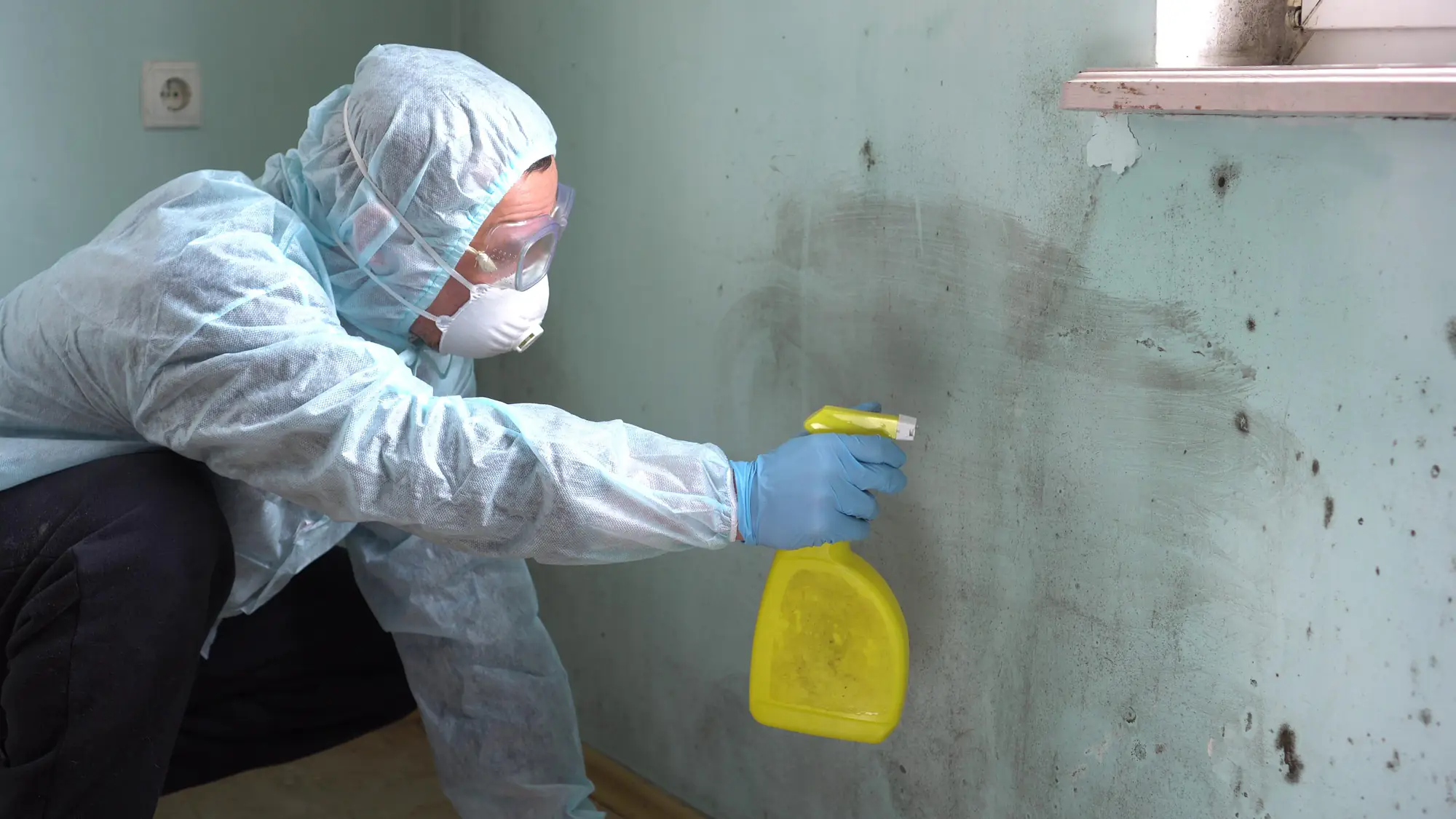
We start with a free inspection. That means checking visible areas, testing air quality if needed, and using moisture meters to find hidden problems. Mold grows where water sits, so we’re looking at basements, crawl spaces, attics, and anywhere you’ve had leaks or condensation.
Once we know what we’re dealing with, we give you a clear estimate. No surprises. If insurance is involved, we’ll work directly with them to document everything and help with your claim.
During remediation, we contain the area to prevent spores from spreading to other parts of your home. We remove contaminated materials, treat affected surfaces, and use HEPA filtration to clean the air. Then we address the moisture source, whether that’s a leak, poor ventilation, or drainage issues around your foundation.
After removal, we verify the work with testing and make sure your indoor air quality is back to safe levels. If repairs are needed, we handle that too. You’re not coordinating between three different contractors. The job gets finished.
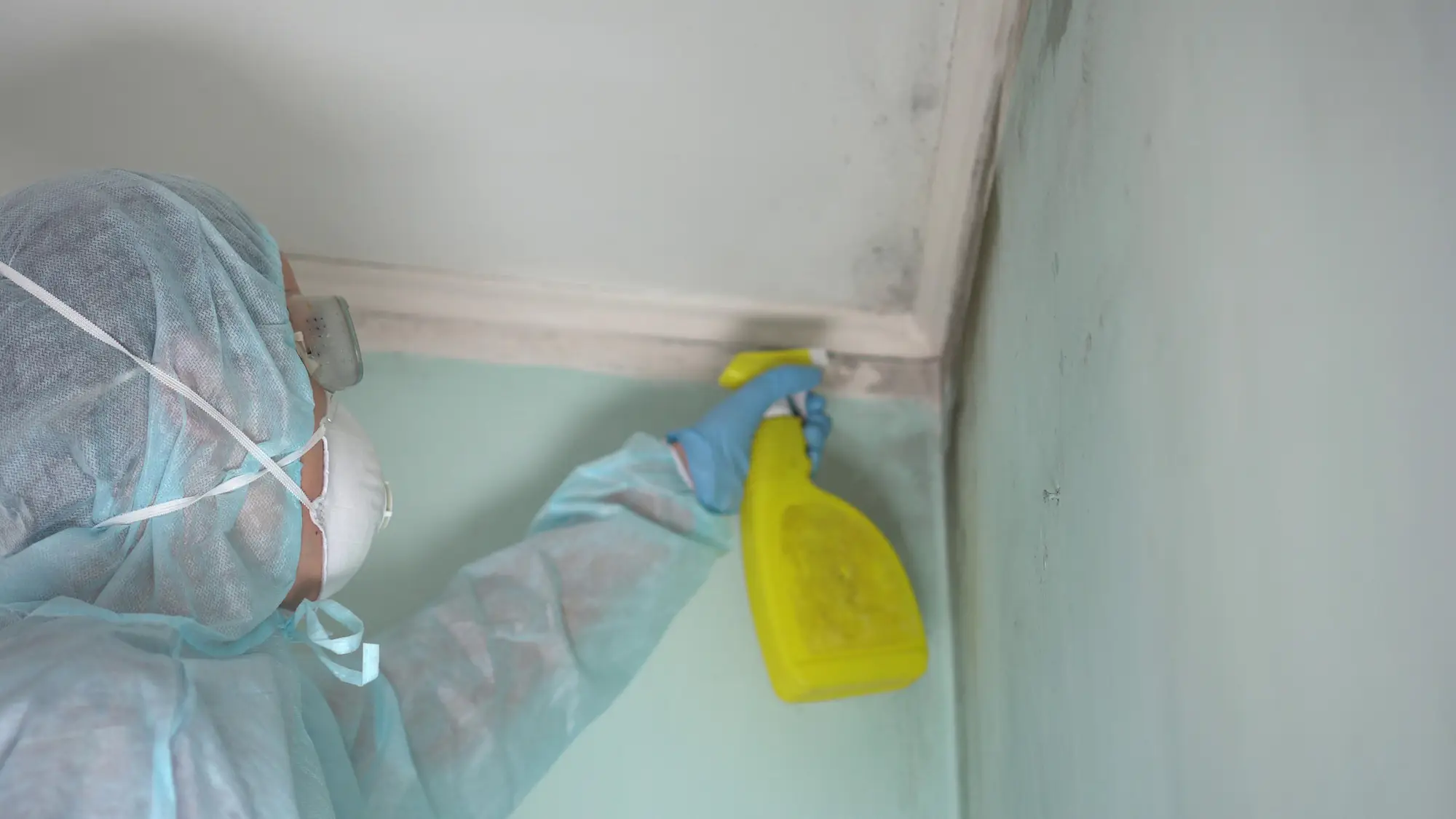
Ready to get started?
Every mold remediation project includes a full inspection, containment setup, safe removal of contaminated materials, HEPA air filtration, antimicrobial treatment, and moisture source correction. We’re not leaving until the problem is actually fixed.
Bucktoe homeowners deal with specific challenges. Older homes in Bucks County often have basement moisture issues, especially after heavy rain. Humid summers create condensation problems in attics and crawl spaces. If your property has had water damage, even from something that happened months ago, mold can be growing behind walls or under flooring.
We also handle black mold removal, which requires extra care because of the mycotoxins involved. Stachybotrys chartarum isn’t something you want to disturb without proper containment and protective equipment. If you’ve got dark greenish-black growth in damp areas, that’s likely what you’re dealing with.
You’ll get documentation of the work, before and after photos, and verification testing results. If you’re selling a property or dealing with tenants, that paperwork matters. We also provide guidance on preventing future growth, because the best thing we can do is keep you from needing us again.

If you can see mold growth larger than a few square feet, smell persistent musty odors, or have a history of water damage or leaks, you need a professional inspection. Small surface mold on a bathroom tile might be something you can handle yourself. But if it’s spreading, hidden, or covering porous materials like drywall or insulation, that’s when you call someone who knows what they’re doing.
Mold spreads through spores, and disturbing it without proper containment can make the problem worse by sending those spores throughout your home. We have the equipment to contain the area, remove contaminated materials safely, and verify that the air quality is back to normal when the job is done.
Health symptoms are another indicator. If people in your home are experiencing unexplained respiratory issues, allergy symptoms, or headaches that improve when they leave the house, mold exposure could be the cause. Testing can confirm whether airborne mold levels are elevated and what type you’re dealing with.
Mold removal usually refers to cleaning visible mold off surfaces. Mold remediation means addressing the entire problem, including what caused it and preventing it from coming back. You can remove mold from a wall, but if you don’t fix the leak or moisture issue that created it, you’ll be removing it again in a few months.
Professional remediation includes inspection, testing, containment, removal of contaminated materials, air filtration, antimicrobial treatment, and source correction. It’s a complete process, not just a cleaning service. The goal is to get mold levels back to normal, because mold spores exist everywhere. You can’t eliminate them entirely, but you can stop active growth and bring concentrations down to safe levels.
We also document the moisture source and recommend repairs. That might mean fixing a roof leak, improving ventilation, installing a dehumidifier, or addressing drainage issues around your foundation. Without that step, you’re just treating symptoms.
Most residential mold remediation projects take between one and five days, depending on the size of the affected area and the extent of the damage. A small bathroom with surface mold might be done in a day. A finished basement with hidden mold behind walls and under flooring could take a week.
The timeline depends on how much material needs to be removed, how long containment and drying take, and whether repairs are included. We’re not rushing through the job just to finish faster. Proper remediation requires time for antimicrobial treatments to work, for affected areas to dry completely, and for air quality testing to confirm the work is done correctly.
If you’re dealing with an urgent situation, like mold discovered during a real estate transaction or a health emergency, we can prioritize your project and work extended hours to get it handled. But cutting corners to save time usually means the mold comes back, and then you’re paying for the same work twice.
It depends on what caused the mold. Most homeowners insurance policies cover mold remediation if it resulted from a covered peril, like a sudden pipe burst or storm damage. They typically don’t cover mold that developed from long-term neglect, poor maintenance, or gradual leaks you didn’t address.
The key is documenting everything and filing your claim quickly. Insurance companies want to see that you took reasonable steps to prevent further damage once you discovered the problem. That means stopping the water source, drying out affected areas, and calling in professionals before the mold spreads.
We work with insurance companies regularly and can help document the damage, provide detailed estimates, and communicate directly with adjusters. We know what they’re looking for in terms of scope, pricing, and proof that the mold resulted from a covered event. Having experts who understand the claims process makes a difference in whether your claim gets approved and how much you’ll pay out of pocket.
Black mold, specifically Stachybotrys chartarum, produces mycotoxins that can cause serious health problems, especially with prolonged exposure. Symptoms include respiratory issues, chronic coughing, headaches, fatigue, and in severe cases, neurological problems. People with compromised immune systems, children, and elderly individuals are particularly vulnerable.
That said, not all black-colored mold is Stachybotrys. There are other species that appear dark but aren’t as toxic. The only way to know for sure is through testing. But regardless of the species, any significant mold growth in your home is a problem that needs professional attention.
The danger isn’t just from touching it or breathing near it. When mold gets disturbed during amateur removal attempts, it releases massive amounts of spores into the air. Those spores spread to other areas of your home and can create new colonies wherever they land on damp surfaces. That’s why we use containment barriers, negative air pressure, and HEPA filtration during removal. We’re preventing the problem from getting worse while we fix it.
Control moisture. That’s the entire answer. Mold needs water to grow, so if you keep humidity levels below 60% and fix leaks immediately, you eliminate the conditions mold requires.
In Bucks County, that means running dehumidifiers in basements during humid summer months, making sure your gutters and downspouts direct water away from your foundation, and improving ventilation in bathrooms and kitchens. Check under sinks regularly for slow leaks. Inspect your roof and attic for signs of water intrusion after heavy storms.
If your home has had mold problems before, consider installing a whole-house dehumidifier or upgrading your HVAC system to better control indoor humidity. We’ll give you specific recommendations based on what caused the mold in your home. Some properties need better grading around the foundation. Others need vapor barriers in crawl spaces or improved attic ventilation. The solution depends on your specific situation, but the principle is always the same: keep it dry, and mold can’t grow.
Other Services we provide in Bucktoe