
Hear from Our Customers
When mold’s growing somewhere in your house, you’re not just dealing with a stain or a smell. You’re breathing it in. Your kids are breathing it in. And if you’ve got asthma or allergies in the family, you already know how much worse it gets when the air quality tanks.
Most mold problems don’t start with what you see. They start with what you don’t—a slow leak behind the wall, condensation in the crawlspace, humidity that never dries out after Bucks County’s sticky summers. By the time you notice the discoloration or the musty smell, it’s been growing for weeks.
The right mold removal experts don’t just wipe down the visible stuff and call it done. We use moisture meters and thermal imaging to trace the problem back to the source. We remove contaminated materials safely. We treat the area so it doesn’t come back. And we do it without tearing apart your house or selling you work you don’t need.
You get air that’s actually safe to breathe. A home that doesn’t smell like a basement. And the confidence that the problem’s handled, not just hidden.
We’ve been handling mold problems in Bedminster, PA and throughout Bucks County for years. We’re not a franchise. We’re not a call center routing you to the lowest bidder. We’re a local team that knows how homes are built here, what goes wrong, and how to fix it right.
Our specialists are certified through MICRO, the most established training organization in the industry. We follow EPA and IICRC S520 guidelines on every job. We’re licensed, insured, and we carry an environmental insurance policy because this work matters.
Bedminster homes deal with humid summers, older construction, and basements that leak when you least expect it. We’ve seen it all, and we know how to handle it without the runaround.
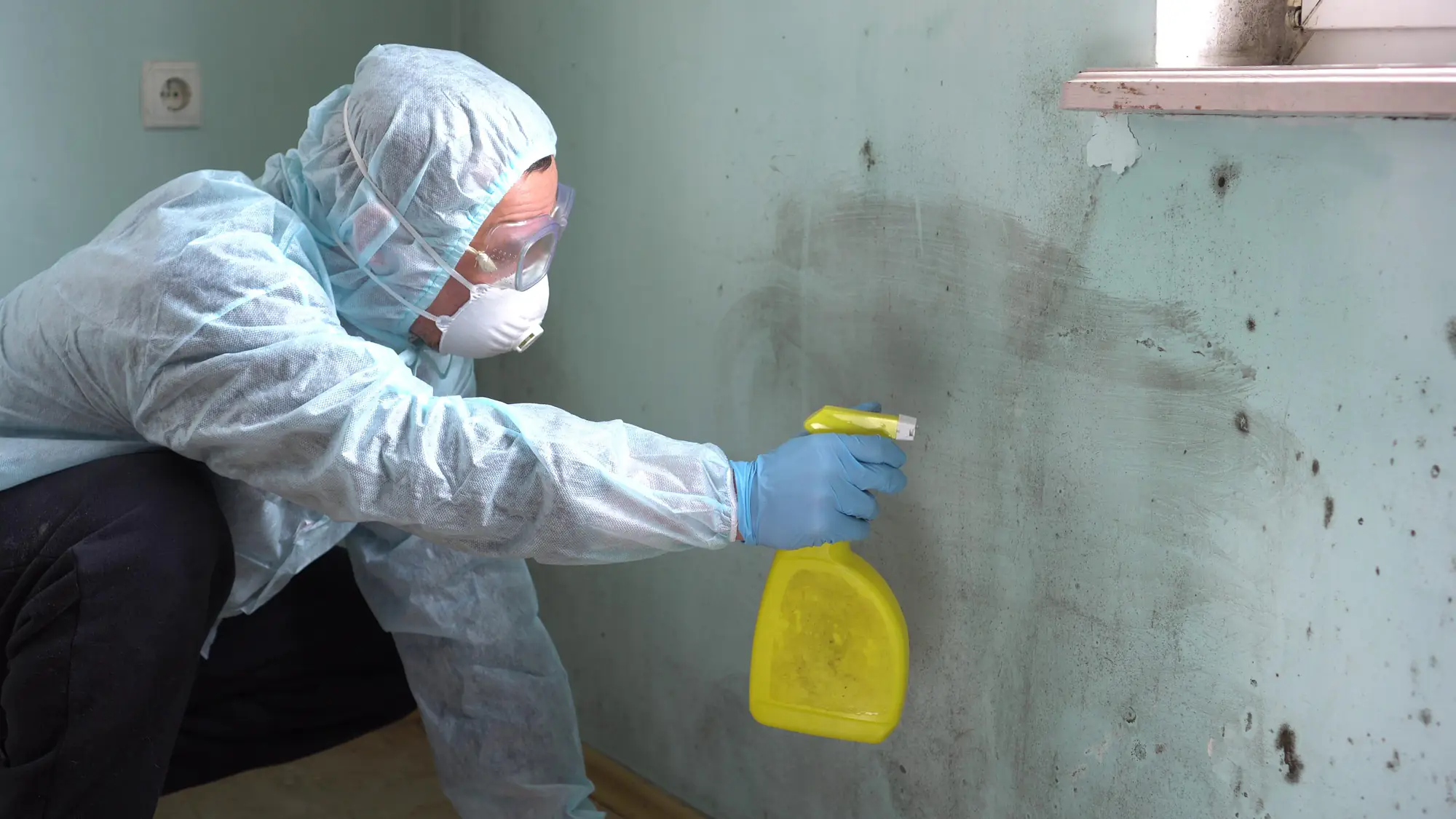
First, we come out and do a full inspection. We’re not just looking at the spot you called about—we’re checking behind it, around it, and anywhere else moisture could be hiding. We use moisture meters and thermal imaging cameras to find what’s not obvious. If there’s a leak, a ventilation issue, or a drainage problem feeding the mold, we find it.
Once we know what we’re dealing with, we give you a clear plan. No upselling. No scare tactics. Just a straightforward explanation of what needs to happen and why.
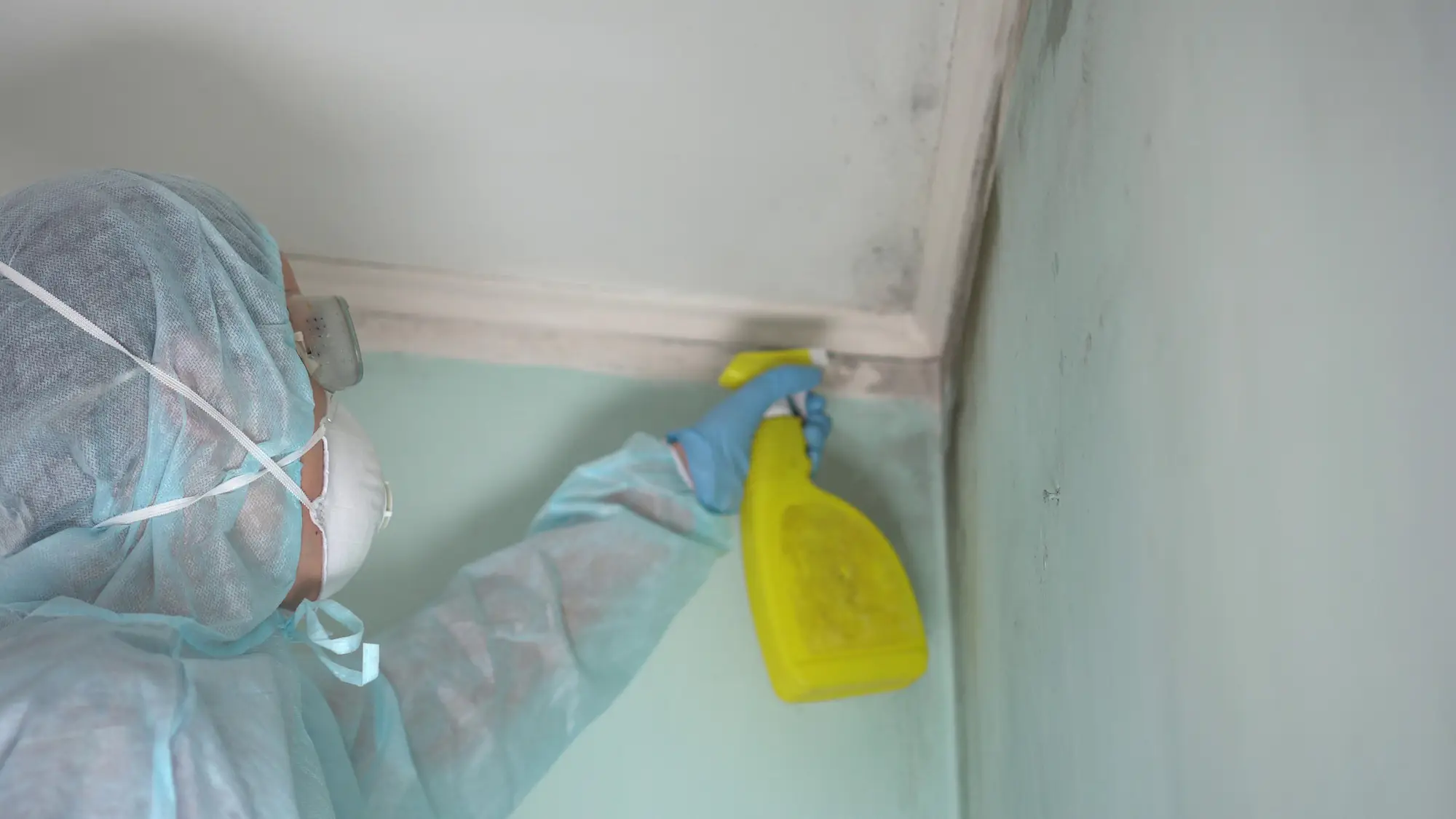
Then we contain the area to keep spores from spreading during removal. We remove contaminated materials safely, treat affected surfaces, and clean the air with HEPA filtration. If the source is a plumbing issue or a structural problem, we’ll tell you exactly what needs to be fixed so this doesn’t happen again in six months.
Most jobs take one to five days depending on the scope. You’re not left guessing where we are in the process—we keep you in the loop the whole way through.
Ready to get started?
Every mold removal job we do includes a full inspection to identify the source, not just the symptoms. That means finding the leak, the condensation issue, or the ventilation problem that’s feeding the growth. Without that, you’re just paying to clean up mold that’s going to come back.
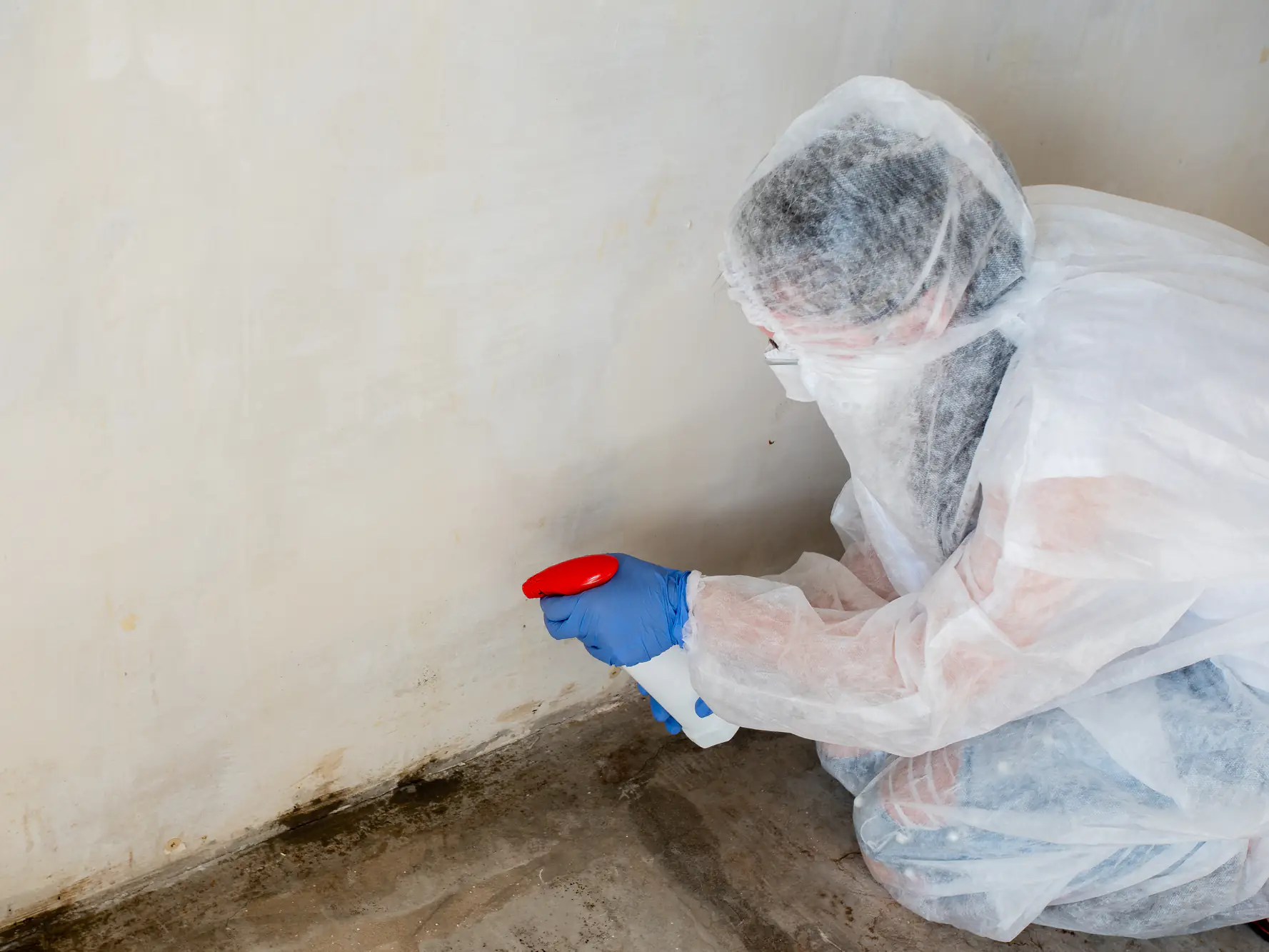
We use containment barriers and negative air pressure to keep mold spores from spreading to clean areas of your home during the removal process. Contaminated materials get removed and disposed of properly. Affected surfaces are treated with antimicrobial solutions. And we run HEPA air scrubbers to filter out airborne spores and improve your indoor air quality.
In Bedminster and throughout Bucks County, we see a lot of mold tied to basement moisture, old HVAC systems, and homes that don’t ventilate well during our humid summers. If your home has older construction or you’ve had water damage in the past, you’re at higher risk. We take that into account and make sure the plan fits your specific situation, not a one-size-fits-all checklist.
You also get a detailed report and a written action plan from an independent certified clinical microbiologist. That’s not standard in this industry—but it should be.

Most mold remediation projects in Bedminster fall between $1,100 and $3,300, with the average around $2,200. But that’s a wide range because every job is different.
Cost depends on how much mold there is, where it’s growing, and what’s causing it. A small patch of surface mold in a bathroom is a quick fix. Mold behind drywall fed by a slow leak? That takes more time, more material removal, and more reconstruction after the cleanup.
We don’t give you a price over the phone because we don’t guess. We come out, inspect the space, find the source, and give you a clear estimate based on what actually needs to happen. No surprises, no upselling, no padding the bill with work you don’t need.
Most mold removal jobs take between one and five days depending on the size and severity of the problem. A small, contained area might be done in a day or two. Larger jobs with multiple rooms or structural issues can take closer to a week.
The timeline also depends on what’s causing the mold. If there’s an active leak or a drainage problem, that has to be fixed before we can finish the remediation. Otherwise, you’re just cleaning up mold that’s going to grow back.
We’ll give you a realistic timeline during the inspection so you know what to expect. And if something changes during the job—like finding more growth behind a wall—we’ll let you know right away, not after the fact.
If it’s a tiny spot of surface mold on a non-porous surface—like a little mildew on a shower tile—you can usually handle that with some bleach or a mold cleaner and a scrub brush. But if it’s bigger than a few square feet, if it’s on porous materials like drywall or wood, or if you’re not sure what’s causing it, you need a professional.
Here’s why: mold you can see is usually just part of the problem. There’s often more growing behind the wall, under the floor, or in the HVAC system. And if you start scrubbing or tearing into it without proper containment, you’re sending thousands of spores into the air and spreading the problem to other parts of your home.
Professional mold removal specialists use containment barriers, HEPA filtration, and proper removal techniques to keep that from happening. We also find and fix the source—the leak, the humidity issue, the ventilation problem—so it doesn’t just come back in a few months. DIY mold cleanup almost never addresses that part.
Mold exposure can cause a stuffy nose, sore throat, coughing, wheezing, burning eyes, and skin rashes. If someone in your home has asthma or mold allergies, the reactions can be more severe—including difficulty breathing and asthma attacks.
The longer you’re exposed and the worse the air quality gets, the more those symptoms add up. Kids, elderly family members, and anyone with a compromised immune system are especially vulnerable.
Black mold gets a lot of attention, but the truth is that any mold growing indoors is a problem. It’s not just about the type—it’s about the amount, the exposure, and how long it’s been there. If you’re noticing symptoms that get better when you leave the house and worse when you come back, that’s a red flag. The air quality in your home is directly tied to your health, and mold is one of the biggest culprits when that air quality tanks.
The most common sign is a musty smell that won’t go away, even after you’ve cleaned. That smell is a byproduct of mold growth, and if you’re noticing it in certain rooms or near certain walls, there’s a good chance mold is growing somewhere you can’t see.
Other signs include water stains on ceilings or walls, peeling or bubbling paint, warped drywall, and condensation on windows or pipes. If you’ve had any kind of water damage—flooding, a roof leak, a burst pipe—and it wasn’t dried out completely within 48 hours, mold probably started growing.
We use moisture meters and thermal imaging cameras to detect hidden moisture and temperature differences behind walls, under floors, and in ceilings. That’s how we find mold before it becomes a bigger problem. If you’re seeing or smelling signs, don’t wait. Mold doesn’t get better on its own, and the longer it grows, the more expensive and disruptive the removal becomes.
It depends on what caused the mold. If the mold is the result of a sudden, accidental event—like a burst pipe or a roof leak from storm damage—most homeowners insurance policies will cover at least part of the remediation cost.
But if the mold is caused by long-term neglect, poor maintenance, or an ongoing issue like a slow leak you didn’t fix, insurance usually won’t cover it. They consider that a maintenance issue, not a covered peril.
The best thing to do is call your insurance company as soon as you discover the problem and ask about your coverage before you start the remediation process. We can work with your insurance adjuster and provide documentation, photos, and reports to support your claim. Just know that even if insurance doesn’t cover it, waiting only makes the problem worse and more expensive to fix.
Other Services we provide in Bedminster