
Hear from Our Customers
You stop waking up congested. The headaches ease up. Your kids’ asthma symptoms improve when they’re home instead of getting worse.
That musty smell in the basement finally disappears. You can breathe easier knowing the air in your house isn’t making your family sick. And if you’re trying to sell, you’re not watching buyers walk away after the inspection.
Real mold remediation means addressing what caused the problem in the first place. Not just scrubbing visible spots and hoping it doesn’t come back. When the moisture issue is fixed and the contaminated materials are properly removed, mold doesn’t return. You get your home back.
Bridgetown’s older homes have character. They also have clay soil, high groundwater tables, and the kind of basements that stay damp through Pennsylvania’s humid summers.
We’ve worked in enough local homes to know where mold hides in this area. Behind the paneling in finished basements. In attics with poor ventilation. Around HVAC systems that can’t keep up with the humidity. Our technicians are certified in mold remediation and trained on EPA-approved methods, but what matters more is that we understand how homes in Bucks County behave.
When you call, you’re talking to people who’ve seen your exact problem before and know how to fix it right.
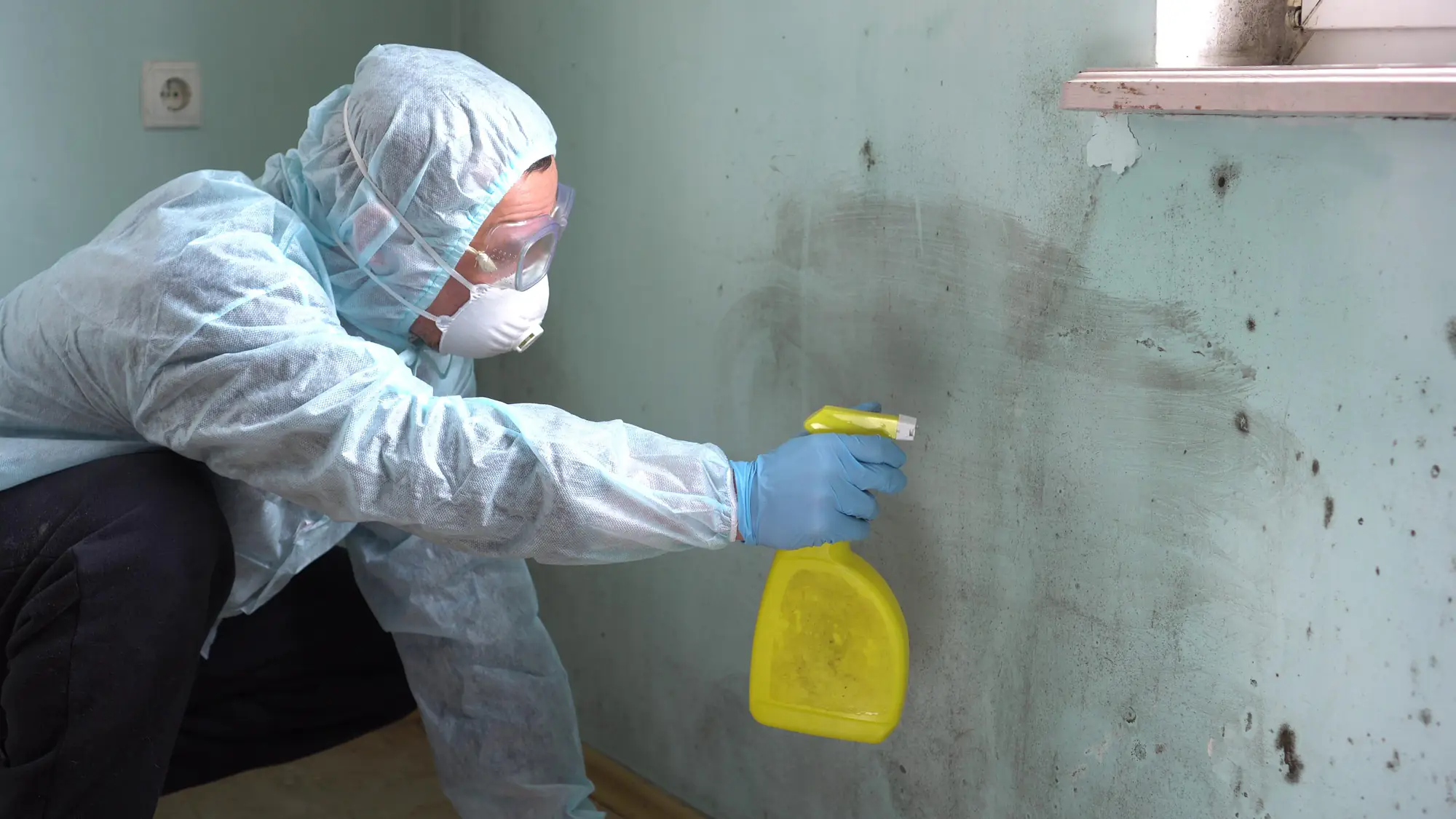
First, we inspect the affected areas and use moisture meters and thermal imaging to find hidden growth. You can’t fix what you can’t see, and mold loves hiding behind walls and under flooring.
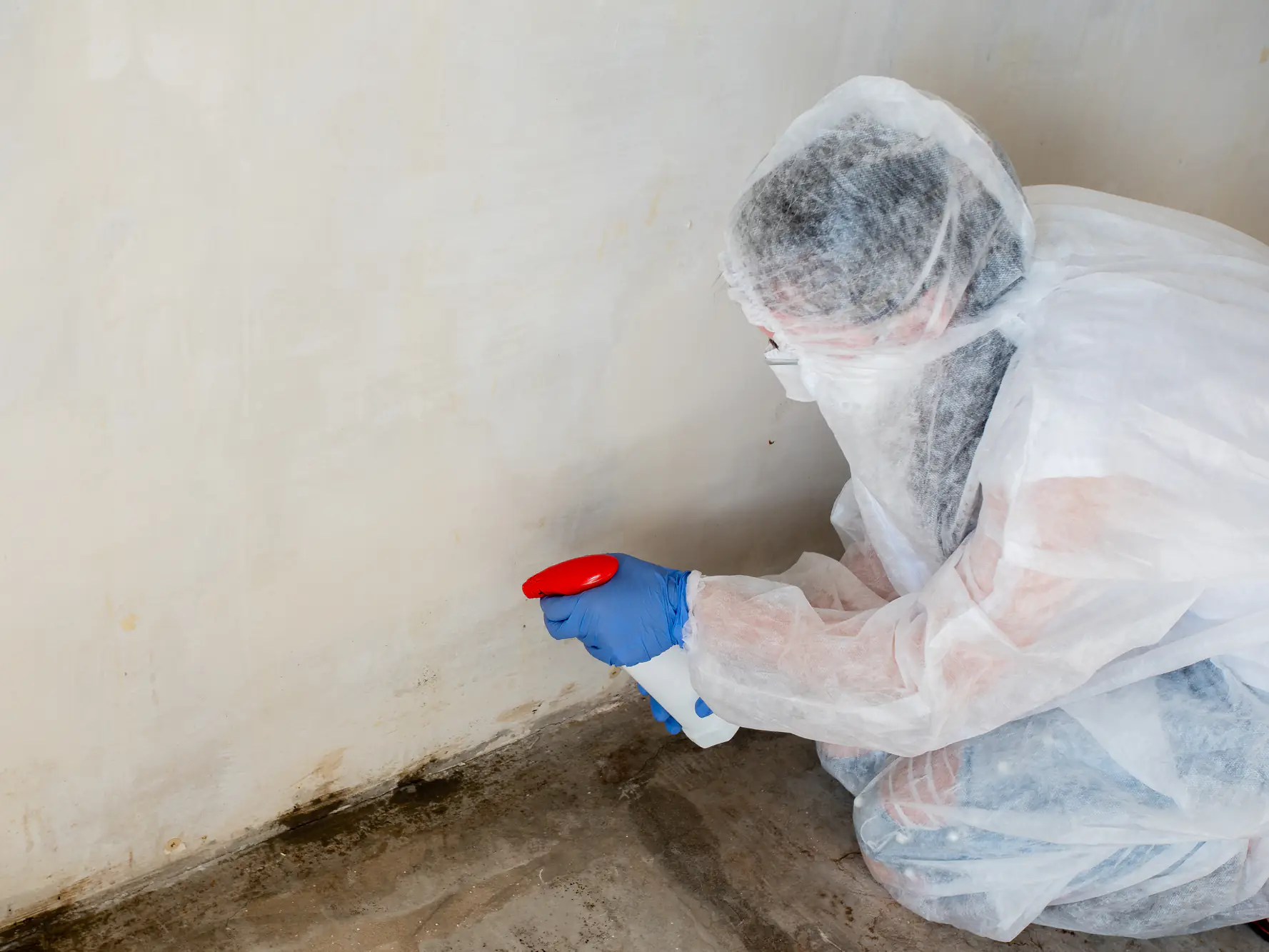
Next, we contain the work area to prevent spores from spreading to clean parts of your home. Then we remove contaminated materials—drywall, insulation, whatever can’t be salvaged. We don’t just clean surface mold and call it done.
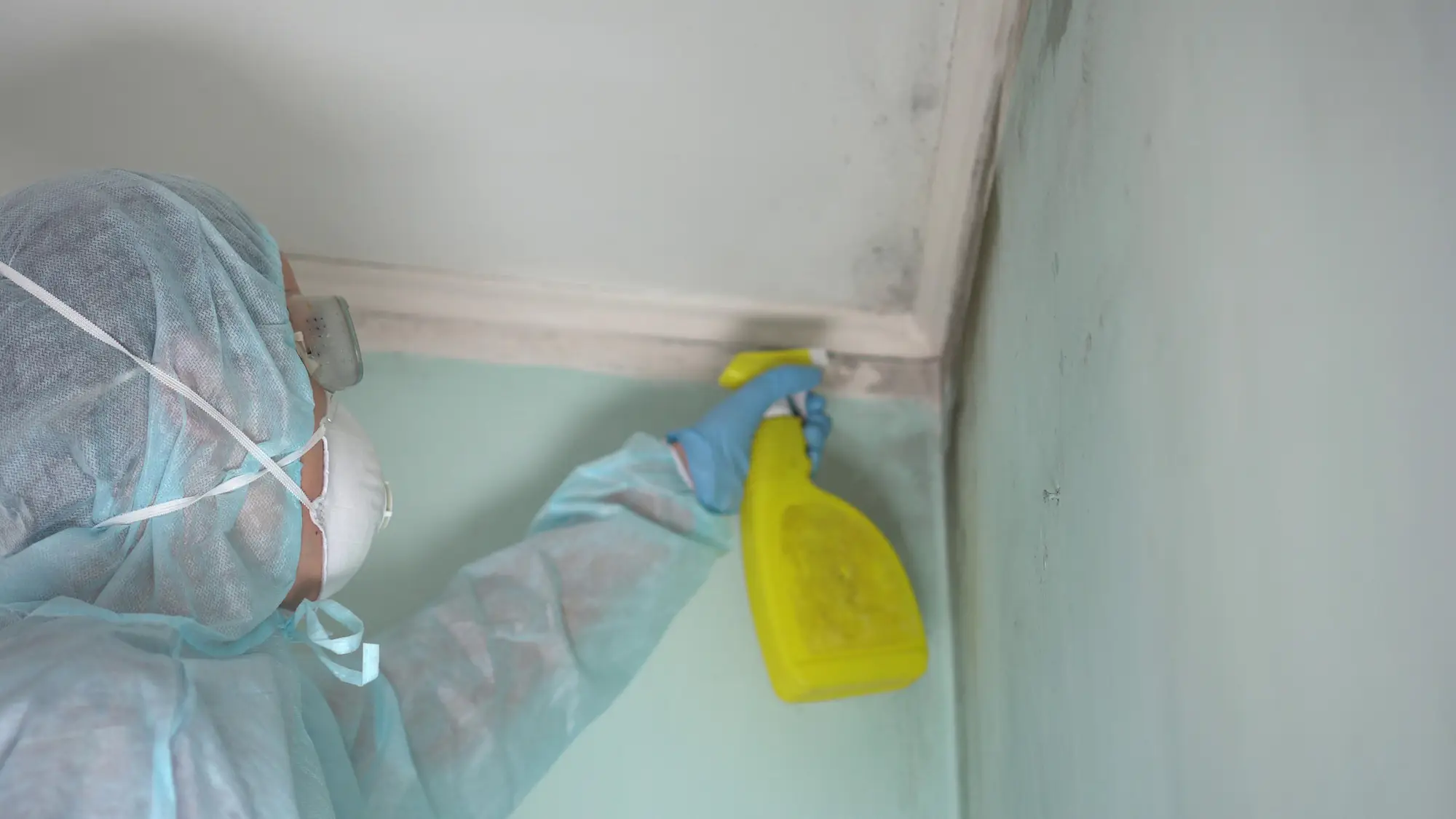
After removal, we treat the area with antimicrobial solutions and address the moisture source. That might mean recommending a dehumidifier, fixing a drainage issue, or improving ventilation. We also conduct air sampling to verify the space is clean before we leave. You get documentation of everything—useful if you’re dealing with insurance or selling the property.
Ready to get started?
You get a free inspection with a thorough assessment of the mold problem and the moisture issue causing it. We give you upfront pricing before any work starts—no surprises halfway through the job.
Our team uses EPA-approved removal methods and follows Pennsylvania regulations. We handle everything from containment and removal to cleaning and prevention recommendations. If you’re filing an insurance claim, we provide the documentation your insurer needs.
Bridgetown homes built before 1980 often have unique challenges—poor vapor barriers, outdated ventilation, basements that were never meant to be finished. We account for that. And because mold can start growing within 24 to 48 hours after water damage, we offer emergency response when you need it. The faster we get there, the less damage you’re dealing with.

Most jobs in Bridgetown run between $1,500 and $6,000, but it depends on how much mold you have and where it’s growing. A small bathroom problem might cost $700. Whole-house remediation after a major water event can reach $30,000 or more.
The size of the affected area matters most. So does accessibility—mold in a crawlspace costs more to remove than mold on a basement wall. The type of mold and whether it’s penetrated porous materials like drywall also affects pricing.
We provide free inspections and give you a detailed estimate before starting work. That way you know exactly what you’re paying for and why. If you’re filing an insurance claim, we can work with your adjuster to document everything properly.
It depends on what caused the mold. If it’s from a sudden, covered event like a burst pipe or storm damage, most policies will cover remediation. If it’s from long-term neglect, poor maintenance, or a slow leak you didn’t address, probably not.
Many policies exclude mold from certain causes—like sewage backups or flooding—unless you purchased additional coverage. And even when mold is covered, insurers often cap payouts at $10,000 or less.
Your best move is to review your policy and call your insurance company as soon as you discover mold. Document everything with photos and keep records of any repairs. We can provide the inspection reports and detailed estimates your insurer will ask for. The clearer your documentation, the smoother your claim process.
The most obvious sign is visible growth—black, green, or white patches on walls, ceilings, or around windows. But mold often hides where you can’t see it.
A persistent musty smell is a red flag, especially in basements, bathrooms, or attics. If your allergy symptoms get worse at home but improve when you leave, that’s another indicator. Chronic sinus issues, headaches, or respiratory problems that don’t have another explanation can point to mold exposure.
Water damage is a strong predictor. If you’ve had a leak, flooding, or even just ongoing condensation problems, there’s a good chance mold is growing somewhere. We use moisture meters and thermal imaging during inspections to find hidden growth behind walls and under floors. If you suspect a problem, don’t wait—mold spreads quickly in Bridgetown’s humid climate.
If it’s a very small area—less than 10 square feet—and it’s on a non-porous surface like tile, you can try cleaning it yourself with detergent and water. But if it’s on drywall, insulation, carpet, or wood, you’re better off calling professionals.
Disturbing mold releases spores into the air, which can spread contamination and cause health reactions. Without proper containment and protective equipment, you’re putting yourself at risk. And if you don’t fix the underlying moisture problem, the mold will just come back.
Pennsylvania also has specific regulations for mold remediation, especially in larger jobs. Professional mold removal specialists have the training, equipment, and certifications to do the work safely and completely. We also provide documentation that protects you if you’re selling your home or dealing with insurance. DIY mold cleanup often costs more in the long run when the problem returns or spreads.
Most residential jobs in Bridgetown take two to five days, but it varies based on the extent of contamination and how much material needs to be removed.
A small bathroom or closet might only take a day or two. Larger projects—like a finished basement with mold behind the walls—can take a week or more. If we’re waiting for materials to dry out or for lab results to come back, that adds time.
We’ll give you a timeline during the inspection so you know what to expect. The containment and removal phases are usually quickest. Drying and verification take longer because we need to make sure moisture levels are down and air quality is safe before we clear the space. Rushing remediation means risking regrowth, so we don’t cut corners on drying time.
Moisture. That’s it. Mold needs water to grow, and Bridgetown’s climate provides plenty of it—especially during humid summers when indoor humidity regularly climbs above 60 percent.
Basements are a common problem because of the area’s clay soil and high groundwater tables. Water seeps through foundation walls or floods during heavy rain. Attics get hit with condensation from temperature swings between Pennsylvania’s cold winters and hot summers. HVAC systems struggle to control humidity, and that moisture collects in ductwork.
Older homes in Bucks County often lack proper vapor barriers or ventilation, which makes the problem worse. A roof leak, plumbing issue, or even just a dryer vent that exhausts into the attic can create the conditions mold needs. Once moisture is present for 24 to 48 hours, mold starts growing. Fixing the water source is the only way to stop it for good.
Other Services we provide in Bridgetown