
Hear from Our Customers
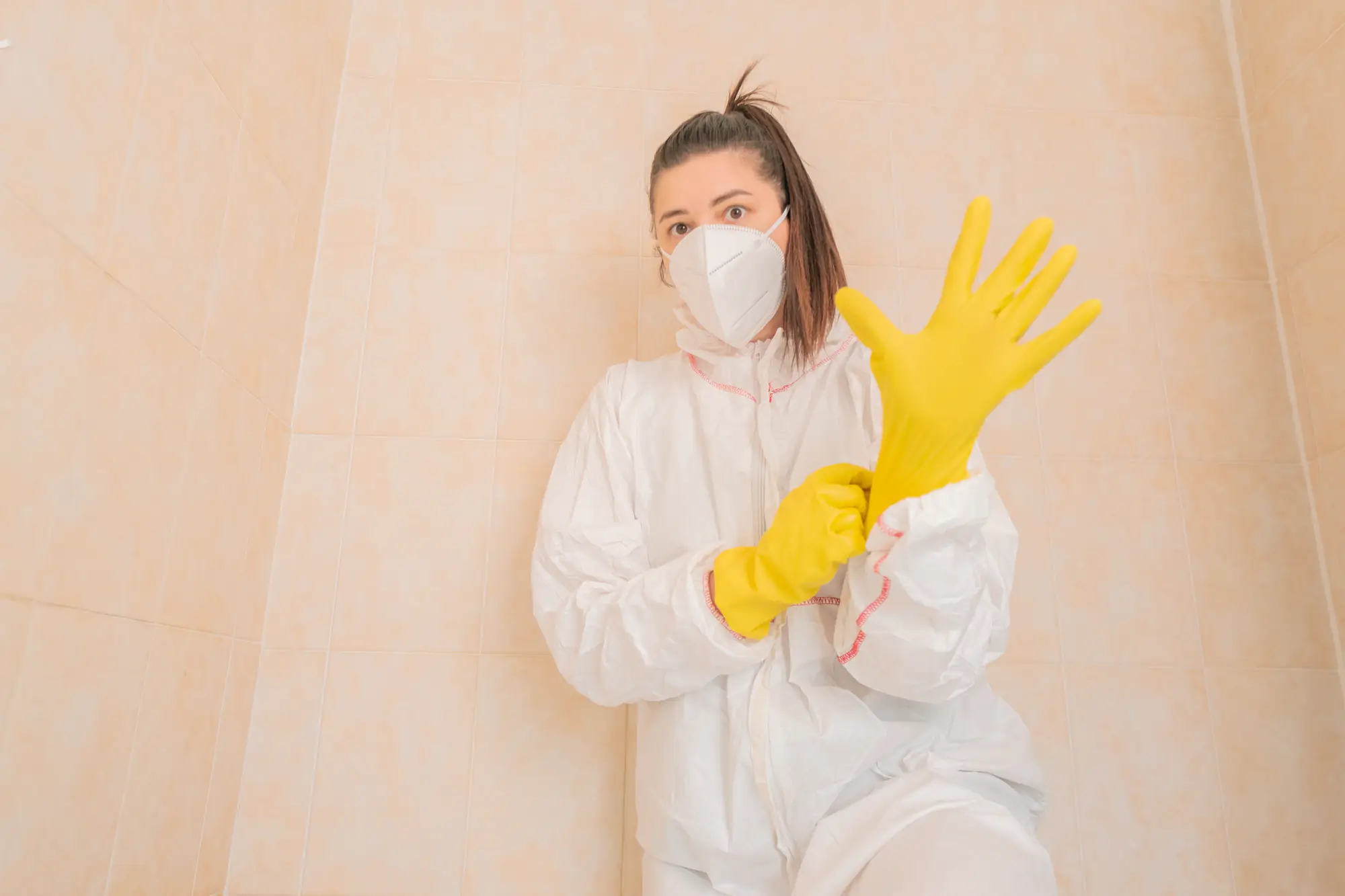
You stop smelling that musty odor every time you walk into certain rooms. Allergy symptoms that have been nagging you for months start clearing up. You’re not wondering anymore if something’s growing where you can’t see it.
That’s what happens when mold gets removed correctly. Not just scrubbed off the surface, but traced back to the moisture source and eliminated at the root.
Most homeowners in Bridgeton don’t realize mold is there until someone in the house starts feeling off—headaches, fatigue, respiratory issues that won’t quit. The problem is that by the time you see it or smell it, it’s usually been growing for weeks. And if it’s not handled right, it comes back within months.
Real remediation means identifying where the moisture is coming from, containing the affected area so spores don’t spread, removing contaminated materials safely, and treating surfaces with EPA-approved solutions. Then verifying with post-testing that the air quality is back to normal.
Mack’s Mold Removal has been serving homeowners in Bridgeton and throughout Bucks County with one focus: getting mold out and keeping it out. We’re not a general restoration company that does mold on the side. This is what we do.
Bridgeton’s older homes and rural properties deal with basement moisture, crawl space humidity, and roof leaks that create perfect conditions for mold growth. We’ve seen it in century-old farmhouses and newer builds alike. The common thread is always the same—water got in, and nobody caught it in time.
We’re IICRC-certified, which means our team follows the industry’s strictest protocols for containment, removal, and air filtration. Every job starts with a free inspection, and nothing gets removed until you know exactly what you’re dealing with and what it’s going to take to fix it.
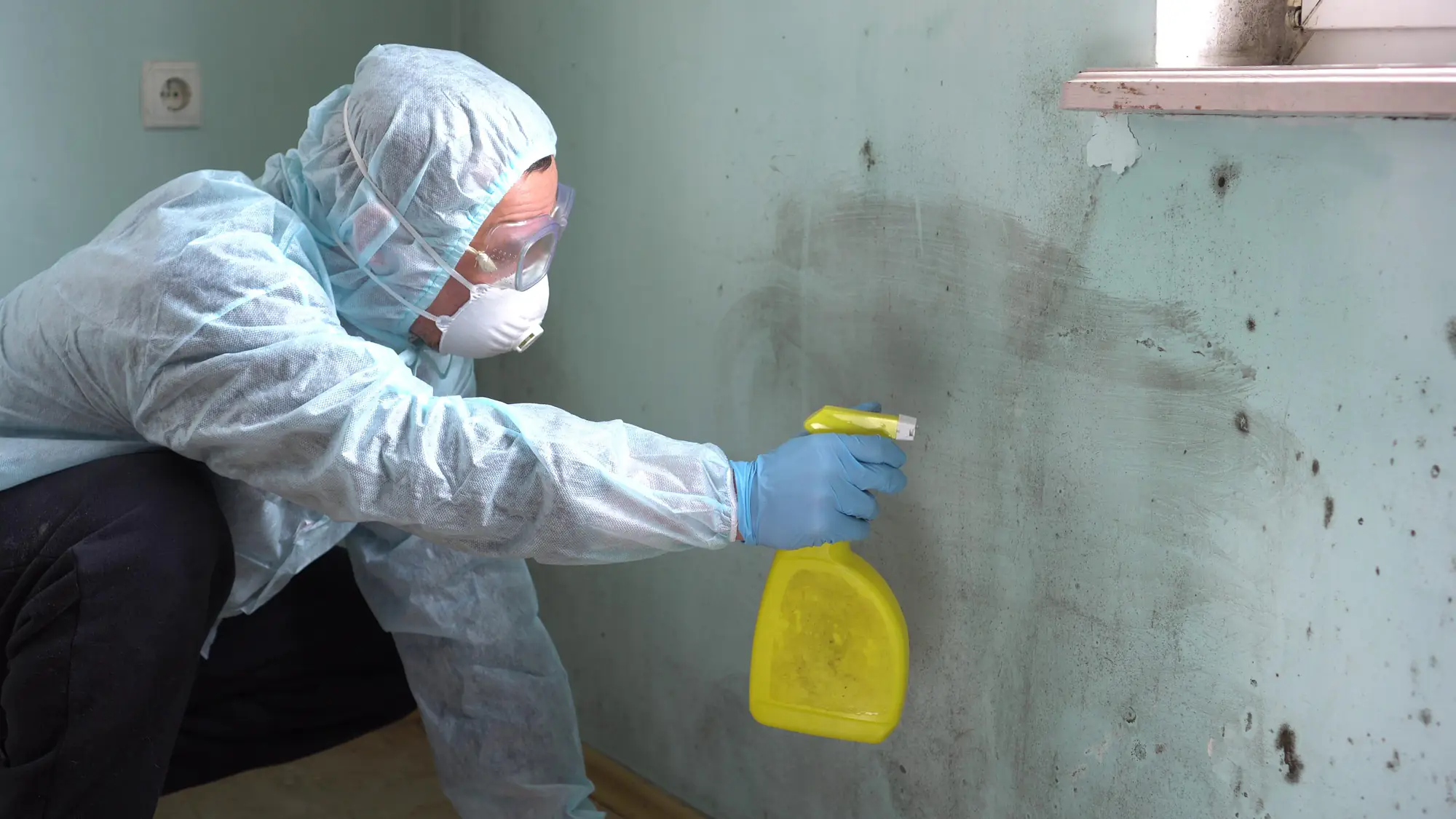
First, we inspect the property—not just where you see mold, but where it’s likely hiding. That means checking behind walls, under floors, inside HVAC systems, and anywhere moisture tends to collect. We use moisture meters and thermal imaging to find problem areas you can’t see.
Next, we take samples and send them to a lab for testing. This tells us what type of mold is growing and how aggressive the remediation needs to be. Black mold requires different handling than surface mildew, and guessing isn’t an option.
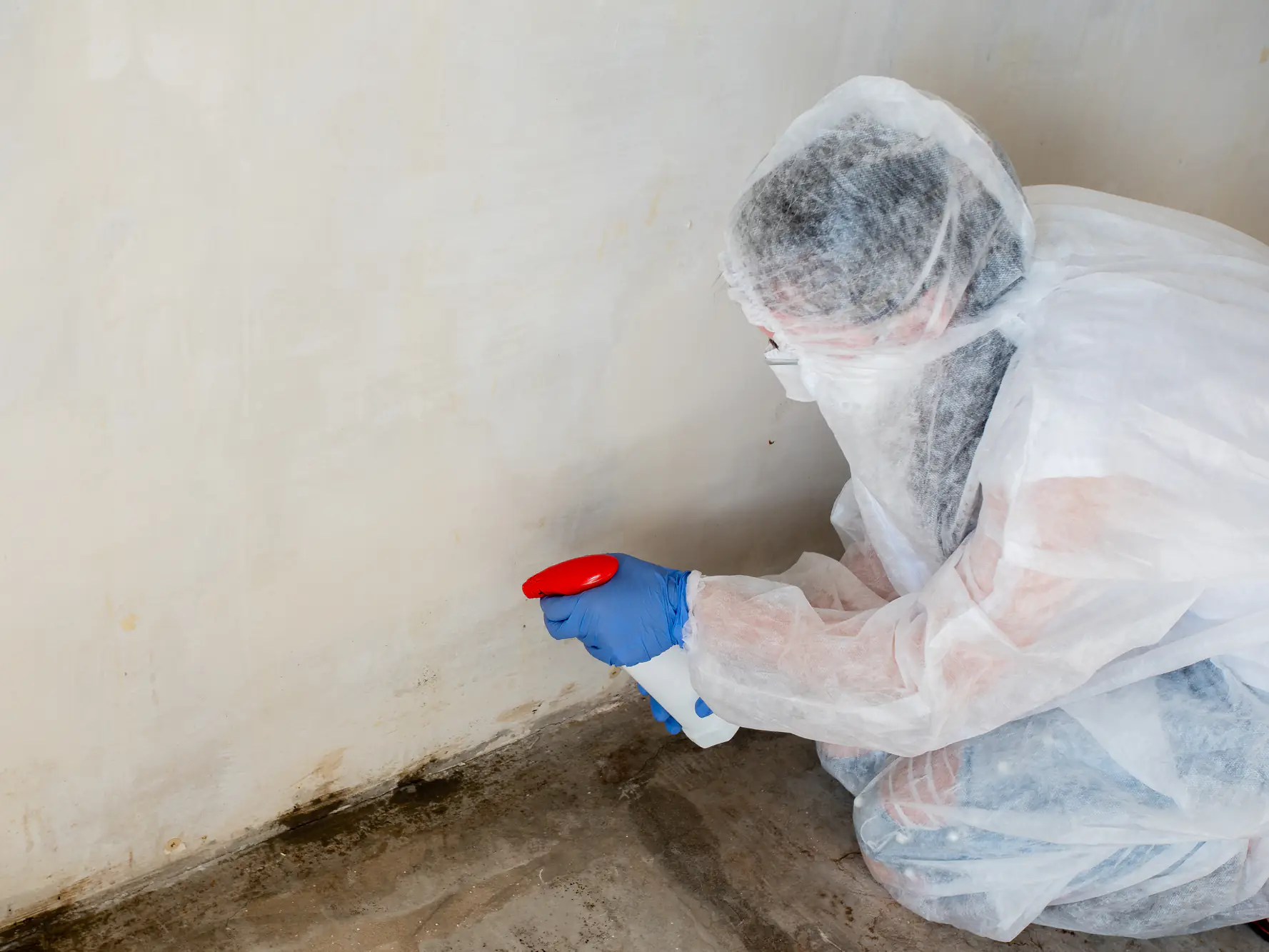
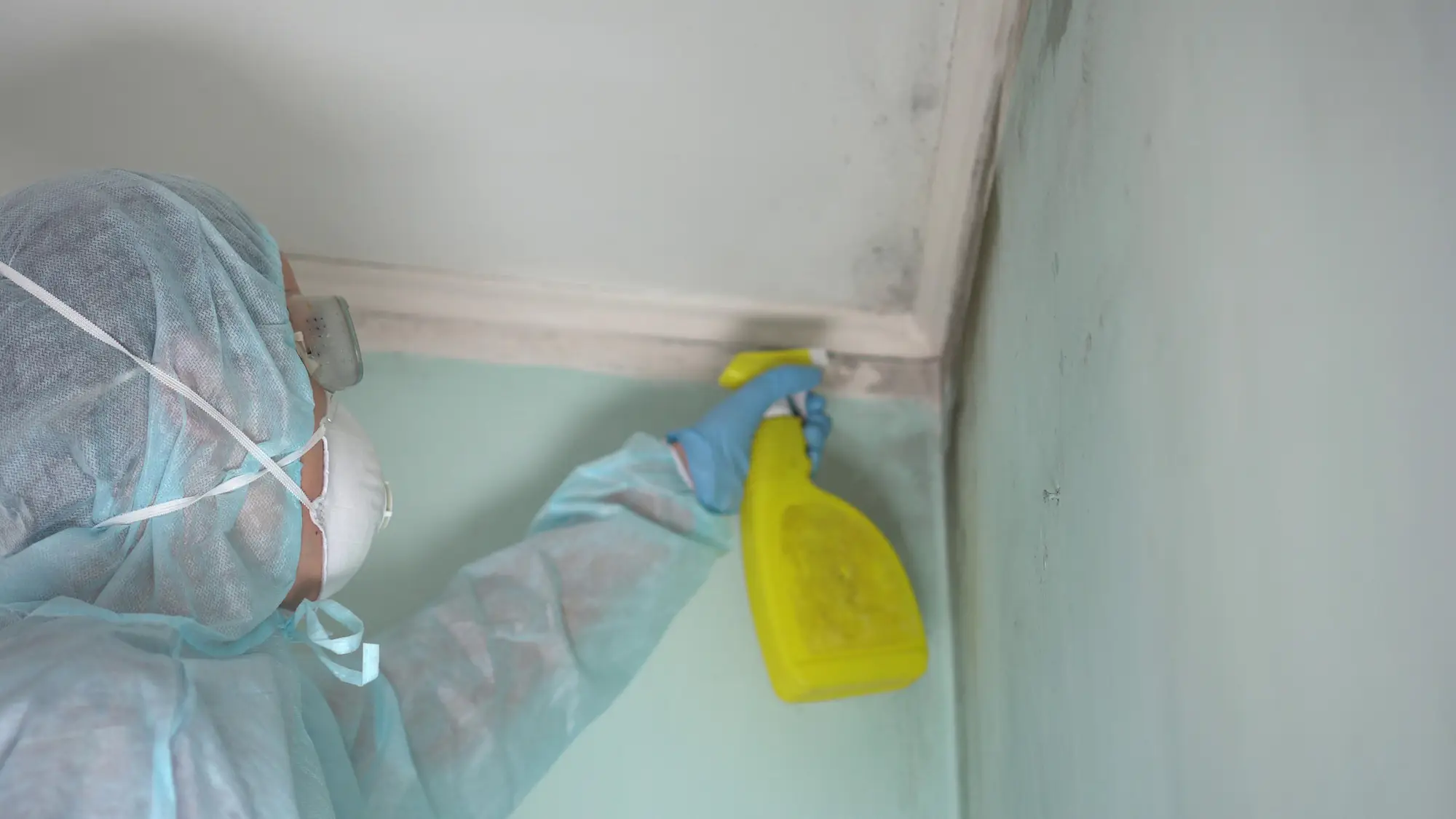
Once we know what we’re dealing with, we contain the area using plastic sheeting and negative air pressure. This keeps spores from spreading to clean areas of the house while we work. Then we remove contaminated materials—drywall, insulation, flooring, whatever can’t be salvaged—and treat remaining surfaces with antimicrobial solutions.
After removal, we run HEPA air scrubbers to filter out airborne spores and bring air quality back to safe levels. Finally, we do post-remediation testing to confirm the mold is gone. If the test comes back clean, we provide documentation for your records or insurance company.
Ready to get started?
Every job includes a full property inspection at no cost. You’ll know where the mold is, how bad it is, and what caused it before any work starts. That inspection also identifies the moisture source—whether it’s a leaky pipe, poor ventilation, foundation seepage, or something else entirely.
Bridgeton’s climate and older housing stock make basements and crawl spaces especially vulnerable. Homes here often have stone foundations, dirt floors, or inadequate drainage that creates chronic humidity problems. If those issues aren’t addressed, mold will keep coming back no matter how many times it gets cleaned.
We handle containment, removal, air filtration, and post-testing as part of the standard process. If structural repairs are needed—like replacing drywall or subfloor—we coordinate that too. And if you’re filing an insurance claim, we provide all the documentation and photos your carrier will ask for.
The goal isn’t just to remove what’s there. It’s to make sure it doesn’t come back. That means fixing the conditions that allowed it to grow in the first place, whether that’s improving ventilation, sealing a foundation crack, or rerouting drainage away from the house.

You might smell it before you see it—a musty, earthy odor that doesn’t go away even after cleaning. That’s usually the first sign. Other times, you’ll notice discoloration on walls, ceilings, or around windows. It can look black, green, white, or even orange depending on the type.
Health symptoms are another indicator. If people in the house are dealing with persistent allergy symptoms, sinus issues, coughing, or fatigue that improves when they leave the property, mold could be the cause. According to the CDC, mold contributes to millions of asthma cases annually, and removing it can reduce symptoms by up to 45%.
The tricky part is that mold often grows in places you can’t see—inside walls, under flooring, in attic insulation, or within HVAC ducts. A professional inspection uses moisture meters and thermal imaging to detect hidden growth. If you’ve had any water damage in the past year—even a small leak—it’s worth getting checked. Mold can start growing within 24 to 48 hours of water exposure.
Small surface mold on non-porous materials—like a little mildew on a bathroom tile—can usually be cleaned with the right products. But if the affected area is larger than about 10 square feet, or if it’s growing on porous materials like drywall or wood, DIY removal isn’t recommended.
Here’s why: disturbing mold releases spores into the air. Without proper containment and filtration, you’re spreading the problem to other parts of the house. You’re also exposing yourself to potentially harmful spores, especially if it’s a toxic variety like black mold. Professional remediation uses containment barriers, negative air pressure, and HEPA filtration to prevent cross-contamination.
The bigger issue is that surface cleaning doesn’t address the root cause. If there’s a moisture problem feeding the mold, it’ll come back within weeks or months. We identify and fix the underlying issue—whether it’s a plumbing leak, condensation problem, or ventilation failure. Pennsylvania doesn’t regulate mold remediation, which means anyone can claim to do it. That’s why working with an IICRC-certified company matters.
The national average for mold remediation is around $2,300, but costs vary widely depending on the size of the affected area, the type of mold, and how much structural damage exists. A small bathroom job might run $500 to $1,500. A whole basement with extensive contamination can reach $10,000 or more.
Several factors affect pricing. If mold has spread into HVAC systems or required tearing out large sections of drywall and insulation, costs go up. Black mold requires more aggressive containment and safety protocols than common mildew. And if there’s underlying water damage that needs repair—like foundation work or pipe replacement—that adds to the total.
We offer free inspections, which means you’ll get an accurate estimate before any work starts. Some homeowners insurance policies cover mold removal if it resulted from a covered peril like a burst pipe. We work with insurance companies regularly and can help with documentation. If you’re paying out of pocket, ask about financing options to make the cost more manageable.
A typical residential mold remediation job takes anywhere from one to five days, depending on the scope. A single-room project with minimal contamination might be done in a day or two. Larger jobs involving multiple rooms, structural repairs, or severe contamination can take a week or longer.
The timeline breaks down like this: inspection and testing take a few hours to a day. Lab results usually come back within 24 to 48 hours. Once we start remediation, containment and removal might take one to three days. Air scrubbing and drying can add another day or two. Post-testing happens after everything’s complete, and results take another day or two to process.
You don’t necessarily have to leave your home during remediation, but it depends on the extent of the work. If we’re containing a basement or a single room, the rest of the house remains accessible. For larger projects or if someone in the household has respiratory issues, staying elsewhere temporarily might be the safer choice. We’ll walk through what to expect during your inspection so there are no surprises.
Moisture is the only thing mold needs to grow. In Bridgeton, that moisture usually comes from a few common sources. Basements and crawl spaces are the biggest culprits, especially in older homes with stone foundations or poor drainage. Water seeps through foundation walls or collects in low-lying areas, creating constant humidity.
Roof leaks are another frequent cause, particularly in homes with aging shingles or ice dam damage from winter freezes. Water gets into attic insulation or runs down inside walls where it goes unnoticed until mold starts growing. Plumbing leaks—whether from old pipes, a leaking water heater, or a slow drip under a sink—also create ideal conditions.
Bucks County’s climate doesn’t help. Humid summers and damp winters mean homes here deal with moisture year-round. Poor ventilation in bathrooms, kitchens, and laundry rooms traps humidity indoors. Even condensation from temperature differences between inside and outside air can lead to mold growth on windows, walls, and ceilings. The key is controlling moisture before mold has a chance to take hold. That means fixing leaks promptly, improving ventilation, and addressing drainage issues around the foundation.
It can—but only if the moisture problem that caused it isn’t fixed. Mold removal without addressing the underlying cause is like bailing water out of a boat without plugging the hole. You might get temporary relief, but the problem returns.
That’s why legitimate mold remediation focuses on both removal and prevention. If mold grew because of a leaky pipe, that pipe needs to be repaired. If it’s a ventilation issue, airflow needs to improve. If foundation seepage is the culprit, drainage or waterproofing work might be necessary. Without those fixes, mold will regrow in the same spots within months.
Proper remediation also includes treating surfaces with antimicrobial solutions that inhibit future growth. Post-testing confirms that spore levels are back to normal and the environment is no longer conducive to mold. After that, it’s about maintenance—keeping humidity levels below 60%, fixing leaks quickly, and ensuring good airflow in moisture-prone areas. If the source is eliminated and conditions stay dry, mold won’t come back.
Other Services we provide in Bridgeton