
Hear from Our Customers
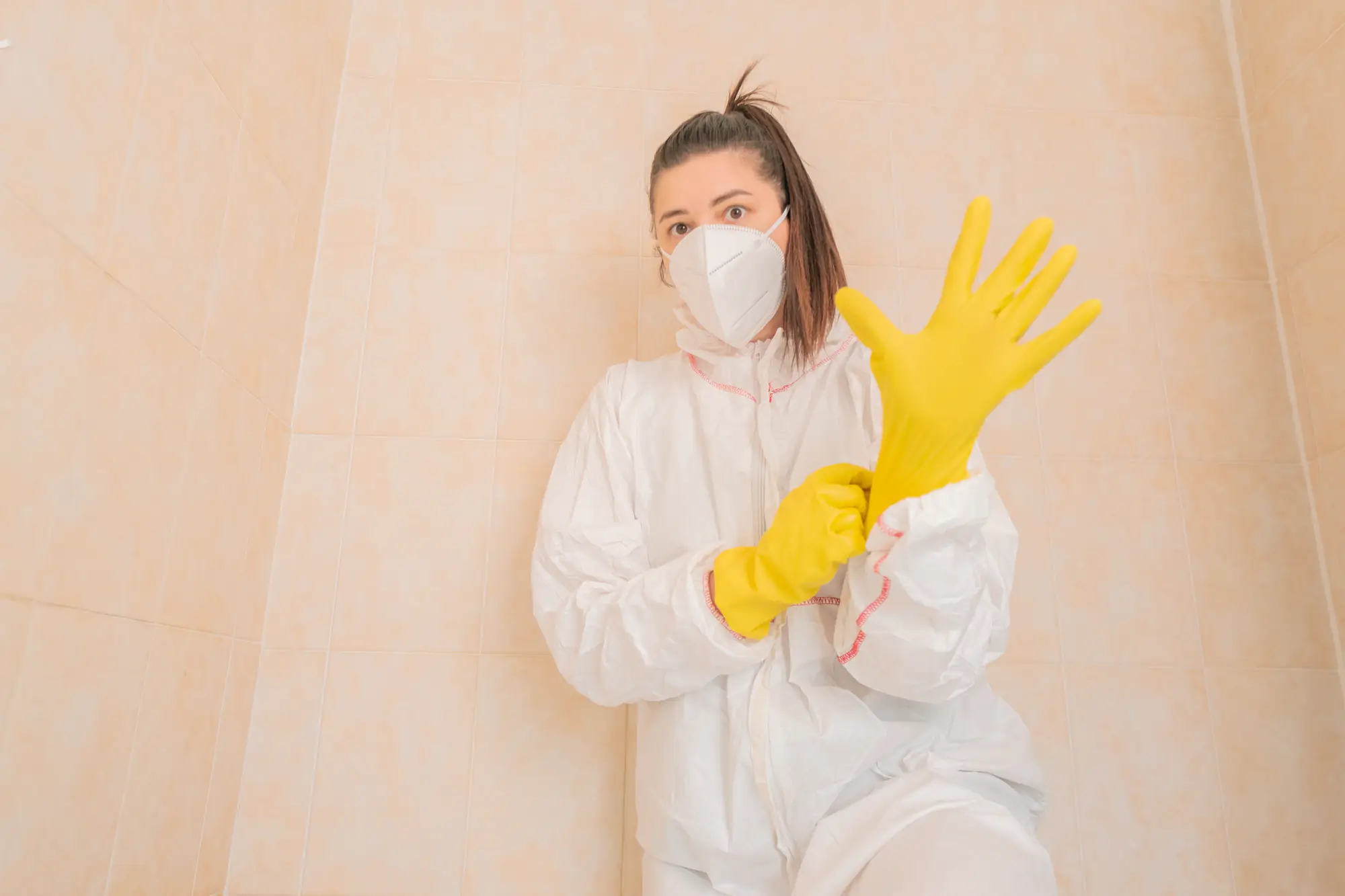
You stop worrying about what’s growing behind your walls. The musty smell disappears. Your family breathes cleaner air, and you’re not constantly checking corners for new spots.
When we handle the job right, we don’t just scrub surfaces. We identify where moisture is getting in, contain the affected area so spores don’t spread during removal, and use equipment that actually pulls mold out of porous materials—not just bleach that makes it look better for a week.
The result is a home that feels healthier. No more wondering if that cough is from the air quality. No more avoiding the basement because it smells like a wet towel. Just a space you can use again without second-guessing what’s happening inside your walls.
We serve homeowners across Bucks County, including Elephant and the surrounding communities. We know the area—the older homes, the basements that flood after heavy rain, the crawl spaces that stay damp all summer.
We’re not a national franchise that shows up with a script. We’re local mold removal specialists who understand how Pennsylvania’s climate creates the perfect conditions for mold growth. Humid summers, freeze-thaw cycles in winter, and aging housing stock all contribute to moisture problems that lead to mold.
We’ve built our reputation on honest assessments and thorough work. No scare tactics. No inflated estimates. Just clear communication about what’s growing in your home, why it’s there, and what it takes to fix it for good.
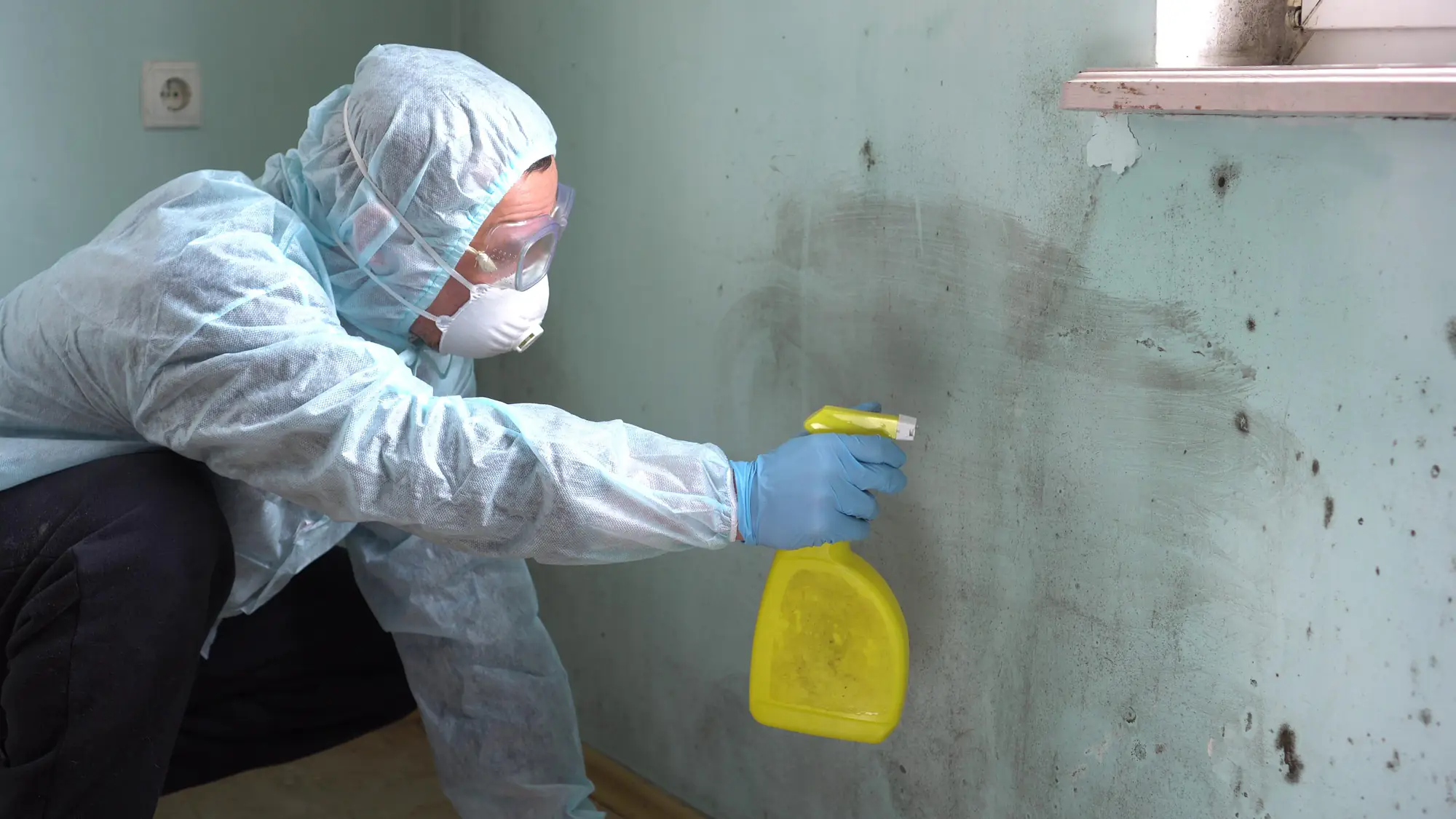
First, we inspect your home to find all the mold—not just the visible spots. We use moisture mapping and thermal imaging to locate hidden growth behind walls, under floors, and in areas you can’t see. This step matters because surface mold is usually just a symptom of a bigger problem.
Next, we contain the work area. We seal off the affected space with plastic sheeting and negative air pressure to prevent mold spores from spreading to clean areas during removal. Then we remove the mold using HEPA filtration equipment and non-toxic cleaning agents that actually eliminate growth at the source.
After removal, we address the moisture issue. Whether it’s a leaky pipe, poor ventilation, or groundwater seeping into your basement, we identify what caused the mold and recommend solutions to prevent it from returning. Finally, we sanitize the area and verify with testing that the mold is gone. You get documentation of the work and a space that’s actually clean—not just cosmetically treated.
Ready to get started?
You get a free inspection to start. We assess the extent of the problem, identify the type of mold, and locate the moisture source. Then we provide a clear estimate with no hidden fees or surprise charges.
The remediation process includes full containment to protect unaffected areas, HEPA air filtration during removal, and proper disposal of contaminated materials. We clean and sanitize all affected surfaces using methods that meet EPA guidelines. For Bucks County homes, this often means addressing basement moisture issues, attic ventilation problems, or plumbing leaks that create ongoing humidity.
Homes in Elephant and surrounding areas face specific challenges. Older construction, fluctuating temperatures, and high humidity in summer create ideal conditions for mold growth. We’ve worked in enough local homes to know where mold hides and what it takes to eliminate it. You also get follow-up recommendations for moisture control—dehumidifiers, better ventilation, waterproofing—so the problem doesn’t come back six months later.

If the mold covers more than 10 square feet, you need a professional. That’s the EPA’s guideline, and it exists because larger mold problems usually indicate a serious moisture issue that requires proper equipment and containment.
You also need professional help if the mold is black mold (Stachybotrys), if it’s in your HVAC system, or if it keeps coming back after you’ve cleaned it. DIY cleaning with bleach might make surface mold disappear temporarily, but it doesn’t address what’s happening inside porous materials like drywall or wood. Mold has roots that penetrate deep, and without proper removal, it regrows.
If you’re experiencing health symptoms—respiratory issues, persistent coughing, headaches—that improve when you leave the house, that’s another sign you need us to assess your indoor air quality. Professional remediation includes identifying hidden mold, containing the work area to prevent spore spread, and fixing the underlying moisture problem so you’re not just treating symptoms.
Mold removal sounds like you’re getting rid of every single spore, but that’s not realistic. Mold spores exist everywhere—they’re part of the natural environment. The goal isn’t to create a completely mold-free space, because that’s impossible.
Mold remediation is about bringing mold levels back to normal, safe levels. It means removing active growth, cleaning affected areas, and controlling moisture so mold can’t thrive. We focus on the source of the problem, not just scrubbing visible spots.
We also address why the mold grew in the first place. If you have a leaky basement, poor attic ventilation, or a plumbing issue, removing the mold without fixing the moisture source means it’ll just come back. Remediation is a complete process—inspection, containment, removal, cleaning, and prevention. That’s what separates professional work from a surface-level cleaning that doesn’t last.
It depends on the size of the affected area and the extent of the damage. A small bathroom mold problem might take one to two days. A basement with widespread growth behind walls could take a week or more.
The timeline includes inspection, containment setup, actual mold removal, cleaning and sanitizing, and drying out the space. Drying is critical—if materials aren’t completely dry, mold can return. We use industrial dehumidifiers and air movers to ensure moisture levels drop below the threshold where mold can grow.
For homes in Elephant and Bucks County, the timeline also depends on what’s causing the moisture. If we need to coordinate with a plumber to fix a leak or a contractor to improve ventilation, that adds time. But rushing the job just means you’ll deal with mold again in a few months. Proper remediation takes as long as it takes to do it right, and we’ll give you a realistic timeline upfront based on what we find during inspection.
Sometimes, but it depends on what caused the mold. If the mold resulted from a covered peril—like a burst pipe or storm damage—your insurance may cover remediation. If the mold grew because of long-term neglect, poor maintenance, or ongoing moisture issues you didn’t address, insurance typically won’t pay.
Most policies have specific mold coverage limits, often between $1,000 and $10,000. Some exclude mold entirely unless you purchase additional coverage. You need to read your policy or call your insurance company to understand what’s covered.
We can work with your insurance adjuster and provide documentation of the damage, the remediation process, and the costs involved. We’ve helped plenty of Bucks County homeowners navigate insurance claims for mold damage. The key is addressing mold as soon as you discover it—waiting makes the problem worse and reduces the likelihood that insurance will cover it. If a pipe bursts and you wait three months to call someone, that’s on you. If you call right away, you have a much better chance of coverage.
Black mold—Stachybotrys chartarum—can produce mycotoxins that cause health problems, especially with prolonged exposure. Symptoms include respiratory issues, chronic coughing, headaches, fatigue, and in severe cases, neurological problems. People with asthma, allergies, or weakened immune systems are particularly vulnerable.
That said, not all black-colored mold is Stachybotrys. There are other types of mold that appear black but aren’t as toxic. The only way to know for sure is through testing. But here’s the thing—whether it’s black mold or another type, you shouldn’t be living with mold growth in your home. All mold can trigger allergies and respiratory problems.
We’ll test the mold, identify the species, and assess the risk. If it is Stachybotrys, we follow strict containment protocols during removal to prevent spore spread. The bigger issue is usually the moisture problem that allowed the mold to grow. Fix the moisture, remove the mold properly, and you eliminate the health risk. Don’t ignore it because you’re not sure if it’s “the dangerous kind.” Any mold in your living space is a problem worth addressing.
Control moisture. That’s the entire answer. Mold needs moisture to grow, so if you keep humidity levels below 60% and fix water intrusion issues, mold won’t return.
Start with the basics—fix leaks immediately, improve ventilation in bathrooms and kitchens, use dehumidifiers in basements and crawl spaces, and make sure your gutters and downspouts direct water away from your foundation. In Bucks County, basement moisture is a common issue because of our clay-heavy soil and older home construction. A sump pump, proper grading, and exterior waterproofing can make a huge difference.
After we complete remediation, we’ll give you specific recommendations based on what caused the mold in your home. Maybe you need better attic ventilation to prevent condensation. Maybe your bathroom exhaust fan isn’t vented outside. Maybe you have a slow plumbing leak you didn’t know about. We’ll identify the root cause and tell you what to do to prevent recurrence. We don’t just remove growth—we help you understand how to keep your home dry and mold-free long-term.
Other Services we provide in Elephant