
Hear from Our Customers
You stop worrying about what’s growing behind your walls. The musty smell disappears. Your kids aren’t coughing at night anymore.
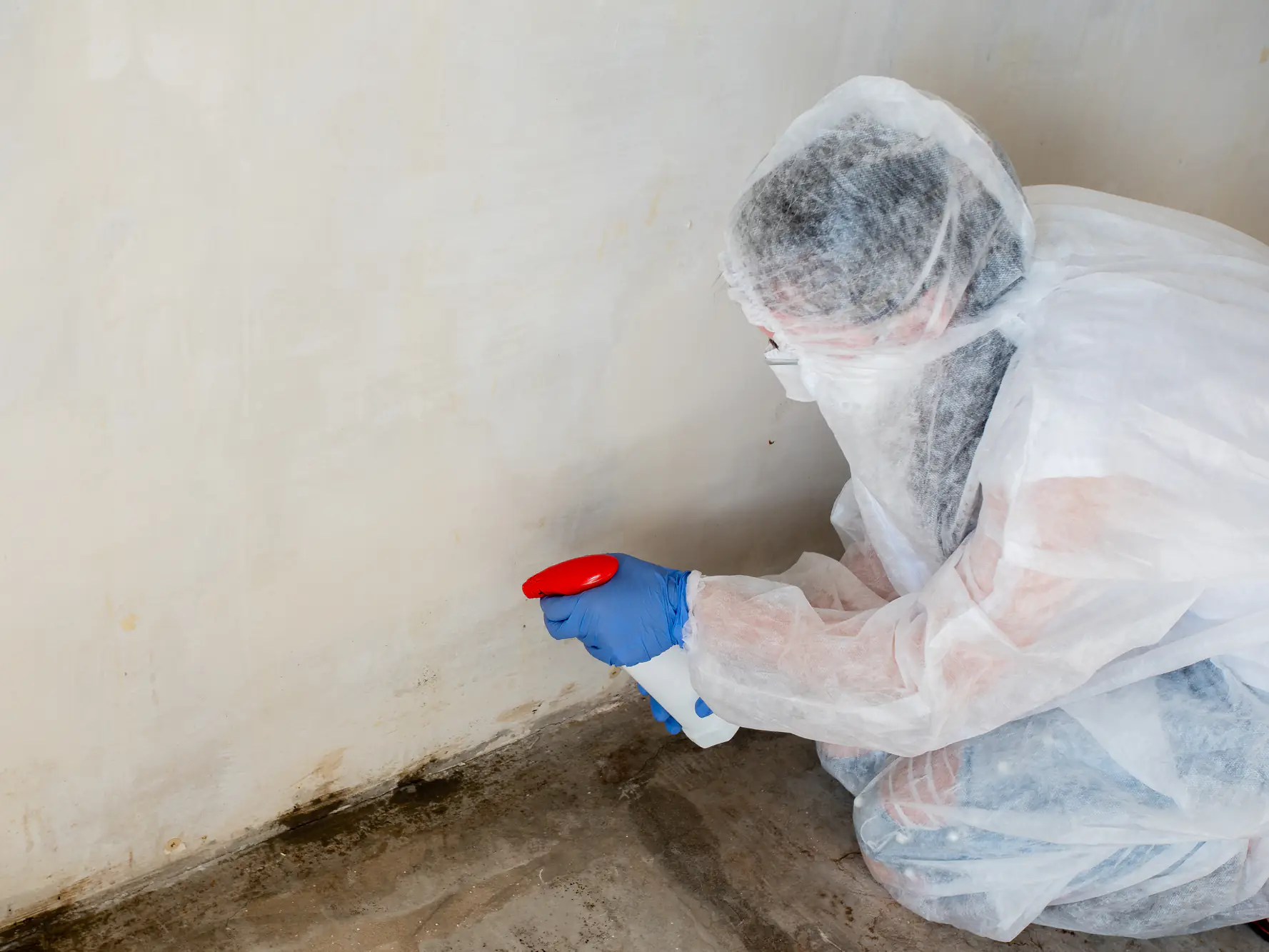
That’s what proper mold remediation does. It doesn’t just clean surfaces—it removes contaminated materials, treats affected areas with EPA-approved solutions, and fixes the moisture problem causing growth in the first place.
You get documentation for insurance or real estate deals. You get air quality back to normal. And you get a plan to keep mold from coming back, because the last thing you need is to deal with this twice.
Most importantly, you stop second-guessing whether your home is safe. Bucks County’s humid summers and damp basements create perfect conditions for mold. When you address it correctly the first time, you’re done worrying about it.
We work exclusively in Bucks County, which means we’ve seen what happens to older homes here. The pre-1950 construction that makes up so much of Belardy wasn’t built with modern moisture barriers. Basements leak. Crawl spaces trap humidity. And mold finds its way in.
We’re certified mold remediation professionals who follow Pennsylvania regulations and use methods approved by the EPA. We don’t cut corners, and we don’t leave until the job’s finished correctly.
Families across Belardy call us because we show up when we say we will, we explain what’s happening in plain terms, and we don’t disappear after the check clears. You’re hiring local mold experts who understand how this area’s climate affects your home.
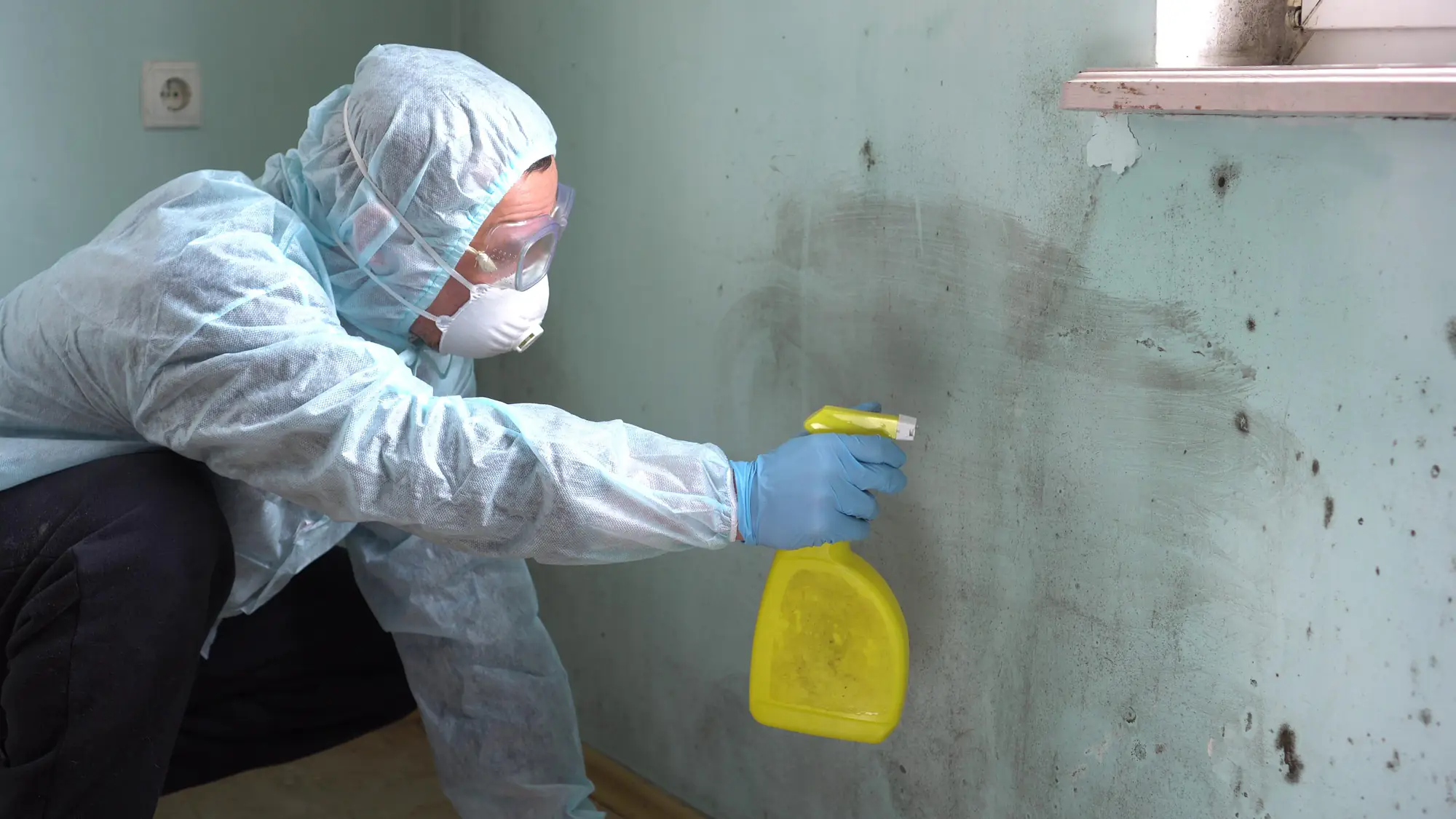
First, we inspect your property for free. We’re looking for visible mold, but also checking areas where it hides—behind drywall, under flooring, in HVAC systems. We use moisture meters and thermal imaging to find problems you can’t see.
Once we know what we’re dealing with, you get a clear estimate before any work starts. No surprises. If you move forward, we contain the affected area to prevent spores from spreading during removal. We remove contaminated materials, treat surfaces with antimicrobial solutions, and use HEPA filtration to clean the air.
Then we address the source. If it’s a leaky pipe, poor ventilation, or groundwater seeping into your basement, we identify it and recommend fixes. Removing mold without fixing the cause just means you’ll be calling someone again in six months.
After remediation, we can handle repairs and restoration so you’re not coordinating multiple contractors. You get your space back in working order, and we provide documentation showing the work was done to code.
Ready to get started?
You get a thorough inspection using advanced detection tools that find hidden mold growth. We test to identify the type of mold and the extent of contamination, which matters for treatment and for your peace of mind if you’re dealing with black mold.
The removal process includes containment, safe removal of affected materials, antimicrobial treatment, and air scrubbing with HEPA filters. We follow EPA guidelines and Pennsylvania state regulations, which protects you legally and ensures the work is done right.
We also help with insurance claims. Most homeowners don’t know what their policy covers, and we’ve worked with enough insurance companies in Bucks County to guide you through the process. If you need financing, we offer options to make the work affordable without delaying treatment.
After mold removal, we handle repairs—drywall replacement, repainting, flooring, whatever was removed during remediation. And we’re available 24/7 for emergencies, because mold doesn’t wait for business hours, especially after a flood or major leak.

You might see it—dark spots on walls, fuzzy growth in corners, discoloration on ceilings. But plenty of times, you smell it before you see it. That musty, earthy odor is a dead giveaway.
Health symptoms are another clue. If you or your family are dealing with persistent coughing, sneezing, headaches, or respiratory issues that get better when you leave the house, mold could be the cause. People with asthma or allergies usually notice it first.
Sometimes mold hides completely. It grows behind drywall, under carpets, inside HVAC ducts, or in crawl spaces you never check. If you’ve had water damage, leaks, or flooding—even if it was months ago—there’s a good chance mold is growing somewhere. A professional inspection finds what you can’t see and gives you a clear answer instead of guessing.
Small surface mold on non-porous materials—like a little growth on a bathroom tile—you can handle with bleach or mold cleaner. But if it’s covering more than a few square feet, growing on porous materials like drywall or wood, or if you’re dealing with black mold, you’re better off calling a mold removal specialist.
Here’s why: disturbing mold releases spores into the air. Without proper containment and filtration, you spread the problem to other areas of your home. You also risk breathing in high concentrations of spores, which can cause serious respiratory issues.
Professional mold remediation includes containment, safe removal, antimicrobial treatment, and addressing the moisture source. If you don’t fix what caused the mold, it comes back. DIY cleaning might make it look better temporarily, but it doesn’t solve the underlying issue. And if you’re selling your home or dealing with insurance, you’ll need documentation from certified professionals anyway.
It depends on the size of the affected area, the type of mold, and how much material needs to be removed. Small jobs might run a few hundred dollars. Larger infestations involving multiple rooms, structural materials, or black mold can cost several thousand.
Testing typically costs between $300 and $800 in Bucks County, depending on how many samples we take and what type of analysis you need. Some situations don’t require testing—if there’s visible mold, we already know it needs to be removed. But if you’re dealing with health symptoms and can’t find the source, or if you need documentation for legal or insurance reasons, testing makes sense.
We provide free inspections and clear estimates before starting work. If your insurance covers mold remediation, we’ll work with them directly to handle claims. And we offer financing options if you need to spread out the cost. The important thing is addressing the problem before it gets worse, because mold damage and health risks only increase the longer you wait.
Bucks County’s climate is a big factor. Humid summers create moisture in the air, and older homes here weren’t built with modern vapor barriers or ventilation systems. Basements are especially vulnerable because groundwater seeps through foundation walls, and poor drainage around the property makes it worse.
A lot of Belardy’s housing stock was built before 1950. These homes have stone foundations, minimal insulation, and outdated plumbing that leaks over time. When you combine old construction with Pennsylvania’s weather patterns—wet springs, humid summers, freeze-thaw cycles in winter—you get perfect conditions for mold growth.
Leaky roofs, condensation around windows, bathroom exhaust fans that vent into attics instead of outside, and HVAC systems that don’t control humidity all contribute to the problem. Even something as simple as drying laundry indoors or not running your bathroom fan after showers adds moisture to the air. Mold needs moisture, organic material to feed on, and temperatures between 60-80 degrees. Your home provides all three unless you actively prevent it.
A small, contained area might take one to two days. Larger jobs involving multiple rooms, structural removal, or severe contamination can take a week or more. It depends on what we find during inspection and how extensive the damage is.
The actual removal and treatment process moves fairly quickly once we’re set up. Containment, removal of affected materials, antimicrobial treatment, and air filtration usually happen within a few days. But if we’re also handling repairs—replacing drywall, repainting, reinstalling flooring—that adds time.
Drying is often the longest part. After we address leaks or moisture sources, affected areas need to dry completely before we close walls back up or install new materials. If we don’t let everything dry properly, you’ll have mold again in a few months. We use dehumidifiers and air movers to speed up the process, but we won’t rush it at the expense of doing the job right. You’ll know the timeline upfront, and we’ll keep you updated if anything changes.
It depends on what caused the mold. If it resulted from a sudden, accidental event—like a burst pipe, roof leak during a storm, or appliance malfunction—most homeowners insurance policies cover remediation. But if mold grew because of long-term neglect, poor maintenance, or ongoing moisture problems you didn’t address, insurance typically won’t pay.
Pennsylvania law also holds sellers accountable for undisclosed mold issues. If you’re buying a home and discover hidden mold, you can recover repair costs and legal fees from the seller. That’s why documentation from certified mold remediation professionals matters during real estate transactions.
We work with insurance companies regularly and know what they require for claims. We provide detailed reports, photos, and documentation of the work performed. We’ll also communicate directly with your adjuster if needed. The key is reporting the problem quickly—the longer you wait, the more likely your insurance company will argue the damage resulted from neglect rather than a covered event.
Other Services we provide in Belardy