
Hear from Our Customers
You stop worrying every time someone coughs. The air smells clean again, not musty or damp. Your kids’ allergies calm down, and you’re not constantly wiping down the same spots wondering if it’s spreading.
That’s what happens when mold removal is done right. Not just scrubbed off the surface, but actually removed—along with the moisture problem that caused it in the first place.
Lodi’s humid summers create perfect conditions for mold growth, especially in basements, crawl spaces, and attics. If your home has dealt with water damage, poor ventilation, or high humidity, mold can take hold in as little as 24 hours. Once it starts, it doesn’t stop on its own.
Real mold removal means identifying every affected area, treating it properly, and making sure the conditions that let mold grow are fixed. Otherwise, you’re just cleaning the same problem over and over.
We’ve been helping homeowners in Bucks County deal with mold problems for years. We know how Pennsylvania’s climate works—the sticky summers, the damp basements, the crawl spaces that never quite dry out.
We’re not a national franchise reading from a script. We’re local mold removal specialists who understand what causes mold in Lodi homes and how to fix it for good.
We use moisture meters, infrared cameras, and air quality testing to find mold you can’t see. We don’t guess. We don’t upsell. We show you what’s happening, explain what needs to happen next, and give you a clear estimate before any work starts.
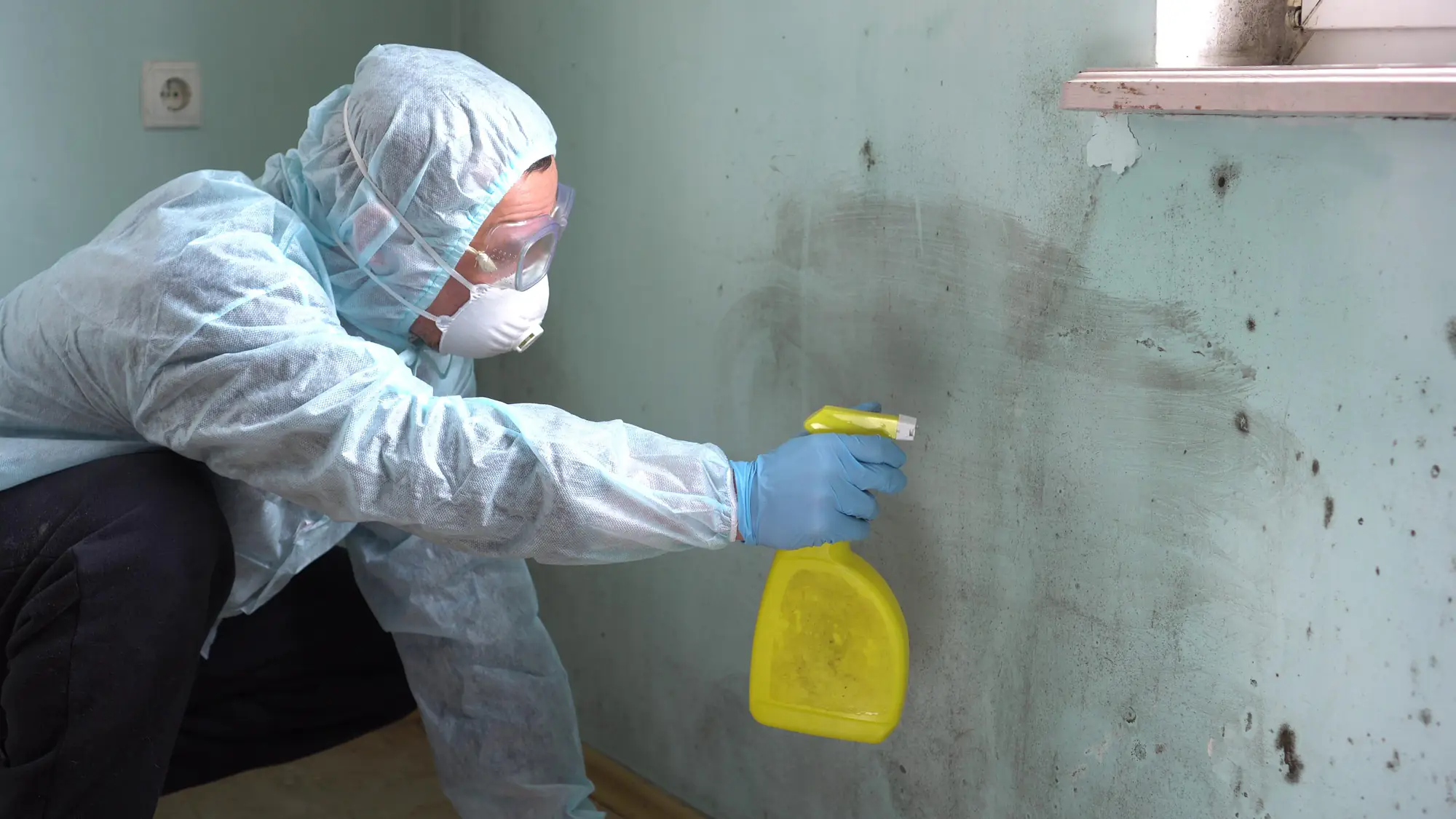
First, we come out and do a full assessment. That means checking visible mold, but also using equipment to find hidden growth behind walls, under floors, or in your HVAC system. We test the air quality and measure moisture levels to understand how bad the problem is and where it’s coming from.
Once we know what we’re dealing with, we give you a detailed estimate. No surprises, no upselling. Just a clear breakdown of what needs to be removed, what needs to be treated, and what needs to be fixed to prevent it from happening again.
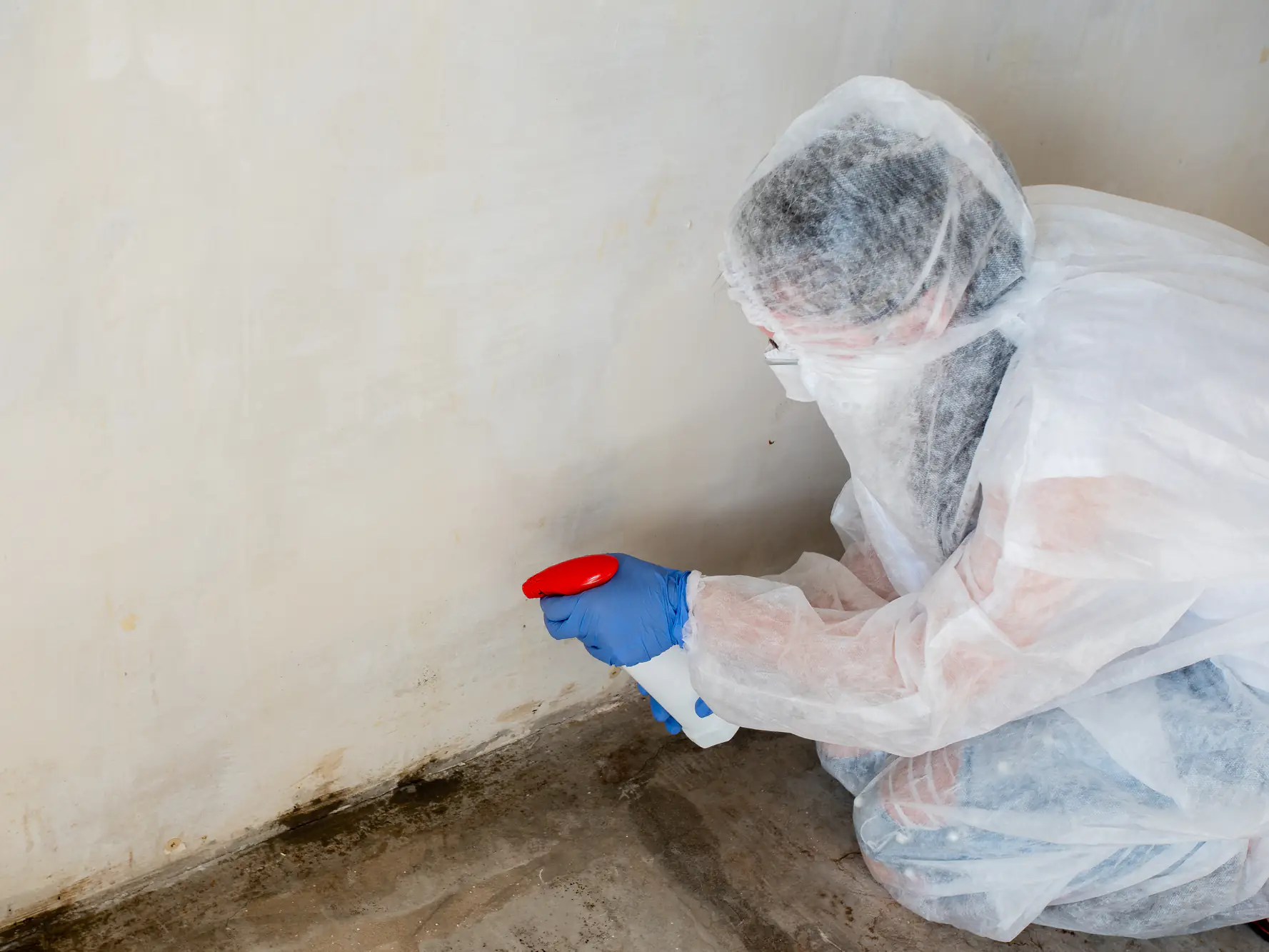
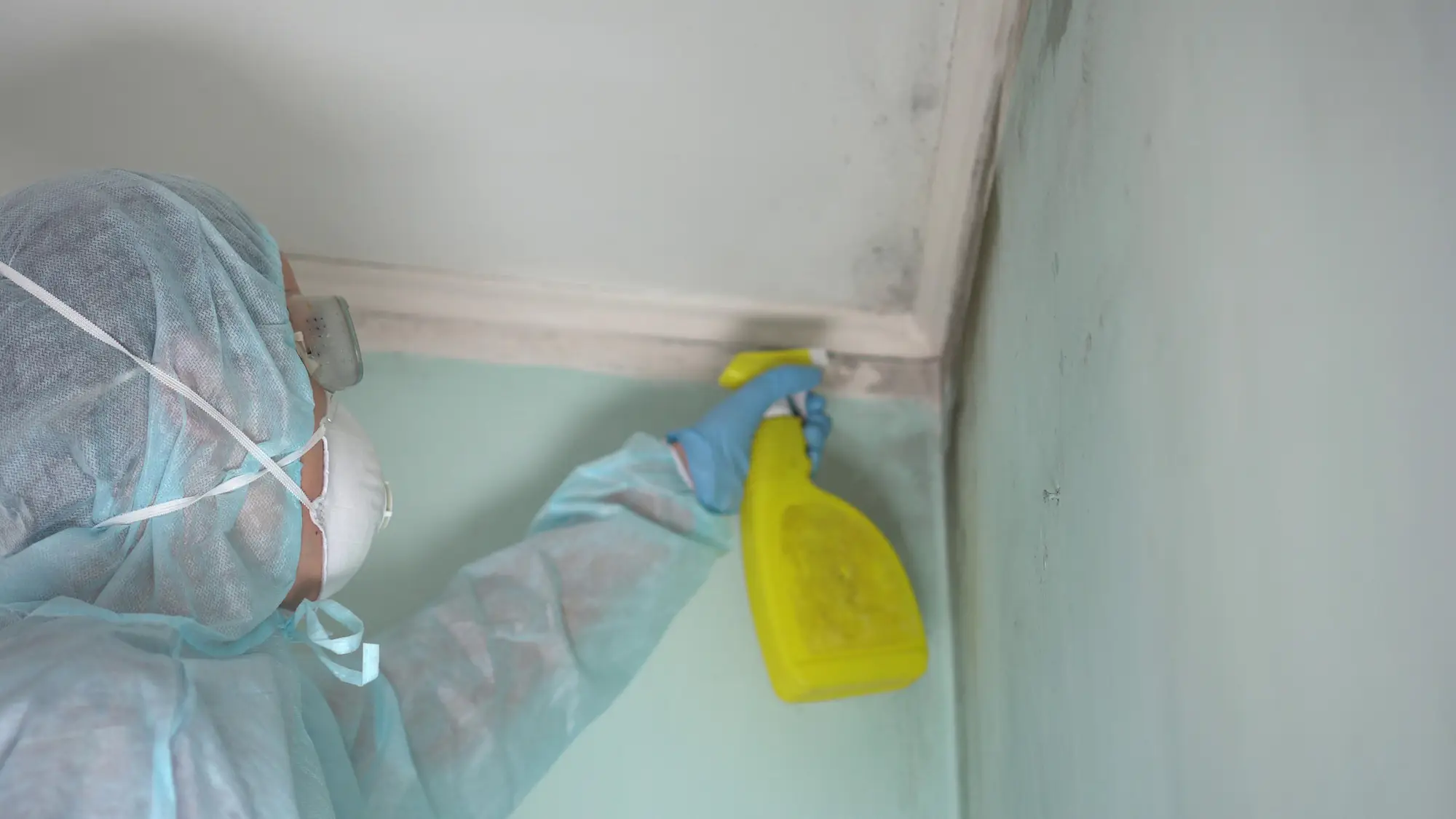
During remediation, we contain the affected area to keep mold spores from spreading. We remove contaminated materials safely, treat surfaces with antimicrobial solutions, and use HEPA filtration to clean the air. Then we address the moisture source—whether that’s a leak, condensation, or ventilation issue.
After everything’s cleaned and treated, we do a final air quality test to confirm the mold is gone. We don’t consider the job done until your home is safe and the conditions that caused mold are fixed.
Ready to get started?
Every mold removal project in Lodi includes a free inspection and moisture assessment. We don’t charge you to figure out what’s wrong. That’s part of understanding the problem before we fix it.
You also get containment and air filtration during the removal process. This keeps mold spores from spreading to clean areas of your home while we work. It’s not optional—it’s how the job should be done.
We handle the removal of affected materials, treatment of surfaces, and cleaning of your HVAC system if needed. Pennsylvania’s humid climate means mold loves to hide in ductwork, and if we don’t address it, you’re just circulating spores through your house.
After remediation, we help identify what caused the mold—whether it’s a roof leak, foundation moisture, poor ventilation, or humidity control issues. Fixing the source is the only way to keep mold from coming back. We’ll walk you through what needs to happen and connect you with solutions, whether that’s dehumidification, waterproofing, or structural repairs.
We also work with your insurance company if your mold problem is related to covered water damage. We’ll document everything, provide detailed reports, and help you navigate the claims process.

You might see it—dark spots on walls, ceilings, or around windows. You might smell it—that musty, damp odor that doesn’t go away even after you clean. Or you might feel it—persistent allergies, coughing, or respiratory issues that get worse when you’re home.
But mold doesn’t always show itself. It grows behind drywall, under flooring, inside ductwork, and in crawl spaces you never check. If your home has had any water damage, leaks, flooding, or high humidity, there’s a good chance mold is growing somewhere.
The only way to know for sure is a professional mold inspection. We use moisture meters and infrared cameras to find hidden mold and test your air quality to see if spores are present. If you’re dealing with unexplained health symptoms or you’ve had water issues in the past, it’s worth getting checked.
If it’s a tiny spot on a non-porous surface and you catch it early, maybe. But most mold problems are bigger than they look. What you see on the surface is usually just part of the issue—mold grows deep into porous materials like drywall, wood, and insulation.
Scrubbing visible mold doesn’t kill what’s underneath, and it doesn’t fix the moisture problem that caused it. Within weeks or months, it comes back. Sometimes worse than before.
DIY mold removal also puts you at risk. Disturbing mold releases thousands of spores into the air, which you then breathe in. Without proper containment, protective equipment, and HEPA filtration, you’re spreading the problem and exposing yourself to health risks. If the affected area is larger than 10 square feet, or if it’s caused by contaminated water, the EPA recommends hiring a professional mold removal specialist.
It depends on how much mold there is and where it’s growing. A small, contained area might take a day or two. A larger problem involving multiple rooms, structural materials, or HVAC contamination can take a week or more.
The process itself involves inspection, containment, removal, treatment, drying, and final testing. We don’t rush it. Cutting corners means mold comes back, and that defeats the entire purpose.
Most of the time, you can stay in your home during remediation as long as the affected area is properly contained. If the mold problem is severe or involves your main living spaces, we’ll talk through your options. What matters most is that the job is done right, not fast.
It depends on what caused the mold. If it’s the result of a sudden, covered event—like a burst pipe, roof leak during a storm, or appliance failure—your homeowners insurance may cover remediation. If it’s from long-term neglect, poor maintenance, or gradual moisture buildup, probably not.
Insurance companies want to see that you acted quickly after water damage occurred. Mold that develops because a leak wasn’t fixed or a flood wasn’t dried out usually isn’t covered. But if you had a covered water event and mold appeared within a short time frame, you’ve got a case.
We work with insurance companies regularly. We’ll document everything, provide detailed reports and photos, and help you file your claim. Even if insurance doesn’t cover it, we offer financing options to make mold removal affordable. The longer you wait, the worse it gets—and the more expensive it becomes.
Moisture. That’s it. Mold needs water to grow, and Pennsylvania’s humid climate gives it plenty of opportunities. Lodi’s summers are sticky and damp, with humidity levels that regularly hit the danger zone where moisture doesn’t evaporate easily.
Basements are a common problem. Poor drainage, foundation cracks, or high groundwater can lead to dampness that never fully dries. Add in poor ventilation, and you’ve got a perfect breeding ground. Crawl spaces, attics, and bathrooms are also high-risk areas.
Leaks are another major cause—roof leaks, plumbing leaks, HVAC condensation, or even leaks around windows and doors. If any part of your home stays wet for more than 24 to 48 hours, mold will start growing. Flooding, whether from heavy rain or appliance failure, accelerates the problem. The key is controlling moisture through proper ventilation, dehumidification, waterproofing, and quick response to any water issues.
Fix the moisture problem. If you remove mold but don’t address what caused it, it will absolutely come back. That’s not a maybe—it’s a guarantee.
Start by identifying the source. Is it a leak? Get it repaired. Is it condensation? Improve ventilation or add a dehumidifier. Is it foundation moisture? You may need waterproofing or drainage work. Mold removal gets rid of the growth, but moisture control keeps it from returning.
In Lodi, controlling indoor humidity is critical. During summer months, keep your humidity below 60 percent using dehumidifiers, exhaust fans, and proper airflow. Check your gutters and downspouts to make sure water drains away from your foundation. Inspect your roof, windows, and plumbing regularly for leaks. If you’ve had mold before, stay vigilant—catching moisture problems early means you won’t be dealing with mold again.
Other Services we provide in Lodi