
Hear from Our Customers
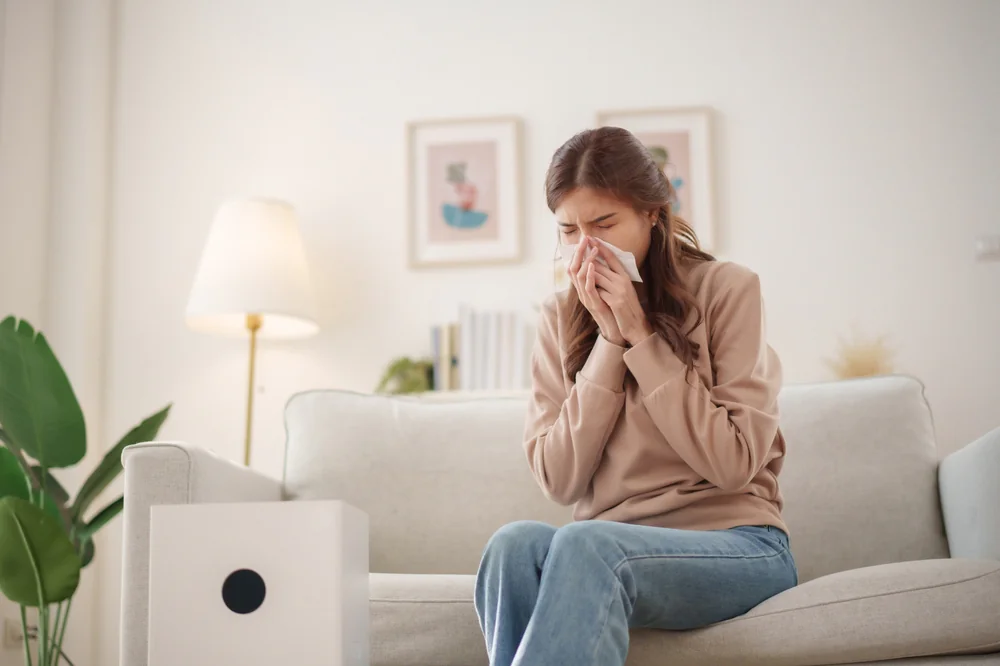
You’re dealing with headaches that disappear when you leave the house. Allergies that never seem to go away. Kids with respiratory issues that doctors can’t quite pin down. You’ve cleaned everything, changed filters, opened windows—but something still feels off.
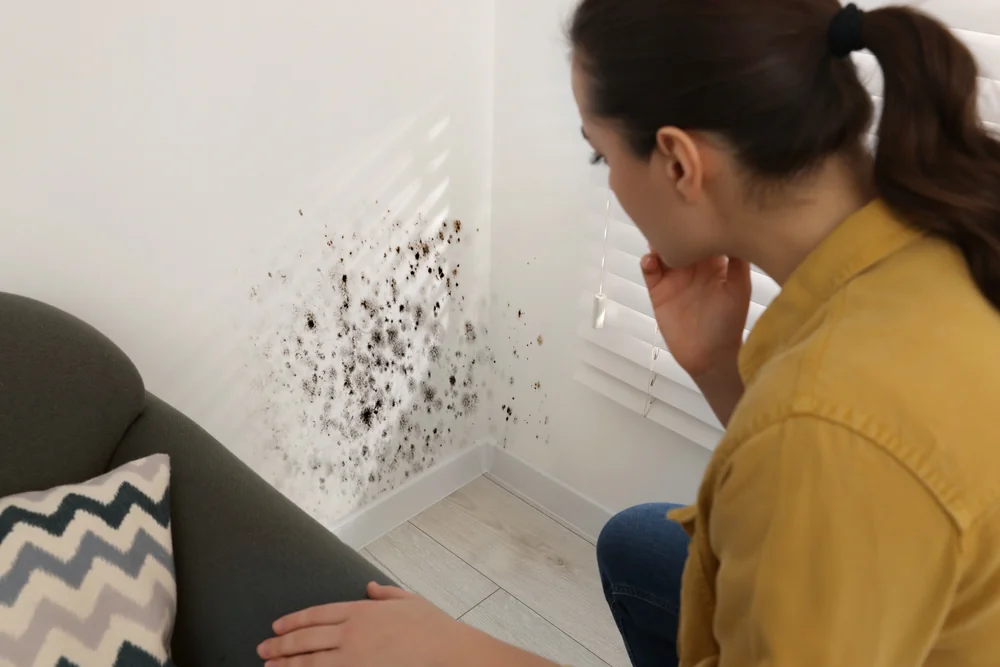
Here’s what most people don’t realize: more than half of homes in Pennsylvania have elevated mold counts, but less than 5% ever get tested. You can’t see spores. You can’t always smell them. And by the time you notice visible growth, you’ve been breathing contaminated air for months.
A home air quality test tells you exactly what’s in your air—mold spores, allergens, dust mites, pet dander, and other contaminants that standard home inspections completely miss. You get a clear picture of what’s affecting your health, where it’s coming from, and what needs to happen next. No more guessing. No more treating symptoms while the real problem keeps growing behind your walls.
We focus specifically on air quality testing and mold assessment—not emergency remediation or restoration services. That means when we test your home, you’re getting an unbiased analysis from someone who isn’t trying to upsell you on a cleanup job.
We understand Pennsylvania’s climate. The humid summers. The wet springs. The basement moisture issues that come with older homes in Lodi and throughout Bucks County. We’ve tested hundreds of local properties, and we know exactly what to look for in this region.
Our team uses EPA-approved methods and sends every sample to certified laboratories for analysis. You get detailed reports that actually make sense—not technical jargon, but clear explanations of what we found, what it means for your health, and specific steps you can take to fix it.
The process starts with a phone call. You tell us what you’re experiencing—health symptoms, musty smells, visible moisture, or just a gut feeling that something’s wrong. We schedule a time that works for you, usually within a few days.
When we arrive, we walk through your home and identify potential problem areas. We’re looking at basements, crawl spaces, bathrooms, and anywhere moisture tends to collect. We use moisture meters and infrared cameras to find hidden water sources. Then we collect air samples from multiple locations throughout your home, along with surface samples if we spot anything suspicious.
The actual testing takes about two to three hours. We’re thorough because we know you need accurate results. Once we’re done, those samples go straight to a certified lab for analysis. You’ll have detailed results within three to five business days—sometimes sooner if we find something that needs immediate attention.
The report breaks down exactly what’s in your air, where the highest concentrations are, and what’s causing the problem. We walk you through every finding and give you clear recommendations. If remediation is needed, you can hire whoever you want. If it’s a ventilation issue or minor fix, we’ll tell you that too.
Ready to get started?
Every residential air quality testing appointment includes a complete visual inspection of your property. We check every area where mold and moisture typically hide—not just the obvious spots. You’re getting someone who knows how homes in Lodi are built and where problems develop in this climate.
We test for mold spores, but we’re also looking at overall indoor air quality. That means identifying allergens, checking ventilation efficiency, and measuring moisture levels throughout your home. Bucks County received failing grades for high ozone days, and multiple Pennsylvania counties failed for particle pollution—so outdoor air quality is already a concern. The last thing you need is indoor air making things worse.
You’ll receive laboratory analysis from accredited facilities that specialize in environmental testing. These aren’t estimates or visual assessments. They’re precise measurements of what’s actually floating around in your air. The report includes spore counts, types of mold present, and concentration levels in each area we tested.
If you’re buying a home, dealing with water damage, or verifying that a previous mold problem was actually fixed, this testing gives you documentation. Real numbers. Real evidence. Not just someone’s opinion that everything looks fine.
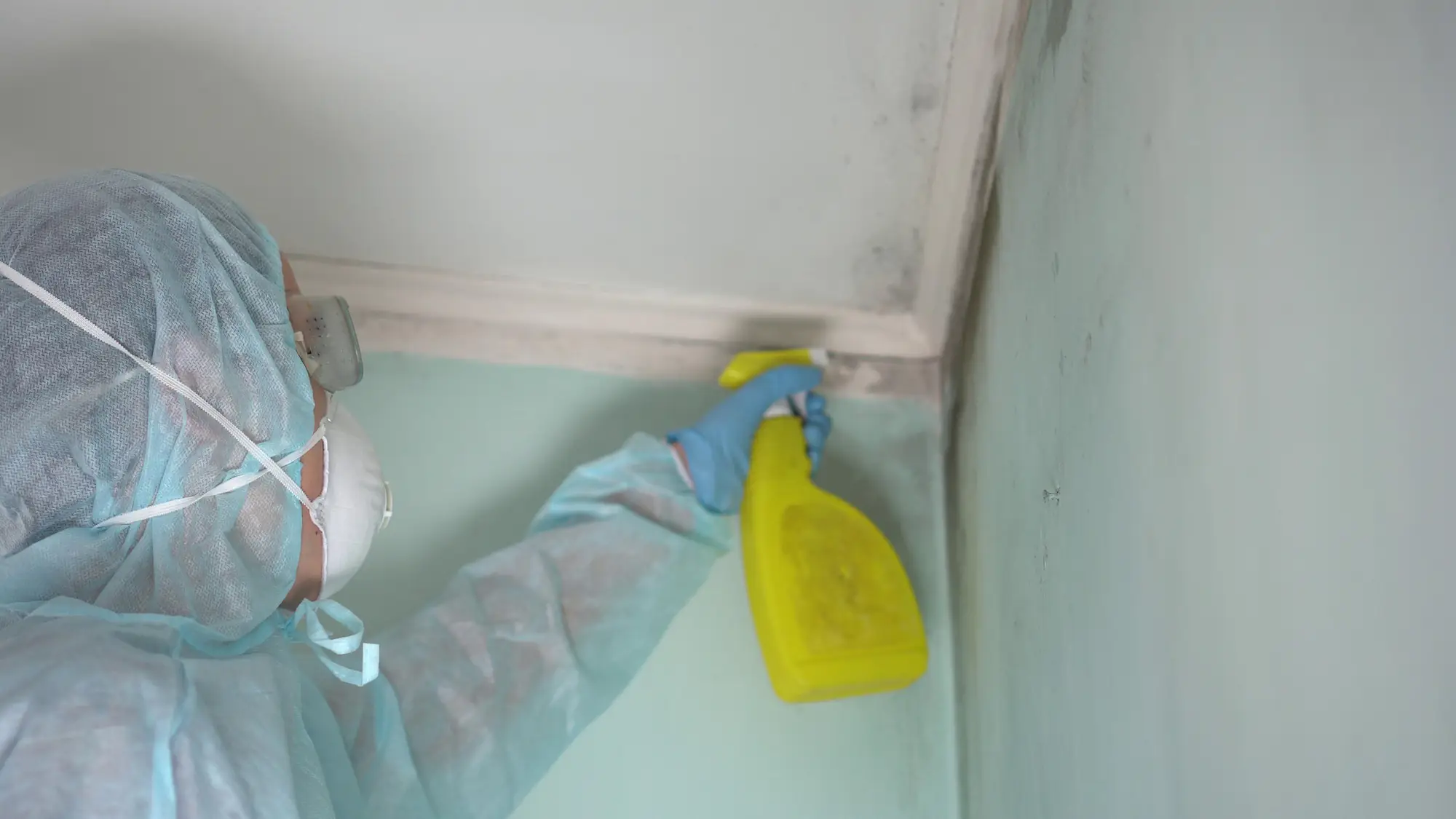
You need testing if you’re experiencing health symptoms that improve when you leave your house—persistent allergies, headaches, respiratory issues, or unexplained fatigue. That’s the clearest sign that something in your indoor environment is affecting you.
You also need testing if you’ve had water damage, flooding, or persistent moisture problems. Even if you don’t see mold, it could be growing inside walls, under flooring, or in your HVAC system. Pennsylvania’s humid climate creates perfect conditions for hidden growth, especially in basements and crawl spaces common in Lodi homes.
Testing makes sense before buying a property, after any remediation work, or if you’ve noticed musty odors but can’t locate the source. It’s also smart if you have young children, elderly family members, or anyone with asthma or respiratory conditions living in your home. Indoor air quality directly impacts health, and you can’t fix what you haven’t identified.
A visual inspection only catches what’s visible on surfaces. Air testing measures what’s actually floating around in your home—the spores you’re breathing every day. Mold can be growing behind walls, under carpets, or in your ventilation system where you’ll never see it, but it’s still releasing spores into your air.
Air sampling gives you specific data: types of mold present, concentration levels, and which areas of your home have the highest counts. That information tells you whether you have a serious problem or just normal background levels. It also helps identify the source, even when there’s no visible growth.
For post-remediation verification, air testing is essential. A remediation company can tell you they removed all the mold, but only air testing proves it. You need independent laboratory results showing that spore counts are back to normal levels before you can be confident the problem is actually solved.
The on-site testing process typically takes two to three hours, depending on your home’s size and how many areas we’re sampling. We’re not rushing through it—accurate results require proper collection methods and enough samples to give you a complete picture.
Once we collect the samples, they go to a certified laboratory for analysis. You’ll have detailed results within three to five business days. If we identify something during the inspection that looks like an immediate health concern, we’ll let you know right away so you can take action while waiting for the lab results.
The report includes everything the lab found, explained in plain language. We’ll walk you through the findings, answer your questions, and give you specific recommendations. You’re not just getting a stack of technical data—you’re getting a clear understanding of what’s happening in your home and what to do about it.
Yes—that’s exactly what post-remediation testing is designed to do. After any mold removal work, you need independent verification that spore counts are back to acceptable levels. The company that did the remediation has a conflict of interest. They’re not going to tell you their work didn’t solve the problem.
Post-remediation air testing compares current spore levels to baseline outdoor levels and industry standards. If the remediation was successful, your indoor counts should be equal to or lower than outdoor counts. If they’re still elevated, the mold wasn’t fully removed or there’s a moisture source that’s causing new growth.
This testing protects you from paying for incomplete work and ensures your home is actually safe for your family. It’s especially important if anyone in your household has respiratory issues or mold sensitivity. You need proof, not promises, that the air quality problem is resolved.
First, you’ll get a clear explanation of what we found—which types of mold are present, where the highest concentrations are, and what’s likely causing the growth. Not all mold is the same, and the report will specify exactly what you’re dealing with.
We’ll give you specific recommendations based on the findings. Sometimes it’s a major remediation job. Sometimes it’s fixing a ventilation issue or addressing a moisture source. We’re not trying to scare you or oversell the problem—we’re giving you the facts so you can make an informed decision.
You can hire whoever you want for the actual remediation work. We’re focused on testing and assessment, so you’re getting unbiased information. If you need help finding a qualified remediation company, we can point you in the right direction. But the testing results are yours, and you’re in control of what happens next.
No—Pennsylvania doesn’t regulate indoor mold through the Department of Environmental Protection or Department of Health. There are no state laws requiring testing or certification for mold remediation. That’s exactly why professional testing is so important.
Without regulations, you’re relying entirely on the expertise and honesty of whoever you hire. There’s no government oversight making sure the job is done right. Testing gives you independent verification and documentation of what’s actually in your home.
This lack of regulation also means you need to be careful about who you trust. Anyone can claim to remove mold, but not everyone uses proper methods or actually solves the underlying moisture problem. Professional air quality testing from an independent company protects you by providing objective data about your home’s air quality before and after any remediation work.
Other Services we provide in Lodi