
Hear from Our Customers
You stop wondering if that smell is dangerous. You stop worrying about what’s growing behind the walls. You get a home where the air doesn’t make your kids cough or give you headaches that won’t quit.
Here’s what changes: you can breathe easier, literally. Your basement stops smelling like a wet sock. That persistent sinus infection finally clears up. You’re not embarrassed when people come over.
The property value you’ve been protecting doesn’t tank because of something you ignored. Research shows untreated mold can drop your home’s value by 20-37%. Sellers who invest in professional mold removal often recover nearly $20,000 more at closing. That’s not scare tactics—that’s what happens when buyers see mold reports during inspection.
This isn’t about selling you something you don’t need. It’s about knowing whether you have a problem, how bad it is, and what it actually takes to fix it. Most homeowners in Langhorne Manor don’t have mold issues. But if you do, catching it early means smaller repairs, lower costs, and less disruption to your life.
We’ve been serving homeowners across Bucks County for years. We’re local, which means we understand what happens to homes here—the humid summers, the older construction in neighborhoods like Langhorne Manor, the basements that never quite stay dry.
We’re not a national franchise following a script. We use thermal imaging, infrared moisture mapping, and lab-grade air sampling to find mold where it actually is—not just where it’s visible. That’s how we build accurate remediation plans instead of guessing.
You’ll work with certified technicians who’ve seen hundreds of homes and know the difference between surface mold you can wipe down and contamination that requires containment. We’ll tell you what you’re dealing with, what it costs to fix, and what happens if you wait. Then you decide.
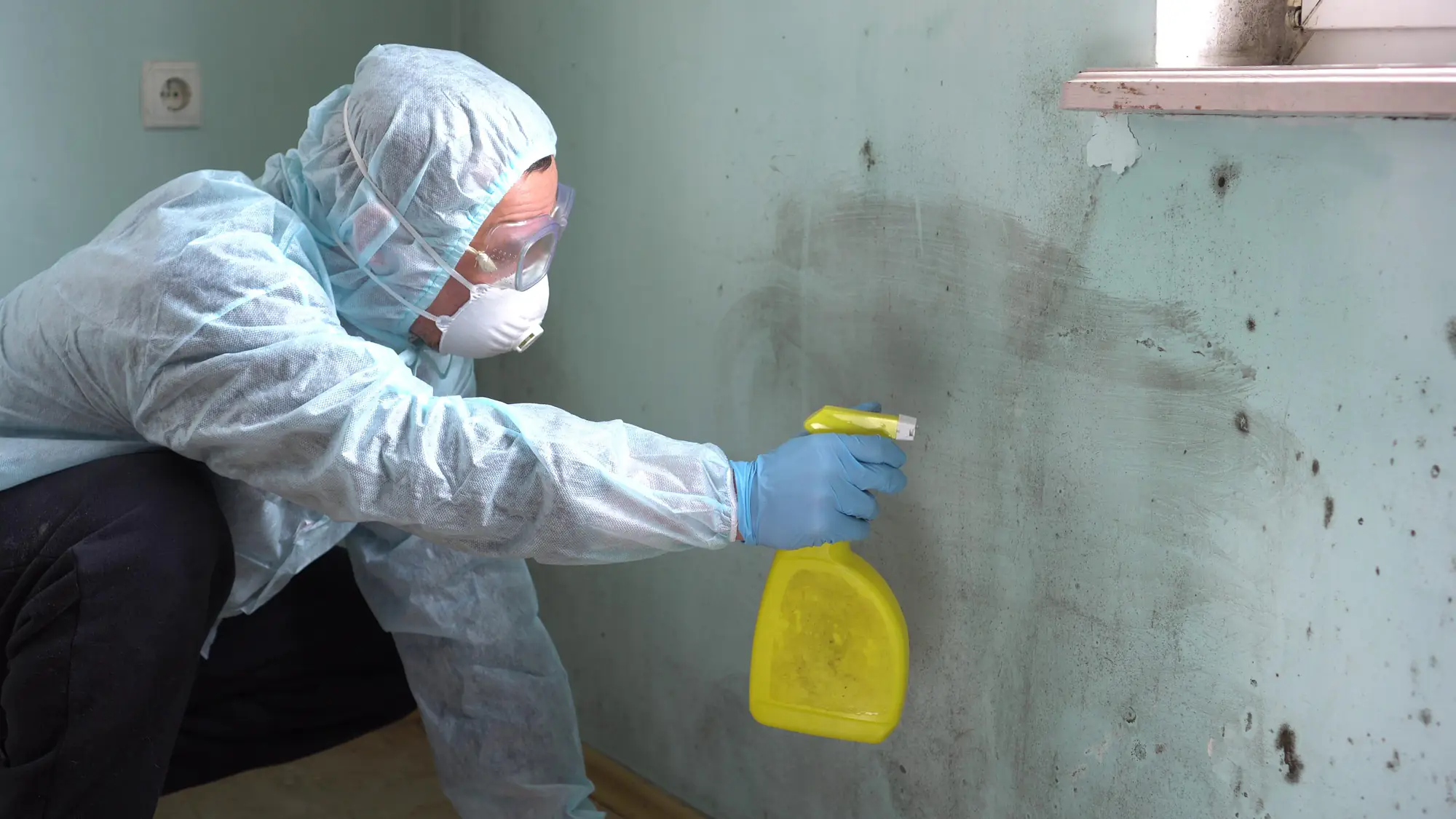
First, we inspect your property. That means checking the obvious spots—bathrooms, basements, crawl spaces—and the hidden ones. We use moisture meters and thermal cameras to find water intrusion you can’t see. Most mold problems start with small leaks that go unnoticed for months.
Next, we test. Air samples and surface samples go to a third-party lab. You get a report that tells you exactly what type of mold is present, how much, and where it’s concentrated. No guessing. No upselling based on fear.
If remediation is needed, we contain the area to prevent spores from spreading during removal. We remove contaminated materials, treat affected surfaces, and use HEPA filtration to clean the air. Then we address the moisture source—because if water’s still getting in, mold will come back no matter how well we clean.
Finally, we verify clearance. Post-remediation testing confirms the mold is gone and the air quality is back to normal. You get documentation for your records, your insurance, or your real estate transaction. The whole process typically takes 3-5 days depending on the size of the affected area.
Ready to get started?
Every job includes a detailed inspection with moisture mapping. We’re looking for why mold is growing, not just where. In Langhorne Manor, that often means checking for foundation cracks, poor ventilation in older homes, or HVAC systems that aren’t dehumidifying properly.
You’ll receive lab-verified testing results that identify the specific mold species. This matters because not all mold requires the same response. Some species indicate serious water damage. Others are common outdoor molds that drifted in through an open window. The lab report gives you facts, not fear.
Remediation includes containment setup, removal of affected materials, antimicrobial treatment, HEPA air scrubbing, and proper disposal. We don’t just spray bleach and call it done. We follow industry protocols that actually eliminate the problem. You also get a written remediation plan before we start, so you know exactly what we’re doing and why.
Post-remediation clearance testing is standard. We don’t consider the job finished until an independent lab confirms the mold is gone. You’ll receive documentation that satisfies insurance companies, real estate attorneys, and your own peace of mind. We also provide recommendations for preventing future growth—things like dehumidifier placement, ventilation improvements, or minor repairs that keep moisture out.

You need professional help if you’re seeing mold growth larger than 10 square feet, if it’s in your HVAC system, or if it keeps coming back after you clean it. You also need testing if you smell mold but can’t find it, or if you’ve had water damage that wasn’t dried out within 48 hours.
DIY cleaning works for small surface mold on non-porous materials—think shower tiles or windows. But if mold is on drywall, insulation, carpet, or wood framing, you’re dealing with porous materials that trap spores deep inside. Wiping the surface doesn’t solve it. The mold is still there, and it’ll grow back.
Here’s a reality check: about 47% of homes have visible mold or mold odor. Most of it isn’t dangerous, but you won’t know which type you have without testing. Black mold gets all the attention, but other species can cause respiratory problems too, especially in kids or anyone with asthma. Testing costs a few hundred dollars and tells you whether you’re looking at a $500 cleaning job or a $5,000 remediation project. That’s worth knowing before you make a decision.
Mold removal means getting rid of visible mold growth. Remediation means fixing the problem so it doesn’t come back. Most homeowners need remediation, not just removal, because mold grows back if the moisture source isn’t addressed.
Think of it this way: you can scrub mold off a basement wall, but if water is still seeping through the foundation, you’ll be scrubbing again in three months. Remediation includes identifying where moisture is coming from—leaking pipes, poor drainage, humidity above 60%, condensation from temperature differences—and fixing that issue alongside the mold cleanup.
Professional remediation also includes containment to prevent cross-contamination. When you disturb mold, you release thousands of spores into the air. Without proper containment and air filtration, those spores spread to other rooms and start new colonies. We seal off the work area, use negative air pressure, and run HEPA filters that capture 99.97% of particles. That’s not overkill—it’s how you prevent a small problem from becoming a whole-house issue.
Most residential jobs take 3-5 days from start to clearance testing. Small areas like a bathroom or closet might be done in 1-2 days. Larger projects involving multiple rooms, crawl spaces, or structural repairs can take a week or more.
The timeline depends on the extent of contamination and what materials are affected. Surface mold on concrete or tile is faster to treat than mold that’s penetrated drywall, insulation, or subflooring. If we need to remove building materials, that adds time for demolition, treatment, drying, and reconstruction. We’ll give you a specific timeline after the inspection.
Here’s what slows things down: waiting for materials to dry completely before rebuilding. You can’t just spray everything down and seal it back up. Moisture levels need to drop below 16% or mold will regrow behind your new drywall. We use commercial dehumidifiers and air movers to speed up drying, but it still takes time. Rushing this step is how you end up paying for the same job twice.
It depends on what caused the mold. Most policies cover mold if it resulted from a “covered peril” like a burst pipe, storm damage, or appliance leak—as long as you reported it quickly and took steps to prevent further damage. They typically won’t cover mold from long-term neglect, maintenance issues, or flooding.
Read your policy’s mold coverage limit. Many standard policies cap mold claims at $10,000, though you can often purchase additional coverage. Some insurers in Pennsylvania have started excluding mold entirely unless you add an endorsement. If you’re not sure what you have, call your agent before you call us.
Here’s how to protect your claim: document everything with photos and dates. Call your insurance company within 24-48 hours of discovering water damage. Get professional remediation started quickly—insurers expect you to mitigate damage, not let it spread. Save all receipts and reports. We’ll provide detailed documentation of our findings, scope of work, and clearance testing that supports your claim. We’ve worked with dozens of insurance adjusters and know what they need to process claims efficiently.
Bleach kills surface mold on non-porous materials like tile or glass, but it doesn’t penetrate porous surfaces like drywall, wood, or grout. The mold you see might die, but the roots (hyphae) survive and regrow within weeks. Bleach also doesn’t remove the dead mold, which can still trigger allergic reactions.
There’s another problem: bleach releases harsh fumes that irritate your lungs, especially in enclosed spaces like bathrooms or basements. If you’re already dealing with respiratory symptoms from mold exposure, adding bleach fumes makes it worse. The EPA actually recommends against using bleach for mold cleanup in most situations.
Professional remediation uses antimicrobial treatments designed specifically for mold, along with physical removal of contaminated materials. We’re not just killing mold—we’re removing the food source (water-damaged materials), eliminating the spores, and controlling humidity so new growth doesn’t start. If you’re dealing with anything larger than a small patch on a hard surface, DIY cleaning won’t solve it. You’ll spend money on cleaning products, waste your time, and still end up calling someone like us when it grows back.
Mold exposure causes respiratory problems, allergic reactions, and chronic sinus issues in many people. About 6-10% of the general population is allergic to mold, and that number jumps to 15-50% for people genetically prone to allergies. Symptoms include persistent coughing, wheezing, watery eyes, skin rashes, headaches, and fatigue.
The risk is higher for young children, elderly family members, and anyone with asthma or compromised immune systems. Research shows that living in damp, moldy homes doubles the risk of developing asthma. In Pennsylvania, schoolchildren face an asthma rate of 13.9%—nearly double the national average—and 61.5% of Pennsylvania schools tested showed mold levels high enough to recommend remediation. Your home shouldn’t have worse air quality than a school.
Here’s what concerns doctors: chronic low-level exposure. You might not have dramatic symptoms, but constant exposure to mold spores inflames your respiratory system over time. That persistent cold that won’t go away, the sinus infections that keep coming back, the brain fog you can’t shake—these can all be linked to indoor air quality. About 4.6 million asthma cases in the U.S. are directly caused by mold and dampness. You don’t have to live with symptoms while wondering if your house is making you sick. Testing gives you a definitive answer.
Other Services we provide in Langhorne Manor