
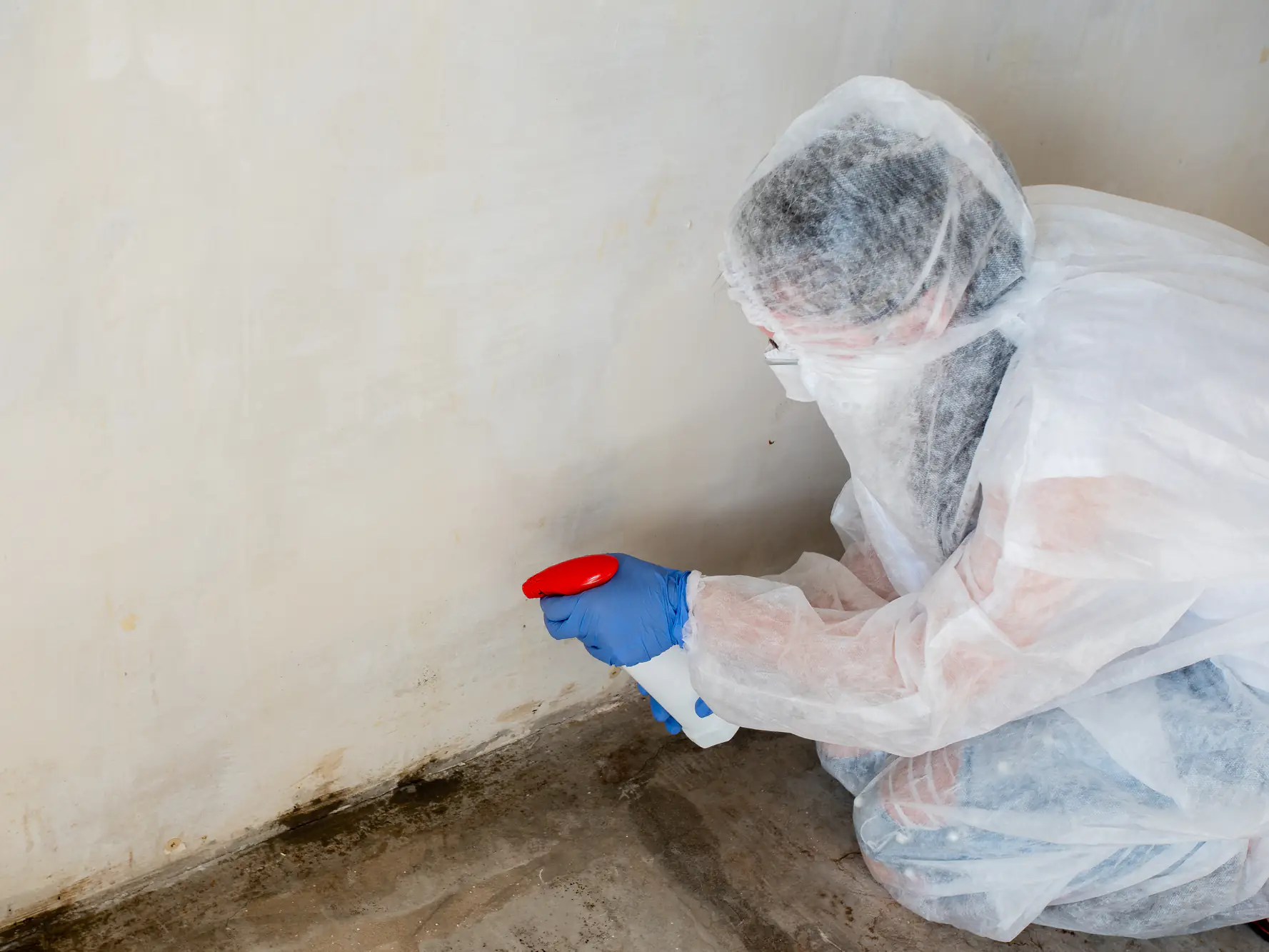
Hear from Our Customers
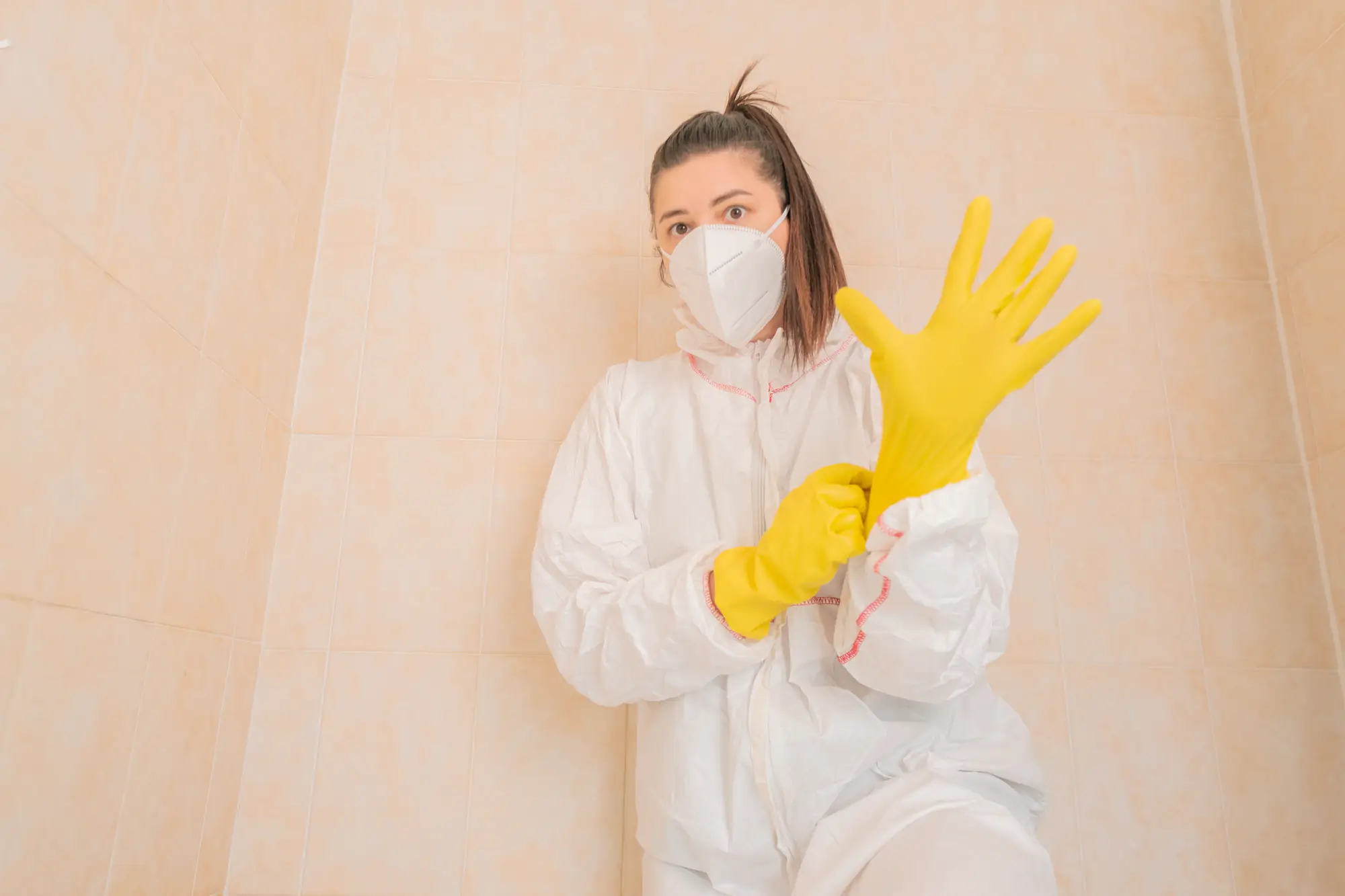
You’ve probably noticed the musty smell first. Maybe someone in your house has been coughing more, or allergies seem worse indoors than out. That’s your body telling you something’s wrong.
Mold doesn’t just sit there. It spreads behind walls, under floors, into air ducts. The longer it grows, the more expensive the fix becomes and the worse your family feels. Headaches, respiratory issues, constant congestion—these aren’t things you should live with in your own home.
When you work with mold removal specialists who actually know what they’re doing, you get your air quality back. You stop worrying every time someone sneezes. You can sell your house later without disclosure nightmares. Most importantly, you fix the moisture problem causing it so you’re not dealing with this again in six months.
We’ve been handling mold problems in Bucks County for years. We’re not a franchise answering to corporate. We’re local guys who understand what Saint Leonard’s humidity does to basements and crawl spaces.
Living this close to the Chesapeake Bay means your home deals with moisture challenges that houses twenty miles inland don’t face. Summer humidity here regularly pushes past 60%, and older homes in this area weren’t built with the vapor barriers newer construction has. We’ve seen it all—attics that stay damp without any roof leak, basement corners that grow mold every spring, bathrooms where the fan just pushes moist air into the wall cavity.
Every technician we send to your house is EPA-certified. We use HEPA filtration, proper containment, and we back our work with a 5-year warranty because we’re fixing the cause, not just scrubbing visible mold off your wall.
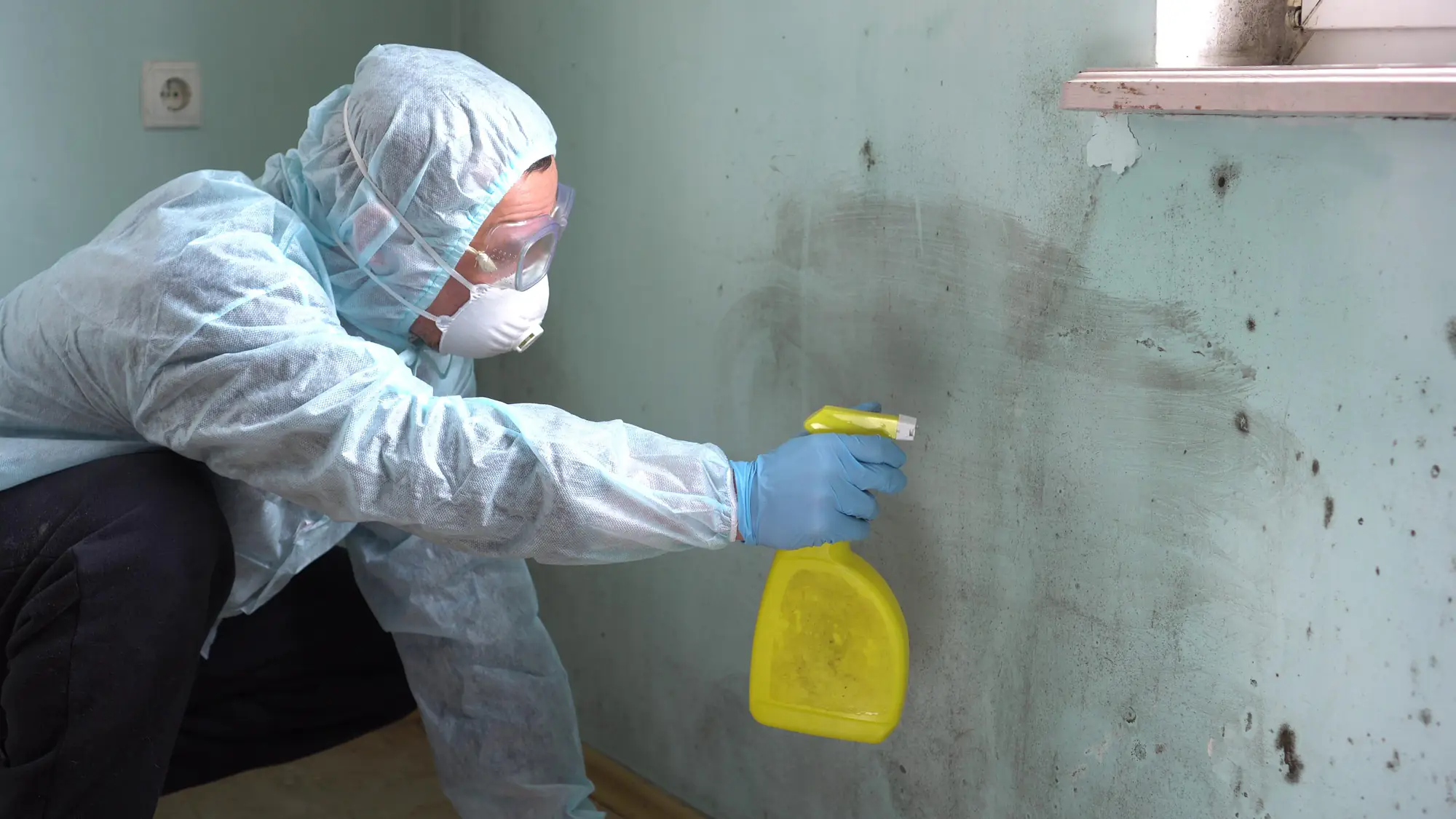
First, we inspect everything. Not just where you see mold, but where it’s likely hiding. We use moisture meters and thermal imaging to find wet spots behind walls, under flooring, in ceiling cavities. You can’t treat what you can’t find.
Next comes containment. We seal off the affected area with plastic sheeting and set up negative air pressure so mold spores don’t spread to clean parts of your house while we work. This step separates amateurs from professionals.
Then we remove it. HEPA vacuums, antimicrobial treatments, physically removing contaminated materials that can’t be saved. We’re not painting over it or spraying something that kills surface mold while leaving the roots. If your drywall is compromised, we cut it out. If insulation is contaminated, it goes.
Finally, we dry everything and fix what caused the moisture. Dehumidifiers, fans, sealing foundation cracks, improving ventilation—whatever your specific situation needs. Without this step, you’re just buying yourself three months before it comes back.
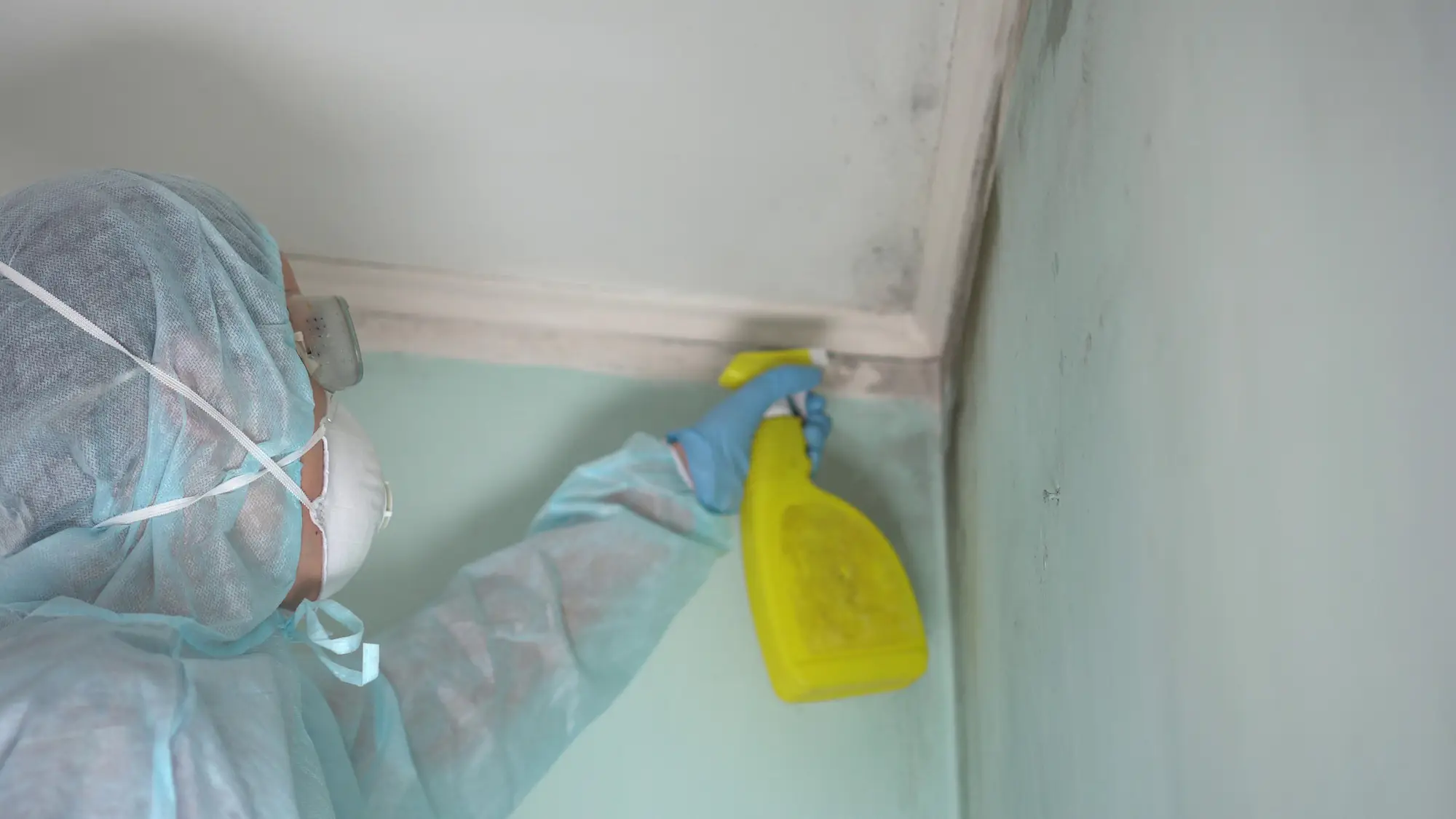
Ready to get started?
When you call us, you get a full inspection with professional-grade equipment. We’re looking at humidity levels, checking your HVAC system, examining your grading and drainage outside. Mold is a symptom. Water is the disease.
You get certified technicians who follow EPA protocols, not some crew that watched YouTube videos. You get proper containment so your kids aren’t breathing spores while we work. You get antimicrobial treatments that actually prevent regrowth, not just bleach that makes things look clean for a week.
Saint Leonard’s climate means your house needs specific solutions. Basements here need proper drainage and dehumidification. Crawl spaces need encapsulation, not just a fan. Attics need ventilation that accounts for our humid summers. We’ve handled enough homes in this area to know what works and what’s a waste of your money.
You also get help with insurance claims if your mold resulted from a covered water event. We document everything, take photos, write detailed reports. Most homeowners don’t know what their policy covers until they ask the right questions.

Mold spores start germinating within 24 to 48 hours after materials get wet. That’s not “visible mold in two days,” but it’s the beginning of colonization. By day three or four, you’ll often see the fuzzy growth starting.
This timeline is why water damage needs immediate attention. If your basement floods on Saturday and you wait until Monday to start drying it out, you’re already behind. The drywall, insulation, carpet pad—anything porous that stayed wet—is now growing mold.
In Saint Leonard’s humid climate, this happens even faster during summer. When outdoor humidity is 70% and your AC can’t keep up, wet materials never fully dry on their own. The mold gets a head start and spreads faster than it would in a drier climate.
Mold removal is what it sounds like—scrubbing or cutting out visible mold. Remediation is the complete process: finding all the mold, containing it, removing it, treating the area, and fixing the moisture problem so it doesn’t return.
Anyone can remove mold you can see. Spray some bleach, wipe it down, done. But if you don’t address the leak, the humidity issue, the ventilation problem—whatever caused the mold—you’re just creating a cleaner surface for new mold to grow on.
Professional remediation means we’re testing moisture levels, checking behind walls, examining your whole house’s relationship with water. We’re fixing the reason mold grew there in the first place. That’s why our work comes with a 5-year warranty and DIY jobs come with mold growing back in six months.
Black mold—usually Stachybotrys chartarum—gets the most attention because it can produce mycotoxins that cause serious health effects. But here’s what matters more: you can’t identify mold species by color alone, and all mold growing indoors is a problem.
“Black mold” can be dark green, gray, or black. Regular mold can look black when it’s wet. The only way to know what species you’re dealing with is lab testing. And honestly, for remediation purposes, it doesn’t matter much. All indoor mold needs to be removed using the same careful protocols.
What does matter is how much mold you have and how long you’ve been exposed. A small patch of any mold species in your bathroom grout is annoying. Extensive growth behind your bedroom walls that you’ve been breathing for months—that’s when people develop chronic respiratory problems, regardless of whether it’s the “toxic” black mold or just regular Aspergillus.
It depends on what caused the mold. If a covered event caused water damage—like a burst pipe, roof leak from storm damage, or appliance malfunction—and you addressed it promptly, insurance often covers the resulting mold remediation.
What insurance typically won’t cover is mold from long-term neglect, maintenance issues, or flooding. If your bathroom has been leaking for two years and you ignored it, that’s a maintenance problem. If your basement flooded from groundwater, that’s typically excluded unless you have separate flood insurance.
The key is documentation and timing. When you discover water damage, you need to act fast and document everything. Take photos, keep receipts, get professional assessments. We help homeowners navigate this process regularly because insurance companies will look for reasons to deny claims. Having a certified mold remediation company document the extent of damage and the source of moisture makes a huge difference in whether your claim gets approved.
A typical residential mold remediation takes three to five days, but it varies based on how extensive the growth is and what caused it. A small bathroom mold problem might be done in two days. A finished basement with mold throughout the walls and floor could take two weeks.
Day one is usually inspection and containment setup. We’re identifying all affected areas, setting up barriers, establishing negative air pressure. Days two through four are removal, treatment, and beginning the drying process. The final days are verification that moisture levels are back to normal and reconstruction if we had to remove drywall or other materials.
The drying phase is what takes longest and what you can’t rush. Your home needs to reach 30-50% humidity and stay there. In Saint Leonard’s climate, that sometimes means running commercial dehumidifiers for several days, especially in basements or crawl spaces. Cutting this short to “finish faster” just means the mold comes back because materials are still damp.
If it’s truly small—less than 10 square feet, on a non-porous surface, and you know exactly what caused the moisture—you can handle it yourself with proper protection. Wear an N95 mask, gloves, and eye protection. Clean it with detergent and water, dry the area completely, and fix the moisture source.
But most mold problems are bigger than they look. What you see on the surface of drywall is usually just the visible portion of growth that extends into the wall cavity. That small patch in your basement corner might connect to extensive growth behind the wall that you can’t see. Disturbing it without proper containment just spreads spores throughout your house.
The other issue is safety. Mold remediation requires containing the area, using HEPA filtration, wearing respirators, and properly disposing of contaminated materials. If you have health issues, young kids, or elderly family members in the house, DIY mold removal puts them at risk. Professional mold removal specialists have the equipment and training to do this safely. For anything larger than a small bathroom tile situation, or if mold keeps returning, call someone who knows what they’re doing.
Other Services we provide in Saint Leonard