
Hear from Our Customers
You’re not just getting rid of visible mold. You’re getting rid of what caused it in the first place.
That means no more musty smell in the basement. No more worrying about what’s growing behind the walls. No more wondering if the air your kids are breathing is making them cough at night.
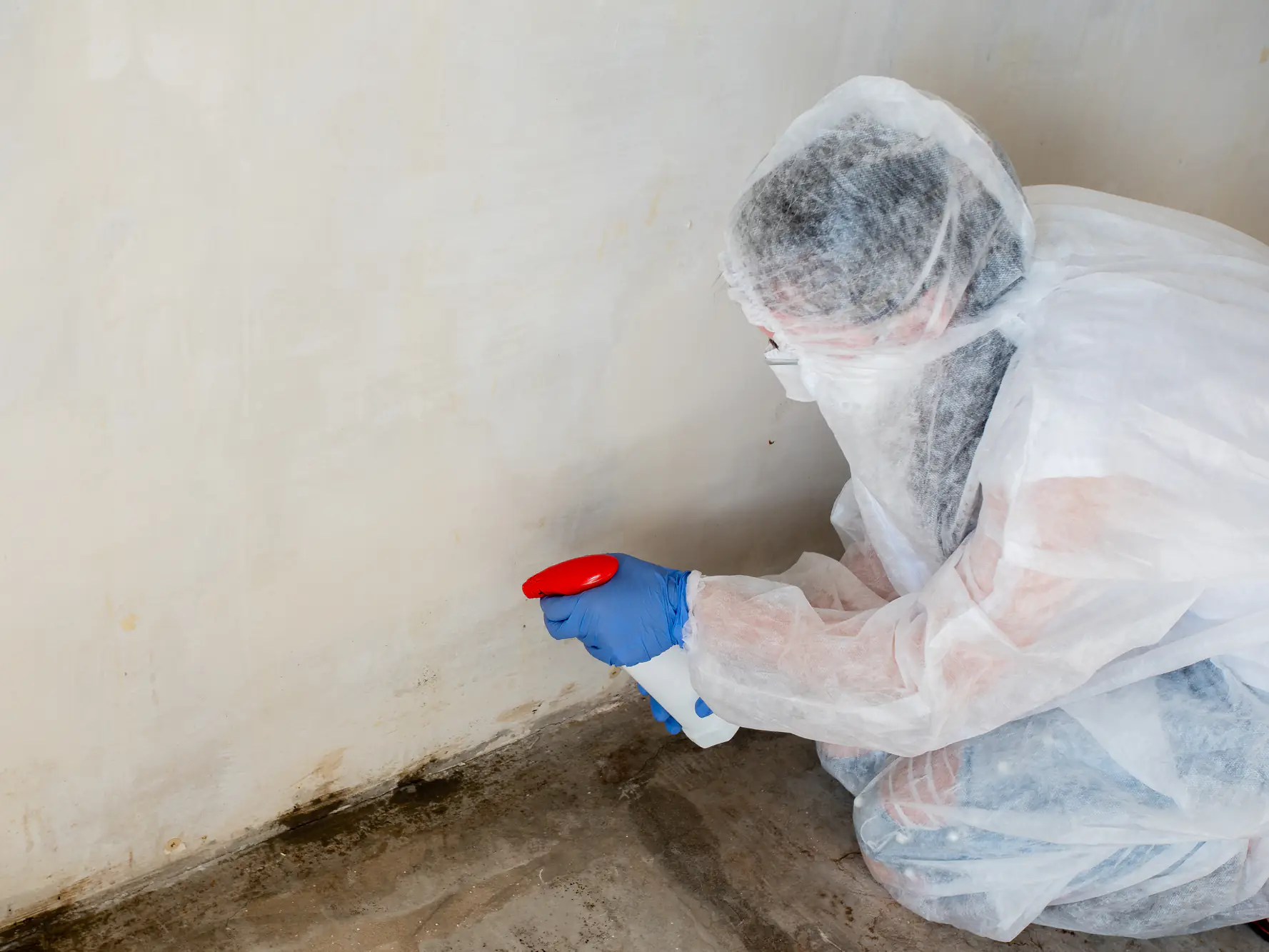
The difference between surface cleaning and actual mold remediation is whether the problem comes back. We use EPA-approved methods and equipment designed to capture microscopic spores, not just wipe down what you can see. Then we identify the moisture issue, whether it’s a hidden leak, poor ventilation, or humidity from Ruppeltown’s summer climate, and we address it so the environment that allowed mold to grow doesn’t exist anymore.
You get documentation for your records or insurance claim. You get a home that feels cleaner. And you get to stop thinking about mold.
We’ve been handling mold problems across Bucks County for years. We’re not a national franchise following a script. We know what happens to homes in this area when summer humidity sits heavy and attics trap moisture.
We know the older homes in Ruppeltown. We know the basements that flood. We know the HVAC systems that create condensation problems when they’re running all July.
That local knowledge matters because mold isn’t a one-size-fits-all problem. What works in Arizona doesn’t always work here. We’re certified, we follow Pennsylvania regulations, and we use the same advanced detection tools, HEPA filtration, and containment methods that any top mold removal specialist would use. But we also understand the specific conditions that create mold growth in your area, and that’s what makes the difference between a temporary fix and a lasting solution.
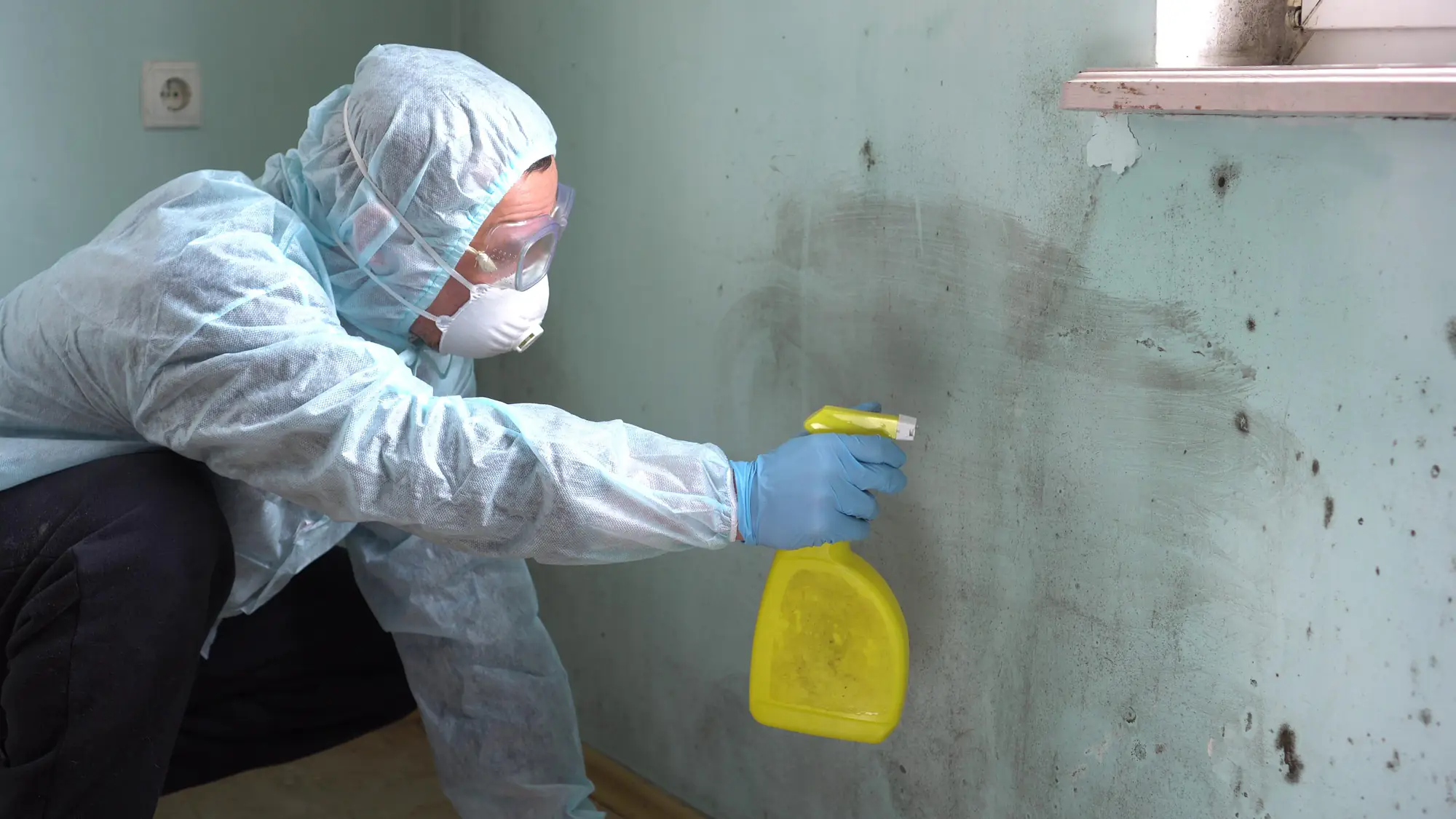
First, we come out and do a free inspection. We’re looking at the visible mold, but we’re also using moisture meters and infrared cameras to find what you can’t see. Mold behind drywall, under flooring, in crawl spaces. We need to know the full scope before we can give you an accurate estimate.
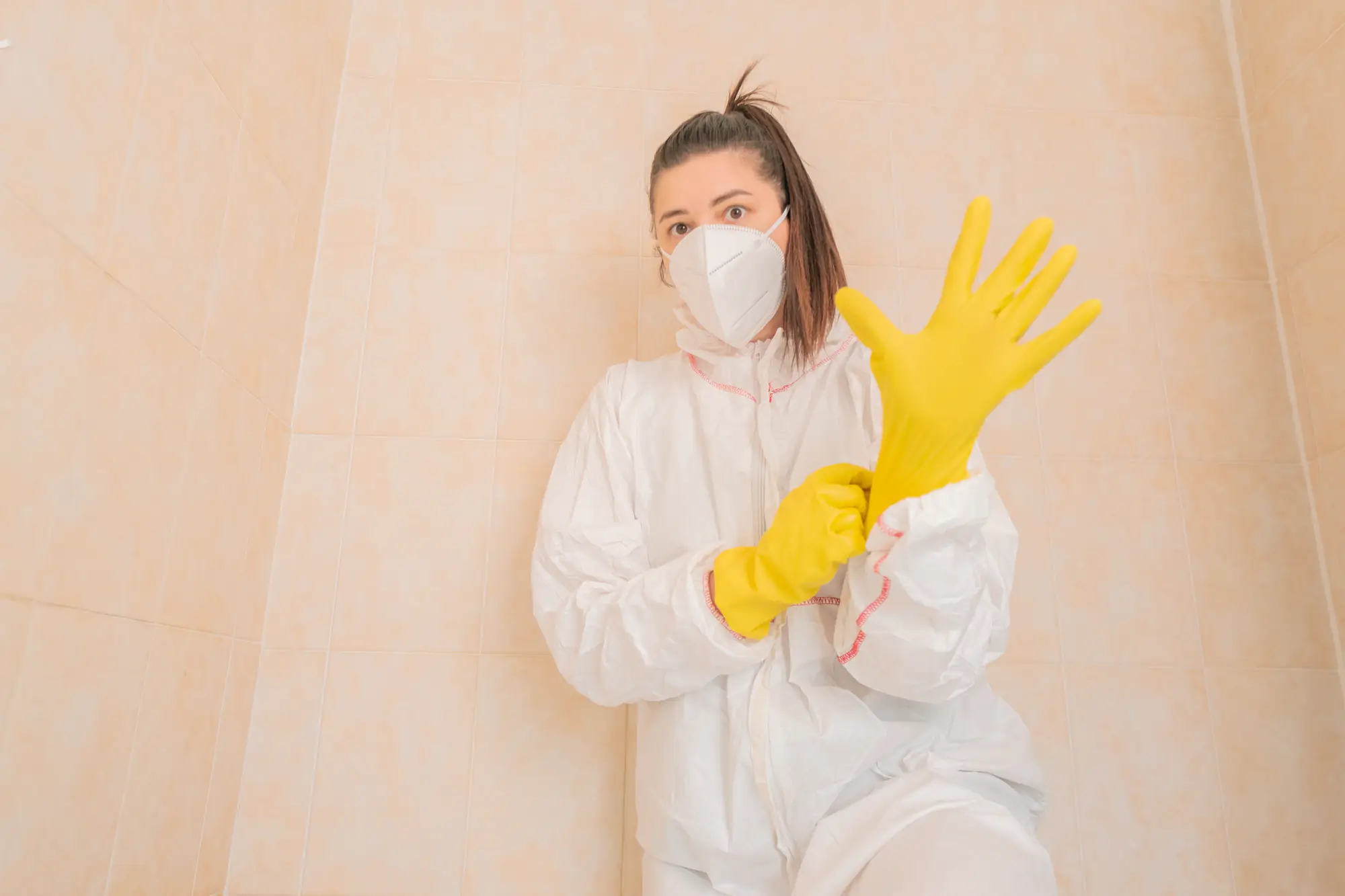
Once you approve the plan, we set up containment. That means sealing off the affected area so mold spores don’t spread to clean parts of your home during removal. We use negative air pressure and HEPA air scrubbers to keep everything controlled.
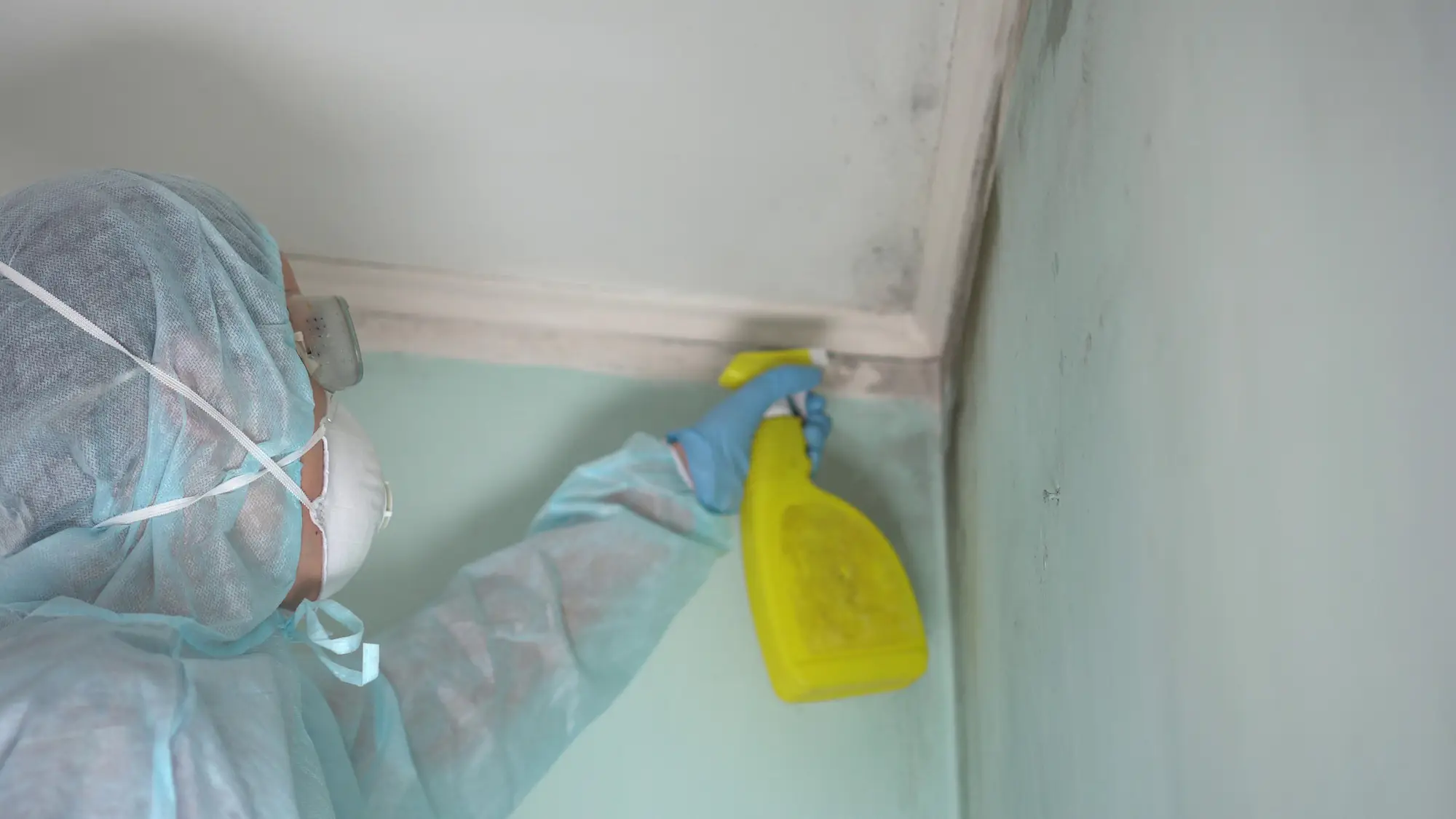
Then we remove the contaminated materials. Sometimes that’s drywall, insulation, or flooring that’s too far gone to save. We bag it, remove it, and dispose of it properly. For surfaces we can save, we treat and disinfect them using antimicrobial solutions.
After the mold is gone, we fix the moisture problem. Maybe that’s repairing a roof leak, installing a dehumidifier, or improving ventilation. This step is why the mold doesn’t come back. Finally, we handle any reconstruction needed to put your home back together, whether that’s new drywall, paint, or flooring. You’re not coordinating with three different contractors. We take it from start to finish.
Ready to get started?
You get a thorough inspection with advanced detection equipment, not just a visual walkthrough. That includes moisture mapping and identifying the exact source of your mold problem, whether it’s a plumbing leak, foundation issue, or ventilation failure.
You get full containment and removal using HEPA vacuums, air scrubbers, and proper disposal methods that meet EPA standards. We’re not just cleaning mold off. We’re removing contaminated materials and treating surfaces to eliminate spores at a microscopic level.
You get the moisture fix. This is the part that separates black mold experts from someone with a spray bottle. We repair leaks, improve airflow, install dehumidifiers, or recommend structural changes that actually prevent regrowth. In Ruppeltown, that often means dealing with basement moisture or attic condensation issues common to this area’s climate.
You also get help with insurance documentation if your policy covers mold damage. We photograph everything, provide detailed reports, and work with adjusters regularly. And if reconstruction is needed after removal, we handle that too so you’re not managing multiple contractors. You get one team, one timeline, and a home that’s actually fixed.

Mold removal costs vary based on the size of the affected area, the type of mold, and what’s causing it. A small bathroom mold issue might cost a few hundred dollars. A full basement remediation with structural repairs can run several thousand.
The honest answer is we can’t give you a number without seeing your specific situation. That’s why we do free inspections. We need to know if it’s surface mold on drywall or if it’s traveled into insulation, framing, and HVAC ducts.
What drives cost up is the extent of contamination and the source repair. If we’re just treating visible mold in one room, that’s straightforward. If we’re removing insulation from your attic, repairing roof leaks, and replacing drywall in multiple rooms, that’s a bigger project. Most homeowners insurance policies cover mold if it’s related to a covered event like a burst pipe. We’ll help you document everything and work with your insurance company to reduce your out-of-pocket costs.
A typical mold remediation job takes anywhere from one to five days depending on the size and severity. Small, contained areas like a bathroom or closet can often be handled in a day or two. Larger projects involving multiple rooms, crawl spaces, or attics take longer.
The timeline also depends on drying time. After we remove mold and fix the moisture source, affected areas need to dry completely before we can rebuild. If your basement flooded and we’re treating walls and flooring, we’re not closing things up until moisture levels are back to normal. Rushing that step just invites mold to return.
We’ll give you a realistic timeline during the inspection. If you’re dealing with an emergency situation, like a sewage backup or major water damage, we’re available 24/7 and can start containment immediately. The goal is always to work as quickly as possible without cutting corners that would compromise the quality of the remediation. You want it done right more than you want it done fast.
If it’s a very small area, less than 10 square feet, and it’s not black mold, you can try cleaning it yourself with the right precautions. But most mold problems people discover are bigger than they look, and DIY removal often makes things worse.
Here’s why: mold you see on a wall is usually just the surface. The real growth is often inside the wall cavity, in insulation, or spreading through porous materials you can’t reach with a spray bottle. Scrubbing visible mold releases thousands of spores into the air, and without proper containment and filtration, you’re just spreading contamination to other parts of your home.
Black mold and toxic mold varieties are particularly risky to handle without the right equipment and training. Exposure can cause serious respiratory issues, especially for kids or anyone with asthma or allergies. We use containment barriers, negative air pressure, and HEPA filtration to prevent cross-contamination. We also have the tools to find hidden mold and the experience to identify and fix the moisture source. If you don’t fix what caused the mold, it’ll be back in a few weeks no matter how much you scrub.
Mold grows wherever there’s moisture and organic material. In Ruppeltown and the surrounding Bucks County area, the most common causes are basement moisture, roof leaks, plumbing failures, and poor ventilation in humid summer months.
Basements are a big one. Older homes in this area weren’t always built with proper waterproofing, and groundwater seepage or foundation cracks let moisture in. Add in a finished basement with drywall and carpet, and you’ve created the perfect environment for mold. Attics are another problem area. When your AC is running in July and your attic isn’t properly ventilated, condensation builds up and mold takes hold in insulation and roof sheathing.
Plumbing leaks are sneaky. A slow drip under a sink or behind a washing machine can go unnoticed for months while mold spreads inside walls. HVAC systems also create moisture through condensation, and if drain lines clog or drip pans overflow, that water ends up somewhere it shouldn’t. The key is catching moisture problems early and fixing them before mold has time to establish. That’s why regular inspections matter, especially in older homes or after any water damage event.
It depends on what caused the mold. Most homeowners insurance policies cover mold remediation if the mold resulted from a covered peril, like a burst pipe, roof damage from a storm, or sudden appliance failure. They typically won’t cover mold that developed due to long-term neglect, lack of maintenance, or flooding from outside sources.
The key is documentation and timing. If you discover mold after a pipe bursts and you file a claim right away, there’s a good chance it’ll be covered. If mold has been growing for months or years because of a slow leak you didn’t fix, the insurance company will likely deny the claim.
We work with insurance companies regularly and know what documentation they need. We’ll photograph the damage, provide detailed moisture readings, outline the scope of work, and communicate directly with adjusters if needed. That takes some of the hassle off your plate. Every policy is different, so it’s worth reviewing your coverage and asking your agent specific questions about mold. But don’t let insurance uncertainty stop you from addressing the problem. Mold gets worse the longer it sits, and delaying remediation can turn a covered claim into a denied one.
Visible mold is the obvious sign, whether it’s black spots on bathroom walls, fuzzy growth on basement drywall, or discoloration around windows. But you don’t always see mold before it becomes a problem. Sometimes the first sign is smell. That musty, earthy odor that won’t go away usually means mold is growing somewhere even if you can’t see it.
Health symptoms are another clue. If you or your family are experiencing unexplained coughing, sneezing, itchy eyes, or respiratory issues that get better when you leave the house, mold exposure could be the cause. Kids and people with asthma or allergies tend to react faster and more severely.
Water damage history is a red flag. If you’ve had any flooding, roof leaks, plumbing failures, or even high humidity levels, there’s a chance mold started growing in hidden areas. Mold can develop within 24 to 48 hours after water exposure, so even a small leak that got wiped up might have left moisture inside walls or under flooring. If you suspect mold but can’t find it, call us for an inspection. We use moisture meters and infrared cameras to detect hidden growth behind walls, under floors, and in crawl spaces. Catching it early makes remediation faster, cheaper, and less disruptive.
Other Services we provide in Ruppletown