
Hear from Our Customers
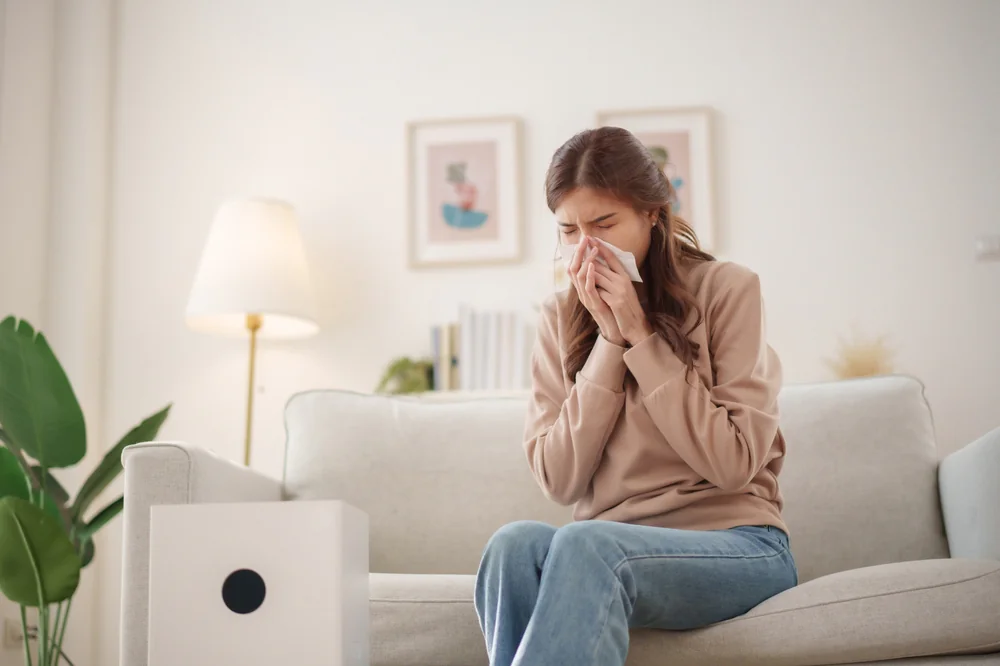
You’ve noticed the symptoms. Persistent cough that won’t quit. Allergies that seem worse indoors than out. Maybe a musty smell you can’t track down, or you’re just tired of wondering if something’s wrong with the air in your own home.
A home air quality test gives you actual data. Not guesses. Not assumptions based on a visual walk-through. You get lab results that tell you exactly what’s in your air—mold spores, allergens, volatile organic compounds, bacteria—and whether those levels are normal or need attention.
This matters more in Ruppletown than you might think. Many homes here were built before 1939. Older construction means different ventilation, different materials, and often, different problems. Add Pennsylvania’s humidity and the fact that 40% of homes in this state test above EPA radon guidelines, and you’re looking at a real need for professional testing.
Once you know what’s there, you can make informed decisions. Not based on fear or sales pressure, but on independent lab analysis that shows you exactly what you’re dealing with.
We’ve been helping Ruppletown families figure out what’s actually happening inside their homes for years. We’re IICRC-certified, and we send every sample to independent, accredited laboratories—not our own testing facility.
Why does that matter? Because we don’t have a financial incentive to tell you there’s a problem when there isn’t one. The lab gives you the results. We explain what they mean and what (if anything) you should do about it.
We understand this area. The historic homes, the humid summers, the basements that never quite dry out. We’ve tested properties throughout Bucks County, and we know what normal looks like here—and what doesn’t. That local context matters when you’re trying to figure out if your air quality is actually a concern or just part of living in an older home in Pennsylvania.
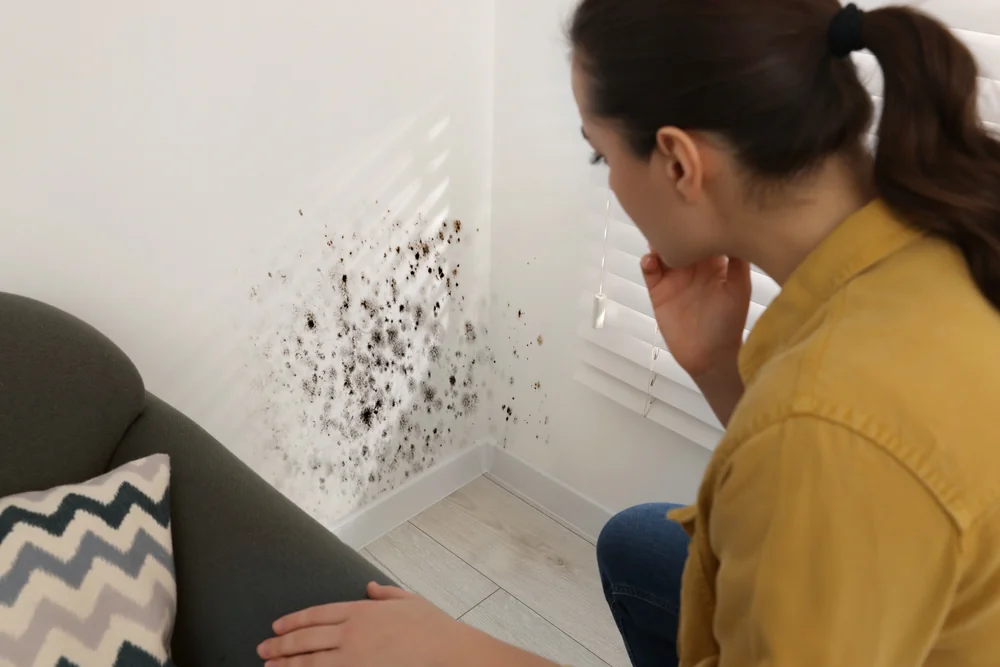
First, we come to your property and do a visual inspection. We’re looking for obvious moisture problems, visible mold, ventilation issues—anything that might explain what you’re experiencing. We also take moisture readings in areas that tend to hold water.
Then we collect air samples. We use calibrated equipment to pull air from different areas of your home, capturing whatever’s floating around in there. If you’ve got specific concerns—a basement that smells off, a bedroom where someone’s always congested—we focus on those spaces. We can also test surfaces if there’s visible growth you want identified.
Those samples go to an independent certified lab. Not a quick field test. Actual laboratory analysis that identifies specific mold species, measures spore counts, and compares your levels to normal outdoor air. You get a full written report, usually within 3-5 business days. If you’re in a time crunch—real estate transaction, insurance claim—we can expedite that to 24-48 hours.
Once results come back, we walk you through them. What the numbers mean. Whether the mold species found are concerning. What your options are if levels are elevated. You’re not obligated to use us for remediation. You just get clear information about what’s in your air and what (if anything) needs to happen next.
Ready to get started?
You get a thorough visual inspection of your property, moisture readings in key areas, and air sampling from the spaces you’re concerned about. We test for mold spores, bacteria, allergens, and other airborne contaminants that affect indoor air quality.
Every sample is analyzed by an accredited independent laboratory. You receive a detailed written report that identifies specific mold species if present, measures concentration levels, and compares your indoor air to outdoor baseline samples. The report also includes health risk information for any species identified and clear guidance on whether remediation is recommended.
This is especially important in Ruppletown because of how many homes here are older. Historic properties often have unique air quality challenges—poor ventilation, older HVAC systems, basements that were never designed to be living spaces. Pennsylvania’s climate doesn’t help. Humid summers create perfect conditions for mold growth, and our state has one of the worst radon problems in the country.
Residential air quality testing gives you documentation you can use. For insurance claims after water damage. For real estate transactions if you’re buying or selling. For your own peace of mind if you’ve been dealing with unexplained health symptoms. The results are yours, interpreted by someone who understands what they mean in the context of homes like yours in areas like this.
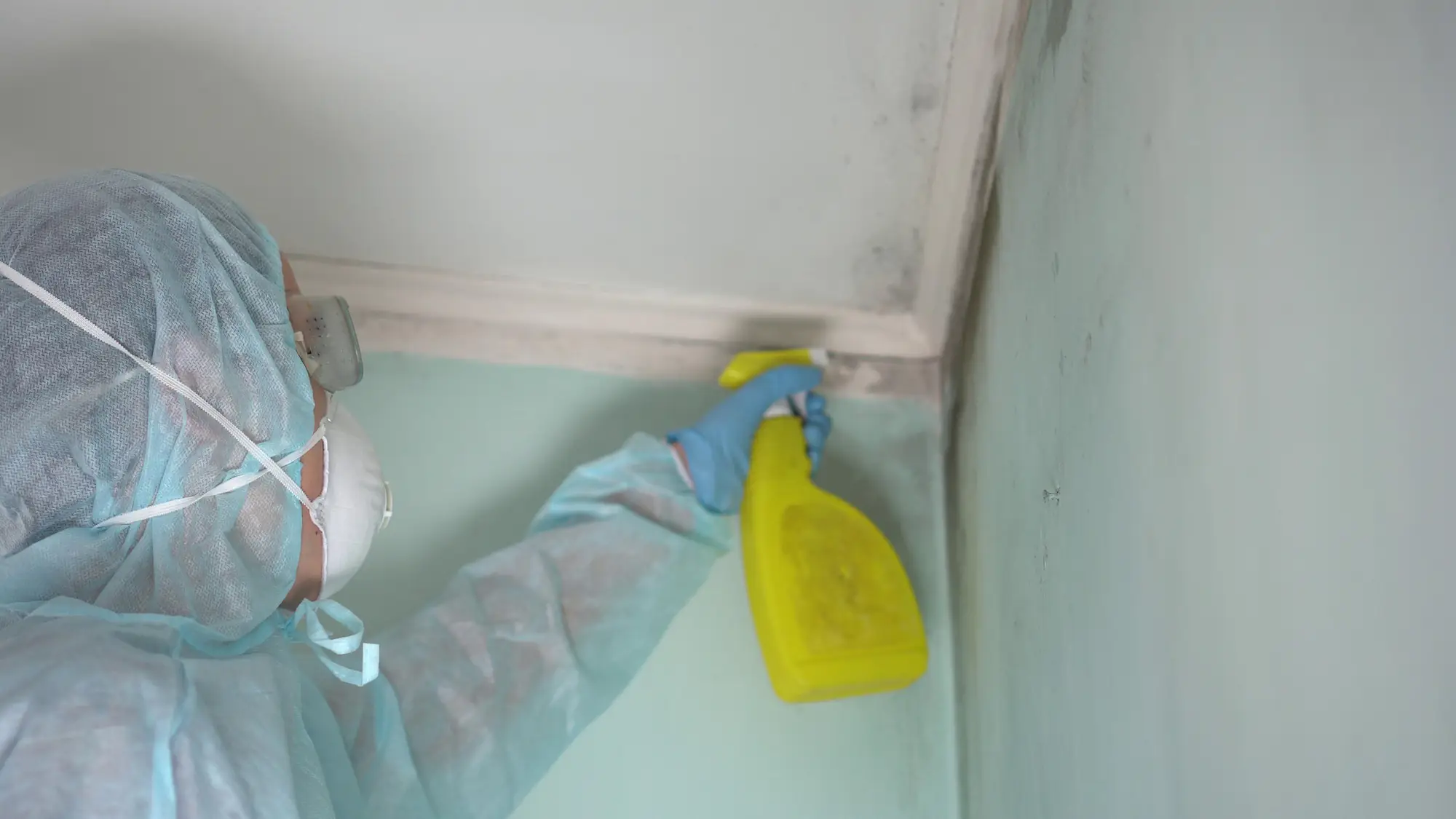
Most residential air quality testing runs between $300 and $600 for a typical home. That includes the visual inspection, moisture readings, air sampling, laboratory analysis, and a full written report with findings and recommendations.
The actual cost depends on how many samples you need and how large your property is. A small home with one area of concern costs less than a larger property where you want multiple rooms tested. If you need expedited lab results—say you’re in the middle of a real estate transaction—that typically adds to the cost.
What you’re paying for is independent laboratory analysis, not a quick field test that gives you a yes/no answer. You get specific mold species identification, spore count measurements, and comparison to outdoor air levels. That level of detail matters when you’re trying to figure out if you actually have a problem or if you’re seeing normal background levels that exist in every home.
DIY kits test one small area and often can’t tell you what species of mold you’re dealing with or whether the levels are actually concerning. They’re cheap, but they don’t give you enough information to make real decisions.
Professional air quality testing captures what’s actually floating in your air across multiple areas of your home. The samples go to certified labs that identify specific mold species, measure concentration levels, and compare your indoor air to outdoor baseline samples. That context matters. Every home has some mold spores—it’s whether your levels are elevated that determines if you need to take action.
Professional testing also includes a visual inspection and moisture readings. We’re looking for the source of any problems, not just confirming that mold exists somewhere in your house. And you get a written report you can use for insurance claims, real estate transactions, or medical documentation if you’re dealing with health symptoms. DIY kits don’t give you that level of detail or credibility.
Standard turnaround is 3-5 business days from when we collect samples to when you receive your full laboratory report. That’s actual analysis time at the independent lab, not us sitting on results.
If you’re in a time-sensitive situation—closing on a house, filing an insurance claim, dealing with a health crisis—we can request expedited processing. That typically gets you results in 24-48 hours, though it does cost more.
Once results come back, we schedule a time to walk you through them. The lab report includes a lot of technical information, and it helps to have someone explain what the numbers mean, whether the species identified are concerning, and what your options are if levels are elevated. You’re not just getting a piece of paper dropped in your email—you’re getting interpretation from someone who understands indoor air quality in homes like yours.
Yes, especially in Pennsylvania. Forty percent of homes in this state test above EPA action guidelines for radon. It’s the second leading cause of lung cancer after tobacco smoke, and it’s completely invisible and odorless. You can’t detect it without testing.
Radon is a separate test from mold and air quality sampling, but it’s worth doing at the same time. Radon testing typically requires leaving a monitor in your home for 48-72 hours to get accurate readings. If levels come back elevated, mitigation is usually straightforward—installing a ventilation system that redirects radon gas away from your living spaces.
The risk is real here. Pennsylvania’s geology creates conditions where radon seeps into homes through foundation cracks, basement floors, and gaps around pipes. Older homes—and Ruppletown has plenty of those—are particularly vulnerable because they weren’t built with radon-resistant construction techniques. Testing is the only way to know if you have a problem, and it’s cheap insurance compared to the health risks of long-term exposure.
If you’re experiencing unexplained health symptoms that get worse indoors—persistent cough, congestion, allergic reactions, fatigue—that’s a clear sign. Same if you smell something musty but can’t find the source, or if you’ve had any water damage, leaks, or flooding in the past.
Testing also makes sense before you buy a home, especially an older one. You want to know what you’re getting into before you sign papers. After any remediation work, testing confirms the job was done right and spore levels are back to normal. That documentation protects you if problems come back.
Pennsylvania’s climate makes regular testing smart even if you don’t have obvious problems. Humid summers create conditions where mold can grow in places you’d never think to check—inside walls, under flooring, in HVAC systems. If your home was built before modern ventilation standards, you’re at higher risk. Testing every few years gives you a baseline and catches problems before they become expensive or dangerous.
First, you get a clear explanation of what was found. The lab report identifies specific mold species, tells you which ones are potentially harmful, and shows you how your levels compare to normal outdoor air. Not all mold is dangerous, and not all elevated levels require major remediation.
If remediation is recommended, you have options. You can hire us, or you can take the report to another company for a second opinion. The test results are yours—independent documentation of what’s in your air. We’ll explain what remediation would involve, what it typically costs, and how long it takes. But you’re not locked into anything.
For insurance claims, you’ll need that documentation anyway. Most insurers won’t cover mold remediation without proof that levels are actually elevated and that the contamination resulted from a covered event like a burst pipe. The lab report gives you that proof. It also gives you leverage to make sure any remediation work is done right, with post-remediation testing to confirm spore levels are back to normal before you pay the final bill.
Other Services we provide in Ruppletown