
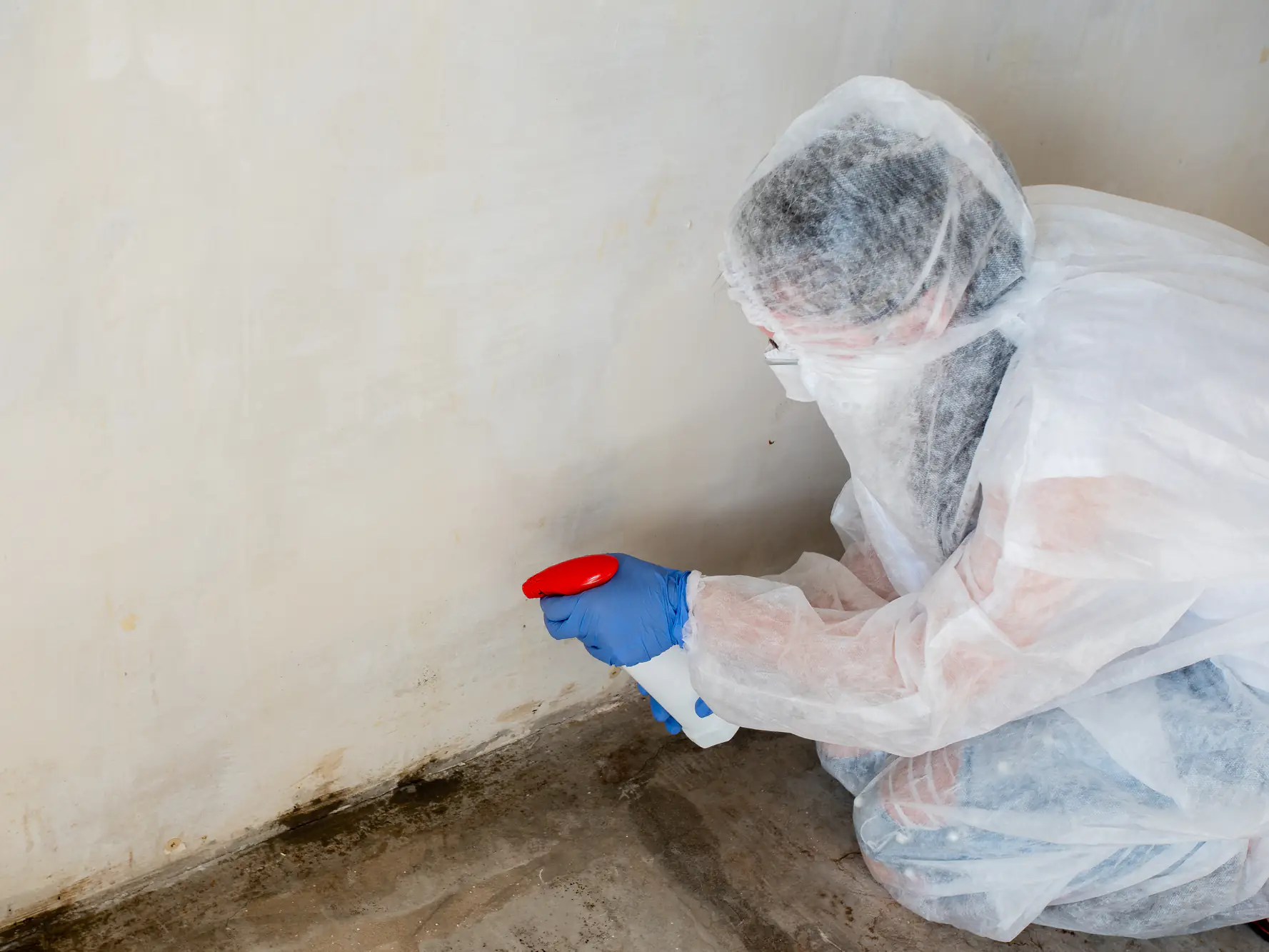
Hear from Our Customers
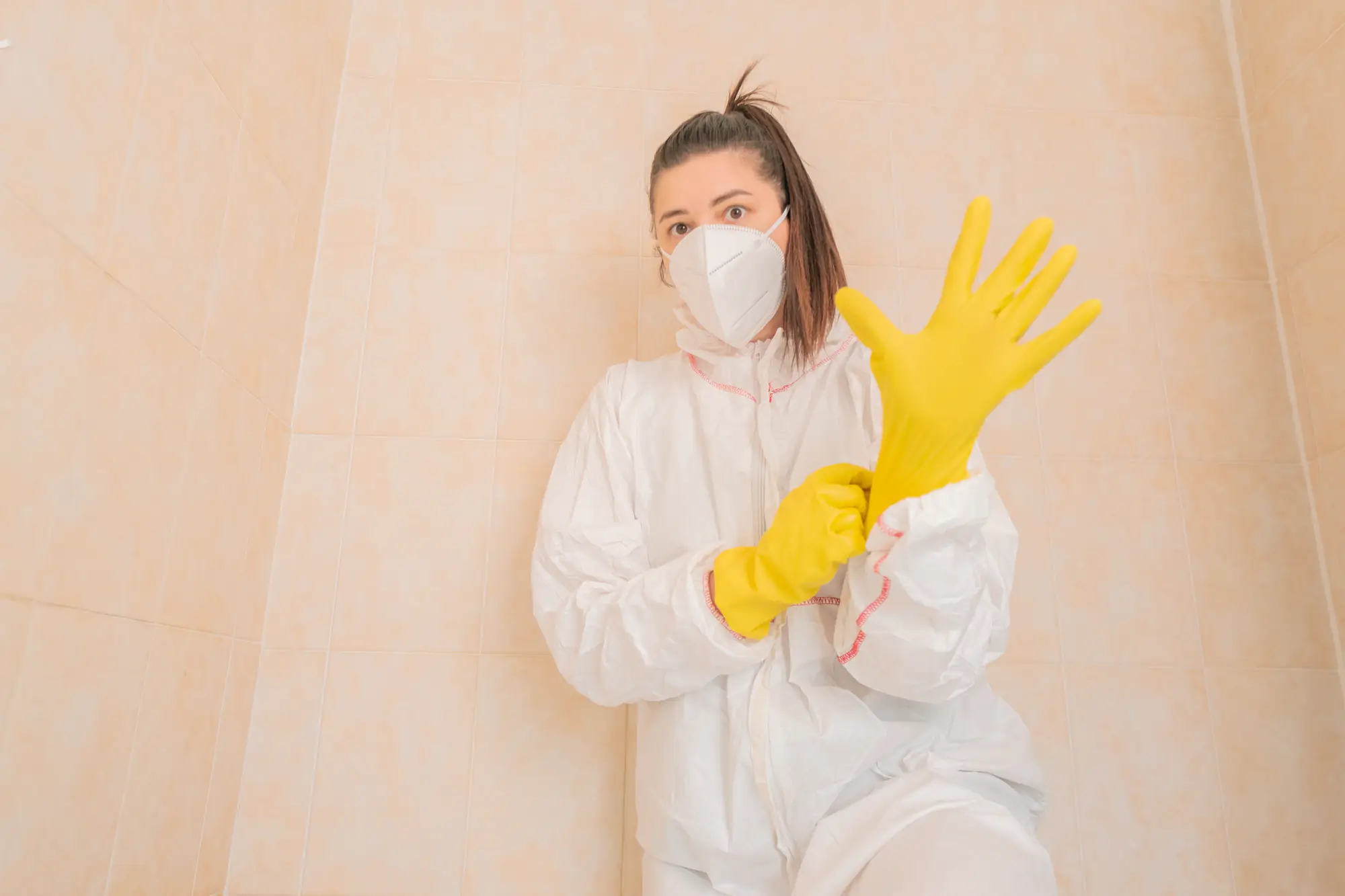
You stop wondering if that musty smell is making your kids sick. You stop worrying about what’s growing behind your basement walls. The headaches ease up, the allergies calm down, and your home feels like yours again.
That’s what proper mold removal does. It doesn’t just clean what you can see—it eliminates what’s hidden, fixes what caused it, and gives you documentation that proves the work was done right.
Yardley’s humidity creates perfect conditions for mold growth, especially during summer months when indoor levels hit 75-80%. If you’ve got a basement, you’ve probably dealt with moisture issues common throughout Bucks County. Most homes here weren’t built with modern moisture barriers, which means water finds its way in through foundation cracks, poor drainage, or simple condensation.
When mold is removed correctly, you’re not just addressing a surface problem. You’re protecting your property value, eliminating health risks, and making sure you’re not paying for the same remediation again in six months because the moisture source was never fixed.
We serve families throughout Bucks County with a straightforward approach: free inspections that give you a genuine assessment, not a sales pitch designed to scare you into expensive services you don’t need.
We’re not a national franchise with a 1-800 number. We’re local mold remediation specialists who understand how Yardley’s climate, soil conditions, and typical home construction create the moisture problems that lead to mold growth. We’ve worked in hundreds of basements, crawl spaces, and attics across Bucks County, and we know what works here.
Our team uses industry-standard equipment and follows proper containment protocols. We document everything, explain what we find, and give you practical recommendations for preventing future issues. Customer satisfaction matters more than upselling services, which is why we’ve built our reputation on transparency and results that last.
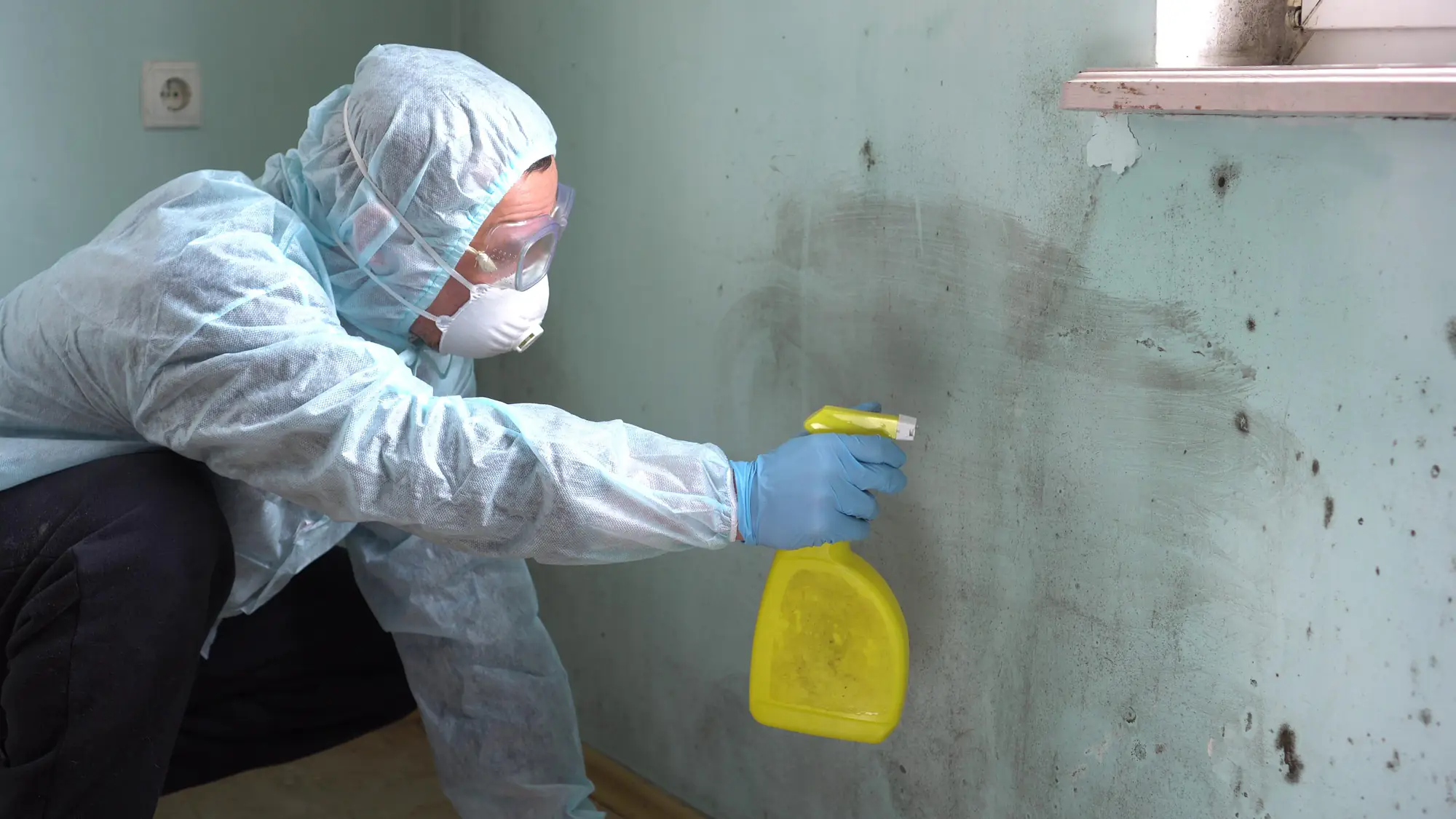
It starts with a free inspection. We come to your home, assess both visible and hidden areas where mold typically grows, and identify the moisture source that’s allowing it to thrive. You get a detailed written estimate with no hidden fees or surprise charges.
Once you approve the work, we set up proper containment to prevent mold spores from spreading to unaffected areas. This isn’t optional—it’s how you avoid contaminating the rest of your home during removal. We use HEPA filtration and negative air pressure to keep everything controlled.
The actual removal process depends on what we find. Sometimes it’s cleaning and treating surfaces. Other times it involves removing drywall, insulation, or other materials that are too compromised to save. We’re not here to do more work than necessary, but we’re also not going to leave mold behind because it’s hidden.
After removal, we address the moisture problem. Maybe it’s improving ventilation, fixing a foundation crack, installing a dehumidifier, or redirecting drainage away from your home. This step is what separates a temporary fix from a lasting solution.
You get documentation of all work completed, air quality verification if needed, and clear guidance on keeping your home mold-free going forward. The goal is to give you confidence that the problem is actually solved.
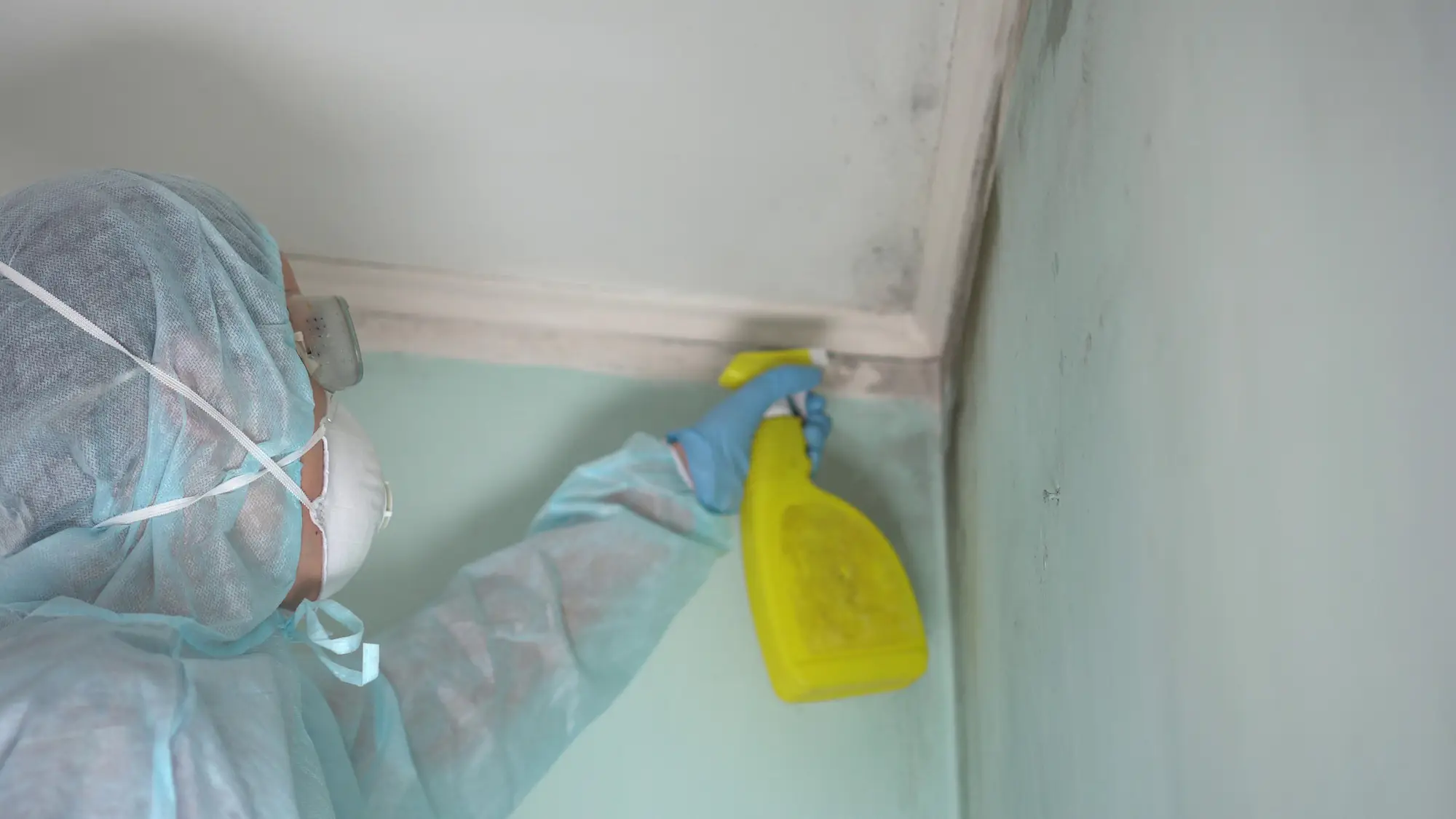
Ready to get started?
Every mold remediation project includes a thorough inspection using moisture meters and thermal imaging to find hidden problem areas. You’d be surprised how often the visible mold is just a small part of the issue. We check behind walls, under flooring, in HVAC systems, and anywhere else moisture accumulates in typical Yardley homes.
Containment and air filtration come standard. We’re not just wiping down surfaces and calling it done. Proper mold removal means controlling the environment, capturing airborne spores, and preventing cross-contamination. This is especially important in homes with family members who have asthma, allergies, or compromised immune systems.
The removal itself addresses both the mold growth and the materials it’s damaged. Sometimes that means treating wood framing with antimicrobial solutions. Other times it means removing sections of drywall that have been saturated for too long. We explain what needs to happen and why, so you understand exactly what you’re getting.
Moisture control solutions are part of every job because they’re what keep mold from coming back. In Bucks County, that often means addressing basement humidity, improving ventilation in bathrooms and attics, or fixing drainage issues around your foundation. These aren’t add-ons—they’re essential to making sure your investment actually protects your home long-term.
You also get documentation that’s useful if you’re selling your home, filing an insurance claim, or just want proof that the work was done correctly. We provide before and after photos, detail what was removed and treated, and give you maintenance recommendations specific to your property.

Mold can start growing within 24 to 48 hours after water exposure, especially in Yardley’s humid climate where summer humidity regularly reaches 75-80% indoors. That’s why timing matters so much after any water event—whether it’s a burst pipe, basement flooding, or even just persistent condensation.
The problem is that mold often starts in places you can’t see. Behind walls, under flooring, inside HVAC ducts. By the time you notice a musty smell or visible growth, it’s usually been developing for weeks or months.
If you’ve had any water issues recently, getting a professional inspection isn’t about overreacting. It’s about catching the problem before it becomes expensive. A small area of mold behind drywall is a manageable fix. An entire basement full of hidden growth that’s been spreading for months is a different story—and a much bigger bill.
Mold removal sounds like you’re getting rid of every single spore, which isn’t realistic or necessary. Mold spores exist everywhere—they’re part of normal outdoor and indoor air. The goal isn’t to create a sterile environment. It’s to reduce mold to normal levels and eliminate the conditions that allow it to grow.
Mold remediation is the correct term because it describes what actually happens: removing mold growth, cleaning or disposing of affected materials, controlling the spread during the process, and fixing the moisture problem that caused it. That’s a complete solution, not just surface cleaning.
Some companies use “mold removal” in their marketing because that’s what people search for, but the actual service should always be remediation. If someone tells you they can remove 100% of mold from your home permanently, they’re either misinformed or being dishonest. What matters is bringing levels back to normal and making sure conditions don’t support regrowth.
It depends on the size and location of the mold problem. For small, contained areas like a bathroom or small section of basement, you can usually stay in your home while we work. We set up containment barriers and use air filtration to keep mold spores from spreading to living areas.
For larger projects—especially if mold has spread through HVAC systems or affected multiple rooms—it’s often better to stay elsewhere during active remediation. Not because the mold itself is immediately dangerous at that point, but because the removal process stirs up spores and dust that you don’t want to breathe unnecessarily.
We’ll tell you honestly what makes sense for your situation. If you’ve got young kids, elderly family members, or anyone with respiratory issues, we usually recommend erring on the side of caution. Most remediation projects take 2-5 days depending on scope, so it’s not a long-term displacement. We give you a clear timeline upfront so you can plan accordingly.
Small projects like a bathroom or closet typically run $500 to $1,500. Larger areas like a full basement can range from $2,000 to $6,000 depending on how much material needs to be removed and what moisture control solutions are required. Extensive whole-home remediation can go higher, but that’s usually only necessary when mold has been growing undetected for a long time.
The wide range exists because every situation is different. A small patch of surface mold on drywall is a quick fix. Hidden mold that’s compromised floor joists, insulation, and HVAC ductwork requires more extensive work. We can’t give you an accurate number without seeing your specific situation, which is why we offer free inspections.
Here’s what affects cost: the size of the affected area, whether materials need to be removed or can be cleaned, how accessible the mold is, what caused the moisture problem, and what’s needed to prevent recurrence. We give you a detailed written estimate that breaks down exactly what you’re paying for. No hidden fees, no surprise charges halfway through the job. And if your homeowner’s insurance covers mold remediation, we can work with them to simplify the claims process.
Not if the moisture problem is fixed. Mold needs water to grow. Remove the moisture source, and mold can’t establish itself again. That’s why legitimate mold remediation always includes identifying and addressing what caused the problem in the first place.
If someone just cleans visible mold without fixing the leak, improving ventilation, or controlling humidity, you’ll be dealing with the same issue within months. That’s not a failure of the cleaning—it’s a failure to address the root cause. In Bucks County, common moisture sources include foundation cracks that let groundwater seep in, poor grading that directs rain toward your home, inadequate bathroom ventilation, and basement humidity that stays above 60% year-round.
We don’t just remove mold and walk away. We give you specific recommendations for keeping your home dry, whether that’s installing a dehumidifier, improving drainage, sealing foundation cracks, or upgrading ventilation. Some of these solutions are part of the remediation project itself. Others are maintenance steps you can handle on your own. Either way, you’ll know exactly what needs to happen to protect your investment and keep your home healthy long-term.
The term “black mold” usually refers to Stachybotrys chartarum, which can produce mycotoxins under certain conditions. But here’s what matters more than the color: any mold growing indoors indicates a moisture problem that needs to be fixed, and any significant mold exposure can cause health issues for some people—especially those with allergies, asthma, or weakened immune systems.
The media has created a lot of fear around “toxic black mold,” and some companies use that fear to oversell services. The reality is that mold affects people differently. Some experience no symptoms at all. Others develop respiratory issues, headaches, skin irritation, or allergy-like symptoms. You can’t determine how dangerous mold is just by looking at it, and you can’t identify specific species without lab testing.
What you can do is address any mold growth promptly and correctly. If you’re experiencing unexplained health symptoms and you’ve got visible mold or musty odors in your home, getting a professional assessment makes sense. We’ll tell you honestly what you’re dealing with, what needs to be done, and what doesn’t. No scare tactics about “deadly toxic mold,” no overselling services you don’t need—just a straightforward evaluation and a plan to fix the problem properly.
Other Services we provide in Yardley