
Hear from Our Customers
You shouldn’t have to wonder what’s growing behind your walls or whether that musty smell means something worse. When mold takes hold in Parkland Heights homes, it doesn’t just sit there—it spreads, affects your air quality, and can trigger health issues for your family.
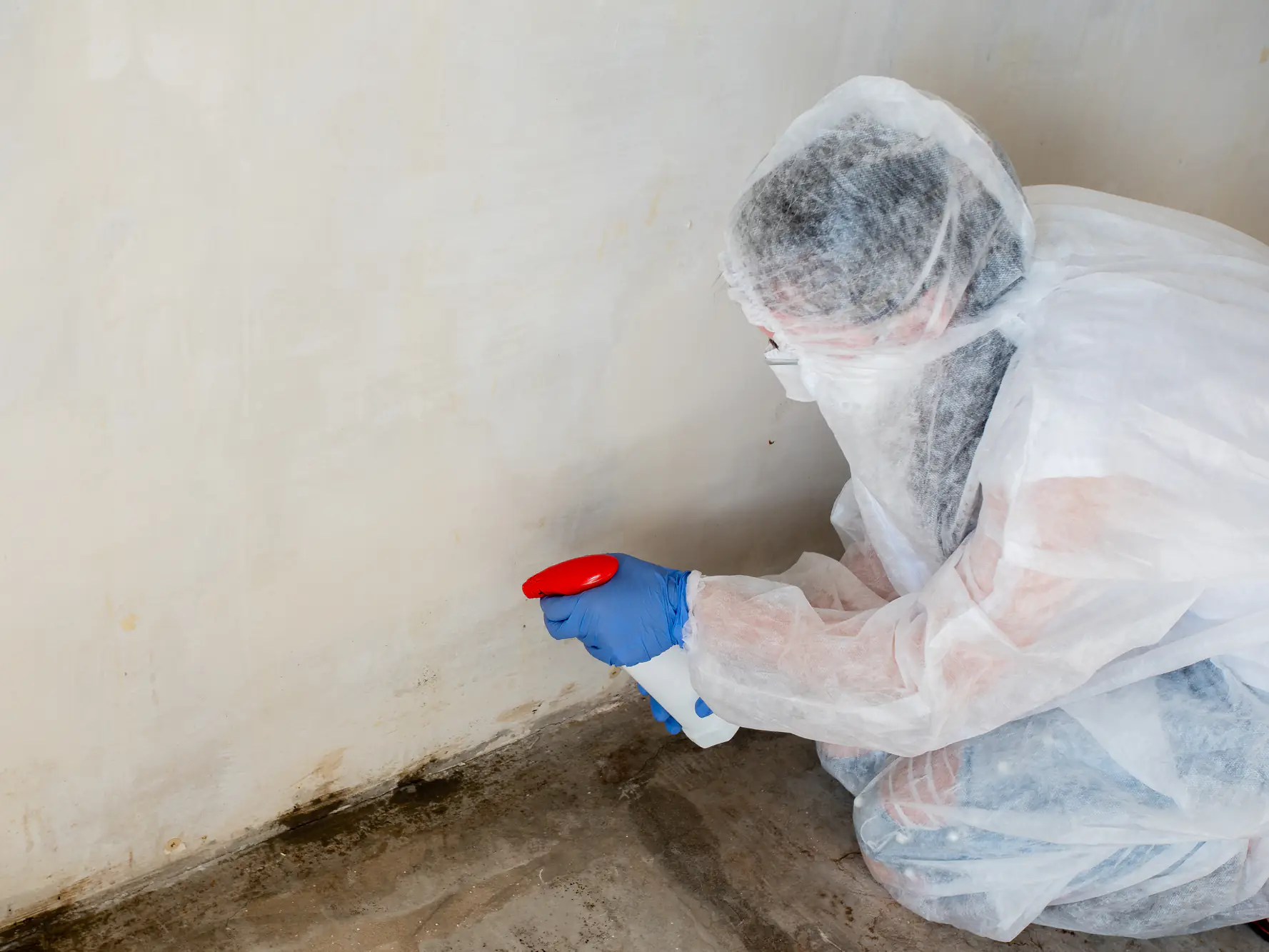
The right mold removal does more than clean surfaces. It finds every trace using thermal imaging and moisture meters, removes it safely using proven techniques, and fixes the underlying moisture problem so it doesn’t come back. That means no more persistent coughing that gets worse at home, no more worrying about what you can’t see, and no more temporary fixes that fail in six months.
After proper remediation, your home feels different. The air is cleaner. You’re not constantly second-guessing whether that spot on the ceiling is getting bigger. Your family’s health improves because you’re not breathing in spores every day. That’s what happens when mold removal experts address the root cause instead of just treating symptoms.
We’ve helped hundreds of Parkland Heights families deal with mold issues that come from living in Bucks County’s climate. Humid summers in the 80s and 90s, damp winters, and older homes built in the 1980s and 1990s without modern moisture control—we know exactly how mold finds its way into basements, attics, and behind bathroom walls here.
Our technicians are IICRC-certified mold remediation specialists who live and work in this community. When you call 215-431-4744, you’re talking to people who understand Parkland Heights homes and genuinely care about keeping local families safe and healthy. We use EPA-approved methods, comply with all Pennsylvania regulations, and provide the kind of transparent service that comes from actually being part of the area we serve.
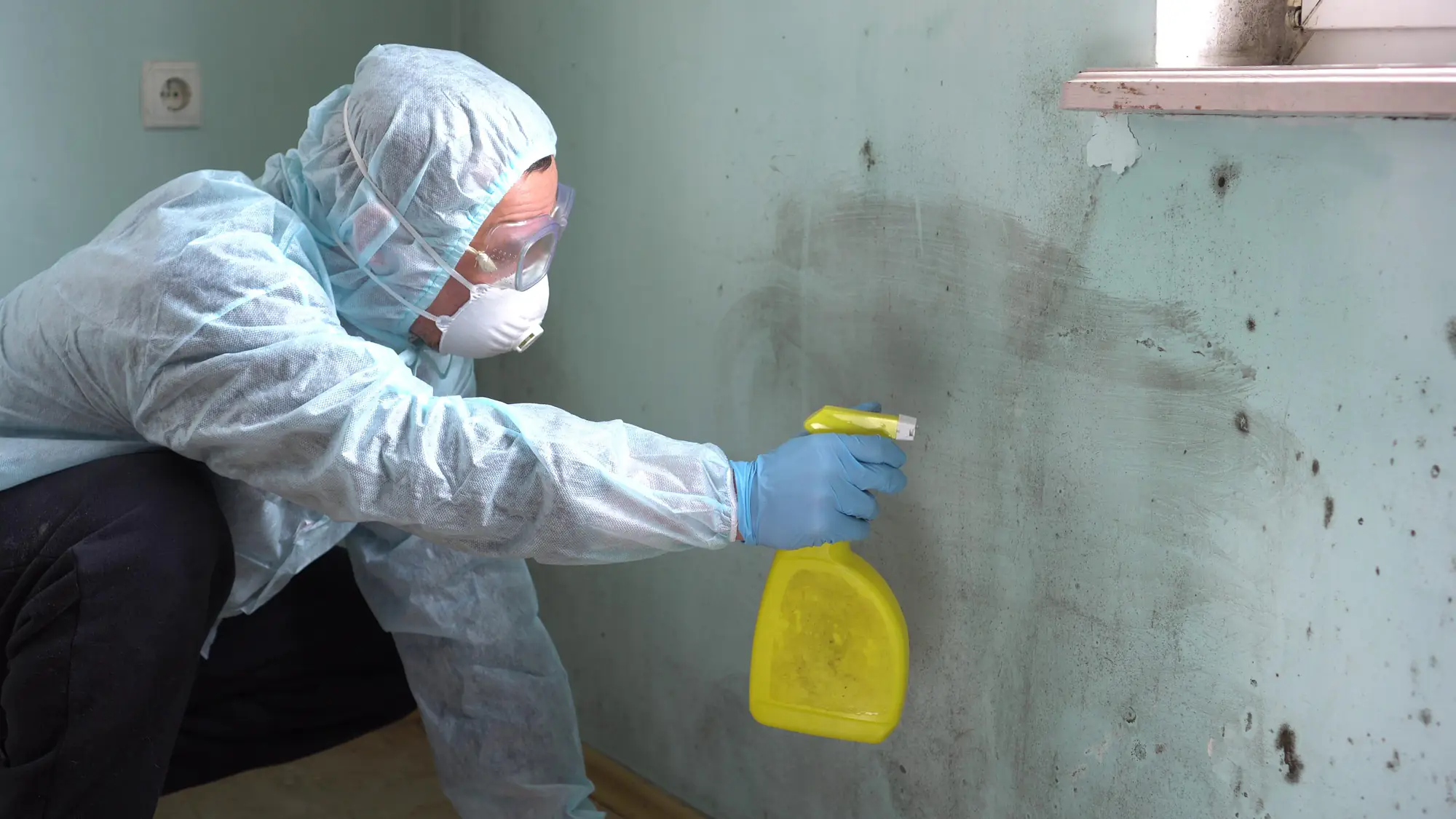
Everything starts with a free professional inspection. We use thermal imaging and moisture meters to find visible mold and hidden growth behind walls, in HVAC systems, and in crawl spaces. You get a clear answer about what’s actually growing in your home and where it’s coming from—no cost, no obligation.
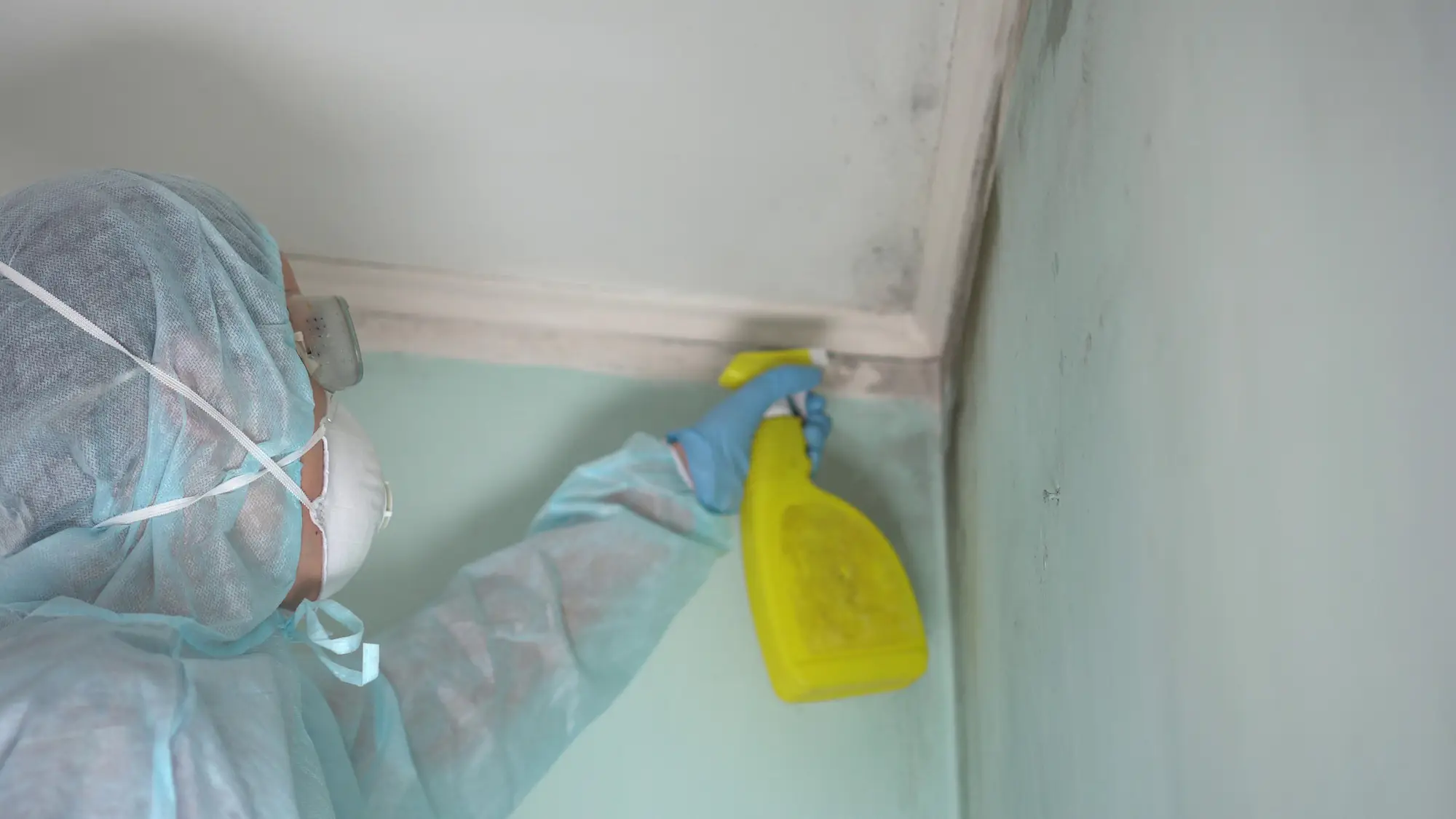
Once we know what we’re dealing with, we contain the affected areas to prevent mold spores from spreading during removal. Then we safely remove all mold using EPA-approved methods and advanced equipment. But here’s what separates real mold remediation from surface cleaning: we identify and fix the moisture source. Whether it’s a leak, poor ventilation, or humidity issues, we address what caused the mold in the first place.
After removal, we restore your property and provide prevention strategies so you’re not dealing with this again next year. Most residential projects take three to five days from start to finish. You’ll know the timeline upfront, along with clear pricing before any work begins.
Ready to get started?
Professional mold testing and inspection means finding every problem area, not just the obvious spots. We check basements where Parkland Heights homes often have moisture issues, attics where poor ventilation traps humidity, bathrooms where steam creates perfect growing conditions, and HVAC systems where mold can spread throughout your house.
Black mold remediation requires specialized handling because certain mold types pose serious health risks. Our certified technicians know how to safely remove toxic mold species and protect your family during the process. If you’re dealing with water damage, we address mold removal and moisture control together—because water damage and mold problems go hand in hand in Bucks County’s climate.
We also work directly with insurance companies to help streamline your claim. Many insurance policies cover mold removal when it’s related to covered water damage events. We provide the detailed documentation, photos, moisture readings, and comprehensive reports that insurance companies require. Even if insurance doesn’t cover the full cost, we offer flexible payment options and financing to make professional mold removal affordable. You shouldn’t have to choose between your family’s health and your budget.

Sometimes the first sign is health symptoms—persistent coughing, sneezing, or headaches that family members experience more at home than elsewhere. You might notice a musty smell that doesn’t go away, visible growth on walls or ceilings, or discoloration around windows and in corners.
But mold often hides. It grows behind walls where old pipes leak slowly, in attics with poor ventilation, and in basements where Parkland Heights homes deal with groundwater issues. If you’ve had any water damage—even a small leak that seemed minor—there’s a good chance mold is growing somewhere you can’t see.
That’s why we offer free inspections. Our thermal imaging and moisture meters find hidden mold that you’d never spot on your own. You get a clear assessment of what you’re dealing with, where it’s growing, and what’s causing it. No pressure, no cost—just honest answers about whether you need professional mold remediation or if it’s something you can handle yourself.
Bleach kills mold on non-porous surfaces like tile, but it doesn’t penetrate porous materials like drywall, wood, or insulation where mold roots actually grow. You’re killing what’s on the surface while the underlying growth continues spreading. Store-bought sprays have the same limitation.
Even worse, DIY removal often makes the problem bigger. Scrubbing or spraying releases thousands of mold spores into the air, spreading them to new areas of your home. Without proper containment, you’re essentially helping the mold colonize new spaces.
The real issue is that surface treatments don’t address why the mold is there in the first place. If you have a moisture problem—whether it’s a leak, condensation, or humidity—mold will keep coming back no matter how much you spray. Professional mold removal means finding the moisture source, fixing it, and then safely removing all mold growth using containment methods that prevent spreading. That’s the only way to actually solve the problem instead of temporarily masking it.
Most residential mold remediation projects in Parkland Heights take three to five days from start to finish. The timeline depends on how extensive the growth is and whether we’re dealing with one room or multiple areas.
Here’s what happens: Day one is usually inspection and containment setup. We seal off affected areas with plastic sheeting and set up negative air pressure to prevent spores from spreading. Then we remove all contaminated materials and clean surfaces using HEPA vacuums and antimicrobial treatments. If we need to remove drywall or insulation, we handle that carefully to minimize disruption.
While we’re working, you can usually stay in your home as long as the mold isn’t in main living areas. We’ll discuss your specific situation during the free inspection. After removal, we address the moisture source—fixing leaks, improving ventilation, or installing dehumidification. Finally, we restore your property and provide prevention strategies. You’ll know the exact timeline and cost before we start, and we’ll keep you updated throughout the process.
Many insurance policies cover mold removal when it’s related to a covered water damage event—like a burst pipe, roof leak, or appliance malfunction. If the mold resulted from sudden, accidental water damage, there’s a good chance your insurance will cover at least part of the remediation.
What insurance typically doesn’t cover is mold from long-term neglect or maintenance issues. If you had a slow leak that you knew about but didn’t fix, or if mold grew because of ongoing humidity problems, insurance may deny the claim.
We work directly with insurance companies and know exactly what they need for claims processing. We provide detailed documentation, photos, moisture readings, and comprehensive reports that present your claim in the best possible way. We’ve successfully helped hundreds of families get their mold remediation covered. Even if insurance doesn’t cover everything, we offer flexible payment options and financing. The key is getting a professional assessment early—waiting makes the problem worse and can complicate insurance coverage.
Bucks County’s climate creates perfect conditions for mold growth. Humid summers with temperatures in the 80s and 90s, combined with damp winters, mean moisture is almost always present. Many Parkland Heights homes were built in the 1980s and 1990s without modern moisture control systems, making them particularly vulnerable.
Basements in this area often deal with groundwater issues and poor ventilation. Attics trap heat and humidity during summer months. Bathrooms and kitchens generate steam that has nowhere to go in older homes with inadequate exhaust systems. All of that moisture gives mold exactly what it needs to thrive.
Spring is especially problematic because dormant mold begins growing again as temperatures warm and spring showers create additional moisture. If your home has any existing moisture issues—even minor ones—spring and summer are when you’ll see mold problems get worse fast. That’s why addressing the root moisture cause is so important here. Surface treatments might work temporarily in drier climates, but in Parkland Heights, mold will keep coming back unless you fix what’s feeding it.
Prevention comes down to controlling moisture, which is exactly what we address during remediation. We don’t just remove mold—we identify why it grew and fix that problem. Whether it’s repairing leaks, improving ventilation, or installing dehumidifiers, we make sure the conditions that allowed mold to thrive are gone.
After we’re done, there are practical steps you can take. Keep humidity levels below 60% using dehumidifiers, especially in basements. Make sure bathrooms and kitchens have working exhaust fans that vent outside, not into attics. Fix any leaks immediately—even small ones that seem minor. Clean gutters regularly so water doesn’t pool near your foundation.
In Parkland Heights, where humidity is high during summer months, running a dehumidifier in your basement isn’t optional—it’s necessary. Check areas prone to moisture regularly, especially after heavy rain. If you spot any signs of water damage or smell that musty odor, address it right away. We provide specific prevention strategies based on your home’s unique issues during the remediation process. The goal is making sure you never have to deal with this again.
Other Services we provide in Parkland Heights