
Hear from Our Customers
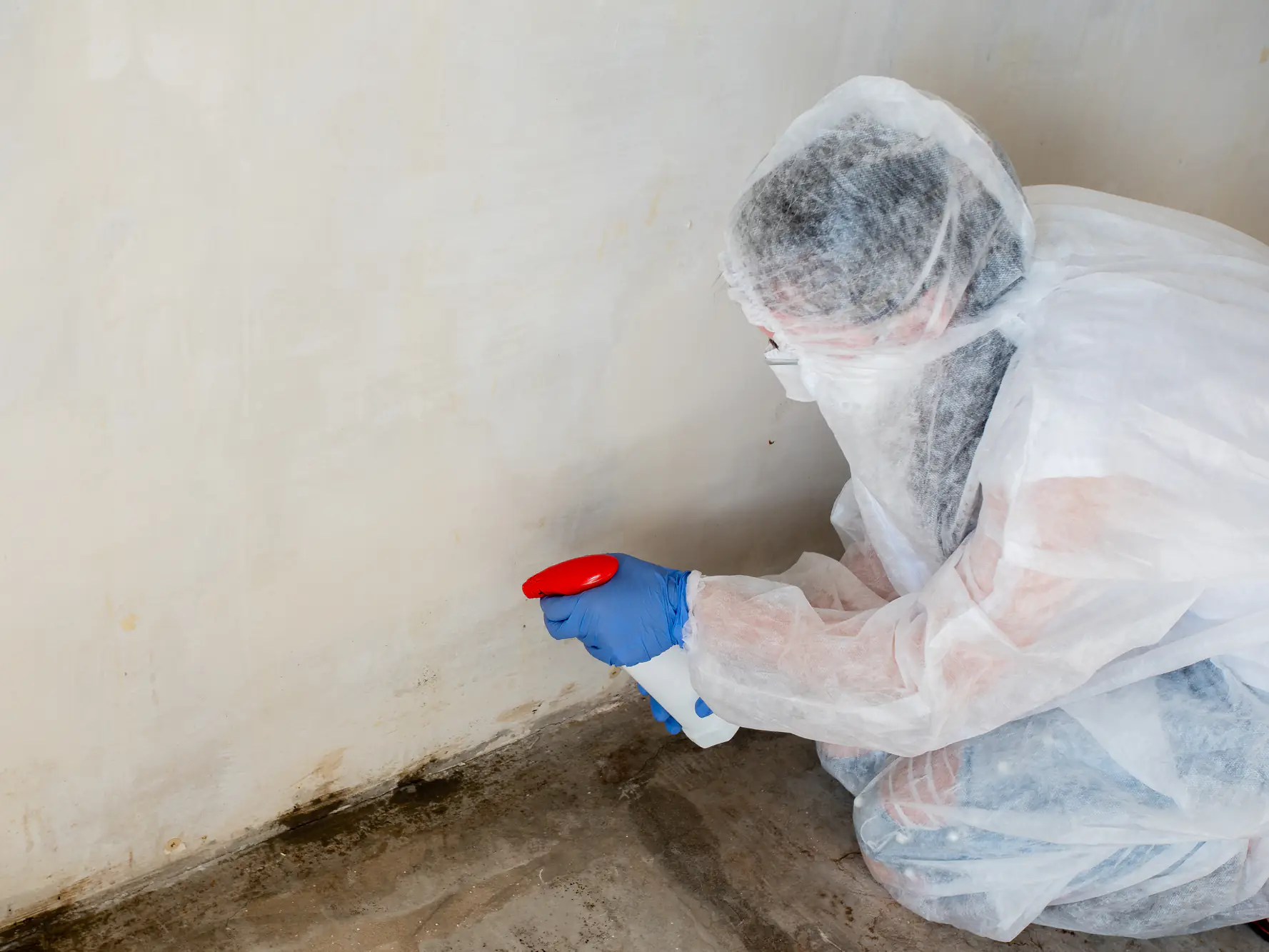
Mold doesn’t just look bad. It triggers asthma, worsens allergies, and puts kids and elderly family members at real risk. Studies show that removing mold from homes reduces asthma symptoms by up to 45%.
When mold is properly removed—not just bleached over—your indoor air quality improves within days. You’ll notice fewer respiratory issues, less coughing at night, and that musty smell finally disappears.
But here’s what matters most: the problem doesn’t come back. Because we don’t just remove what you can see. We find the leak, the humidity issue, or the ventilation problem that caused it. Then we fix that too. That’s the difference between a mold remediation specialist and someone with a spray bottle.
We work exclusively in Bucks County and the surrounding areas because we understand what causes mold here. The humid summers, the older housing stock with plaster walls and brick basements, the poor drainage around older foundations—we’ve seen it all.
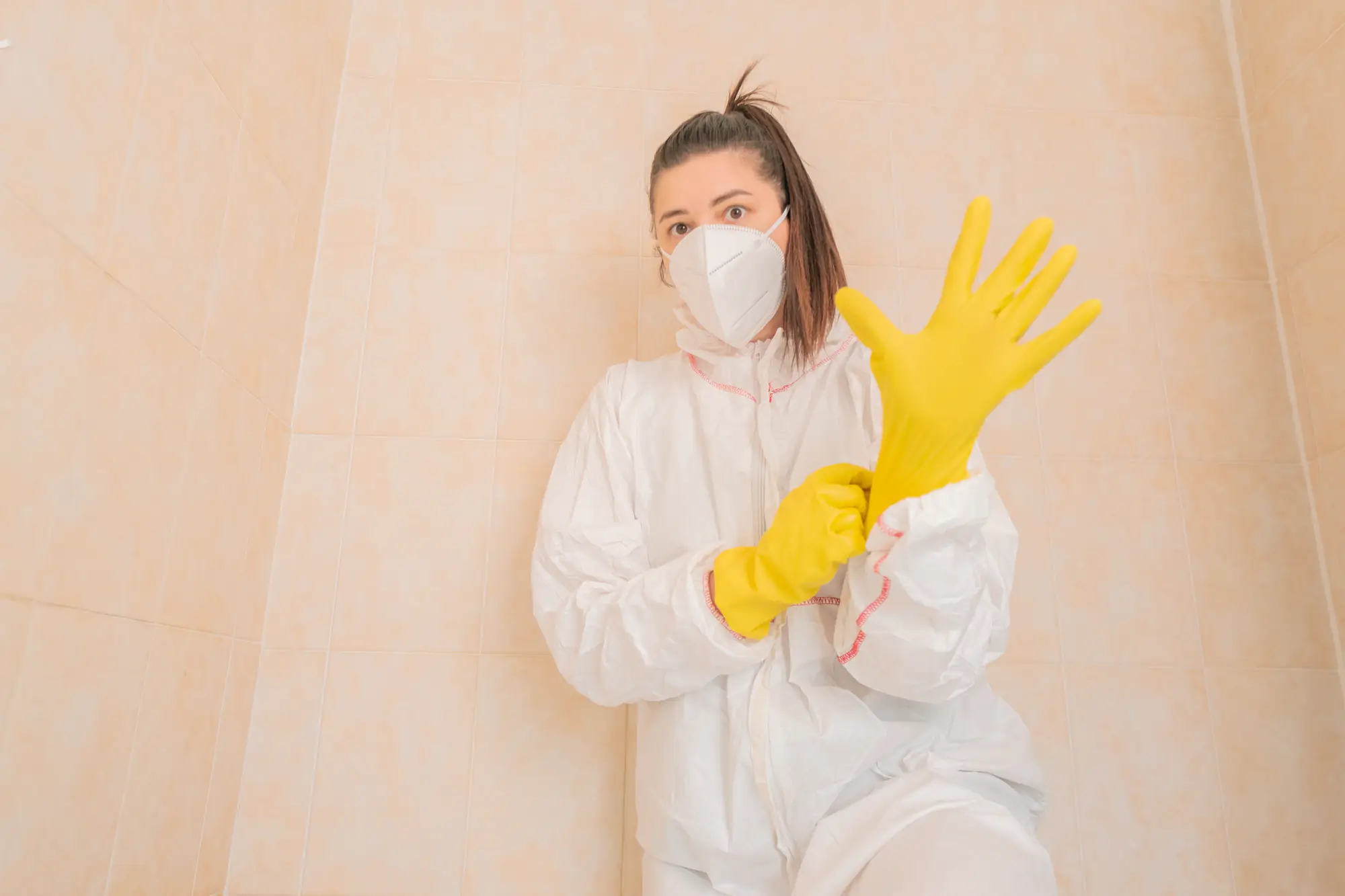
Our team uses EPA-approved methods and follows strict safety protocols. Every inspection is thorough, every remediation is documented, and every job is backed by our commitment to doing it right. We’re not the cheapest option, and that’s intentional. You’re paying for certified professionals who won’t cut corners on your family’s health.
We also work directly with insurance companies to handle claims documentation, so the process is less stressful for you.
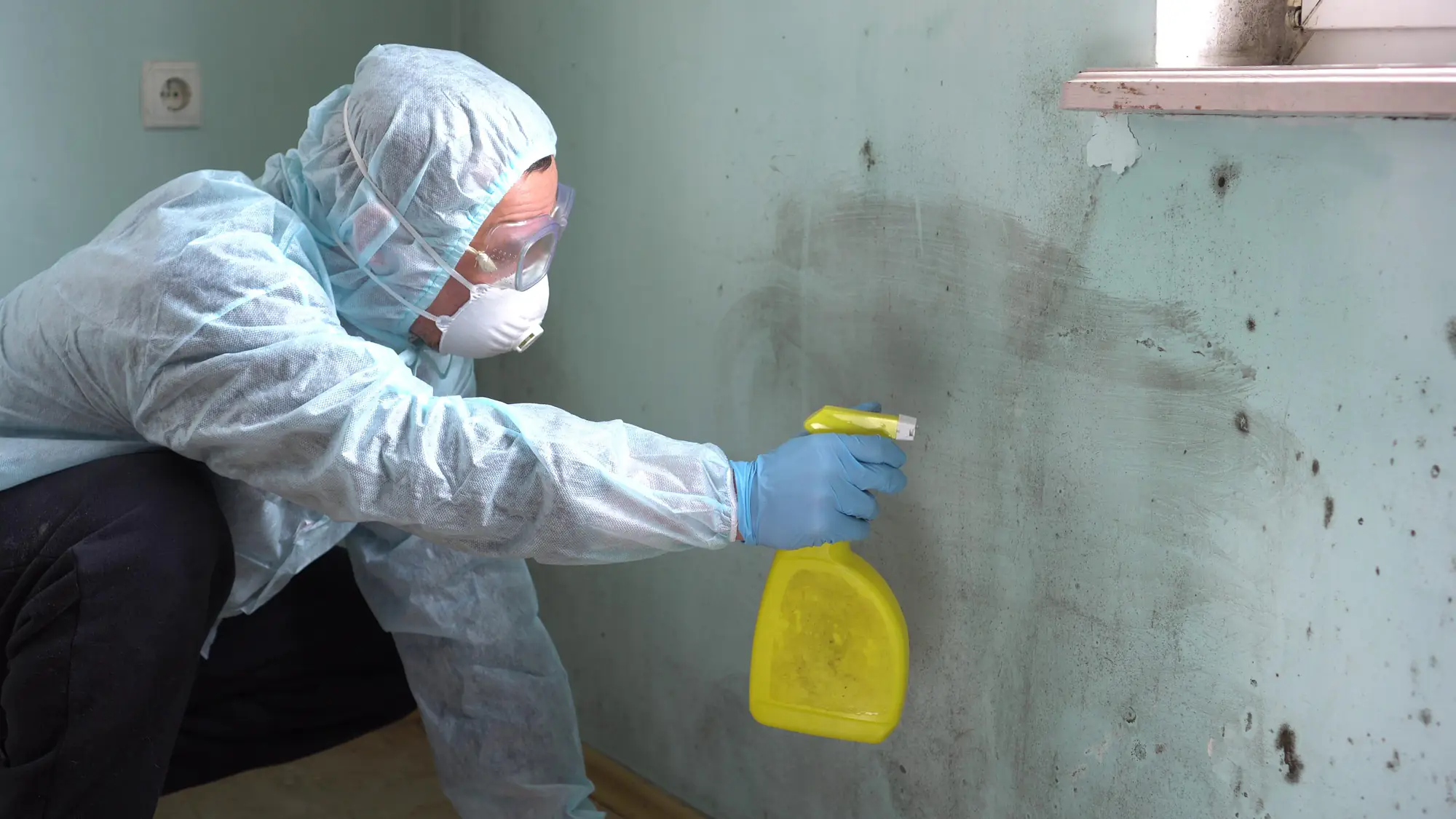
First, we come out for a free inspection. We’re looking at visible mold, but also checking behind walls, under sinks, in crawl spaces, and anywhere moisture hides. We use moisture meters and infrared cameras to find problems you can’t see.
Once we know what we’re dealing with, we give you a detailed estimate. No surprises, no upselling. If your situation qualifies for insurance coverage, we’ll help with that paperwork.
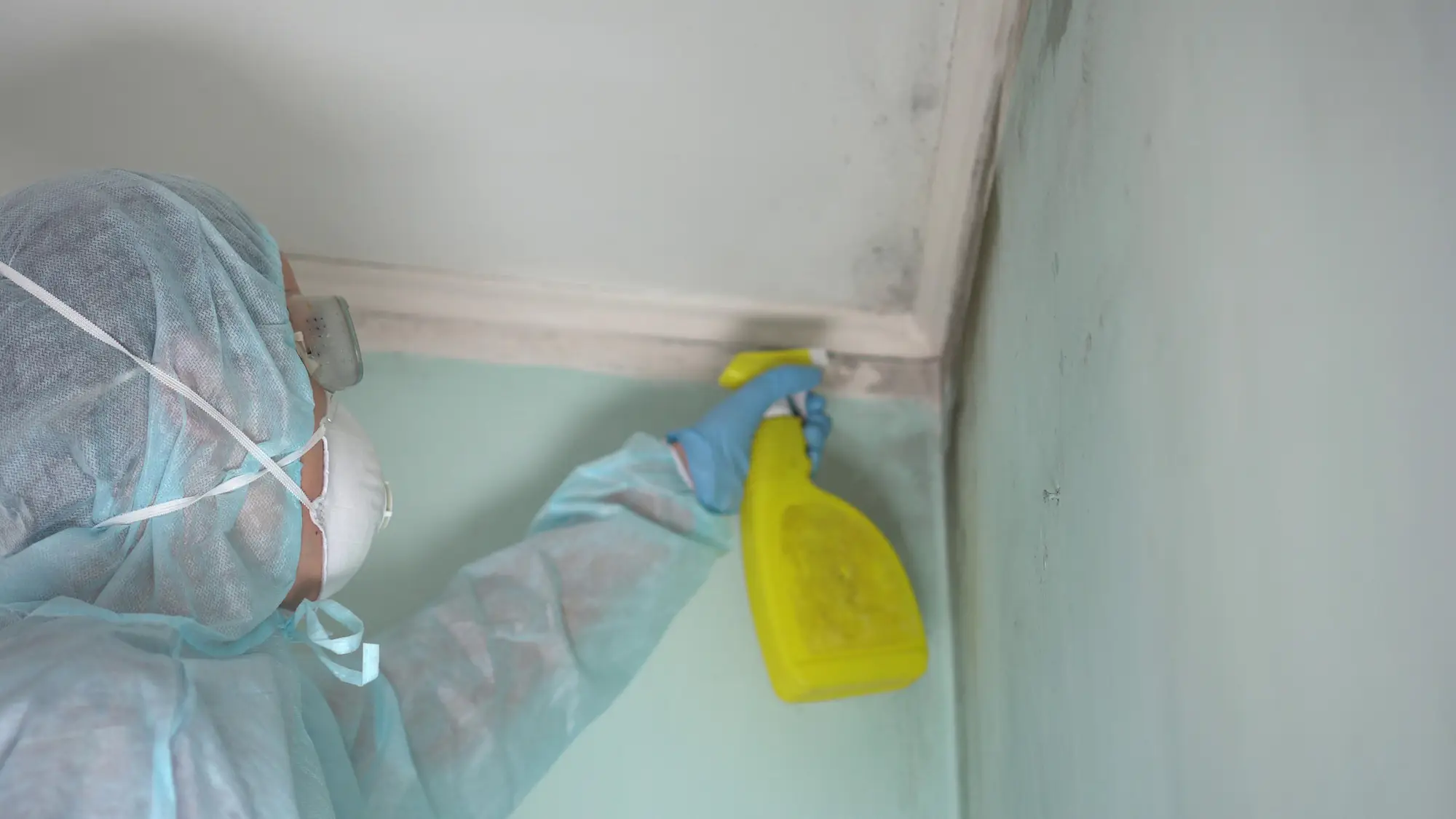
During remediation, we contain the area to prevent spores from spreading to clean parts of your home. We remove contaminated materials safely, treat affected surfaces with EPA-approved solutions, and use HEPA filtration to clean the air. Then we address the moisture source—whether that’s fixing a leak, improving ventilation, or waterproofing a basement.
After everything is removed and treated, we verify the air quality and make sure mold levels are back to normal. You get documentation of the entire process.
Ready to get started?
Every mold job includes a full property inspection, not just the area where you spotted growth. In Winder Village’s older homes, mold in one room often means hidden moisture problems elsewhere. We check everything.
You also get mold testing to identify exactly what type of mold you’re dealing with. Black mold gets the headlines, but other species can be just as harmful. Knowing what’s growing helps us treat it correctly.
Our remediation process follows strict containment protocols. We’re not spreading spores through your house while we work. And because Bucks County’s humid climate creates perfect conditions for mold, we don’t just remove it—we show you how to prevent it from returning. That might mean recommending a dehumidifier, fixing grading around your foundation, or improving attic ventilation.
If repairs are needed after remediation, we handle that too. Drywall replacement, repainting, even minor reconstruction—we’ll leave the area looking like mold was never there.

Mold starts colonizing within 24 to 48 hours after water exposure. In Bucks County’s humid climate, that timeline can be even shorter during summer months when indoor humidity is already elevated.
If you’ve had a leak, flood, or even persistent condensation, mold is likely already growing—even if you can’t see it yet. It often starts behind walls, under flooring, or in HVAC ducts where air doesn’t circulate well.
This is why speed matters. The longer you wait, the more extensive the growth becomes, and the more expensive remediation gets. If you’ve had any water intrusion in the last few days, get an inspection now. Waiting to “see if mold shows up” usually means it’s already there.
Bleach kills surface mold on non-porous materials like tile or glass. But it doesn’t penetrate porous surfaces like drywall, wood, or grout—and that’s where mold actually lives in most homes.
Worse, bleach adds moisture to the surface, which can actually feed mold growth deeper in the material. The EPA specifically advises against using bleach for mold remediation on porous surfaces.
Professional mold removal involves identifying the full extent of growth, removing contaminated materials that can’t be saved, treating surfaces with proper antimicrobial solutions, and fixing the moisture problem. If you’re just spraying bleach on visible mold, you’re treating the symptom while the actual problem continues growing behind your walls. That’s why mold “keeps coming back” for most people who try DIY solutions.
Most mold remediation projects in Bucks County range from $1,500 to $3,500, depending on the extent of growth and what’s causing it. A small bathroom mold issue might cost $1,500. A finished basement with extensive growth behind walls could run $5,000 or more.
The cost depends on square footage affected, what materials need to be removed, and how complex the moisture problem is. If we’re just treating surface mold in one area, that’s straightforward. If we’re removing drywall, insulation, and subflooring across multiple rooms, the scope is much larger.
Many homeowners insurance policies cover mold remediation if it resulted from a covered event like a burst pipe. We work with insurance companies regularly and can help you navigate that process. The key is getting an inspection first so you know exactly what you’re dealing with. We provide detailed estimates before any work begins.
Mold exposure commonly triggers respiratory issues, especially in children, elderly family members, and anyone with existing asthma or allergies. Symptoms include persistent coughing, wheezing, throat irritation, nasal congestion, and eye irritation.
Research shows that 21% of asthma cases may be linked to dampness and mold in homes. For infants exposed to mold early in life, the risk of developing asthma is three times higher than those in mold-free environments.
Some people experience more severe reactions, including chronic sinus infections, fatigue, headaches, and difficulty concentrating. Black mold (Stachybotrys) can produce mycotoxins that cause more serious health effects in prolonged exposure situations. If anyone in your household is experiencing unexplained respiratory symptoms that improve when they leave the house, mold could be the cause. Getting your air quality tested gives you definitive answers.
Visible signs include discoloration or bubbling on walls, peeling paint or wallpaper, and warping baseboards. But the most reliable indicator is smell—that persistent musty odor that doesn’t go away even after cleaning.
In Winder Village’s older homes with plaster walls and limited ventilation, hidden mold is extremely common. Water travels along studs and settles in wall cavities where you’ll never see it until the damage is extensive.
We use moisture meters to detect elevated moisture levels inside walls without cutting them open. Infrared cameras show us temperature differences that indicate water intrusion or poor insulation—both of which create mold-friendly environments. If you’ve had any past water damage, slow leaks, or rooms that always feel damp, there’s a good chance mold is growing somewhere you can’t see. A professional inspection finds it before it becomes a major problem.
For small, contained projects like a bathroom or single room, most families can stay home during remediation. We seal off the work area with plastic sheeting and use negative air pressure to prevent spores from spreading to other parts of the house.
For larger projects involving multiple rooms or significant black mold growth, we typically recommend staying elsewhere during active remediation—especially if anyone in the household has respiratory issues, is pregnant, or has a compromised immune system.
The remediation process itself usually takes two to five days depending on scope, though drying time and repairs can extend the timeline. We’ll give you a clear schedule upfront so you can plan accordingly. Safety is the priority. Disturbing mold during removal temporarily increases spore counts in the air, which is why proper containment and ventilation matter. We’re not going to tell you it’s fine to stay if it’s not.
Other Services we provide in Winder Village