
Hear from Our Customers
You stop smelling that musty odor every time you walk into your basement. Your kids’ allergy symptoms improve because the air quality in your home isn’t making them sick anymore. You can list your house without worrying about what an inspector might find behind the walls.
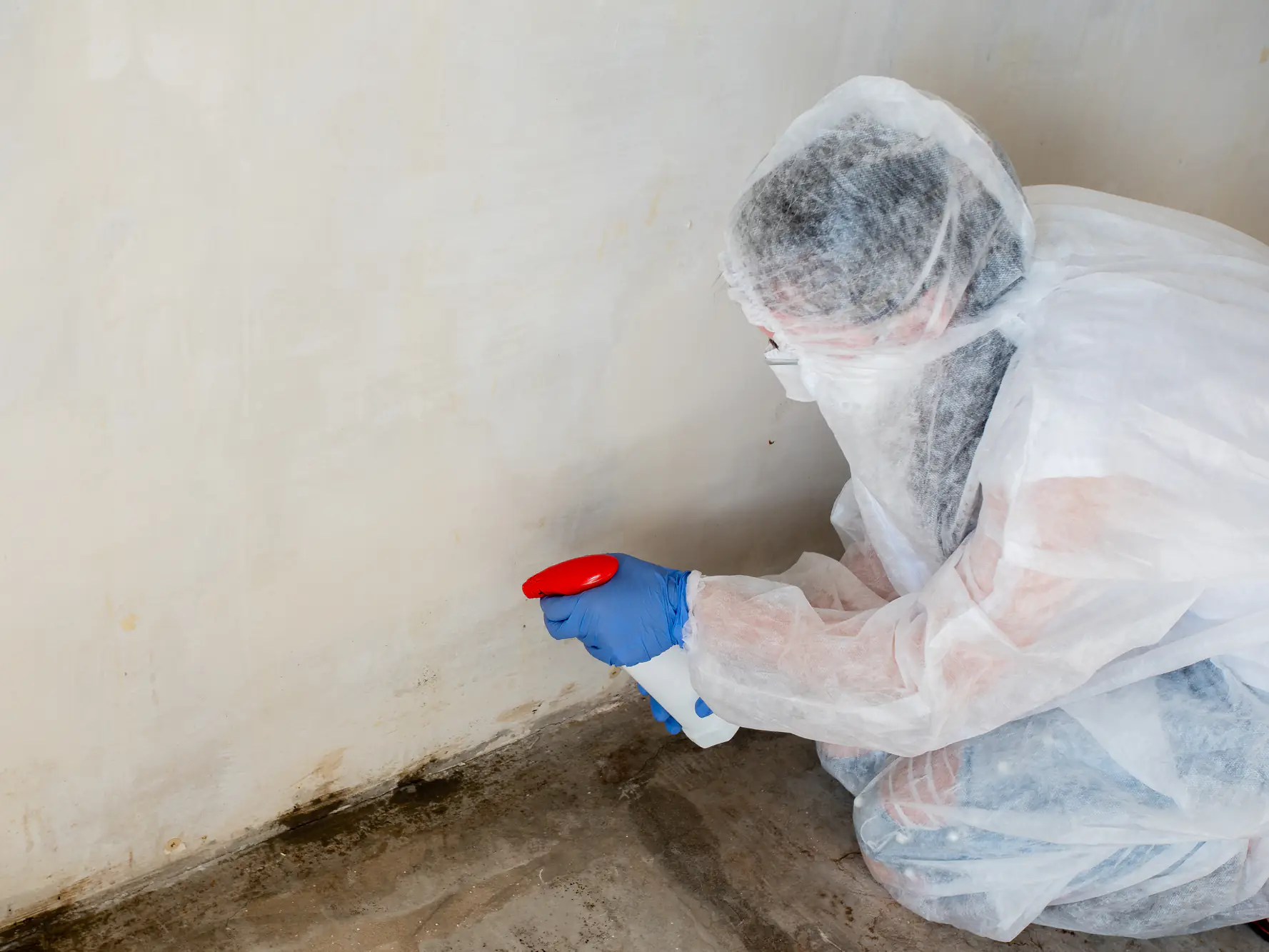
That’s what complete mold removal looks like. Not just surface cleaning that buys you a few weeks. Real remediation that addresses the moisture source, removes contaminated materials, and treats affected areas with EPA-approved methods.
You’re not just paying to make mold disappear temporarily. You’re protecting your property value, your family’s health, and your peace of mind. When black mold experts handle the job correctly, you don’t have to wonder if it’s going to come back next season.
We’ve been serving Thornridge and Bucks County for years, and we’ve worked in enough basements, crawl spaces, and attics to know exactly where mold hides in Pennsylvania homes. The humid summers and damp winters here create perfect conditions for growth, especially in older properties with poor ventilation.
We’re not a national franchise reading from a script. We’re local mold remediation specialists who understand how Bucks County weather affects your property. We know which neighborhoods have recurring moisture issues and which building materials are most vulnerable.
When you call us, you’re working with certified professionals who follow EPA guidelines and Pennsylvania regulations. We use HEPA filtration, moisture meters, and infrared cameras to find mold you can’t see. And we explain everything in plain language, so you understand what’s happening and why.
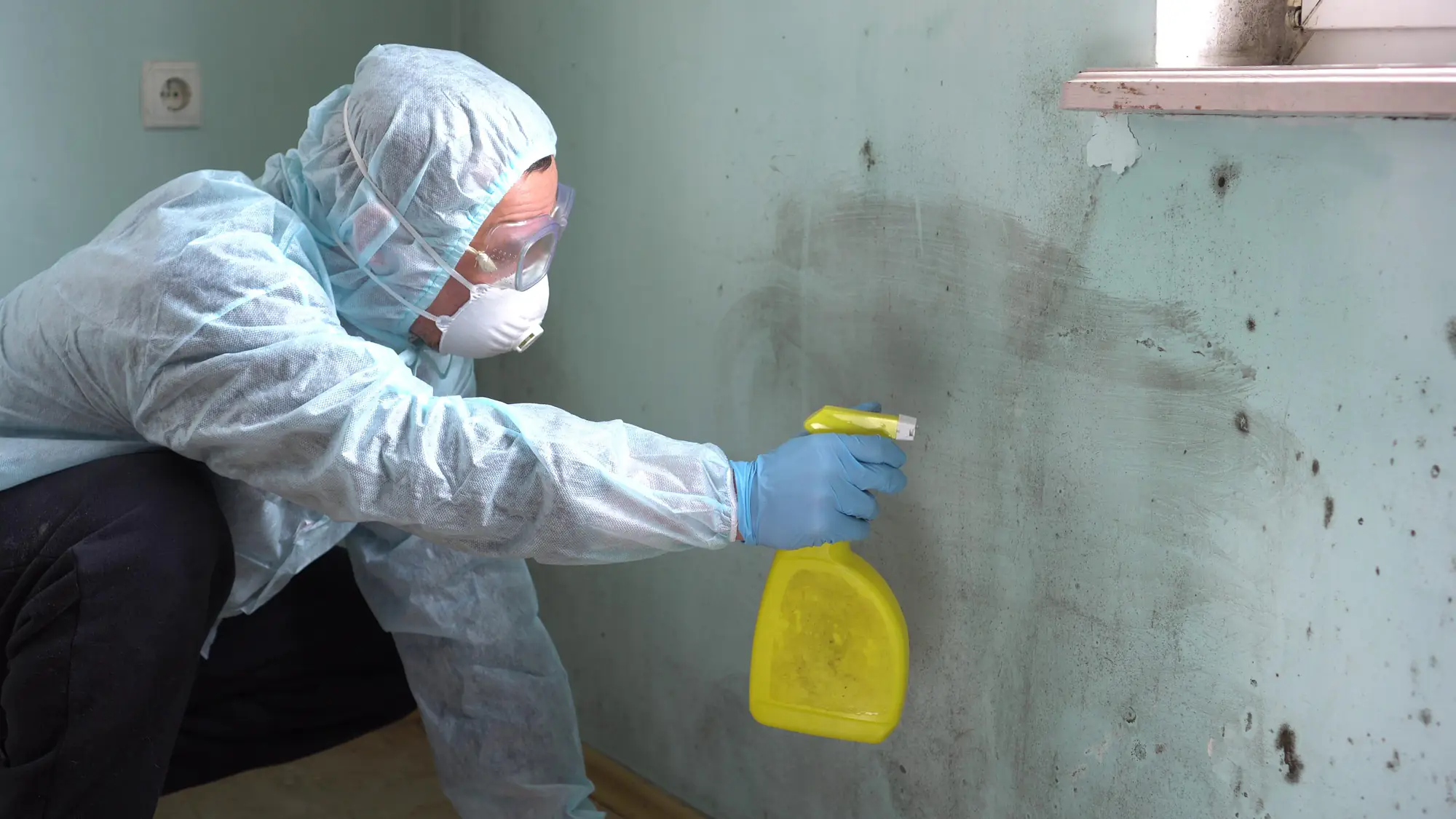
First, we inspect your property for free. We’re looking for visible mold, moisture sources, and hidden growth behind walls or under flooring. We use moisture meters and infrared technology to find problems you can’t see.
Next, we identify what’s causing the mold. Maybe it’s a slow leak, poor ventilation, or water damage from a past storm. If we don’t fix the source, the mold will just come back, so this step matters.
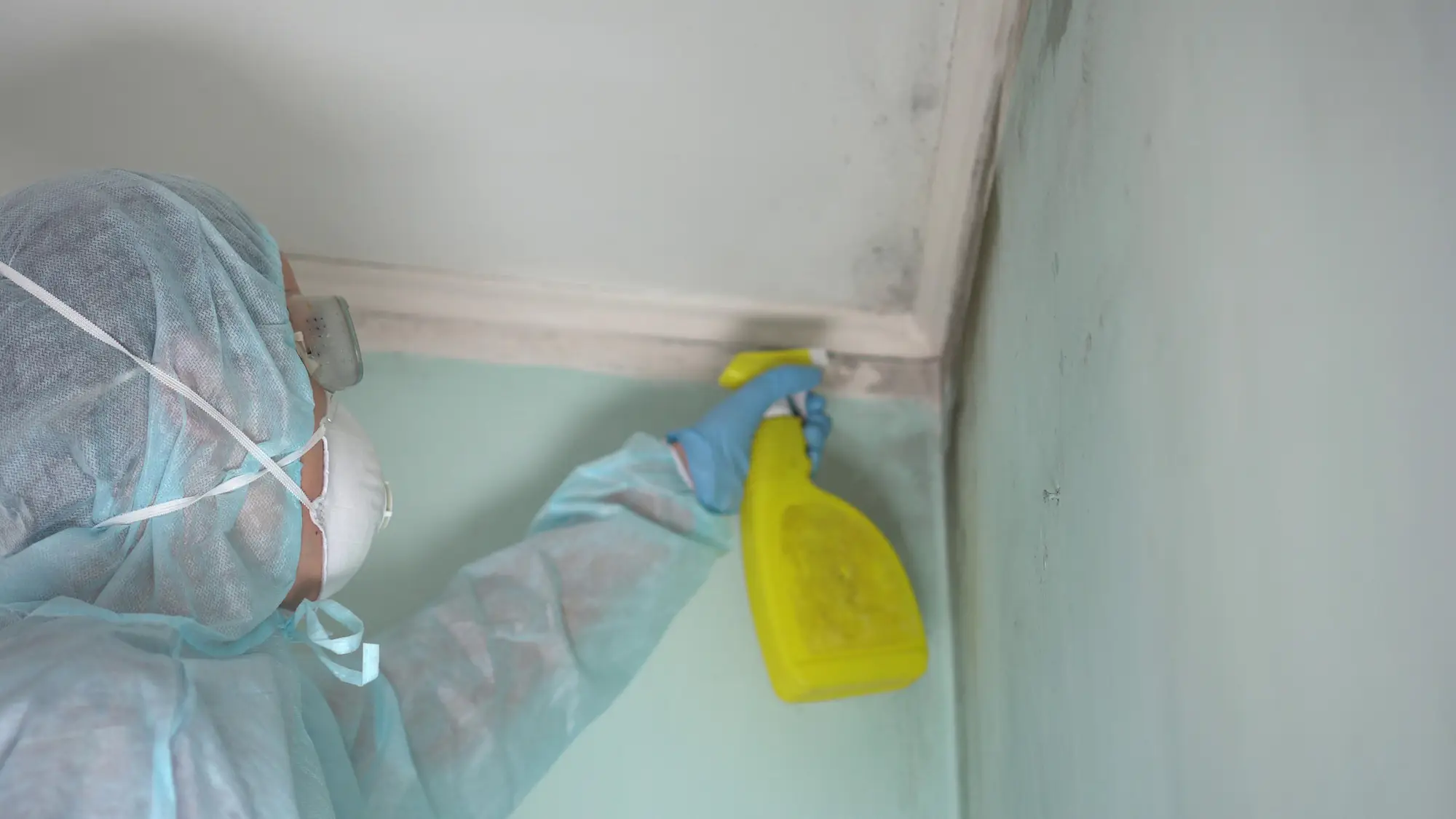
Then we contain the affected area to prevent spores from spreading during removal. We set up barriers and use negative air pressure to keep contamination isolated. We remove damaged materials that can’t be saved and treat surfaces with antimicrobial solutions.
Finally, we verify the work with air quality testing and give you documentation for your records or insurance claim. We also explain what you can do to prevent future growth, like improving ventilation or installing a dehumidifier. The whole process is transparent, and you’ll know what to expect at every stage.
Ready to get started?
You get a thorough inspection that finds mold in places most homeowners never think to check. Attics, crawl spaces, behind drywall, under carpeting—we look everywhere because mold doesn’t grow in convenient spots.
You get moisture source identification and repair recommendations. We’ll tell you if that bathroom exhaust fan isn’t venting properly or if your basement needs better drainage. Fixing the cause is just as important as removing the mold.
You get EPA-compliant remediation using professional-grade equipment. HEPA vacuums capture microscopic spores. Antimicrobial treatments kill remaining mold and prevent regrowth. We remove contaminated materials safely and dispose of them according to Pennsylvania regulations.
In Thornridge, we see a lot of mold issues related to older homes with inadequate ventilation and basement moisture problems. Bucks County’s climate means humidity levels stay high for months, especially in summer. That’s why we don’t just clean—we help you understand how to keep your property dry and mold-free long-term.

If you smell a persistent musty odor, that’s usually mold. If you see discoloration on walls, ceilings, or around windows, that’s often mold growth. If anyone in your house has worsening allergy symptoms that improve when they leave, that’s a red flag.
Normal moisture evaporates and doesn’t leave lasting effects. Mold needs consistent moisture to grow, so if you’re seeing condensation on windows, damp spots that won’t dry, or water stains that keep spreading, you likely have the conditions mold needs to thrive.
The tricky part is that mold often grows in hidden areas. You might not see it, but you’ll smell it or experience health symptoms. A professional inspection finds growth behind walls, under flooring, and in HVAC systems where homeowners can’t easily check. If you’re questioning whether you have mold, it’s worth getting a free inspection to know for sure.
Bleach kills surface mold on non-porous materials like tile, but it doesn’t penetrate porous surfaces like drywall or wood. It also doesn’t address the moisture source, so the mold comes back within weeks. You’re not actually solving the problem—you’re just making it invisible temporarily.
DIY cleaning also spreads spores throughout your home if you don’t contain the area properly. Every time you scrub, you’re releasing thousands of microscopic spores into the air. Without proper containment and HEPA filtration, you’re potentially making the problem worse.
For small areas under 10 square feet with no structural damage, you might handle it yourself. But if you’re dealing with black mold, hidden growth, or anything larger than a small bathroom wall, professional mold removal is the smarter choice. You’re paying for equipment you don’t own, expertise you don’t have, and results that actually last. Most importantly, you’re protecting your family’s health and your property value.
A typical residential mold removal job takes 3-5 days, depending on the extent of contamination and how much material needs to be removed. The inspection happens first and usually takes a few hours. Once we know what we’re dealing with, we can give you an accurate timeline.
Containment and removal might take 1-2 days for a moderate job. Drying out the affected area and treating surfaces takes additional time because we need to make sure moisture levels are back to normal before we close everything up. Rushing this step leads to recurring problems.
If you’re dealing with extensive water damage or mold throughout multiple rooms, the job could take longer. We’ll give you a realistic timeline upfront, and we’ll keep you updated if anything changes. Emergency situations get faster response times—we’re available 24/7 when you need immediate help. The goal isn’t to finish fast. It’s to finish right so you don’t have to call us back in six months.
It depends on what caused the mold. If it resulted from a sudden, covered event like a burst pipe or storm damage, your insurance will likely cover remediation. If it’s from long-term neglect or maintenance issues like a slow leak you ignored, they probably won’t.
Most policies exclude mold damage caused by flooding or ongoing moisture problems. But if you had a covered water damage event and mold developed as a result, you have a strong case for coverage. The key is acting fast—insurance companies expect you to mitigate damage quickly after a water event.
We work with insurance companies regularly and can help with documentation and claims processes. We’ll provide detailed reports, photos, and estimates that support your claim. We can also communicate directly with adjusters if needed. Don’t assume you’re not covered—let us help you navigate the process. Many homeowners are surprised to learn their policy covers more than they thought, especially when mold resulted from a specific incident rather than gradual deterioration.
Mold removal sounds like you’re eliminating every single spore, which isn’t realistic or necessary. Mold spores exist everywhere in the environment. Complete removal is impossible and isn’t the actual goal of professional service.
Mold remediation means bringing mold levels back to normal, safe levels. We remove contaminated materials, treat affected surfaces, fix moisture sources, and restore your indoor air quality to healthy standards. That’s what the EPA recommends and what certified mold remediation specialists actually do.
When you hire a mold removal specialist, you’re really getting remediation—a comprehensive process that addresses the problem, prevents recurrence, and makes your home safe again. The terminology gets used interchangeably, but what matters is the approach. You want a company that finds the source, removes the growth, treats the area, and gives you strategies to prevent future problems. That’s complete remediation, and that’s what actually protects your property and health long-term.
Control moisture, and you control mold. Keep indoor humidity below 60%, ideally between 30-50%. Use dehumidifiers in basements and crawl spaces, especially during Bucks County’s humid summers. Make sure bathrooms and kitchens have working exhaust fans that vent outside, not into your attic.
Fix leaks immediately. That slow drip under your sink or that roof leak you keep meaning to address—those create perfect conditions for mold growth. Water damage needs to be dried within 24-48 hours to prevent mold from taking hold. Don’t wait.
Improve ventilation in problem areas. If your basement feels damp, increase air circulation. If your attic gets hot and humid, make sure it’s properly vented. Clean your gutters so water drains away from your foundation instead of seeping into your basement. These aren’t complicated fixes, but they make a huge difference. After we finish remediation, we’ll give you specific recommendations based on what we found in your property. Following through on those suggestions is how you avoid calling us back.
Other Services we provide in Thornridge