
Hear from Our Customers
You stop waking up congested. Your kids’ asthma symptoms ease up. That musty smell in the basement finally disappears.
But here’s what most people don’t realize until it’s too late: nearly half the homes in the U.S. have mold problems right now. And three-quarters of homeowners are convinced their home isn’t one of them.
The issue isn’t always visible. Mold grows behind walls, under floors, in crawl spaces you never check. It’s why someone can live with chronic sinus issues or unexplained fatigue for months without connecting it to their house.
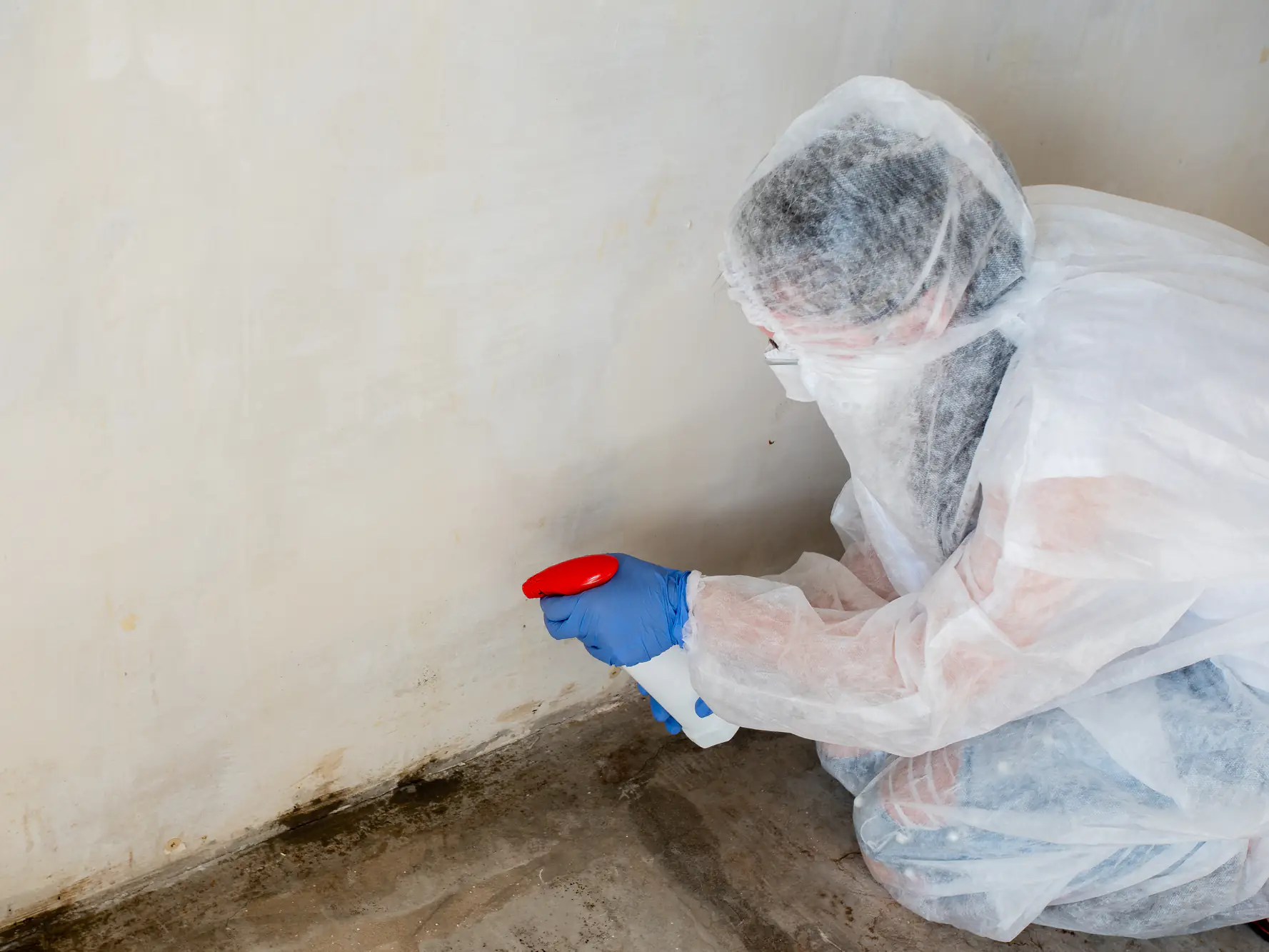
When we remove mold the right way, we’re not just scrubbing surfaces. We’re using moisture meters and infrared cameras to find where it’s actually growing. We contain it so spores don’t spread during removal. We treat the source so it doesn’t come back next season.
You get your air quality back. Your home value stays protected—because visible mold can slash resale prices by 20% to 37%. And you stop wondering if your house is what’s been making you feel off.
We work with homeowners across Weisel, PA and throughout Bucks County. We’re not a national franchise following a script—we’re locals who understand what humid Pennsylvania summers and damp basements do to homes here.
Older homes in this area weren’t built with the ventilation standards we have today. Basements leak. Humidity sits above 60% for weeks at a time in summer. Those conditions create perfect environments for mold, and we see it constantly.
We offer free inspections because we’d rather you know what you’re dealing with before you spend a dime. Our job is to give you accurate information, not scare you into unnecessary work. If there’s mold, we’ll show you where it is, what’s causing it, and what it takes to fix it properly.
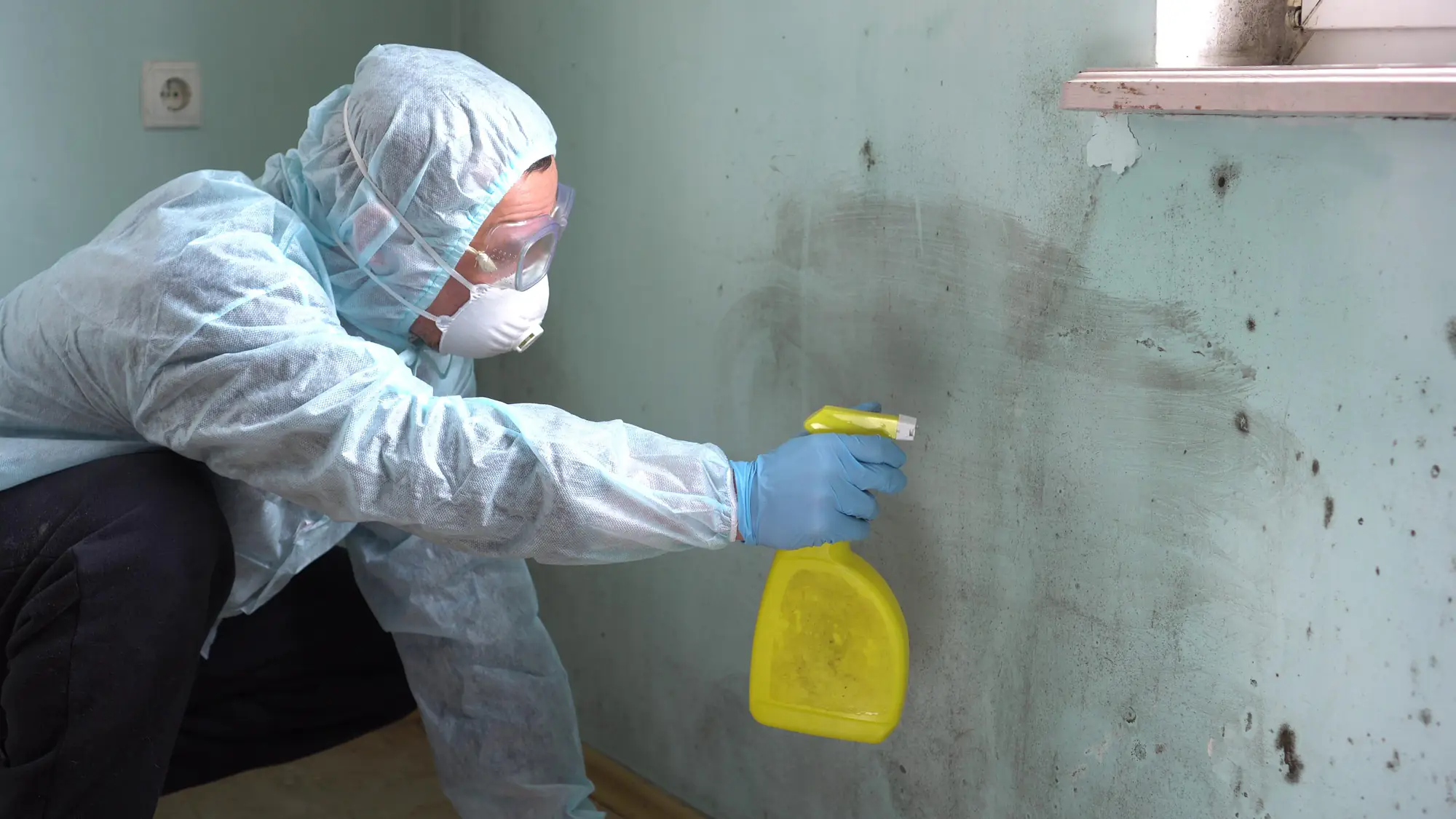
First, we inspect your home with thermal imaging cameras and moisture meters. These tools let us see temperature differences and moisture levels behind walls and ceilings where mold hides. We’re looking for the source, not just the symptoms.
Once we know what we’re dealing with, we contain the affected area. This keeps mold spores from spreading to clean parts of your home during removal. We use physical barriers and negative air pressure to isolate the workspace.
Then we remove the mold using EPA-registered solutions—no harsh chemicals that just create different problems. We don’t guess. We test samples when needed to identify exactly what type of mold we’re treating and build a removal plan around that.
After removal, we dry and treat the area to prevent regrowth. This is where most DIY attempts fail—you can kill surface mold, but if you don’t fix the moisture problem and treat properly, it comes back. We handle both.
Finally, we walk you through what caused it and how to prevent it. Sometimes that’s a dehumidifier. Sometimes it’s fixing a leak you didn’t know existed. We give you a real plan, not a sales pitch.
Ready to get started?
You get a full inspection using Instascope technology that analyzes airborne mold spores and bacteria in real time. No waiting days for lab results—we know what we’re dealing with while we’re still at your house.
We identify the mold type and assess how far it’s spread. This matters because black mold requires different handling than surface mildew, and your removal plan should reflect that. We’re not treating every job the same.
Containment and removal follow industry standards, but we skip the tear-out approach when it’s not necessary. Our methods focus on treating and eliminating mold without ripping apart your home unless the damage actually requires it.
In Weisel and throughout Bucks County, we see a lot of basement mold from groundwater issues and bathroom mold from poor ventilation. Both are fixable, but the approach is different. We adjust our process based on what your specific home needs, not what’s easiest for us.
You also get prevention advice that’s specific to your situation. If your crawl space is the problem, we’ll tell you. If it’s your HVAC system circulating spores, we’ll tell you that too. The goal is to fix it once, not become a regular service call.

If you’re seeing discoloration on walls or ceilings, smelling something musty that won’t go away, or dealing with unexplained respiratory symptoms that improve when you leave the house—you likely have mold, not just moisture.
Normal household moisture evaporates and doesn’t cause health symptoms. Mold growth happens when moisture stays trapped in materials long enough for spores to colonize. That’s the difference between a foggy bathroom mirror and a mold problem.
The tricky part is that mold often grows where you can’t see it. Behind drywall. Under flooring. In HVAC ducts. You might not see it, but you’ll smell it or feel it in the form of congestion, coughing, or irritated eyes. Nearly half of U.S. homes have mold issues, but most people don’t realize it until they get an inspection.
We use moisture meters and thermal imaging during inspections to find hidden growth. If there’s mold, we’ll show you exactly where it is and what’s feeding it. If it’s just normal moisture, we’ll tell you that too.
Mold removal means getting rid of visible mold. Mold remediation means eliminating the mold and fixing the conditions that caused it so it doesn’t come back.
You can remove mold with bleach and a scrub brush. But if you don’t address the leak, the humidity problem, or the ventilation issue that created it, you’re just buying yourself a few weeks before it regrows.
Remediation involves containment to prevent spores from spreading, removal using proper methods and equipment, treatment of affected materials, and source correction. We’re not just cleaning what you can see—we’re using technology to find what you can’t see and making sure the environment won’t support regrowth.
That’s why we use moisture meters and infrared cameras. They tell us if there’s a hidden water source, whether insulation is wet, or if there’s condensation happening inside your walls. Fixing mold without fixing the cause is a waste of your money.
Most mold remediation projects in this area run between $1,200 and $3,700, but that range depends entirely on how much mold there is, where it’s located, and what’s causing it.
A small bathroom mold issue from a leaky shower might cost $1,500 to fix properly. A basement with widespread growth from foundation leaks could run $5,000 or more. Severe cases involving HVAC contamination or structural damage can reach $30,000, but those are rare.
What drives cost is access and extent. Mold behind drywall costs more to remediate than mold on a bathroom tile surface because we have to remove materials, treat the framing, and restore what was damaged. Containment, air filtration, and proper disposal add to the cost but they’re necessary to do the job right.
We offer free inspections so you know what you’re dealing with before you commit to anything. We’ll give you a clear breakdown of what needs to happen and what it costs. No surprises, no upselling.
If it’s a small surface area—less than 10 square feet—and you caught it early, you can probably handle it yourself with proper protective equipment and an EPA-registered cleaner.
But if you’re dealing with mold behind walls, in your HVAC system, throughout a basement, or if anyone in your house has asthma or immune issues, you need professionals. Here’s why: disturbing mold releases spores into the air. Without proper containment, you spread the problem to other areas of your home.
DIY removal also misses the source. You might kill what’s on the surface, but if there’s a moisture problem you didn’t address, it regrows. We see this constantly—homeowners who tried to fix it themselves and ended up with a bigger problem three months later.
Professional mold removal specialists use containment barriers, negative air pressure, HEPA filtration, and moisture detection tools. We remove mold without spreading it, and we fix what caused it. That’s not something you can replicate with a bottle of bleach and a sponge.
Small jobs take one to two days. Larger projects can take a week or more, depending on the extent of contamination and how much material needs to be removed and restored.
The inspection and assessment usually happen the same day. Once we know what we’re dealing with, we can give you an accurate timeline. Containment and removal might take a day for a single bathroom or three to five days for a basement with widespread growth.
Drying time matters too. After we remove mold and treat affected areas, materials need to dry completely before we restore them. Rushing this step is how mold comes back. We use dehumidifiers and air movers to speed the process, but we won’t close up a wall until moisture levels are where they need to be.
Most homeowners can stay in their house during remediation as long as we’ve properly contained the work area. If the contamination is severe or affects your HVAC system, we might recommend staying elsewhere for a few days. We’ll let you know upfront if that’s the case.
Visible mold tanks your resale value—it can cut your home’s price by 20% to 37%. But proper remediation actually protects your value because it eliminates the problem and gives you documentation that it was handled correctly.
Buyers get home inspections. If mold shows up in that inspection and you haven’t dealt with it, you’re either dropping your price, paying for remediation as a condition of sale, or losing the buyer entirely. None of those options are good.
When you remediate mold before listing, you can show buyers that the issue was identified, professionally removed, and the source was corrected. That’s a selling point, not a liability. It shows you maintained the home and didn’t hide problems.
Even if you’re not selling soon, untreated mold damages materials over time. It degrades drywall, wood framing, and insulation. The longer it sits, the more expensive the fix becomes and the more value you lose. Catching it early and handling it right keeps your home in good condition and protects what you’ve invested.
Other Services we provide in Weisel