
Hear from Our Customers
You’ve noticed the musty smell. Maybe you’ve seen dark spots in the bathroom or basement. Your kids are coughing more at home than anywhere else.
Here’s what happens when mold gets handled the right way. The air smells clean again. Those allergy symptoms that never seemed to go away start clearing up. You stop wondering what’s growing behind your walls.
Your home value stays protected. Most people don’t realize mold can knock 20% off a home’s value when it shows up during a sale. Getting ahead of it now means you’re not scrambling later when a buyer’s inspector finds something you didn’t know was there.
The difference between DIY and professional mold removal is simple: we find where the moisture is coming from and fix that too. Bleach might make the surface look better for a few weeks, but if the leak or humidity problem isn’t solved, you’re just buying time. We handle both the symptom and the cause.
Mack’s Mold Removal has been helping Maple Shade families deal with mold for years. We understand how older homes in this area were built—many before vapor barriers and proper ventilation became standard.
Maple Shade’s housing stock includes plenty of homes from the mid-20th century. Basements that weren’t designed for today’s humidity levels. Attics that trap heat and moisture all summer. Bathrooms with ventilation that barely moves air.
We’re certified mold remediation professionals using EPA-approved methods. We don’t just show up and spray something. We document everything, walk you through what we find, and explain what needs to happen before we start tearing anything apart.
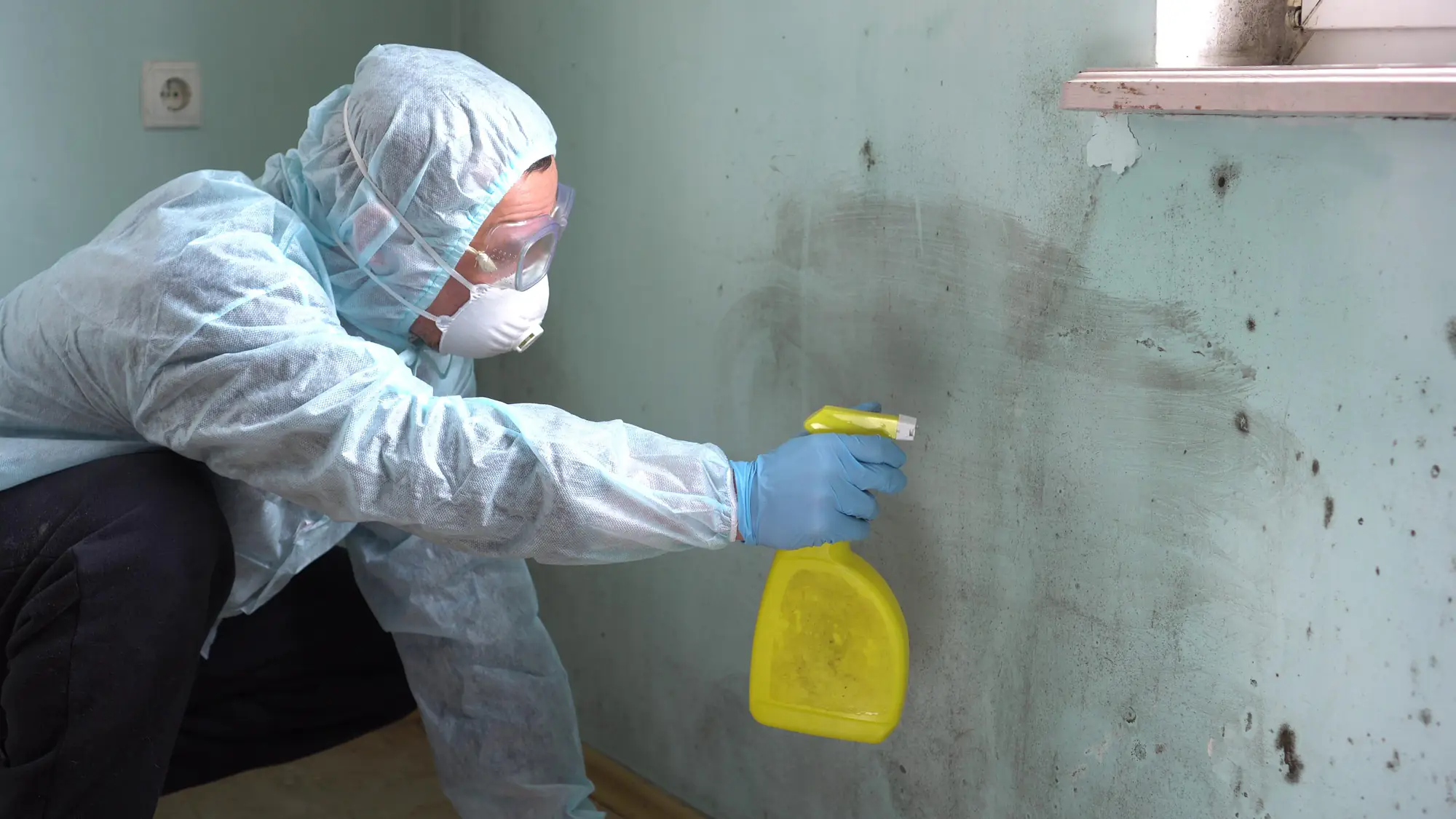
First, we come out for a free inspection. We’re looking for visible mold, but also checking moisture levels, airflow, and any signs of water intrusion you might not have noticed.
Once we know what we’re dealing with, you get a detailed estimate before any work starts. No surprises. We explain what needs to be removed, what can be cleaned, and how long the job will take. Most residential projects run 1-5 days depending on how far the contamination spread.
During remediation, we contain the work area so mold spores don’t spread to clean parts of your home. We remove affected materials—drywall, insulation, whatever can’t be salvaged. Then we treat surfaces, dry everything out completely, and handle any repairs needed to close things back up.
Before we’re done, we address the moisture source. That might mean fixing a leak, improving ventilation, or recommending drainage work. You’ll get before and after photos, plus specific recommendations for keeping mold from coming back.
Ready to get started?
You’re getting a thorough inspection at no cost. We test moisture levels, identify the mold type if needed, and map out exactly where the problem exists.
The remediation itself covers removal of contaminated materials, treatment of affected surfaces, and proper disposal of everything that can’t be saved. We use HEPA filtration during the work to keep spores contained.
Maple Shade’s climate creates specific challenges. Summer humidity here regularly pushes past 60%, and temperatures in attics can hit 90 degrees. That combination is perfect for mold growth. We account for that when we’re planning prevention measures.
After the mold is gone, we handle repairs—drywall, paint, whatever’s needed to put your home back together. If you’re dealing with insurance, we’ll work with them directly. And if the cost is a concern, we offer financing options to make the work manageable.

Most mold remediation projects in the Philadelphia area run between $1,300 and $3,600, with the average landing around $2,400. The range depends on how much area is affected and what materials need to be removed.
Small jobs—like a bathroom with mold around the tub—might cost $1,000 to $1,500. Larger problems, like a finished basement with mold behind the walls, can run $3,000 to $5,000 or more. Whole-house remediation for a 2,000 square foot home typically costs around $5,000.
Most professionals charge $10 to $25 per square foot. That covers containment, removal, treatment, and disposal. Repairs after remediation are usually separate unless you’re getting a package deal.
The best way to know what you’re looking at is to get a free inspection. We’ll tell you exactly what needs to happen and what it costs before any work starts.
Bleach works on hard, non-porous surfaces like tile or glass. It doesn’t work on drywall, wood, insulation, or any porous material where mold roots grow deep.
When you spray bleach on drywall, the chlorine sits on the surface while the water soaks in—and that water can actually feed the mold you’re trying to kill. You might not see it anymore, but it’s still there, still growing, still releasing spores.
The EPA recommends professional remediation for any mold problem larger than 10 square feet. That’s about the size of a small bathroom. Anything bigger means there’s likely a moisture problem that needs to be fixed, not just surface mold that needs to be wiped down.
DIY also means you’re handling mold without proper containment. Disturbing it releases spores into the air, which can spread contamination to other parts of your home. Professional remediation includes containment, filtration, and proper disposal to prevent that.
Most residential mold removal projects take 1 to 5 days. The timeline depends on how long the mold has been growing, how many areas are affected, and whether structural elements need to be replaced.
A small bathroom job might be done in a day. A basement with mold behind finished walls could take 3 to 5 days—time to remove materials, treat surfaces, dry everything out, and make repairs.
Drying is usually the longest part. We can’t close walls back up until moisture levels are where they need to be. Rushing that step just creates conditions for mold to return.
You’ll know the timeline before we start. We’re not vague about how long you’ll be dealing with work crews in your house. And if something takes longer than expected—like discovering more damage once walls are open—we’ll tell you right away, not after the fact.
Moisture and humidity. Mold needs water to grow, and Maple Shade’s climate provides plenty of it during summer months.
Basements are common problem areas because many older homes here don’t have proper drainage or vapor barriers. Water seeps through foundation walls, humidity builds up, and mold starts growing on wood framing, drywall, or stored items.
Bathrooms without good ventilation are another frequent issue. Steam from showers raises humidity levels, and if that moisture doesn’t vent outside, it condenses on walls and ceilings. Over time, mold takes hold.
Attics can be a problem too, especially in older homes. Poor ventilation means heat and moisture get trapped up there all summer. Roof leaks make it worse. Pennsylvania’s humid climate puts the state in the top 60% for mold susceptibility, and Maple Shade fits that pattern.
The fix isn’t just removing mold. It’s addressing the moisture source—fixing leaks, improving ventilation, managing drainage, or adding dehumidification where needed.
It depends on what caused the mold. Most homeowners insurance covers mold remediation if the mold resulted from a “covered peril”—like a burst pipe, storm damage, or a sudden leak.
If the mold developed because of long-term neglect, poor maintenance, or ongoing moisture problems you didn’t address, insurance typically won’t cover it. They expect homeowners to maintain their property and fix problems before they become major issues.
The key is documentation. If you had a pipe burst last month and mold started growing, that’s usually covered. If you’ve had a slow leak for two years and finally decided to deal with it, probably not.
We work with insurance companies regularly. We can document the damage, provide estimates, and communicate directly with adjusters if your claim gets approved. But you’ll want to file the claim quickly after discovering the problem—waiting too long can hurt your case.
The most obvious sign is visible mold—dark spots on walls, ceilings, or around windows. It might look black, green, or even white depending on the type.
Smell is another indicator. That musty, earthy odor in your basement or bathroom usually means mold is growing somewhere, even if you can’t see it yet.
Health symptoms can point to mold too. If you’re dealing with a stuffy nose, sore throat, coughing, or itchy eyes that get worse at home and better when you leave, mold exposure could be the reason. People with asthma or mold allergies often have more severe reactions.
Water damage is a red flag. If you’ve had any leaks, flooding, or moisture problems in the past year, there’s a good chance mold started growing in areas you can’t easily see—inside walls, under flooring, or in crawl spaces.
The only way to know for sure is to get an inspection. We’ll check moisture levels, look in areas where mold commonly hides, and let you know if you’ve got a problem that needs attention.
Other Services we provide in Maple Shade