
Hear from Our Customers
You stop wondering if that smell is going to come back. Your kids’ allergies improve when they’re home instead of getting worse. You can sell your house without a buyer walking away during inspection.
That’s what happens when mold remediation specialists handle the job right. Not just scrubbing what you can see, but tracing it back to the moisture source, removing contaminated materials properly, and making sure it doesn’t return next season.
Bucks County’s humid summers create perfect conditions for mold growth behind walls, under floors, and in attics. You might not see it until it’s already spread. By then, you’re looking at structural damage, health problems, and a property value hit that can cost you tens of thousands when you sell.
Mack’s Mold Removal is locally owned and based right here in Bucks County. We understand how Pennsylvania’s climate affects your home because we live here too.
We’ve seen what happens when homeowners try DIY fixes or hire the cheapest option. The mold comes back. Sometimes worse than before. That’s why we use thermal imaging and moisture meters to find growth you can’t see, and why we focus on prevention just as much as removal.
You’re not getting a national franchise that treats every job the same. You’re getting a team that knows Sundale homes, knows the common problem areas, and knows how to fix them permanently.
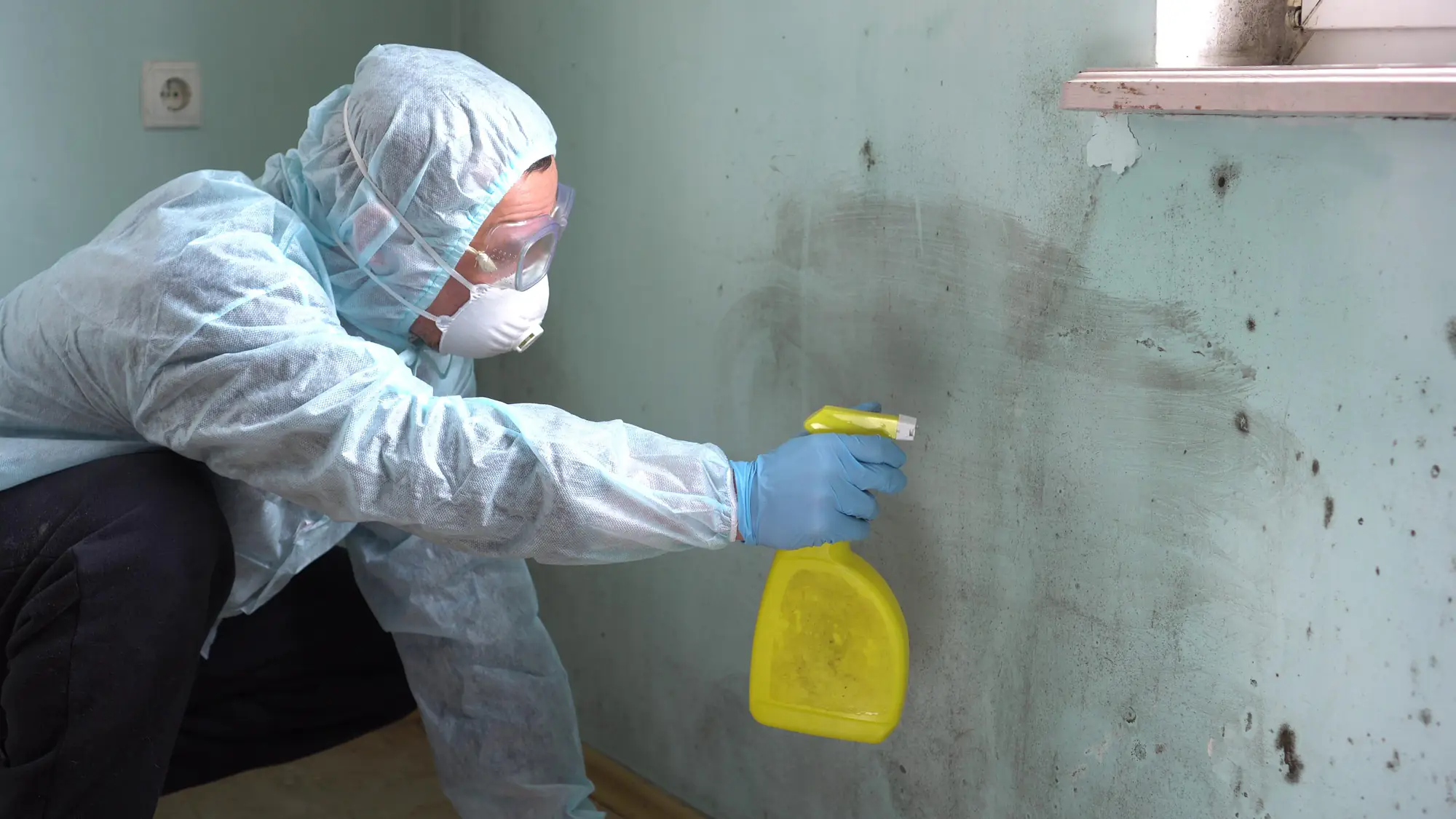
First, we come out for a free inspection. We’re not just looking at the visible mold—we’re using moisture meters and thermal imaging to find hidden growth behind walls, in crawl spaces, and anywhere else moisture is trapped.
Once we know what we’re dealing with, we’ll walk you through what needs to happen. We contain the affected area to prevent spores from spreading during removal. Then we remove contaminated materials safely and treat surfaces with antimicrobial solutions.
But here’s the part most companies skip: we identify and fix the moisture problem causing the mold in the first place. Whether that’s a leak, poor ventilation, or humidity issues, we address it. Otherwise, you’re just paying to remove mold that’s going to grow back in six months.
After removal, we test the air quality to confirm the space is safe. You’re not guessing whether it worked—you’re getting verification.
Ready to get started?
When you hire mold and mildew experts, you should get a complete solution. That means inspection, testing, containment, removal, treatment, and prevention strategies all in one service.
In Sundale and throughout Bucks County, we’re dealing with older homes that weren’t built with modern moisture barriers. Basements flood. Attics don’t ventilate properly. Crawl spaces stay damp year-round. These aren’t problems you solve with a bottle of bleach.
We handle black mold, which is the type most people worry about, but we also deal with the dozen other species that grow in Pennsylvania homes. Each one requires proper identification and removal techniques.
You’ll also get guidance on preventing future growth. Sometimes that’s as simple as running a dehumidifier. Other times it means addressing drainage issues or improving ventilation. Either way, you’ll know exactly what to do after we leave.

If you’re seeing discoloration on walls or ceilings, smelling a persistent musty odor, or noticing that your allergies get worse at home, there’s a good chance you have mold growth somewhere. Normal moisture evaporates and doesn’t leave these signs behind.
The tricky part is that mold often grows in places you can’t easily see. It loves the back side of drywall, the underside of carpets, and anywhere water has leaked even once. Bucks County homes, especially older ones, tend to have moisture issues in basements and attics that create ideal conditions.
A professional inspection catches what you’d miss. We use thermal imaging to detect temperature differences that indicate moisture trapped in walls. We use moisture meters to measure humidity levels in materials. And we conduct air sampling to identify airborne spores you’re breathing but can’t see. If you’re questioning whether you have a problem, it’s worth getting a free inspection rather than waiting until the issue becomes obvious and expensive.
Mold removal is just scrubbing or cutting out the visible growth. Mold remediation is fixing the entire problem so it doesn’t come back. That’s the difference between a temporary fix and an actual solution.
Here’s why that matters: mold spores are everywhere. They’re in the air right now. The reason they’re not growing all over your house is because they need moisture to colonize and spread. If you remove mold but don’t fix the moisture source, you’re just buying yourself a few months before it returns.
Remediation means we identify why the mold is growing in the first place. Maybe it’s a slow leak you didn’t know about. Maybe your bathroom exhaust fan isn’t venting outside. Maybe your crawl space has standing water after every heavy rain. We find the root cause, remove the existing growth properly, and address the conditions that allowed it to thrive. That’s how you actually solve the problem instead of just treating the symptom.
Bleach kills surface mold on non-porous materials like tile, but it doesn’t penetrate porous materials like drywall or wood. So if mold has grown into those materials, bleach only kills what’s on the surface while the roots keep growing underneath. You’ll think you fixed it, and then it comes back a few weeks later.
DIY products from the hardware store have the same limitation. They’re fine for small surface spots on hard materials, but they’re not designed for actual mold infestations. And they definitely don’t address the moisture problem causing the growth.
The bigger issue is that disturbing mold without proper containment spreads spores throughout your house. You might clean one bathroom and end up with mold starting to grow in three other rooms because spores traveled through your HVAC system. Professional mold remediation specialists set up containment barriers and use negative air pressure to prevent cross-contamination. If you’re dealing with anything larger than a small patch on a hard surface, or if the mold keeps coming back, you need professional help.
It depends entirely on how much mold there is, where it’s growing, and what’s causing it. A small bathroom issue might cost $1,500 to $3,000. A basement with widespread growth and moisture problems could run $5,000 to $15,000 or more. Every situation is different.
Here’s what affects the price: the square footage of affected area, whether we need to remove drywall or other materials, how difficult the access is, and what kind of moisture remediation is needed to prevent recurrence. A crawl space is harder to work in than an open basement. Black mold in an HVAC system requires more extensive work than surface growth on a concrete wall.
The best way to get an accurate number is to schedule a free inspection. We’ll assess the situation, explain exactly what needs to happen, and give you a clear estimate before any work starts. What we won’t do is give you a lowball number to get in the door and then hit you with surprise charges later. And keep in mind: data shows that spending $7,500 on professional remediation often helps sellers recover nearly $20,000 more in resale value. Fixing it right protects your investment.
Most residential jobs take between two and five days, depending on the size and complexity. A single-room issue might be done in a day or two. Whole-house remediation with structural repairs could take a week or more.
The timeline depends on several factors. First, how much area is affected. Second, whether we need to remove building materials like drywall, insulation, or flooring. Third, how long it takes to dry out the space completely before we can treat and seal it. You can’t rush the drying process—if moisture is still present, you’re just setting yourself up for mold to return.
We’ll give you a realistic timeline during the inspection. We also work efficiently because we know you want your home back to normal. But we won’t cut corners to save a day if it means the job isn’t done right. The goal is to fix the problem once, not to come back in six months because we rushed through it.
Sometimes, but it depends on what caused the mold. If it’s from a sudden, accidental event like a burst pipe or storm damage, there’s a good chance your policy will cover at least part of the remediation. If it’s from long-term neglect or maintenance issues like a slow leak you ignored, probably not.
Pennsylvania insurance policies vary widely on mold coverage. Some policies have specific mold coverage limits—often around $10,000. Others exclude mold entirely unless you’ve purchased additional coverage. You’ll need to check your specific policy or call your insurance agent to know for sure.
Here’s what we recommend: contact your insurance company before you start any work. Document everything with photos. Get a professional assessment that clearly identifies the cause. Insurance companies want to see that the mold resulted from a covered peril, not from ongoing moisture problems you didn’t address. We can work directly with your insurance adjuster if your claim is approved, and we’ll provide all the documentation they need. Even if insurance doesn’t cover it, fixing the problem now is cheaper than letting it spread and dealing with structural damage or health issues down the road.
Other Services we provide in Sundale