
Hear from Our Customers
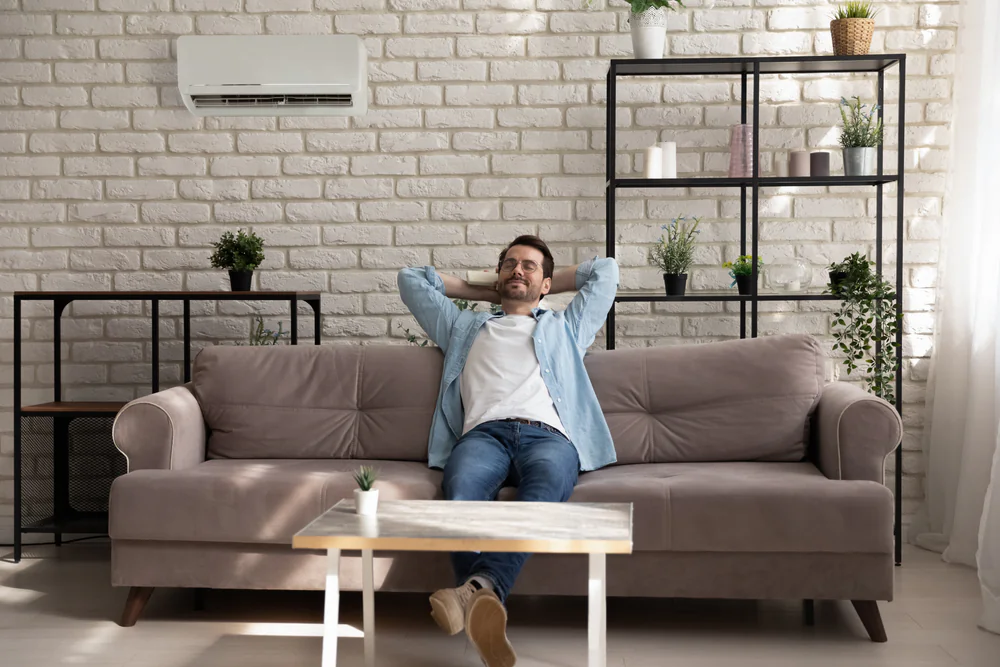
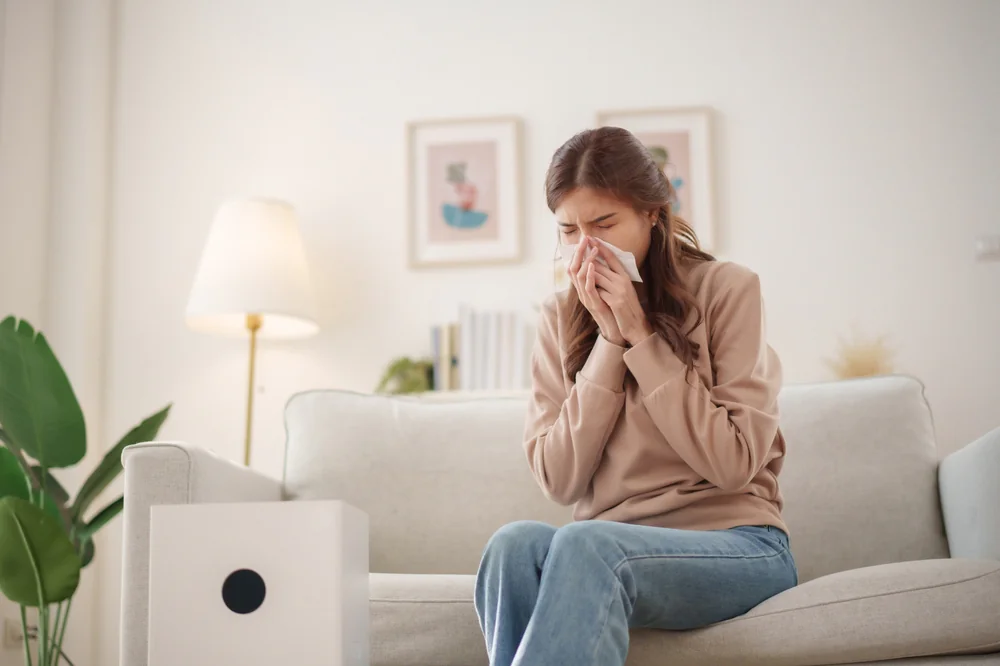
You’ve noticed the symptoms. Persistent coughing that won’t quit, headaches that seem worse at home, that musty smell you can’t quite place. Maybe your kids’ allergies are acting up more than usual, or you’re waking up with a scratchy throat every morning.
Indoor air can be 2 to 5 times more polluted than outdoor air. That’s not a scare tactic—it’s what happens when contaminants like mold spores, volatile organic compounds, dust mites, and other allergens get trapped inside your home. Pennsylvania’s humid summers and sealed-up winters make it worse.
A home air quality test gives you actual data. You’ll know what’s in your air, at what levels, and whether it’s affecting your health. No guessing, no wondering if you’re overreacting. Just lab results and a clear path forward if something needs to be addressed.
We’ve been serving Bucks County homeowners for years, and we’ve seen what happens when moisture, aging HVAC systems, and Pennsylvania weather create the perfect conditions for poor indoor air quality. Owner Jeff and his team know the area—the older housing stock, the basements that stay damp, the seasonal shifts that make air quality worse.
We’re not a corporate franchise. You’re working directly with people who live and work in this community, who respond fast, and who give you straight answers about what’s happening in your home. We test thoroughly, report clearly, and help you understand what the results actually mean for your family.
First, we schedule a time that works for you—often same-day if it’s urgent. When we arrive, we’ll walk through your home and talk about what you’ve been noticing. Odors, health symptoms, visible moisture issues—all of it matters.
We use specialized air sampling equipment to collect samples from different areas of your home. These aren’t the cheap DIY kits you find online. We’re capturing data on mold spores, particulate matter, VOCs, and other contaminants that affect air quality. The process is non-invasive and usually takes about an hour depending on your home’s size.
Samples go to an accredited lab for analysis. You’ll have results within 24 to 48 hours—not weeks. We’ll review the report with you, explain what the numbers mean in plain language, and recommend next steps if remediation is needed. If your air quality is fine, we’ll tell you that too. No upselling, no pressure.
Ready to get started?
Residential air quality testing covers the contaminants that actually matter in Bucks County homes. We test for mold spores—both the type and concentration—because not all mold is created equal. Some species are harmless, others are serious health risks.
We also check for volatile organic compounds that off-gas from building materials, furniture, and household products. Formaldehyde, benzene, and other VOCs can cause respiratory irritation and long-term health effects. If you’ve recently renovated or have new flooring, this is especially important.
Particulate matter testing identifies dust, pollen, pet dander, and other allergens circulating through your HVAC system. In older Wycombe homes, we’re also looking at ventilation issues that trap these particles indoors. Pennsylvania’s seasonal changes mean your heating and cooling systems work overtime, and poor filtration makes indoor air quality worse.
You’ll receive a detailed lab report with contaminant levels, comparisons to safe thresholds, and our professional assessment. If remediation is needed, we’ll map out what that looks like—timeline, cost, and what you can expect. If your air is clean, you’ll have documentation and peace of mind.
Professional air quality testing typically runs between $250 and $300 for a standard residential property. That includes the on-site visit, sample collection using professional-grade equipment, lab analysis, and a detailed report with our recommendations.
The price can vary depending on your home’s size and how many areas need testing. Larger homes or properties with multiple suspected problem areas may require additional samples, which increases the cost. But we’ll give you a clear estimate before we start any work—no surprises.
Compared to the cost of ongoing health issues, property damage, or trying to sell a home with undisclosed air quality problems, testing is a small investment. It either confirms your air is safe or identifies exactly what needs to be fixed. Both outcomes are worth knowing.
DIY kits are cheap and convenient, but they’re not reliable. Most use passive collection methods that don’t accurately measure airborne concentrations. You’re basically getting a yes/no answer about whether mold or contaminants are present—not how much, what type, or whether levels are actually dangerous.
Professional testing uses calibrated air sampling equipment that measures real-time concentrations. We’re collecting data on spore counts, particle sizes, and specific contaminant types. The samples go to accredited labs that provide detailed analysis you can actually use to make decisions.
The bigger difference is interpretation. A DIY kit might tell you that you have mold, but it won’t tell you if it’s a problem or what to do about it. We review lab results with you, explain what the numbers mean for your specific situation, and give you a clear action plan. That’s the value of professional testing—context and expertise, not just data.
You’ll have lab results within 24 to 48 hours after we collect samples. That’s significantly faster than most testing services, and it matters when you’re dealing with health symptoms or trying to move forward with a property transaction.
Once results are in, we’ll schedule a time to review them with you—usually the same day we receive them. We’ll walk through what was found, what the concentration levels mean, and whether any contaminants exceed safe thresholds. If remediation is needed, we’ll outline next steps right then.
Fast turnaround is important because air quality issues don’t wait. If you’re experiencing respiratory symptoms or have visible mold growth, you need answers quickly so you can take action. We prioritize getting you results and recommendations as fast as possible without sacrificing accuracy.
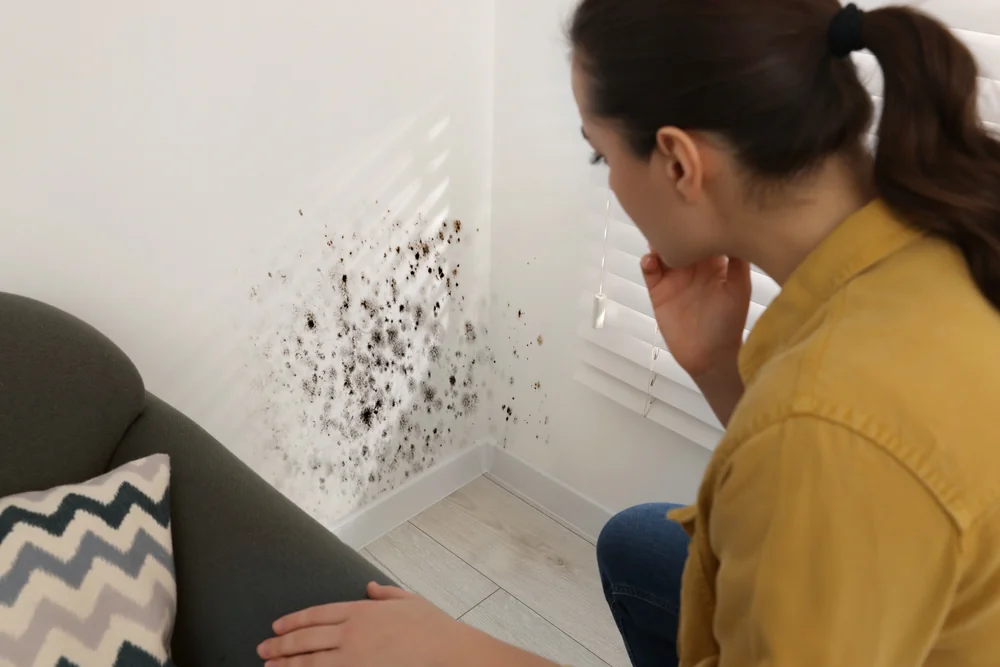
A mold air test specifically measures airborne mold spores—both the types present and their concentration levels. The lab identifies specific species, which matters because some molds are harmless while others like Stachybotrys (black mold) or Aspergillus can cause serious health problems.
We’re measuring spore counts per cubic meter of air and comparing them to outdoor baseline levels. Elevated indoor counts indicate active mold growth somewhere in your home, even if you can’t see it. The test also shows whether spores are viable (capable of growing) or dead, which helps determine if you have an active problem or just residue from past issues.
Beyond mold, comprehensive indoor air quality testing can check for VOCs, carbon monoxide, radon, formaldehyde, and particulate matter. We’ll recommend the right testing scope based on your symptoms and what we observe during the initial walkthrough. Not every home needs every test, and we won’t push services you don’t need.
Yes, professional air quality testing provides the documentation insurance companies need to process mold-related claims. Lab reports show exactly what contaminants are present, at what levels, and whether they exceed safe thresholds. That’s critical evidence when you’re trying to prove that mold damage is legitimate and requires remediation.
Insurance companies won’t accept DIY test results or your word that there’s a problem. They need certified lab analysis from accredited facilities, which is what you get with professional testing. We’ve worked with numerous Bucks County homeowners through the claims process, and proper documentation makes everything move faster.
Keep in mind that most homeowner’s policies have specific coverage limitations for mold. They’ll typically cover mold that resulted from a covered peril—like a burst pipe or storm damage—but not mold from ongoing maintenance issues like poor ventilation or chronic leaks. Testing helps establish the source, which determines whether your claim will be approved. We can walk you through what to expect based on your specific situation.
Winter air quality suffers because homes are sealed tight to conserve heat. That means less fresh air circulation and more trapped contaminants. Your heating system is running constantly, stirring up dust and allergens that have settled in ductwork. If your furnace or HVAC system hasn’t been properly maintained, you’re recirculating all of that through your living space.
Pennsylvania winters also create condensation problems. Warm indoor air meets cold windows and exterior walls, creating moisture that leads to mold growth. Bathrooms, kitchens, and basements are especially vulnerable. Add in the fact that many Bucks County homes have older ventilation systems that weren’t designed for modern insulation standards, and you’ve got a recipe for poor air quality.
Humidity levels drop in winter, which sounds good for mold prevention but actually makes respiratory irritation worse. Dry air aggravates sinuses and makes you more susceptible to airborne irritants. If you’re noticing more health symptoms during colder months—or if that musty smell gets stronger when the heat kicks on—it’s worth testing your indoor air quality to see what’s actually circulating through your home.
Other Services we provide in Wycombe