
Hear from Our Customers
You spend most of your time indoors. Your kids do too. And if your home was built before 1980—like most houses in Maple Shade—there’s a real chance the air inside is making things worse, not better.
A professional air quality test tells you exactly what’s floating around in there. Mold spores from that damp basement. Allergens that never seem to go away. VOCs from old building materials. Radon seeping up through foundation cracks.
You’re not guessing anymore. You’re not wondering if that musty smell is serious or if your daughter’s asthma is getting worse because of something in the house. You get data. You get answers. And you get a clear path forward to fix it.
This isn’t about fear. It’s about knowing. Because once you know what’s in your air, you can actually do something about it.
We’ve been helping families in Maple Shade, PA and throughout Bucks County understand what’s happening inside their homes. We’re IICRC-certified, which means we follow the actual standards that matter—not just showing up with a kit from the hardware store.
We know this area. We know how humid summers hit basements hard. We know that homes built in the ’60s and ’70s weren’t designed with moisture management in mind. And we know that Pennsylvania has one of the worst radon problems in the country—40% of homes here test above EPA action levels.
When you call us, you’re getting someone who’s seen it before and knows how to handle it. No runaround. No upselling. Just a thorough assessment and straight answers about what’s going on in your home.
First, we walk through your home and talk about what you’ve noticed. Odors, health symptoms, visible moisture, ventilation issues. That conversation matters because it tells us where to look.
Then we start testing. We use calibrated equipment—not cheap sensors—to measure air quality in the areas that matter most. Basements, bathrooms, bedrooms, anywhere moisture tends to collect. We’re checking for mold spores, allergens, VOCs, humidity levels, and in many cases, radon.
The testing process is non-invasive. We’re not tearing into walls or making a mess. Most residential air quality tests take a few hours, depending on the size of your home and what we’re testing for.
After that, you get a detailed report that breaks down what we found, what it means for your health, and what needs to happen next. If there’s a problem, we’ll explain how to fix it. If your air is fine, we’ll tell you that too. No drama. Just facts.
Ready to get started?
A complete home air quality test covers the things that actually affect your health. We test for mold—both airborne spores and surface samples if needed. We measure humidity and moisture levels because that’s what drives mold growth in the first place.
We check for allergens like dust mites, pet dander, and pollen that get trapped indoors. We test for VOCs—volatile organic compounds—that come from paints, cleaners, building materials, and furniture. And if your home is in Maple Shade or anywhere in Bucks County, we strongly recommend radon testing. This area has elevated radon levels, and it’s the second leading cause of lung cancer in the U.S.
Here’s what makes this different from a DIY kit: we’re not just confirming that mold exists. Every home has some mold in the air. What matters is how much, what type, and whether it’s at levels that can make you sick. Our equipment and lab analysis tell you that. A $10 kit from the store doesn’t.
You also get a written report you can use for insurance claims, real estate transactions, or just your own peace of mind. And if remediation is needed, we’ll walk you through what that looks like—no pressure, no surprises.
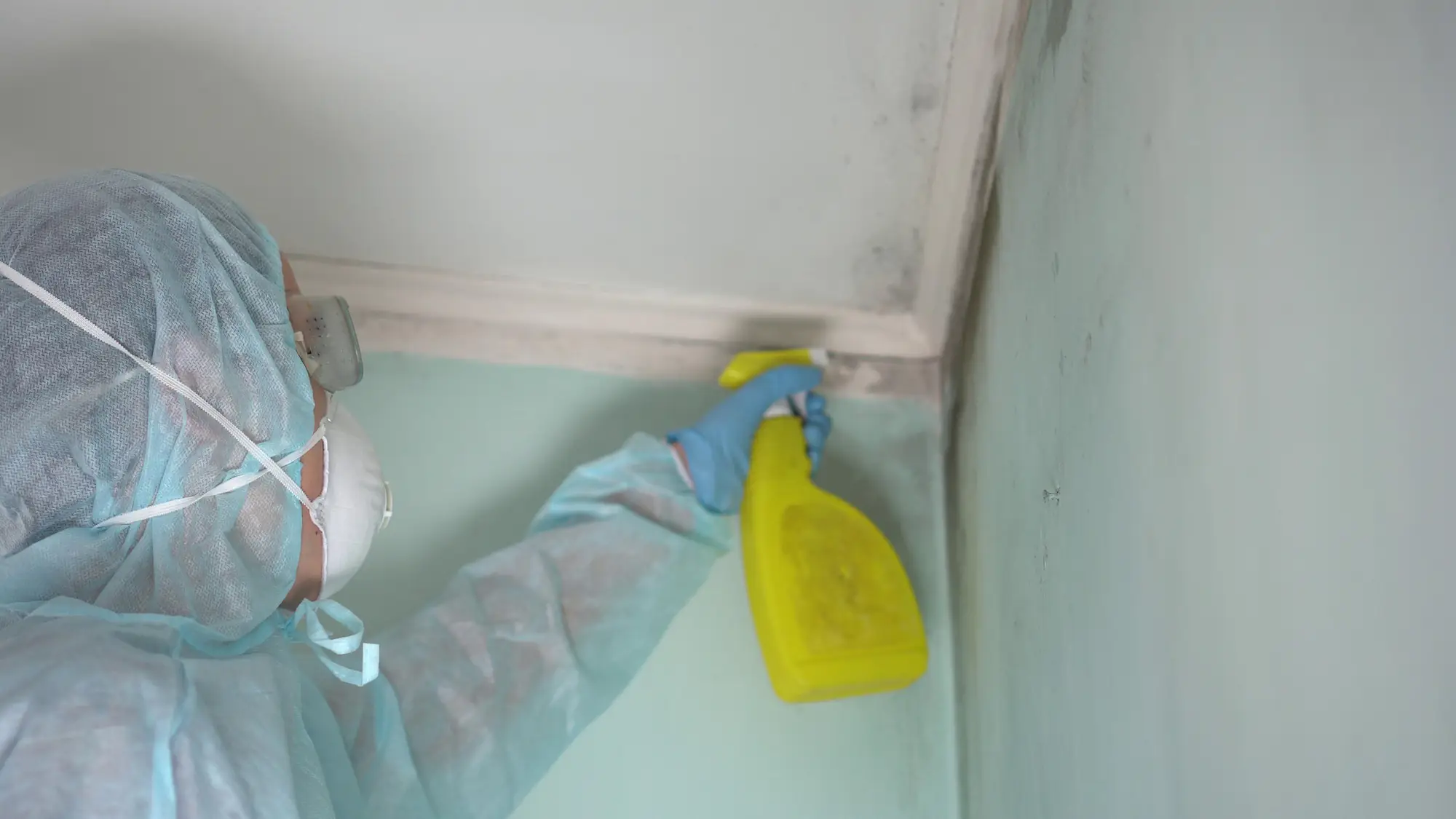
Most residential air quality tests in Maple Shade run between $300 and $600, depending on the size of your home and what you’re testing for. A basic mold air test is on the lower end. A comprehensive test that includes mold, VOCs, allergens, and radon will cost more.
We offer free inspections to assess your situation first. That way, you’re not paying for tests you don’t actually need. If you’re dealing with a specific issue—like a musty basement or unexplained respiratory symptoms—we can recommend the right level of testing without overselling.
Some homeowners insurance policies cover air quality testing, especially if it’s related to water damage or a mold claim. We work with insurance companies regularly and can help you navigate that process. We also offer flexible payment options if cost is a concern, because putting off testing usually makes the problem more expensive down the road.
Most home air quality tests take between two and four hours, depending on the size of your home and what we’re testing for. If we’re doing a standard mold air test in a 1,500-square-foot home, that’s usually closer to two hours. Larger homes or more comprehensive testing—like adding radon or VOC analysis—can take longer.
Radon testing specifically requires a longer monitoring period. We typically leave a radon detector in your home for 48 to 72 hours to get an accurate reading, since radon levels fluctuate throughout the day. You don’t need to be home during that time—we just need access to place and retrieve the equipment.
Lab results usually come back within three to five business days. Once we have the results, we’ll schedule a follow-up to walk you through the report and explain what it means. If there’s an urgent issue, we’ll let you know right away so you can take action quickly.
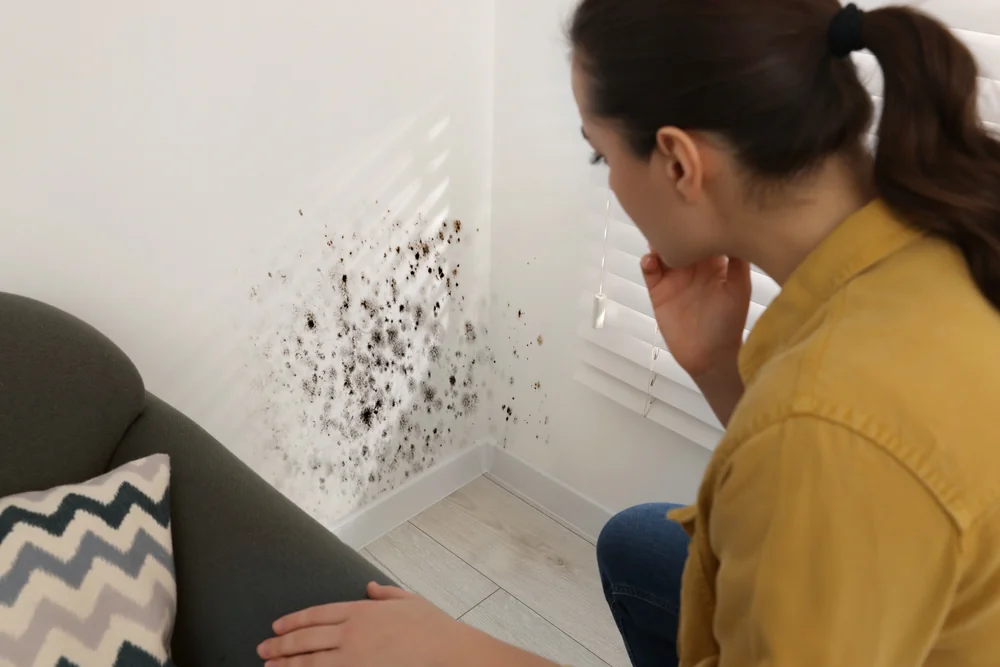
If you’re smelling something musty or moldy, that’s a sign. If someone in your house has allergies or asthma that seem worse at home than anywhere else, that’s another. Unexplained headaches, fatigue, coughing, or respiratory issues that improve when you leave the house are all red flags.
Visible mold is obvious, but you don’t always see it. Mold grows behind walls, under floors, in HVAC ducts, and in crawl spaces. If you’ve had any water damage—leaky roof, burst pipe, basement flooding—there’s a good chance mold is growing somewhere, even if you can’t see it.
Homes in Maple Shade that were built before 1980 are especially vulnerable. Many of these homes don’t have proper vapor barriers, ventilation, or drainage systems. Combine that with humid Pennsylvania summers, and you’ve got perfect conditions for mold and poor indoor air quality. If your home fits that description and you’ve never had the air tested, it’s worth doing. You’re not being paranoid—you’re being smart.
You can, but it won’t tell you much. DIY mold test kits are designed to detect mold spores in the air, and here’s the thing: every home has mold spores in the air. Always. So a DIY kit will almost always come back positive, but that doesn’t mean you have a mold problem.
What matters is the type of mold, the concentration, and whether it’s at levels that can actually harm your health. DIY kits don’t measure that. They just confirm that mold exists, which you already knew. Professional testing uses calibrated equipment and lab analysis to identify specific mold species and spore counts. That’s what tells you if you need remediation or if your levels are normal.
If you’re trying to save money, we get it. But a $30 kit that gives you no useful information isn’t a bargain. It’s a waste. A professional mold air test costs more upfront, but it gives you real data you can act on. And if you do have a problem, catching it early with accurate testing saves you thousands in remediation costs down the road.
Yes. Pennsylvania has one of the highest radon levels in the country, and Bucks County is no exception. Radon is a radioactive gas that seeps up through cracks in your foundation. You can’t see it, smell it, or taste it. And it’s the second leading cause of lung cancer in the U.S., responsible for about 21,000 deaths every year.
The EPA estimates that 40% of Pennsylvania homes have radon levels above the action guideline of 4.0 picocuries per liter. That’s not a small risk. If your home has never been tested, you’re rolling the dice. Radon testing is inexpensive—usually under $200—and it takes just a couple of days. If your levels are high, mitigation is straightforward and effective.
This is especially important if you have a basement or if your home was built on a slab foundation. Radon moves through soil and enters homes through cracks, gaps, and openings in the foundation. Older homes in Maple Shade are more likely to have these vulnerabilities. Testing is the only way to know if you’re at risk, and if you are, fixing it protects your family for the long term.
If we find mold, allergens, or other contaminants at levels that need attention, we’ll walk you through exactly what that means and what your options are. Not every finding requires full remediation. Sometimes it’s a ventilation issue or a dehumidifier. Sometimes it’s more involved.
If remediation is necessary, we’ll give you a clear, detailed estimate before any work starts. We’ll explain what needs to be removed, what needs to be cleaned, and what needs to be fixed to prevent the problem from coming back. We don’t just treat symptoms—we find the source and fix it so it doesn’t return.
We handle the entire process, from testing to remediation to final clearance testing. You’re not getting bounced around to different companies. And we work with insurance companies regularly, so if your policy covers it, we’ll help you file the claim and deal with the paperwork. Our job is to make this as straightforward as possible so you can get back to breathing clean air without the stress of managing a complicated process.
Other Services we provide in Maple Shade