
Hear from Our Customers
You can’t see mold spores. You can’t see volatile organic compounds. You can’t see the dust and dander circulating through your vents every time the heat kicks on.
But you might feel them. Headaches that won’t quit. Allergies that flare up indoors. A stuffiness that hangs in certain rooms no matter how much you clean.
Indoor air can hold two to five times more pollutants than outdoor air. That’s not a scare tactic—it’s what happens when moisture, poor ventilation, and everyday household products combine in an enclosed space. A home air quality test cuts through the guesswork and tells you exactly what’s in the air your family breathes.
Once you know what’s there, you can fix it. If mold spores show up, you address them before they spread. If humidity levels are off, you adjust before damage starts. And if the air comes back clean, you get real peace of mind—not just a hope that everything’s fine.
We’ve been testing indoor air quality and inspecting for mold in Bucks County for over 20 years. We know how homes in Hilltop, PA are built, how they age, and where problems tend to hide.
Basements that stay damp after spring rains. Attics with ventilation issues. Crawl spaces that trap moisture year-round. These aren’t surprises to us—they’re patterns we’ve seen hundreds of times.
You’ll hear back within 24 to 48 hours of your request. We use professional-grade equipment that measures air quality continuously over at least 48 hours, so the data reflects real conditions—not just a snapshot. And when the results come in, we explain what they mean in plain terms and what your options are if something needs attention.

First, we place calibrated monitors in key areas of your home. These devices track temperature, humidity, carbon dioxide, carbon monoxide, VOCs, particulates, and airborne mold spores. They run for at least 48 hours to capture how your indoor air behaves under normal living conditions.
We’re not just checking one room or one moment. We’re measuring patterns—how air quality shifts when you cook, when the HVAC runs, when doors and windows stay closed. That gives us a complete picture, not a guess.
After the monitoring period, we pull the data and analyze it. If mold spores are elevated, we identify the likely source. If VOC levels are high, we help you understand where they’re coming from. If humidity is the issue, we explain how it’s affecting your air and what it could lead to if ignored.
Then we walk you through the results. You’ll know what’s in your air, what’s causing it, and what makes sense to do next. No pressure, no upselling—just clear information so you can make the right call for your home.

Ready to get started?
A residential air quality test from us covers the full range of indoor pollutants that affect your health and your home. We test for airborne mold spores, which can travel through ducts and settle in places you’d never see. We measure VOCs—chemicals released by cleaning products, paints, furniture, and building materials that accumulate indoors.
We track particulates like dust and dander, which mold spores cling to as they move through your home. We monitor carbon monoxide and carbon dioxide levels to make sure your HVAC system and appliances are venting properly. And we measure temperature and humidity, because excess moisture is the root cause of most mold problems in Bucks County homes.
Hilltop’s climate creates ideal conditions for mold growth, especially in older homes with basements or crawl spaces. Humidity spikes in summer, condensation builds in winter, and small leaks turn into bigger problems if they go unnoticed. Testing catches these issues early, when they’re still manageable.
You’re not just getting a report. You’re getting a snapshot of what’s happening inside your walls, your ducts, and the air you breathe every day—and a roadmap for fixing it if needed.
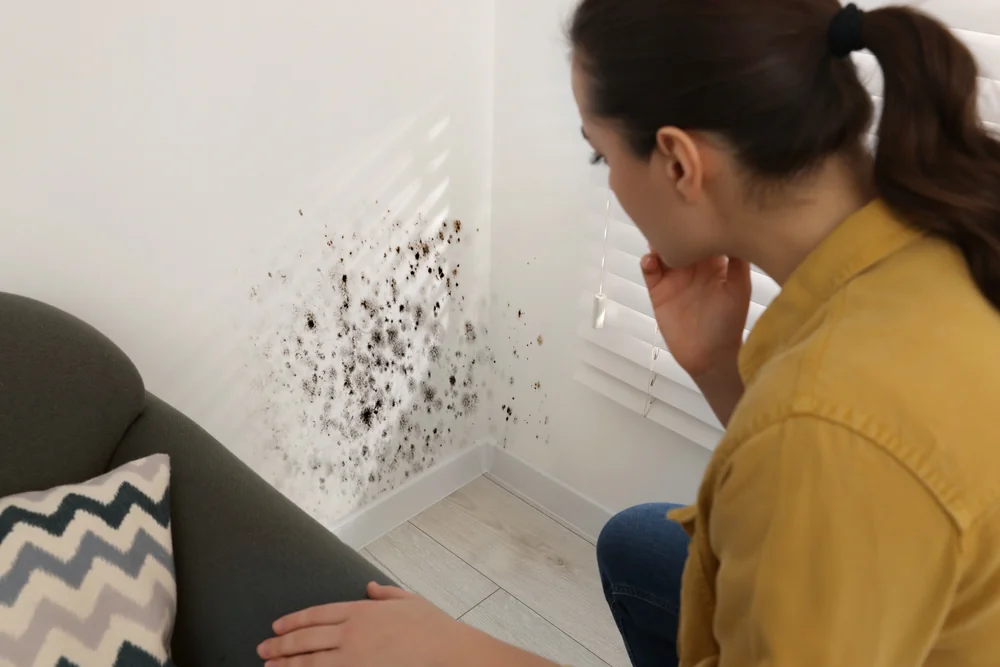
If you’re dealing with unexplained allergy symptoms, persistent headaches, or respiratory irritation that gets worse indoors, a mold air test can confirm whether airborne spores are the cause. Visible mold is an obvious trigger, but mold often grows in hidden areas—inside walls, under flooring, in ductwork—and releases spores into the air without any surface signs.
You might also consider testing if you’ve had water damage, even if it was cleaned up. Moisture creates conditions for mold to grow behind drywall or under carpet padding, and spores can circulate long after the visible problem is gone. A musty smell, condensation on windows, or rooms that feel damp are all signs that moisture levels are high enough to support mold growth.
Testing gives you a definitive answer. If spores are present, you can take action before health symptoms worsen or the problem spreads. If the air comes back clean, you’ve ruled out mold and can focus on other potential causes.
A mold inspection is a visual assessment. We look for visible mold growth, water damage, moisture sources, and conditions that support mold. It’s useful when you can see or smell a problem and need to identify the extent and location.
Air quality testing measures what’s actually in the air. Even if there’s no visible mold, spores can be present and circulating through your home. Testing picks up on hidden contamination that an inspection might miss, especially if mold is growing inside walls, ducts, or other concealed spaces.
In many cases, both make sense. An inspection identifies the source, and testing confirms whether spores are affecting your indoor air. If you’re experiencing symptoms but can’t find visible mold, testing is the better starting point. If you see mold and want to know how far it’s spread, an inspection paired with air sampling gives you the full picture.
The actual monitoring period takes at least 48 hours. We place calibrated devices in your home that continuously measure air quality over that time. This isn’t a quick snapshot—it’s a detailed look at how your indoor air behaves under real living conditions.
Once the monitoring period ends, we collect the devices and analyze the data. You’ll typically have results and a full explanation within a few days. The process is non-invasive. You don’t need to leave your home, and the monitors run quietly in the background while you go about your routine.
If we find elevated mold spores or other pollutants, we’ll explain what the levels mean, where they’re likely coming from, and what your next steps should be. If everything comes back clean, you’ll have documentation and peace of mind.
Yes. A comprehensive indoor air quality test measures multiple pollutants, not just mold spores. We track VOCs, which are chemicals released by household products, building materials, and furnishings. High VOC levels can cause headaches, dizziness, and respiratory irritation, especially in homes with poor ventilation.
We also measure particulates like dust and dander, which aggravate allergies and asthma. Carbon monoxide and carbon dioxide levels tell us whether your HVAC system and appliances are venting properly—a safety concern that often goes unnoticed. And we monitor temperature and humidity, because excess moisture fuels mold growth and damages building materials over time.
Indoor air quality is about more than just mold. It’s about understanding the full range of contaminants that affect your health and your home. Testing identifies all of them, so you can prioritize what needs attention first.
If testing shows elevated mold spore levels, the next step is identifying the source. Mold needs moisture to grow, so we look for leaks, condensation, high humidity, or past water damage that’s creating the right conditions. Once we know where the moisture is coming from, we can address both the mold and the underlying cause.
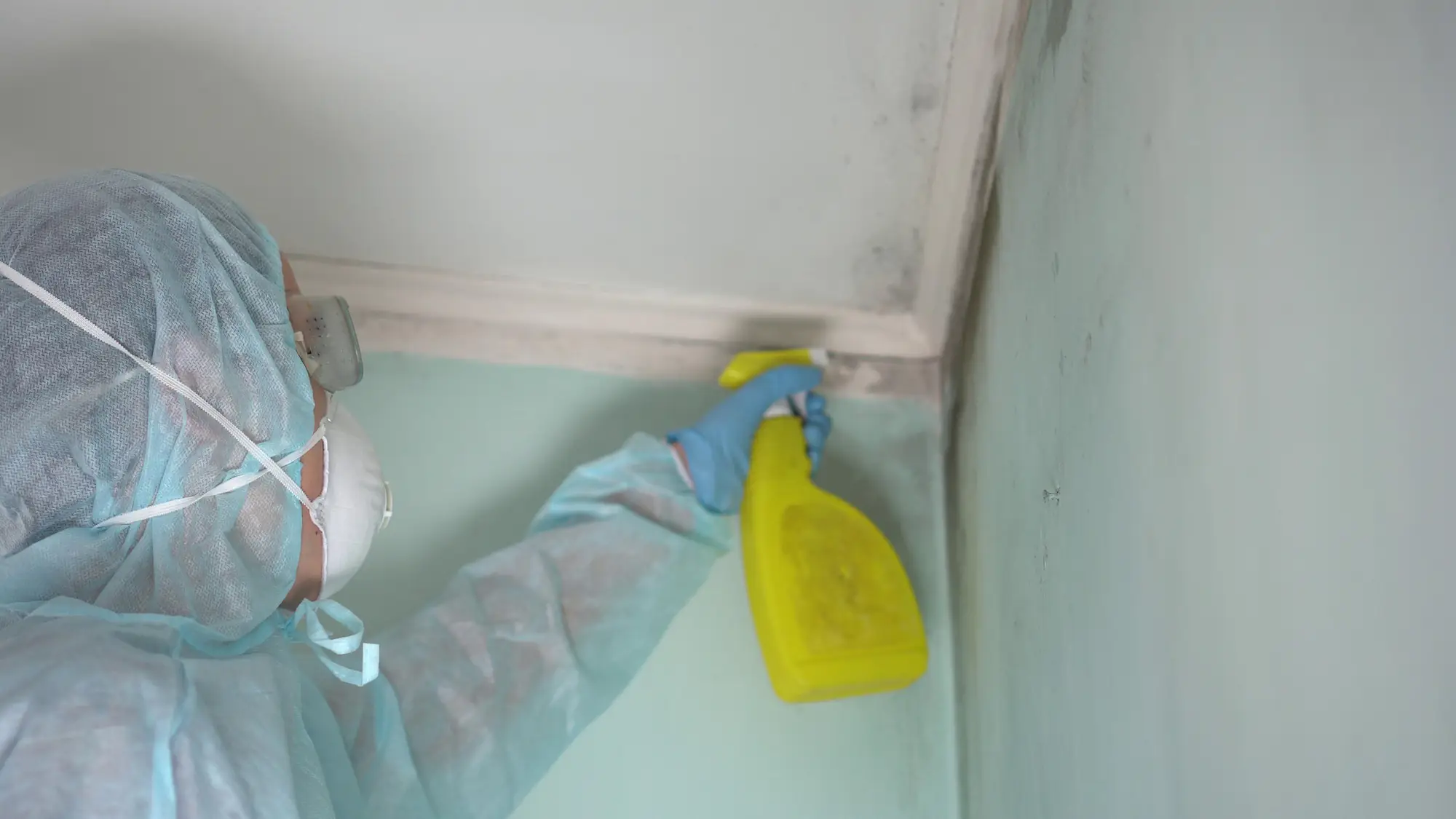
Remediation depends on the extent of the problem. Small, localized mold growth might be manageable with targeted cleaning and moisture control. Larger infestations—especially those inside walls or ductwork—require professional removal to prevent spores from spreading during cleanup.
After remediation, we can retest to confirm that spore levels have returned to normal. The goal isn’t just to remove visible mold—it’s to make sure the air is safe and the conditions that allowed mold to grow in the first place have been corrected. You’ll know the problem is actually solved, not just covered up.
Professional air quality testing typically costs between $250 and $600, depending on the size of your home and the scope of testing. A basic mold air test focuses on spore levels in key areas. A comprehensive indoor air quality test measures mold, VOCs, particulates, carbon monoxide, carbon dioxide, temperature, and humidity across multiple rooms.
The investment makes sense when you consider what you’re getting. You’re not guessing about whether your home has a mold problem or whether your air is safe. You’re getting data from calibrated equipment, analyzed by someone with 20 years of experience in Bucks County homes, with clear recommendations on what to do next.
If testing reveals a problem, catching it early saves money. Mold remediation costs increase the longer contamination spreads. Structural damage from excess moisture gets worse over time. And health issues caused by prolonged exposure to poor indoor air add up in medical bills and missed work. Testing gives you the information you need to act before small problems become expensive ones.
Other Services we provide in Hilltop