
Hear from Our Customers
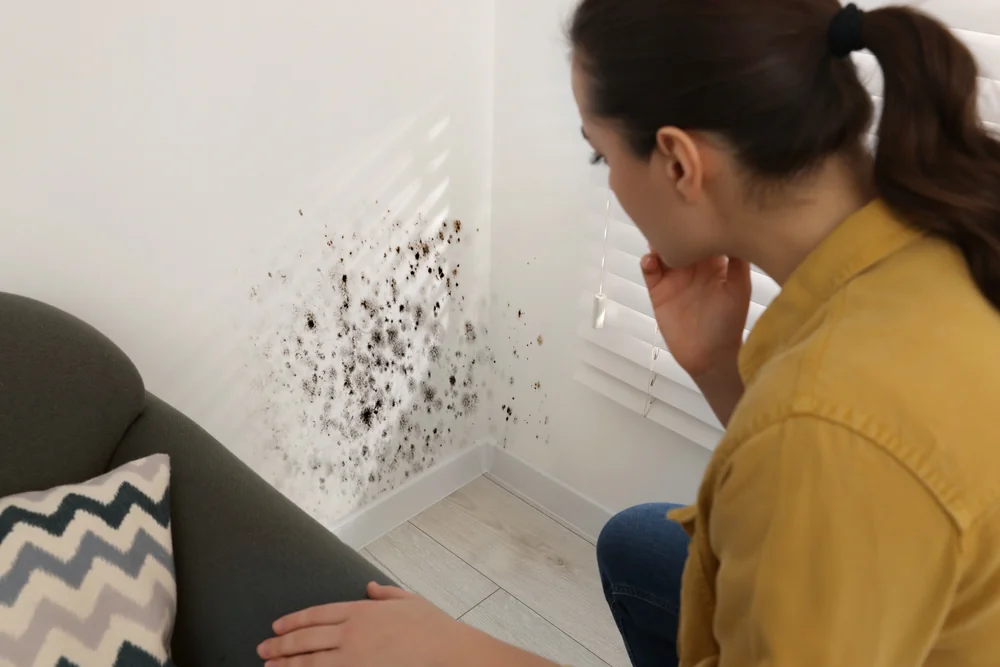
You’re noticing things. Maybe it’s a cough that won’t go away when you’re home but clears up at work. Maybe your kids’ allergies seem worse in certain rooms. Maybe you smell something musty in the basement but can’t pinpoint where it’s coming from.
A home air quality test gives you actual data instead of guesswork. You’ll know if mold spores are present, where they’re concentrated, and what other pollutants might be affecting your family. That means you can make informed decisions about what needs to happen next, whether that’s remediation, ventilation improvements, or just peace of mind that everything’s fine.
Fair Hill’s climate doesn’t do you any favors. Humid summers create perfect conditions for mold growth, especially in older homes where moisture barriers weren’t standard. Winter freeze-thaw cycles can cause small leaks that turn into bigger problems by spring. Professional air quality testing catches these issues early, before they become expensive repairs or ongoing health concerns.
We’ve been doing residential air quality testing in Bucks County since before it was a common service. That means we’ve seen what happens in Fair Hill’s post-war homes when humidity gets trapped in crawl spaces, how attic ventilation affects mold growth, and where moisture tends to hide in local construction styles.
We use EPA-approved methods and equipment that actually measures what’s in your air, not just surface-level observations. We test for mold spores, measure humidity levels, check for carbon dioxide concentrations, and identify other indoor pollutants that affect how you feel in your own home.
You get results within 72 hours, a clear explanation of what we found, and honest recommendations about what to do next. If there’s a problem, we’ll tell you. If your air quality is fine, we’ll tell you that too.

We start with a free inspection of your property. That means walking through your home, looking at areas where moisture problems typically show up—basements, bathrooms, attics, crawl spaces—and asking about any symptoms or concerns you’ve noticed.
Then we collect air samples from different areas of your home using specialized equipment. We’re measuring mold spore counts, identifying specific types of mold if present, and checking for other air quality issues like elevated CO2 or volatile organic compounds. We also take outdoor samples for comparison, because some mold spores are always present in outside air.
The samples go to an accredited lab for analysis. You get a detailed report that shows exactly what’s in your air, how it compares to outdoor levels and normal ranges, and what it means for your home. We walk you through the results in plain language and explain your options if remediation is needed. If we find mold, we’ll also inspect to locate the moisture source, because removing mold without fixing what caused it just means it’ll come back.
Ready to get started?
A professional air quality test covers more than just checking for mold. You’re getting a comprehensive look at what’s affecting your indoor environment.
We measure mold spore counts and identify specific mold types, which matters because some species cause more health problems than others. We check humidity levels throughout your home, since high moisture is what allows mold to grow in the first place. We test for common indoor pollutants and allergens that affect respiratory health. And we inspect the physical spaces where problems typically develop—anywhere moisture can accumulate or ventilation is poor.
Fair Hill homes face specific challenges. Many properties here were built in the 1950s and 60s, when building practices were different. Basements often have stone foundations that allow moisture penetration. Attics may lack proper ventilation. Bathrooms might not have exhaust fans that vent outside. These aren’t defects—they’re just how homes were built back then. But they do create conditions where mold can thrive if you’re not paying attention.
Regular testing makes sense if you’ve had water damage, if you’re buying or selling property, if someone in your family has unexplained respiratory symptoms, or if you just want to know your baseline air quality. Most people don’t think about indoor air until there’s a problem. Testing before there’s an obvious issue means you can prevent problems instead of reacting to them.
You need testing if you’re experiencing health symptoms that improve when you leave the house—things like persistent coughing, headaches, fatigue, or allergy symptoms that seem worse at home. You also need it if you’ve had any water damage, even if it was cleaned up quickly, because mold can start growing within 24-48 hours of water exposure.
Testing makes sense if you smell musty odors but can’t find visible mold, if you’re buying a home and want to know what you’re getting into, or if you’re selling and want documentation that your property is clean. It’s also smart after any flooding, roof leaks, or plumbing problems, even if everything looks dry on the surface.
Fair Hill’s older homes often have hidden moisture issues. You might have a small leak in your basement that’s been there for months, or poor attic ventilation that’s creating condensation you don’t see. Testing catches these problems before they turn into major remediation projects.
DIY kits from hardware stores are limited. Most only tell you if mold is present, which isn’t particularly useful because some mold is present in almost every home. They don’t tell you what type of mold, how much is there, or whether the levels are actually problematic.
Professional air quality testing measures spore counts and identifies specific mold species. That matters because some molds are relatively harmless while others produce mycotoxins that cause serious health issues. We also compare your indoor levels to outdoor samples, which gives context—if you have 500 spores per cubic meter inside and 600 outside, that’s normal. If you have 5,000 inside and 600 outside, you have a problem.
We use calibrated equipment that actually quantifies what’s in your air, not just a petri dish that grows whatever lands on it. And we inspect your property to find the source of any issues, which DIY kits can’t do. You’re not just getting data—you’re getting an assessment from someone who’s seen hundreds of Bucks County homes and knows what to look for.
The actual testing takes about an hour to an hour and a half, depending on your home’s size and how many areas we’re sampling. We collect air samples from multiple locations, take outdoor comparison samples, and do a visual inspection of areas where moisture problems typically occur.
The samples go to an accredited laboratory for analysis. You’ll have results back within 72 hours, usually sooner. The lab report shows exactly what was found, spore counts for different mold types, and how your indoor air compares to outdoor air and normal ranges.
We’ll walk you through the results and explain what they mean in practical terms. If remediation is needed, we’ll give you a clear plan for what needs to happen. If your air quality is fine, you’ll have documentation proving it. Either way, you’re not waiting weeks wondering what’s going on in your home.
Air quality testing is non-invasive. We’re collecting air samples, not cutting holes in your walls or removing materials. The equipment pulls air through a collection device that captures spores and particles for lab analysis. It doesn’t damage anything.
If we find evidence of mold during the visual inspection and need to confirm what’s behind a wall or under flooring, we’ll discuss that with you first. But the standard air testing process doesn’t require any demolition or repairs afterward.
The only exception is if we’re doing a full mold inspection in addition to air testing and we need to access a crawl space, attic, or other area that requires moving stored items or opening access panels. Even then, we’re just looking—not cutting or removing building materials unless you’ve specifically asked us to investigate a known problem area.
Testing typically costs between $300-$600 depending on your home’s size and how many samples are needed. A small home might only need two or three sample locations. A larger property with multiple levels, a basement, and an attic might need five or six samples to get accurate data.
We offer free inspections, so you’re not paying anything to have us come out, look at your property, and give you an honest assessment of whether testing is necessary. Some situations are obvious—you can see mold growth or you’ve had significant water damage. Other times, testing is the only way to know if there’s actually a problem or if you’re worrying about nothing.
If you do need remediation after testing, many insurance policies cover mold removal when it’s caused by a covered event like a burst pipe or storm damage. We work with insurance companies regularly and can help with documentation. The testing cost is usually separate, but it’s also the evidence you need to support a claim if your policy covers the remediation work.
If testing shows elevated mold levels, the next step is finding and fixing the moisture source. Mold doesn’t grow without moisture, so there’s always an underlying cause—a leak, condensation problem, poor ventilation, or water intrusion somewhere.
We’ll inspect to locate where moisture is getting in and recommend repairs to stop it. Then we’ll give you a remediation plan that outlines what needs to be removed, what can be cleaned, and how we’ll prevent it from coming back. Remediation might be as simple as removing some drywall and treating the area, or it might involve more extensive work if the problem has been ongoing.
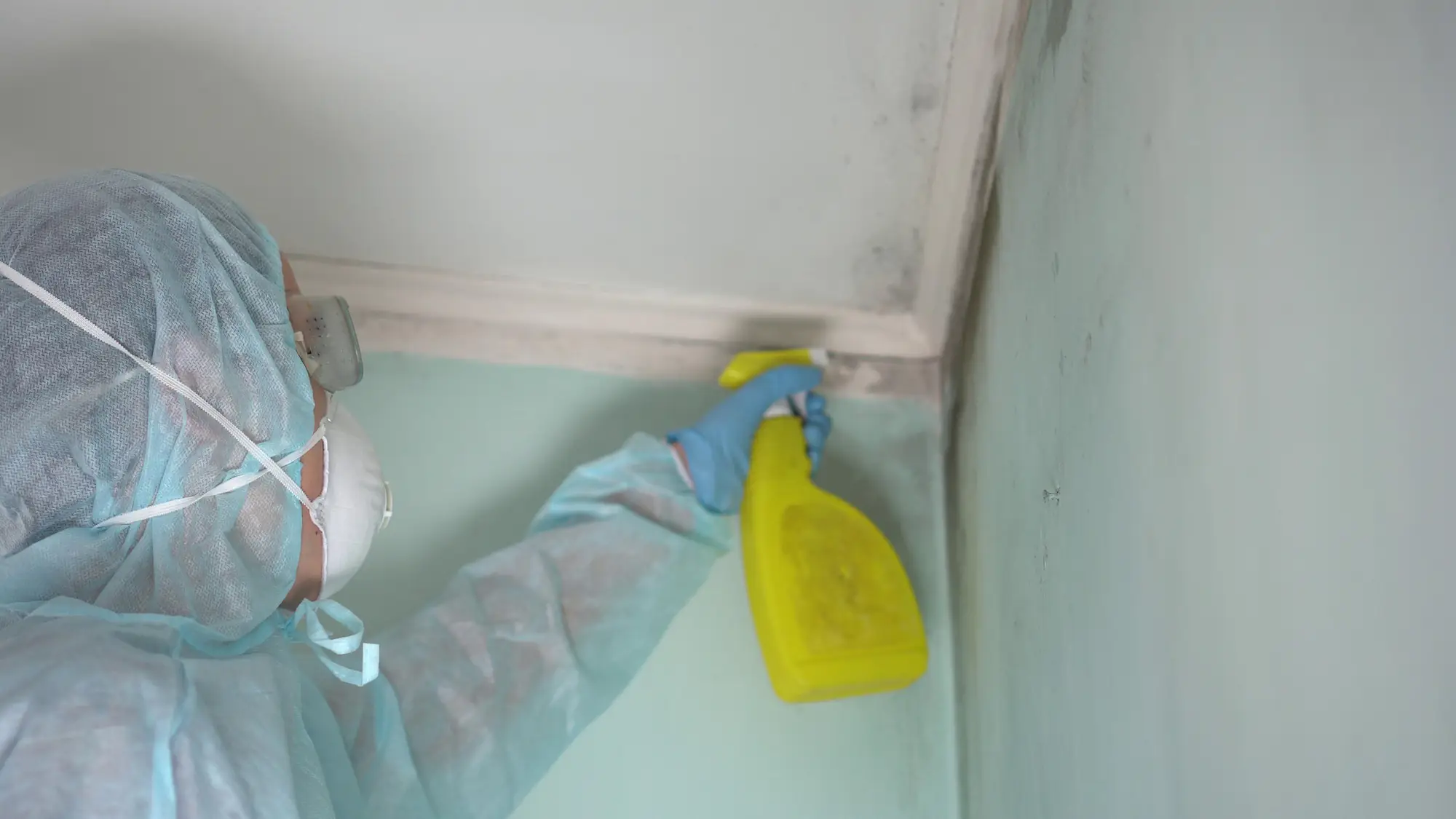
We use EPA-approved methods and contain the work area to prevent spores from spreading to clean parts of your home during removal. After remediation is complete, we do post-testing to verify that spore counts are back to normal levels. You’re not guessing whether the problem is actually fixed—you have lab results confirming it. And we identify what caused the mold in the first place so you can prevent it from happening again.
Other Services we provide in Fair Hill