
Hear from Our Customers
You’ve noticed something’s off. Maybe it’s a musty smell that won’t go away. Maybe someone in your house has been dealing with unexplained respiratory issues, constant headaches, or allergies that seem worse indoors than out. You’ve cleaned, you’ve opened windows, but nothing changes.
An indoor air quality test gives you actual data. Not guesses. Not maybes. We collect air samples from your home, send them to a certified lab, and get back detailed results that show exactly what’s floating around in there—mold spores, allergens, particulates, whatever’s present.
From there, you know what you’re dealing with. If there’s a problem, you can fix it. If there’s not, you have peace of mind. Either way, you’re not wondering anymore.
We’ve been serving Andalusia and the rest of Bucks County since 2010. We’ve tested hundreds of homes in this area, and we know what tends to show up in older properties near the Delaware River, in basements that flood during heavy rain, and in homes with HVAC systems that haven’t been maintained.
We’re not a franchise. We’re local. We know the climate here, the housing stock, and the common issues homeowners face. When we test your air, we’re looking at it through the lens of what actually happens in Bucks County homes—not some generic checklist.
You’ll get straightforward results, a clear explanation of what they mean, and honest advice on what to do next. No upselling. No scare tactics. Just information you can use.
We start with a walkthrough of your home. You tell us what you’ve noticed—smells, symptoms, problem areas. We look for visible signs of moisture, mold, or ventilation issues. This helps us understand where to focus.
Then we set up air sampling equipment. We use specialized cassettes that pull in microscopic particles from the air in different rooms. We typically test multiple areas—problem spots you’ve identified, plus a few baseline rooms for comparison. We also take an outdoor sample so we can see how your indoor air compares to what’s normal outside.
The samples go to an accredited microbiology lab. They analyze what’s in there under a microscope and send back a detailed report. This usually takes a few days. Once we get the results, we sit down with you and walk through what they mean. If mold spores are elevated, we explain which types, where they’re likely coming from, and what needs to happen. If levels are normal, we tell you that too.
From there, it’s your call. If remediation is needed, we can handle it. If the issue is something else—like HVAC maintenance or a moisture problem—we’ll point you in the right direction.
Ready to get started?
Every residential air quality testing appointment includes a visual inspection, air sample collection from multiple rooms, lab analysis by a certified microbiology lab, and a detailed report that breaks down what was found. We explain the results in plain language—no jargon, no confusing charts you can’t interpret.
In Andalusia and the surrounding Bucks County area, we see a lot of elevated mold spore counts tied to basement moisture and poor attic ventilation. Homes built in the 70s and 80s often have insulation issues that trap humidity. Properties near the river deal with seasonal flooding. Older HVAC systems can circulate contaminated air if ducts haven’t been cleaned in years.
A home air quality test helps you understand if any of those issues are affecting your indoor environment. It’s especially useful if you’re buying a home, dealing with persistent health symptoms, or trying to figure out if that musty smell is actually mold or just an old house smell.
You’ll also get recommendations based on what we find. If it’s a minor issue, we’ll tell you. If it’s something that needs professional attention, we’ll explain why and what’s involved. The goal is to give you enough information to make a smart decision about your home and your health.
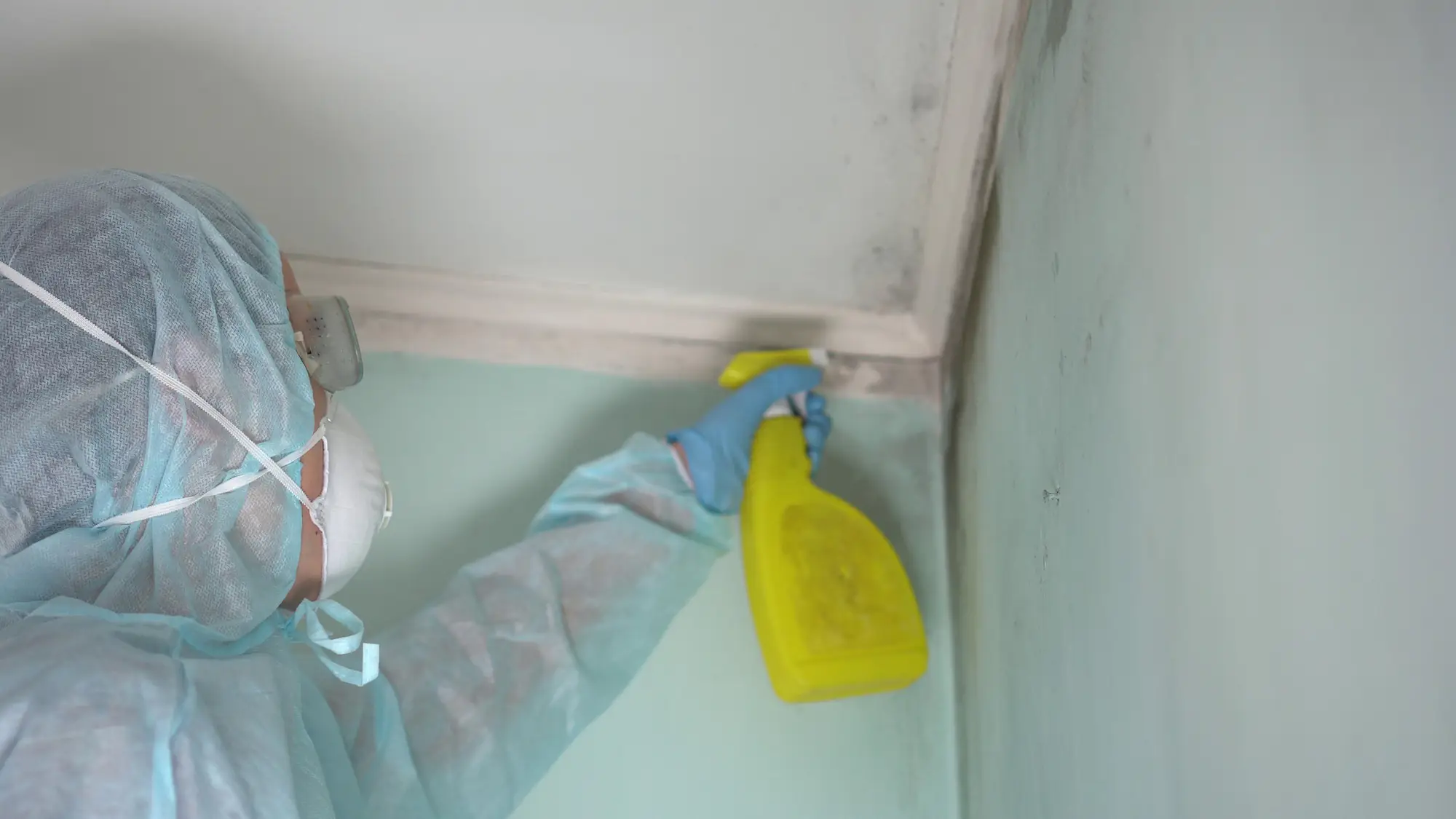
If you smell something musty but can’t find visible mold, that’s a good reason to test. Same if someone in your house has unexplained respiratory symptoms, sinus issues, or allergies that get worse at home. You might also want testing if you’ve had water damage in the past and want to make sure it didn’t leave behind a hidden problem.
Testing is also smart if you’re buying a home in Andalusia or anywhere in Bucks County, especially an older property. Basements here tend to have moisture issues, and attics often lack proper ventilation. A mold air test gives you a clear picture before you commit to a purchase.
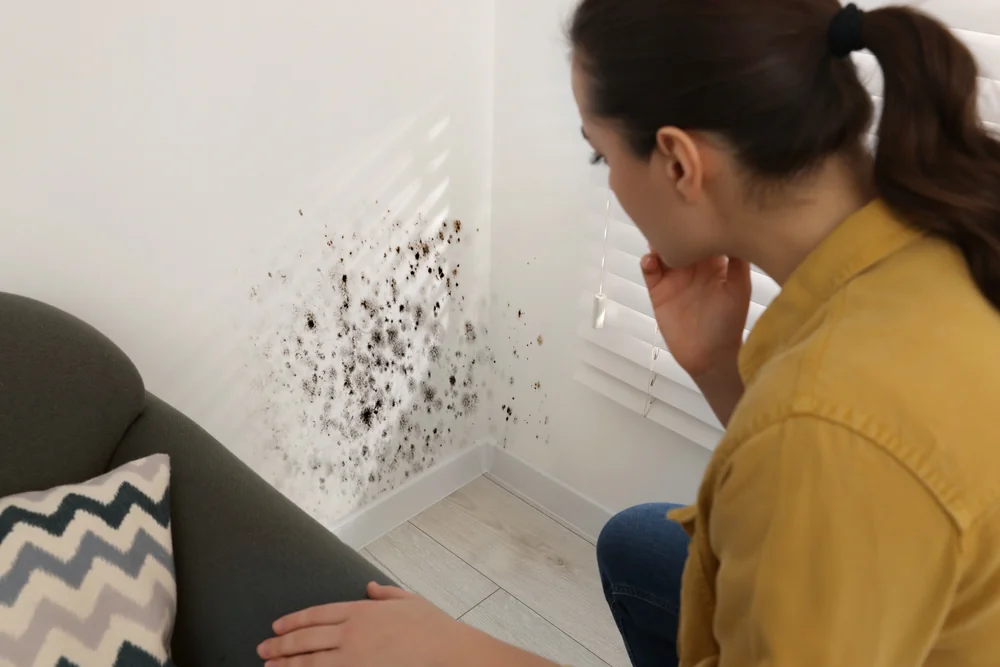
You don’t need testing if you can see mold growing on a wall or ceiling. At that point, you already know there’s a problem. The next step is remediation, not testing. But if things feel off and you’re not sure why, testing gives you answers.
We’re measuring mold spore counts and types. The lab looks at how many spores are in each cubic meter of air and identifies which species are present. Some molds are harmless. Others produce mycotoxins and can cause health problems, especially with prolonged exposure.
The report compares your indoor levels to the outdoor sample we take. Indoor air should generally have lower spore counts than outdoor air. If your indoor numbers are higher, or if you have mold types indoors that aren’t showing up outside, that indicates a problem inside the home.
We also look at the types of mold. Certain species—like Stachybotrys, commonly called black mold—are red flags. Others, like Cladosporium, are common outdoors and not usually a concern unless counts are really elevated. The lab report breaks all this down, and we explain what it means for your specific situation.
The actual sampling takes about an hour, sometimes less depending on the size of your home and how many rooms we’re testing. We’re not there all day. We set up the equipment, let it run for a set period to collect enough air volume, then pack up and send the samples to the lab.
Results usually come back in three to five business days. Some labs are faster, but we use ones that are thorough and accredited. Once we have the report, we’ll call you to schedule a time to go over it. That conversation usually takes 20 to 30 minutes, and we’ll answer any questions you have.
If the results show a problem and you want to move forward with remediation, we can usually start within a few days. If everything looks fine, you’re done—no follow-up needed unless something changes down the road.
You can, but the results aren’t as reliable. Most DIY kits use petri dishes that collect whatever lands on them over a few days. The problem is they don’t measure air volume or give you spore counts. They just grow whatever settles, which doesn’t tell you much about what you’re actually breathing.
Professional air quality testing uses calibrated pumps that pull a specific volume of air through a collection medium. The lab then counts spores per cubic meter, which gives you real data you can compare to outdoor levels and industry standards. That’s how you know if there’s actually a problem or if you’re within normal range.
If you’re dealing with health symptoms or trying to make a decision about remediation, you want accurate information. DIY kits are cheap, but they’re not going to give you the clarity you need. A professional test costs more upfront, but it’s worth it for the accuracy and the interpretation that comes with it.
First, we’ll walk you through the results and explain what’s elevated and why it matters. Not all mold is dangerous, but high counts of certain types mean there’s a source somewhere in your home that needs to be addressed. We’ll talk about where it’s likely coming from based on what we saw during the inspection.
If remediation is needed, we’ll give you a clear estimate of what’s involved. That might mean removing contaminated materials, cleaning affected areas with specialized equipment, and fixing the moisture problem that caused it in the first place. We don’t just clean up mold and leave—we find the source and fix it so it doesn’t come back.
You’re not locked into using us for the work. You can take the test results to any remediation company you want. But if you do hire us, we’ll handle it start to finish, and we’ll retest after the work is done to confirm that spore levels are back to normal. That’s how you know the problem is actually solved.
We offer free mold inspections, which include a visual assessment of your property and a consultation about what we find. If we see visible mold or clear signs of a moisture problem, we can often give you a remediation estimate without needing an air test. In those cases, testing isn’t necessary because the problem is obvious.
Air quality testing itself isn’t free because it involves lab fees and specialized equipment. But the cost is straightforward—we’ll tell you upfront what it runs, and there are no hidden charges. If you move forward with remediation after testing, we can often apply the testing fee toward the total cost of the work.
If you’re not sure whether you need testing or just an inspection, call us. We’ll ask a few questions about what you’re dealing with and give you honest advice about the best next step. Sometimes testing is the right move. Sometimes it’s not. We’re not going to sell you something you don’t need.
Other Services we provide in Andalusia