

Hear from Our Customers
You’re smelling something musty. Or maybe someone in your house can’t stop coughing. Maybe you just bought a home built in the 70s and want to know what’s behind the walls before problems start.
Mold testing gives you answers. Not guesses, not maybes—actual data about what’s growing in your home, where it’s growing, and how much of it there is. That’s what lets you make smart decisions instead of expensive ones.
With professional mold testing, you get lab-confirmed results that tell you if you’re dealing with common surface mold or something more serious like black mold. You get documentation that insurance companies and real estate agents actually accept. And you get a clear path forward—whether that’s a simple cleanup or a larger remediation project—based on facts, not fear.
The difference between DIY kits and professional testing isn’t just accuracy. It’s knowing you checked the right places, used the right methods, and got results you can actually trust.
We’ve been serving White Horse and the surrounding Bucks County area since the early 2000s. We’re IICRC-certified, which means we follow the same standards that insurance companies and health departments require.
We’re not new to this area or this work. We know that homes in White Horse—especially the ones built in the 70s and earlier—have quirks. Older construction, settled foundations, Pennsylvania’s wet springs. These aren’t just talking points for us. They’re the conditions we see every week.
You’re not getting a national franchise or a crew learning on the job. You’re getting local professionals who’ve tested hundreds of properties just like yours and know what to look for.
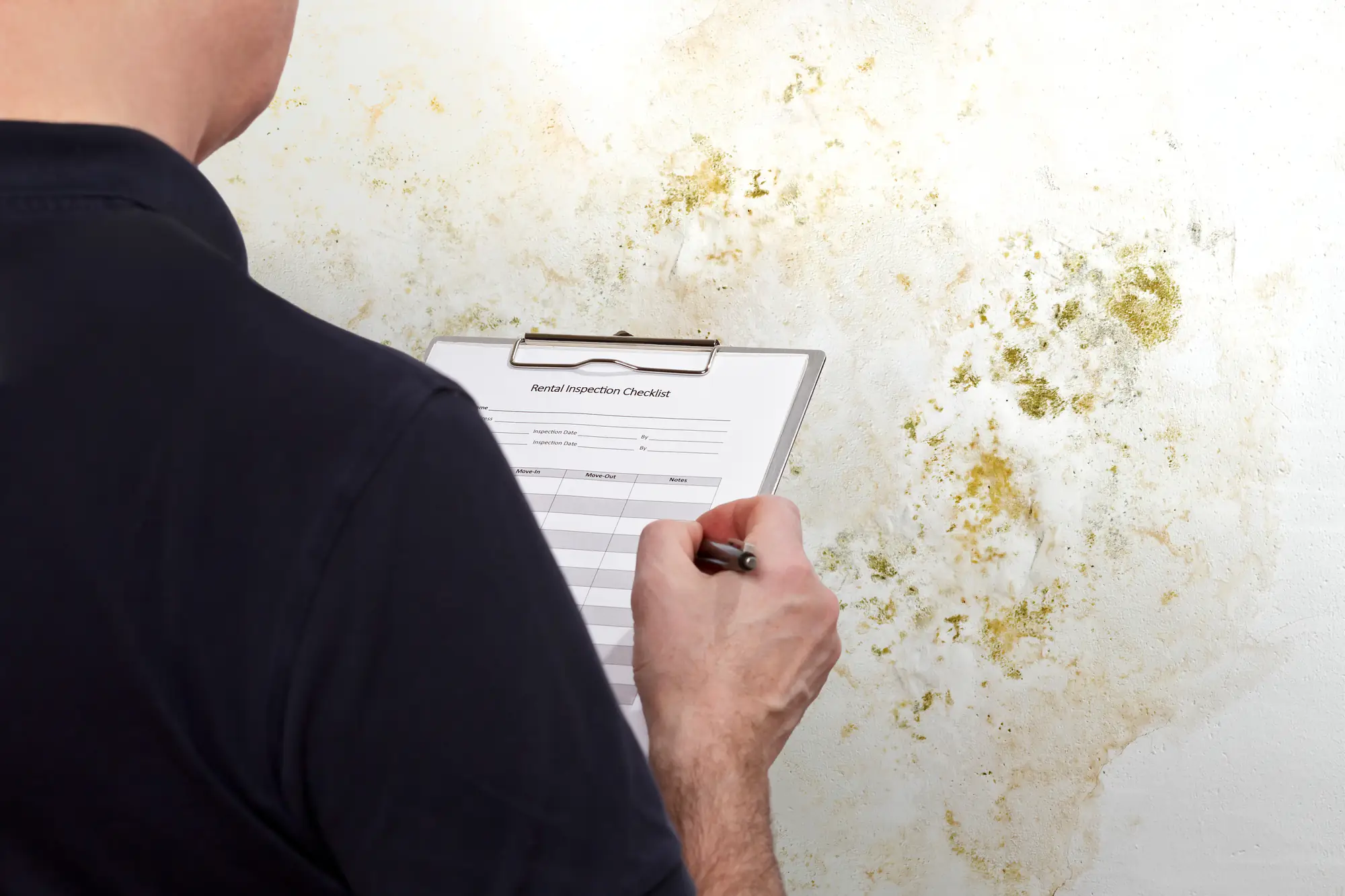
First, we schedule a time that works for you. Most inspections take one to two hours depending on the size of your home and what we’re looking for.
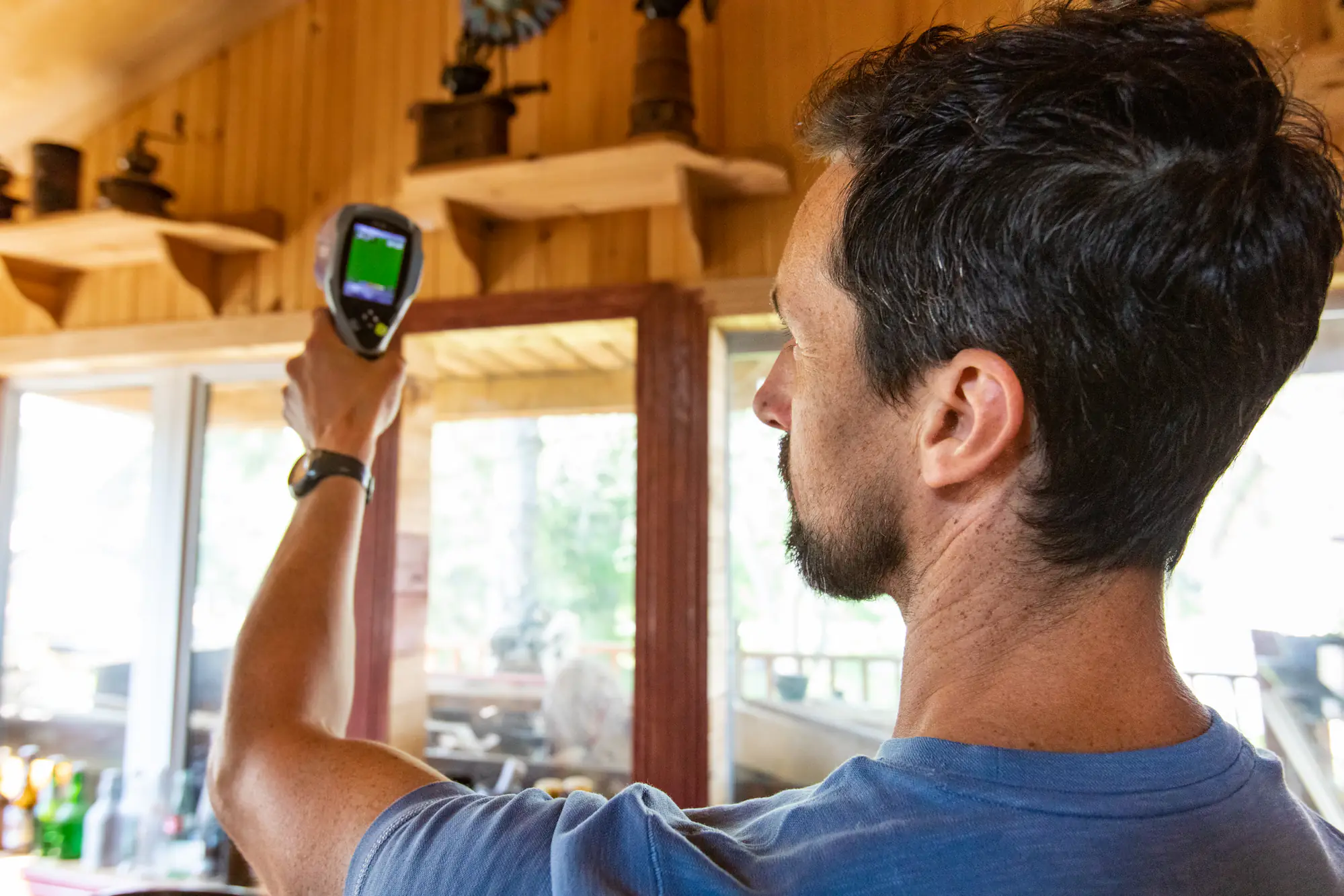
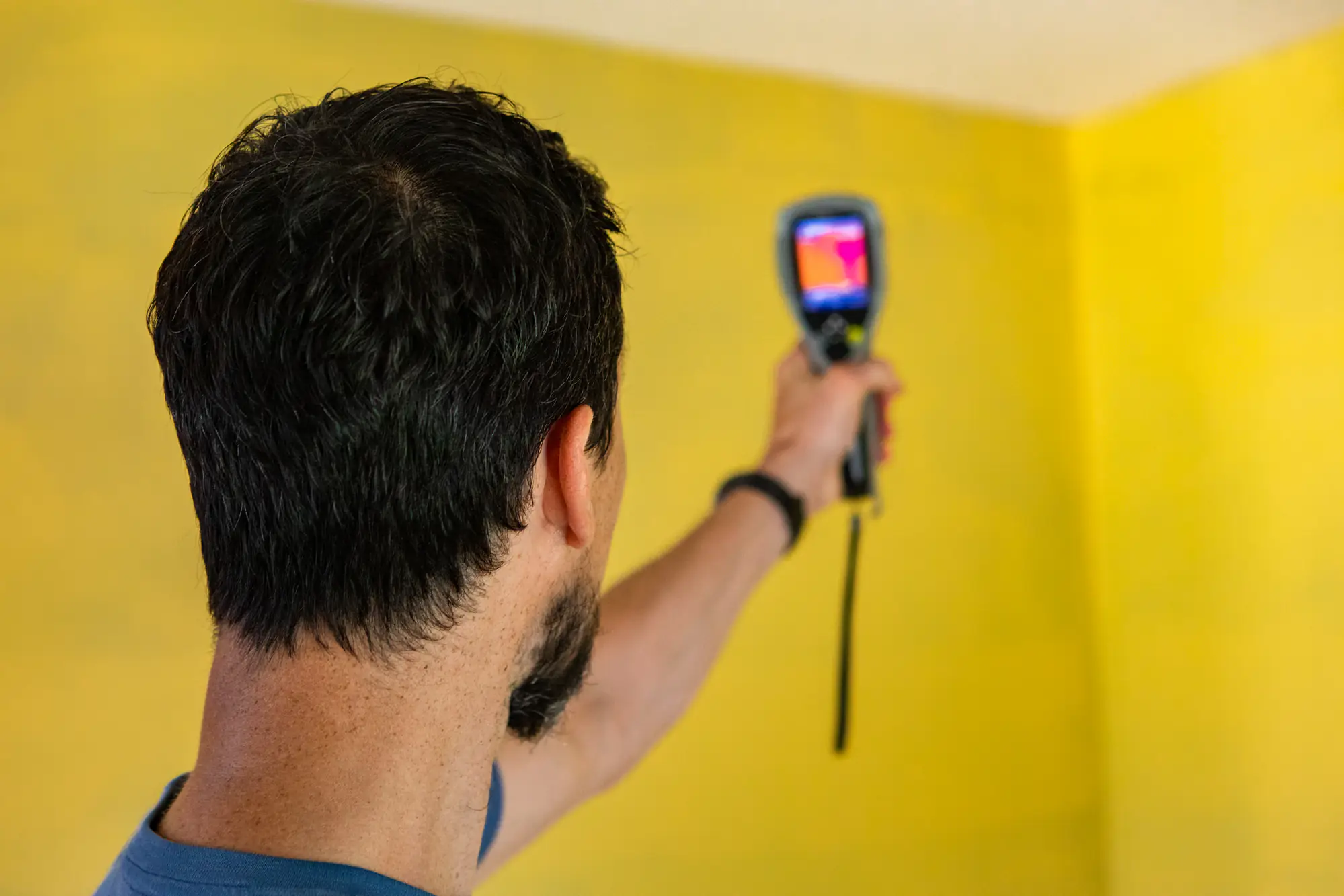
When we arrive, we start with a visual inspection using moisture meters and infrared cameras to find hidden water damage or condensation. Then we collect samples—usually air samples from different rooms and surface samples from any visible growth. These go to an independent lab for analysis, not an in-house setup with a conflict of interest.
Within a few days, you get a full report that breaks down exactly what was found, where it was found, and what the contamination levels are. We walk you through the results in plain language and give you clear next steps. If remediation is needed, we explain what that looks like. If it’s minor and you can handle it yourself, we’ll tell you that too.
No upselling. No scare tactics. Just honest information so you can make the right call for your home.
Ready to get started?
Every mold testing service we provide includes a thorough visual inspection of your property, moisture detection using professional-grade meters, and infrared scanning to identify hidden water intrusion. We collect air samples from multiple areas of your home to measure airborne mold spore levels, and we take surface samples from any visible growth or suspect areas.
All samples are sent to an accredited third-party lab for analysis. You receive a detailed report identifying mold species, spore counts, and contamination levels. We also provide a moisture map of your home and clear remediation recommendations if needed.
In White Horse, we see a lot of mold issues tied to older homes with stone foundations, poor attic ventilation, and crawl spaces that weren’t built with modern moisture barriers. Pennsylvania’s climate doesn’t help—precipitation has increased 5-10% in recent years, and that extra moisture finds its way into basements, behind siding, and under flooring. Our inspections account for these local conditions. We know where to look because we’ve seen what happens when these problems go unchecked.
Professional mold testing in White Horse typically starts around $300 for a standard inspection. That includes a visual examination, moisture detection, and two air samples sent to a lab for analysis.
If your home is larger, or if we need to collect additional samples from multiple areas or suspect surfaces, the cost can go up to $450-$650. But you’re paying for accuracy and documentation that actually holds up with insurance companies and during real estate transactions.
DIY kits might seem cheaper, but they often produce false negatives or incomplete results because they don’t account for airflow patterns, hidden moisture, or proper sampling techniques. Spending a few hundred dollars now can save you thousands later if it catches a problem early or confirms you don’t have one at all.
A mold inspection is the visual walkthrough. We look for visible mold, check for water damage, use moisture meters and infrared cameras to find hidden problems, and identify conditions that promote mold growth.
Mold testing goes further. We collect air and surface samples and send them to a lab to identify the specific types of mold present and measure contamination levels. Testing gives you data—species identification, spore counts, and a comparison to outdoor air quality.
Most of the time, you want both. The inspection tells us where to look. The testing tells us what we’re looking at and how serious it is. If you’re buying a home, dealing with health symptoms, or need documentation for insurance, testing is necessary. If you just want to know if that spot in the basement is something to worry about, an inspection might be enough.
You can, but you’re probably not going to get useful information. DIY kits test for the presence of mold spores, which exist in every home. The question isn’t whether mold is there—it’s whether the levels are abnormal and whether the species present are harmful.
DIY kits don’t measure spore concentrations. They don’t compare indoor levels to outdoor baselines. And they don’t account for airflow, which means you could place the kit in the wrong spot and miss the actual problem area entirely.
Professional testing uses calibrated equipment, follows standardized sampling protocols, and sends samples to accredited labs. The results are specific, measurable, and legally defensible. If you’re trying to make a decision about remediation, satisfy an insurance claim, or close a real estate deal, a DIY kit won’t cut it.
Once we collect samples, they go to an independent lab for analysis. Most labs return results within three to five business days.
You’ll receive a full report that identifies mold species, spore counts, and contamination levels for each sample location. We review the report with you and explain what the findings mean in plain language—no jargon, no runaround.
If you’re in a time-sensitive situation, like a real estate closing or an urgent health concern, let us know upfront. Some labs offer expedited analysis for an additional fee, which can get you results in 24-48 hours. We’ll work with you to meet your timeline without cutting corners on accuracy.
In White Horse, we most commonly find Cladosporium, Penicillium, Aspergillus, and Stachybotrys—the last one being what most people call black mold.
Cladosporium and Penicillium are usually tied to high humidity and poor ventilation. You’ll see them in bathrooms, basements, and around windows. Aspergillus shows up in water-damaged areas, especially after leaks or flooding. Stachybotrys needs sustained moisture and cellulose materials like drywall or wood, so it’s more common in homes with long-term leaks or unresolved water damage.
Older homes in this area—especially those built in the 60s and 70s—tend to have stone foundations, minimal crawl space ventilation, and outdated moisture barriers. That creates perfect conditions for mold growth, particularly in basements and lower levels. Testing identifies exactly what you’re dealing with so you can address it properly instead of guessing.
Sometimes, yes. Mold grows in places you can’t see—inside walls, under flooring, in HVAC ducts, and above ceiling tiles. If you’re experiencing unexplained health symptoms like respiratory issues, persistent coughing, or allergy-like reactions, hidden mold could be the cause.
You should also consider testing if you’ve had any water damage, even if it was cleaned up. If there’s a musty odor you can’t locate, or if your home has high humidity levels, those are red flags. And if you’re buying or selling a home in White Horse, testing gives you documentation and peace of mind.
Mold doesn’t always announce itself. By the time you see it, the problem is often bigger than it looks. Testing catches issues early, when they’re easier and cheaper to fix, and confirms whether your air quality is safe or if something needs attention.
Other Services we provide in White Horse